table of contents
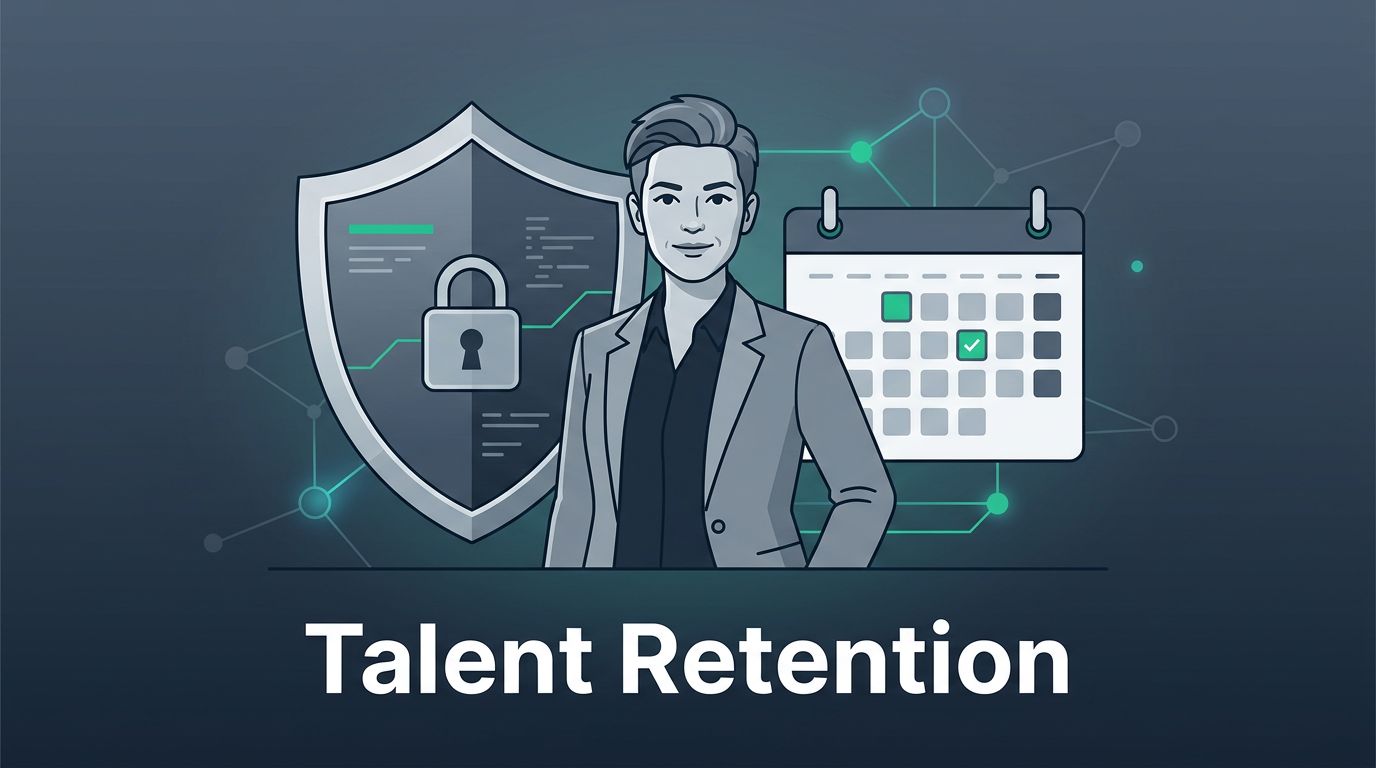
You’ve hired that top security architect or incident response leader. They crush the first year. Then they leave. Why does this happen so often in cybersecurity?
In 2026, only 34% of professionals plan to stay in their roles. Senior talent faces burnout from endless threats, hybrid work chaos, and skills gaps across teams. With 4.8 million unfilled jobs worldwide, competition heats up fast. You need strategies that keep experienced engineers, AppSec leads, and cloud specialists committed long-term.
This guide shares practical steps tailored to seniors. It covers timelines from day 30 onward and contrasts their needs with juniors’. Let’s build retention that sticks.
Why Senior Security Talent Leaves After Year One
Senior pros join with big expectations. They solve complex problems right away. But after 12 months, frustration builds.
Hybrid setups expand attack surfaces. Leaders manage distributed teams while handling AI-driven threats and regulations. Budgets stay tight, so they do more with less. A recent report shows 90% of teams lack key skills in cloud security and AI defense. Seniors pick up the slack.
Burnout hits hard. Only 57% of fully on-site workers feel good about work-life balance. Hybrid fans do better at 82%, yet demands don’t ease.

Daily pressures wear them down. Late nights reviewing dashboards become routine. Messy notes pile up. They crave impact, not just firefighting.
Turnover costs skyrocket. Replacing a security manager runs six figures, plus knowledge loss. Focus on retention early. Check the 2026 Cybersecurity Talent Report for pay and satisfaction benchmarks.
Senior vs Junior Retention Needs
Juniors need structure. Seniors want autonomy. This difference shapes your approach.
New hires thrive on training and mentorship. They build skills through guided projects. Retention comes from clear growth paths and feedback loops.
Seniors already know the tech. They seek leadership roles, strategic input, and work that matches their expertise. Give them space to architect solutions or lead responses. Micromanagement pushes them out.

For juniors, pair them with seniors for hands-on learning. This boosts team skills overall. Seniors gain satisfaction from mentoring, which cuts their isolation.
Hybrid work amplifies gaps. Juniors struggle with remote coordination. Seniors handle it but resent extra admin. Offer seniors flexible schedules and tools for async collaboration.
See how CISOs tackle this retention crisis. Tailor perks: juniors get certifications; seniors get equity or conference budgets.
Retention Timeline: Actionable Steps by Phase
Time your efforts. Act at key intervals to lock in commitment.
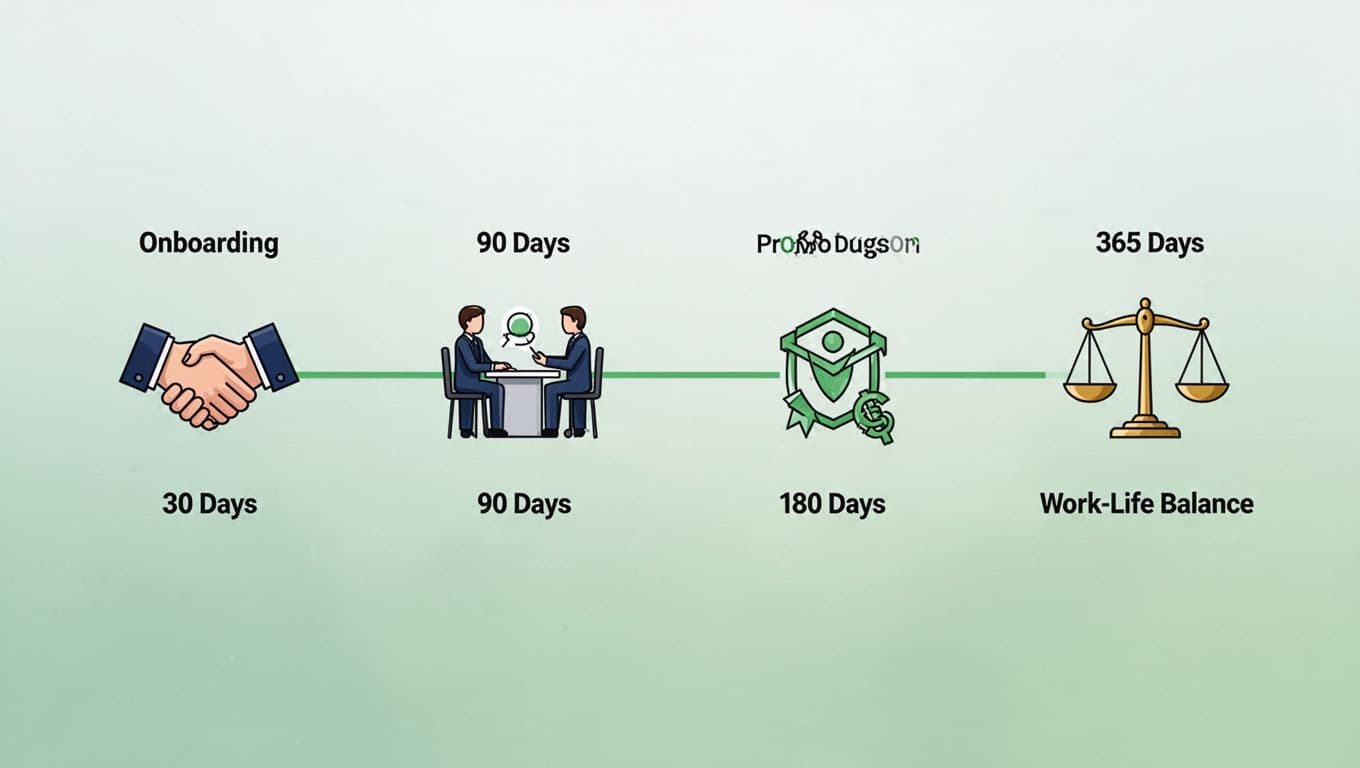
First 30 Days: Solid Onboarding
Set the tone fast. Assign a peer buddy, not just HR. Walk through real threats and your stack.
Schedule one-on-one chats. Ask about their vision. Adjust projects to fit. This builds trust over generic checklists.
Avoid overload. Cap meetings at three per week. Hybrid pros need this buffer.
Days 90: Skill Alignment and Feedback
Review progress. Map their strengths to gaps, like cloud IAM. Fund targeted training.
Introduce stretch assignments. Let a security engineer prototype a DevSecOps pipeline. Praise publicly.
Gauge hybrid fit. Offer home office stipends if they log late hours.
Days 180: Leadership Opportunities
Promote visibility. Have them brief execs on risks. This shows impact.
Create individual contributor tracks. Principal engineer roles keep technical stars without forcing management.
Formalize mentorship. Pair them with juniors. It reinforces their value.
Check NIST’s strategies for long-term retention.
Year One and Beyond: Balance and Growth
Audit workloads quarterly. Cap incidents per week. Push AI copilots for triage.
Build career ladders. Transparent criteria for promotions, like project wins and certs.
Survey anonymously. Act on hybrid tweaks, such as one office day weekly. This lifts satisfaction.
Competition rages. Match offers with 49% of peers raising pay. Add non-cash wins like sabbaticals.
Tackle Burnout and Market Pressures Head-On
Burnout drives 43% to eye exits. Seniors lead responses amid 87% workforce growth needs.
Enforce boundaries. No after-hours pings unless critical. Promote walks or gym time.
Hybrid demands coordination. Use tools like Slack channels for quick wins. Train on async rituals.
Counter poaching. With Asia-Pacific short 3.4 million roles, US firms compete globally. Benchmark comp via IANS data.
Culture matters. Celebrate breaches stopped. Share wins in all-hands.
Career pathways retain top talent. Make yours clear.
Key Takeaways for Lasting Security Talent Retention
Senior retention hinges on autonomy, balance, and growth. Time actions to phases: onboard strong at 30 days, empower at 180, sustain past year one.
Differ from juniors by granting strategic freedom over basic training. Address 2026 realities like hybrid strains and skills shortages head-on.
Act now. Your team’s stability depends on it. Book a Discovery Call with Bud Consulting to benchmark your strategy.
Secure your edge before competitors do.