table of contents
You’ve closed Series B. Now enterprise buyers demand proof your platform handles their data safely. They want SOC 2 reports, quick vulnerability fixes, and AI governance details during reviews. Without a solid security roadmap, deals stall.
Most post-Series B startups scramble here. They chase shiny tools instead of basics like cloud access controls. You need a plan that fits your growth pace and limited budget. This guide shows you how to create one step by step.
Assess Your Current Security Posture First
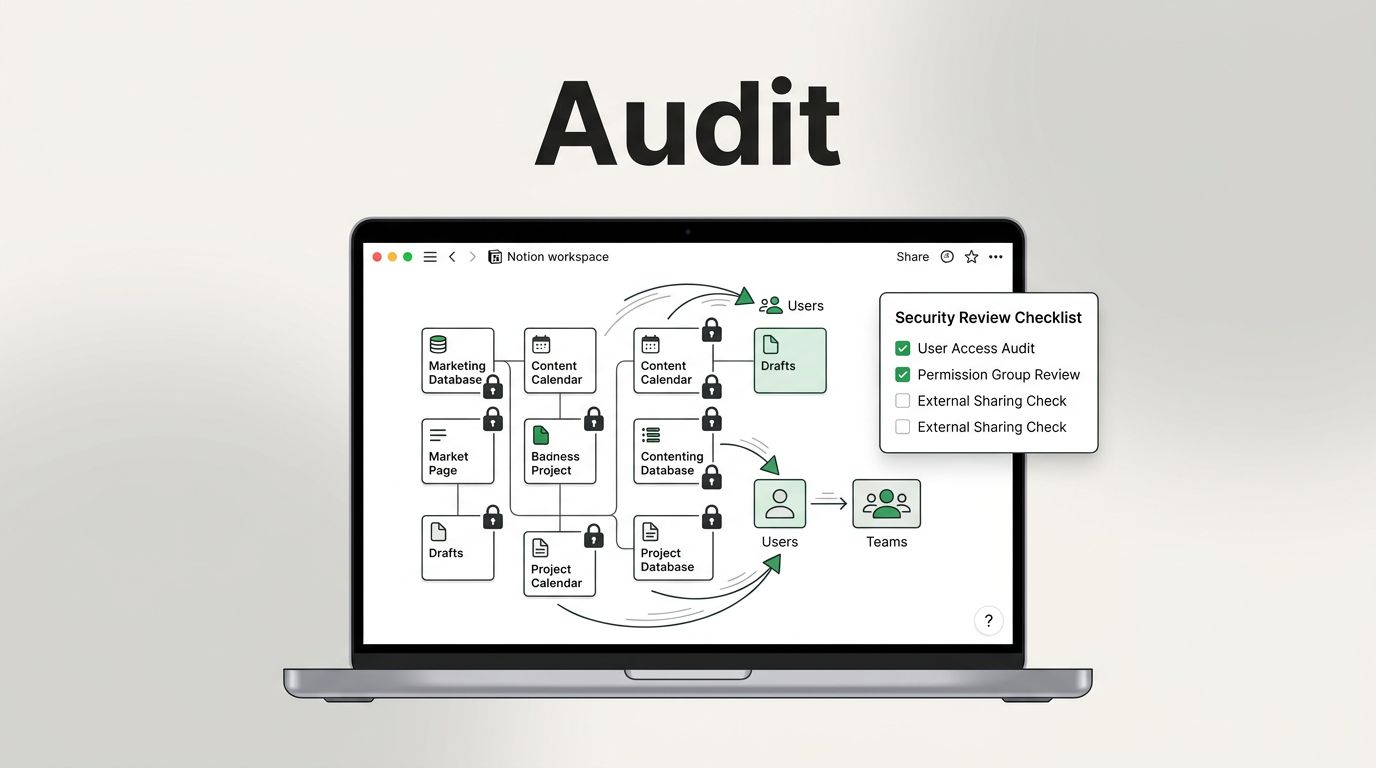
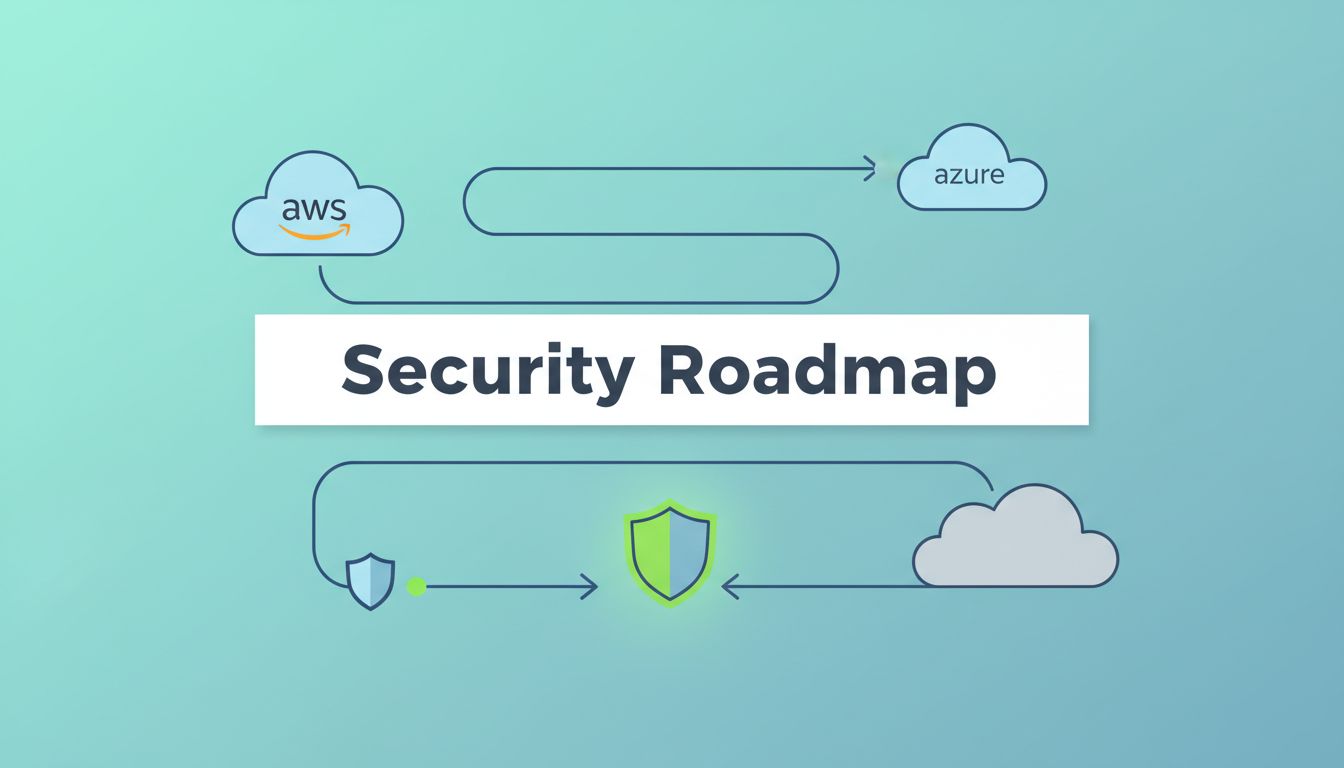
Start with a full audit. Map your attack surface: cloud setups, APIs, third-party integrations. In 2026, enterprises expect visibility into multi-cloud environments like AWS and Azure.
Run gap analyses against SOC 2 Type II or ISO 27001. Tools like Vanta automate evidence collection. Focus on high-impact areas: identity access management (IAM), endpoint detection, and data encryption.
Hire a consultant for a penetration test if internal skills lack. Document findings in a risk register. This baseline guides priorities.
Prioritize based on customer contracts. If fintech clients push PCI-DSS, tackle that before general hardening. Set metrics like mean time to remediate (MTTR) vulnerabilities under 30 days.
Common oversight? Ignoring shadow IT. Employees add unvetted SaaS tools. Scan for them weekly.
Assemble Your Security Team
You can’t do this alone. Post-Series B means hiring your first dedicated security engineer. Look for cloud-native experts who know Kubernetes and serverless risks.
If budget limits full-time roles, start with a fractional CISO. They bring enterprise experience without six-figure salaries. Bud Consulting specializes in vetting these pros.

Train engineers as security champions. They embed checks in CI/CD pipelines. For AI features, assign governance owners to audit models for prompt injection flaws.
Report to the board quarterly. Share wins like reduced phishing clicks. This builds buy-in for future hires.
Outsource pentests and red teaming initially. Scale to in-house as revenue grows.
Define Prioritization Criteria
Not all risks equal. Use a matrix: likelihood times impact. High-likelihood, high-impact items top the list, like unpatched cloud buckets.
Align with business goals. Enterprise sales need compliance first. Product velocity favors developer-friendly tools like Snyk for code scans.
Budget 10-15% of engineering spend on security, around $300K-$700K yearly at this stage. Focus on Series B security budgets.
Consider buyer questionnaires. They ask about AI usage controls and supply chain risks. Weight roadmap items by deal blockers.
Revisit quarterly. As AI threats rise in 2026, bump governance up if you process customer data.
Build a Phased Security Roadmap
Break it into stages. This matches your 18-month runway.
0-90 Days: Foundations
Audit infrastructure. Implement MFA everywhere, SSO, and basic logging. Launch security awareness training. Aim for SOC 2 Type I readiness.
3-6 Months: Controls
Roll out vulnerability management with SLAs. Integrate SAST/DAST in pipelines. Test incident response with tabletop exercises. Start Type II observation.
6-12 Months: Maturity
Hire a second security role. Deploy EDR and SIEM. Conduct annual pentest. Build a trust portal for customer reviews. Explore ISO 27001 if global.
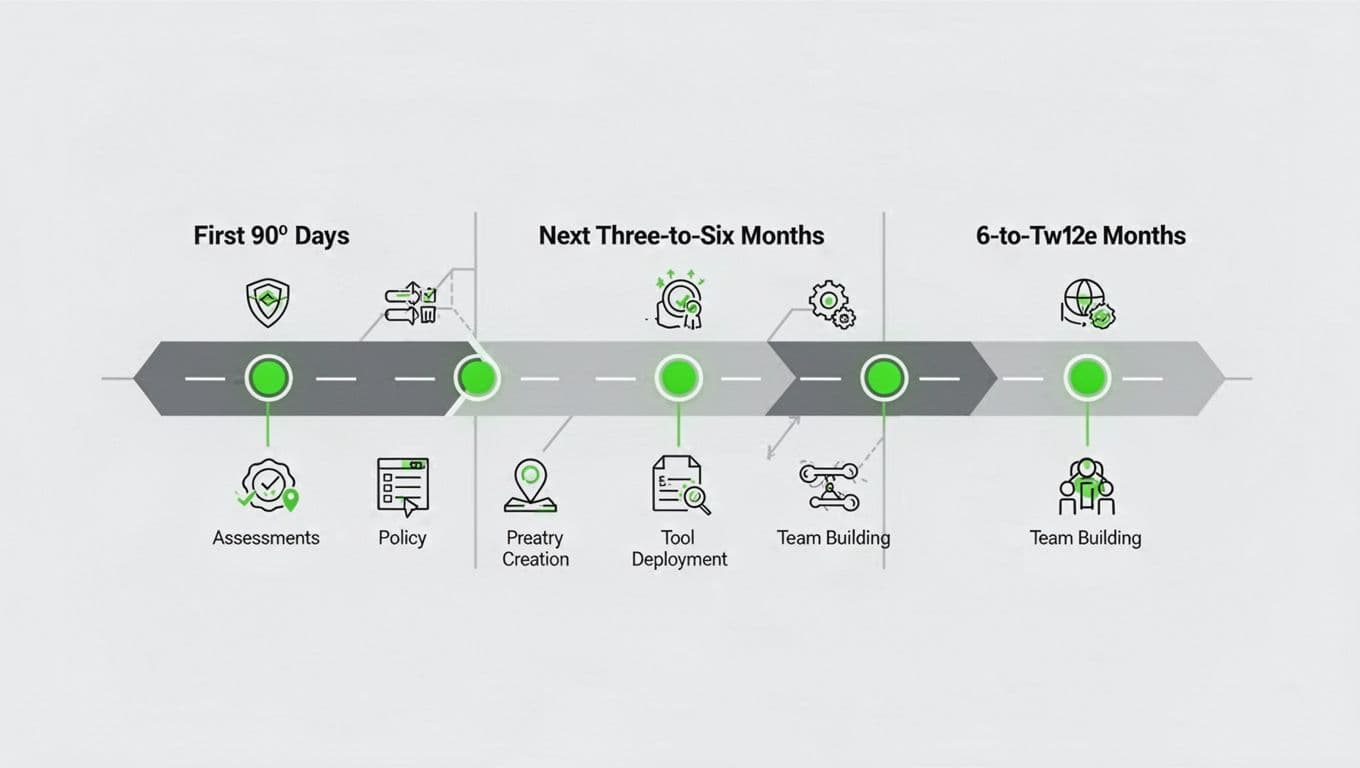
Track progress with dashboards. Adjust for new regs like AI safety mandates.
See a detailed Series B roadmap for more examples.
Sidestep Common Mistakes
Don’t delay. Early code flaws cost 10x more to fix later. Bake security into sprints from day one.
Skip over-hiring. One engineer plus automation covers basics. Avoid enterprise tools that overwhelm small teams.
Treat compliance as operational, not paperwork. Automate evidence or audits drag.
Neglect third-parties. Vet vendors with questionnaires. Monitor their breaches.
Poor cloud configs expose buckets. Use least-privilege IAM always.
For deeper pitfalls, check security changes post-Series B.
Key Takeaways
A phased security roadmap secures deals and scales with you. Start with audits and team basics. Prioritize by business impact.
Post-Series B success hinges on execution. Build foundations now; maturity follows.
Ready to fill security gaps? Book a Discovery Call with Bud Consulting for talent advice.
(Word count: 982)