table of contents
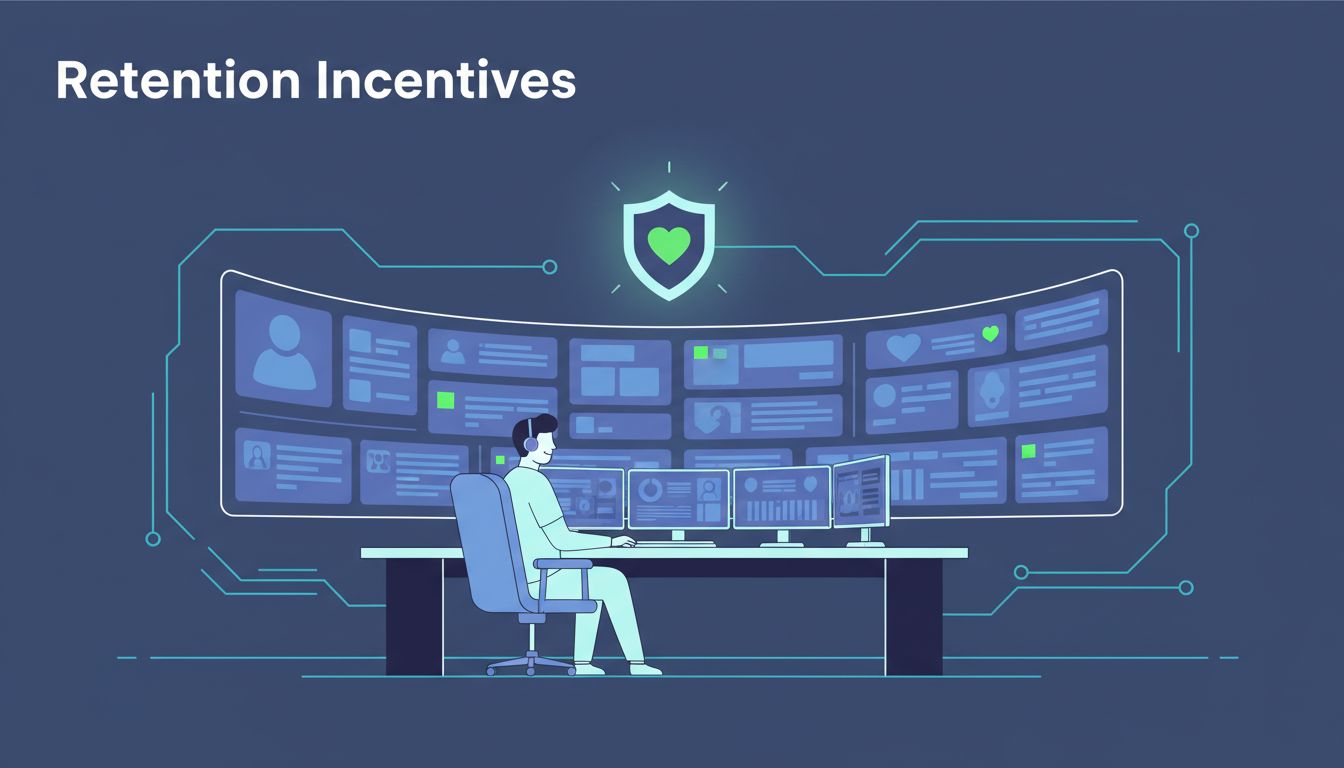
SOC teams face a tough reality in 2026. You train analysts for months, only to watch them leave for better offers. Turnover hits hard because alert fatigue drains them, and AI shifts basic tasks.
Burnout rates top 70% for many analysts. They handle 11,000 alerts daily, but just 19% signal real threats. This grind pushes talent out, especially in competitive markets with hybrid work demands.
You can fix this. Retention incentives tied to SOC realities keep your team stable and sharpen security outcomes. Let’s break down practical steps.
Grasp the Root Causes of SOC Analyst Turnover
High turnover stems from predictable pains. Analysts sift endless false positives. Tier 1 roles feel repetitive, with little context on threats.
AI changes everything now. Tools handle 90% of basic triage at 95% accuracy. Yet without retraining, analysts fear job loss and jump ship. Gartner predicts 50% of entry roles shift by year-end.
Poor tools add stress. Manual workflows slow responses amid rising AI-driven attacks. A Prophet Security analysis notes this “revolving door” costs teams institutional knowledge.

Start here. Survey your team quarterly. Ask about alert volume and tool pain points. Data shows turnover doubles without fixes. Address these, and you cut exits by half. Better retention boosts incident response speed too.
Design Financial Incentives That Fit Your Budget
Money matters, but smart perks stretch dollars. Offer shift differentials for nights or weekends. A 15-20% bump keeps graveyard watchers engaged.
Certification reimbursement works wonders. Cover GIAC or CISSP exams up to $5,000 yearly. Analysts gain skills; you get certified pros. Small teams can cap at two per quarter.
On-call pay scales well. Base it at 1.5x hourly, plus bonuses for activations. This offsets pager fatigue without breaking banks.
For enterprises, bundle training budgets. Allocate $2,000 per analyst for courses on AI threat hunting. Track ROI through faster triage times.
| Incentive | Small Team Cost (Annual) | Enterprise Scale | Security Benefit |
|---|---|---|---|
| Shift Differential | $10K for 5 analysts | $100K+ | Covers 24/7 coverage gaps |
| Cert Reimbursement | $15K | $200K | Upskills for advanced threats |
| On-Call Pay | $8K | $80K | Reduces alert fatigue errors |
These pay off quick. Reduced hiring costs alone save 1.5x salary per retained analyst. Tailor to your wallet, but tie to performance metrics.
Create Clear Paths for Career Growth
Analysts stay when they see ladders. Map promotions from Tier 1 to hunter roles. Define milestones like “handle 100 incidents solo.”
Mentorship pairs juniors with seniors. Weekly check-ins build skills and bonds. Rotation programs let them shadow incident response or threat intel.
In 2026, AI creates “supervisor” tracks. Train on prompt engineering and oversight. This counters automation fears and grows value.

Publicize paths in onboarding. One team cut turnover 30% with visible “AI Governance Lead” roles. For small ops, cross-train internally. Everyone wins with shared knowledge.
Prioritize Work-Life Balance in SOC Shifts
Burnout thrives on overload. Hybrid setups meet 2026 expectations. Allow 60% remote, with office for escalations.
Mental health stipends cover therapy apps. $500 yearly per analyst prevents crashes. Pair with no-meeting Fridays for recovery.
Ease on-call with rotations. Limit to one week monthly, max four nights. Automation handles low-risk alerts overnight.

A TechTarget report links better AX to faster containment. Test pilots first. Feedback loops refine what sticks.
Build Recognition and Culture for Lasting Loyalty
Shout wins publicly. Monthly “analyst spotlights” share threat takedowns. Peer votes add fun.
Team events fit tight schedules. Virtual game nights or quarterly offsites build camaraderie. Budget $50 per head.
Framework recognition around outcomes. Bonus for low MTTR or zero misses. This reinforces security posture.
Culture thrives on transparency. Share CISO updates on AI investments. Analysts feel valued, not replaced.
Conclusion
Targeted incentives transform SOC analyst retention. Financial tweaks, growth paths, balance measures, and recognition address burnout head-on.
In 2026’s alert-heavy, AI-shifted world, these steps secure teams and outcomes. Start small: pick two, measure impact.
Ready to strengthen your SOC? Book a Discovery Call with Bud Consulting for tailored advice. Your stable team awaits.