table of contents
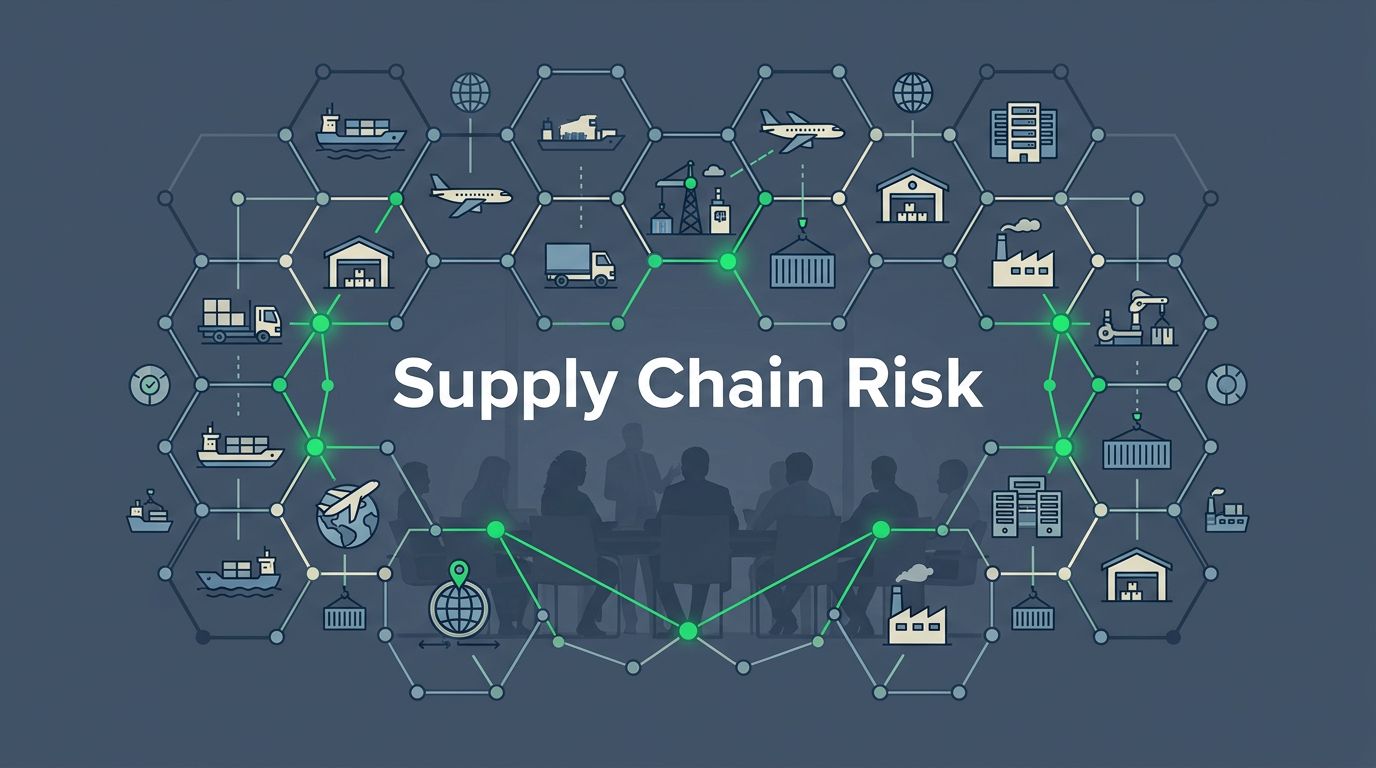
Supply chain attacks hit harder in 2026. Boards face growing pressure as these breaches disrupt operations across entire ecosystems. One compromised vendor can cascade failures to your firm and partners.
You oversee fiduciary duties amid rising regulatory scrutiny. Third-party risks now top agendas because attackers target trust chains, not just firewalls. This briefing covers trends, examples, impacts, and actions so you can guide management effectively.
Expect clear trends from recent data. Then we’ll review breaches and board priorities.
Why Supply Chain Attacks Demand Board Attention
Boards must track supply chain attacks closely. These incidents expose hidden weaknesses in vendor networks and software pipelines. In Q1 2026 alone, adversaries shifted to precision strikes on trusted channels.
Consider the scale. Attackers exploit open-source libraries, CI/CD tools, and SaaS platforms to reach hundreds of downstream organizations. Group-IB’s High-Tech Crime Trends Report 2026 notes this shift from isolated hacks to ecosystem compromises.
Fiduciary risks mount. Regulators like the SEC demand disclosure of material cyber events, including third-party ones. Poor oversight could trigger lawsuits or fines. Business continuity hangs in balance when a single update carries malware.
Ask management these questions:
- How many vendors cover over 50% of our attack surface?
- What metrics track third-party exposure daily?
Short answer: Most boards underestimate this. SecurityScorecard’s 2026 report shows 78% of firms monitor less than half their ecosystem.
Key Trends in Supply Chain Attacks for 2026
Attackers favor efficiency in 2026. They bypass direct defenses by poisoning shared resources. Open-source malware surged 73% last year, per recent analysis.
Software libraries lead targets. One tainted package infects millions via developer downloads. CI/CD pipelines follow, as builds automate malware distribution.
Shadow IT adds blind spots. Employees adopt unvetted tools faster than IT approves them. AI-driven threats rank highest now, yet 67% of leaders stick to static audits.

Multi-stage chains evolve. Breaches chain together, like initial vendor hacks launching neighbor attacks. IBM’s X-Force Threat Index reports a 4X rise in large third-party compromises since 2020.
Hardware tampering emerges too. Backdoors in solar panels and pagers show physical supply risks. Boards should probe software first, but watch hardware signals.
Key board takeaway: Demand continuous mapping of your ecosystem. Trends point to speed; response times average eight days for fixes.
Major Supply Chain Breaches in Early 2026
Real events define 2026 risks. TeamPCP targeted CI/CD tools like Trivy and Checkmarx. They stole cloud credentials, Kubernetes tokens, and SSH keys, hitting Cisco, AWS, Azure, and SaaS users.
Axios npm package fell to North Korean actors in March. LiteLLM, a Python AI library, hosted malicious code briefly on PyPI. These hit developers hard, spreading via updates.
Cisco’s January zero-day (CVE-2026-20045) let attackers control management systems remotely. Fortress InfoSec’s Q1 2026 report details how trusted vendors enabled mass disruption.

Zscaler’s March roundup lists five major software incidents. Downstream effects lingered, with active credential leaks.
Board questions for management:
- Which tools in our stack match these vectors?
- How do we isolate vendor impacts?
Stingrai’s 2026 statistics warn of industrial-scale open-source malware. Detection must match registry speeds.
Business Impacts and Continuity Risks
Supply chain attacks threaten revenue directly. Ransomware via vendors locks operations; 13% of third-party breaches involve it. Unauthorized access hits 47%.
Downtime cascades. A hacked MFT tool disrupts file transfers across chains. CyberStrategyInstitute’s 2026 risk report flags multi-tenant exploits in integrators.
Regulatory heat builds. Fiduciary duties require oversight of material risks. Breaches trigger SEC 8-K filings if operations halt.
Financial tolls add up. Remediation exceeds millions; stock dips follow disclosures. Confidence gaps worry: 90% of leaders expect continuity, but gaps persist.
Board takeaway: Prioritize segmentation. Limit blast radius from one vendor.
Boardroom Governance Priorities
Governance starts with visibility. Map all third-party connections continuously. Move beyond point-in-time audits to automated exposure management.
Set policies for software intake. Vet open-source and pipelines rigorously. Require vendors to demonstrate secure builds.

Embed risks in enterprise risk management. Review quarterly with metrics like vendor coverage and response SLAs. Aim for 24-hour fixes on critical issues.
Questions to press management:
- What’s our vendor risk rating distribution?
- How do we enforce isolation in contracts?
Practical steps include kill-switches for high-risk integrations. Train boards on signals like OAuth abuses.
For specialized help closing skills gaps in cloud security or threat management, Book a Discovery Call with Bud Consulting.
Key Takeaways for Boards
Supply chain attacks define 2026 threats. Trends favor ecosystems over silos; breaches like TeamPCP show the speed.
Focus on governance actions. Demand ecosystem mapping and vendor isolation. Your oversight protects continuity and duties.
Stay ahead with continuous monitoring. Risks evolve monthly, but prepared boards mitigate them effectively.