table of contents
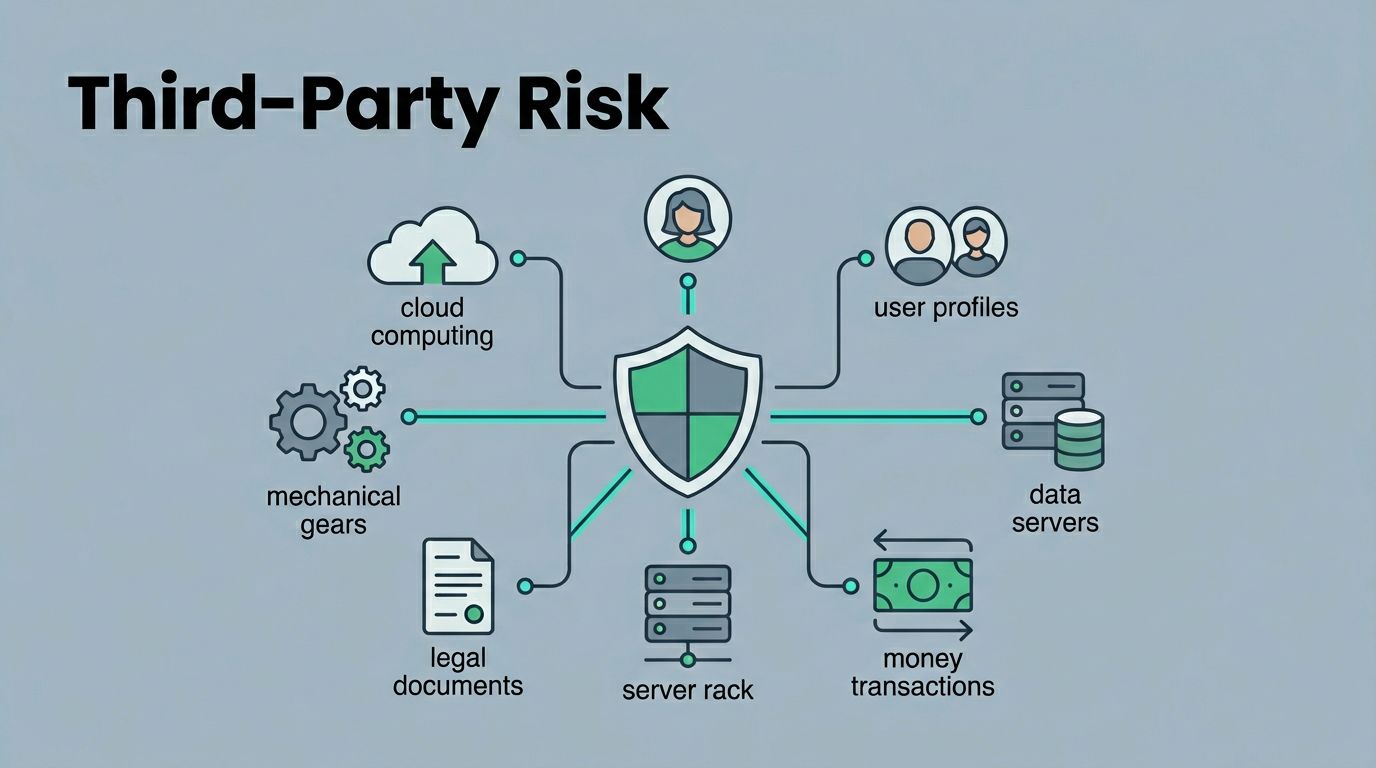
Your attack surface grows every time you connect with a vendor. One overlooked subdomain or SaaS login can invite attackers right to your door. Security teams often miss these ties because they focus inward.
Third-party exposures create real risks. Attackers exploit them daily. You need a clear process to spot, assess, and fix them.
This guide walks you through practical steps. Start with inventory, then validate and prioritize. You’ll end up with actionable insights.
Map Out Third-Party Relationships First
Begin by listing every vendor, partner, or service that touches your environment. Pull data from procurement records, IT asset lists, and contract databases. Don’t rely on memory alone.
Security teams find hidden connections this way. For example, a marketing tool might host customer data on its servers. Or a payroll provider could expose employee portals.
Ask IT for active integrations. Check procurement for recent contracts. Legal holds vendor agreements. Combine these sources into one spreadsheet.
Cross-reference with your attack surface tools. Tools scan for external assets. Match them against vendor domains.
Build a simple table to track basics.
| Vendor Name | Contract Owner | Integration Type | Last Review Date |
|---|---|---|---|
| Vendor A | Procurement | API Access | Q1 2026 |
| Vendor B | IT | SaaS Login | Q4 2025 |
| Vendor C | Marketing | Hosted Subdomain | Not Reviewed |
This table shows gaps fast. Update it quarterly. It becomes your starting point for deeper reviews.

Spot Assets Linked to External Parties
Next, validate which exposed assets belong to third parties. Run external scans on your domains and IPs. Look for subdomains like vendorname.yourcompany.com.
These often point to hosted services. Misconfigured SaaS instances show up here too. Vendor-hosted login portals create auth risks.
Hunt for leaked credentials in scans. Abandoned integrations leave open ports. Expired certificates signal neglect.
Distinguish direct from indirect risks. Third-party means your vendors. Fourth-party covers their subs. Focus on third first, but note chains.
Use public sources for confirmation. WHOIS data reveals ownership. Certificate transparency logs flag misissued certs.
For instance, a scan might find api.partner.com resolving to your IP range. That’s a tie. Document it with evidence screenshots.
Assess Risks Tied to Vendor Exposures
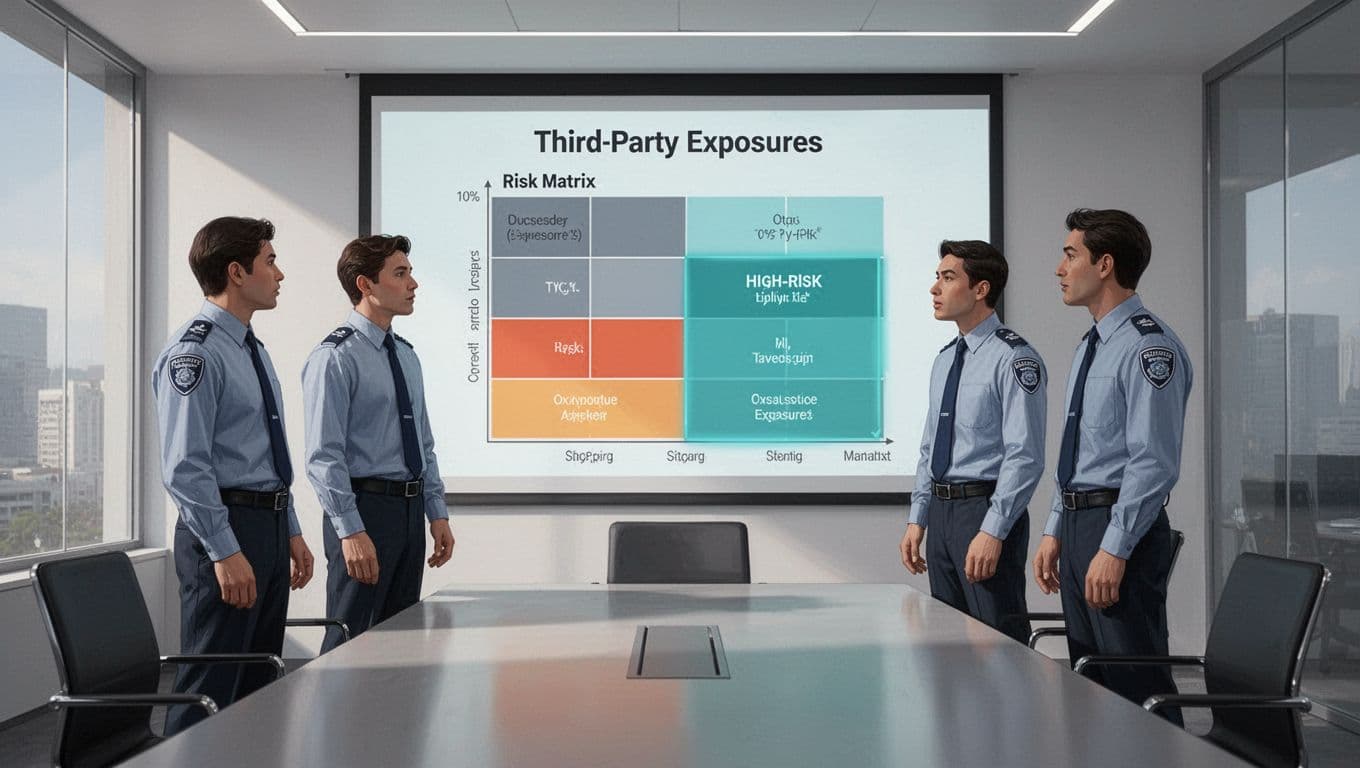
Score each finding by likelihood and impact. High-risk items combine easy access with sensitive data.
Plot them on a matrix. Likelihood on one axis, impact on the other. Color-code quadrants.
High-likelihood, high-impact tops the list. Think exposed admin panels from a vendor portal.
Review inherited risks. Vendors bring their own attack surface. A weak config there becomes yours.
Vendor breaches like MOVEit show how fast risks spread. Your data sits on their systems.
Draw from established frameworks. NIST SP 800-161 offers supply chain guidance. Adapt it to your scans.
Quantify where possible. Exposed PII scores higher than public pages. Factor in vendor response history.
Prioritize Remediation and Escalation
Triage findings by score. Fix critical ones first. Assign owners from IT or security.
For subdomains, migrate or sunset them. Tighten SaaS configs with least privilege. Rotate leaked creds immediately.
Escalate unfixable items. Legal reviews contract outs. Procurement pressures vendors.
Track progress in your inventory. Set deadlines. Re-scan after changes.
Real examples help. The Vercel incident exposed data via a third-party extension. Quick cuts prevented worse.
Offboard abandoned tools. Revoke certs that expired. Test fixes before closing tickets.
Collaborate Across Teams for Strong Reviews
Security can’t do this alone. Loop in IT, procurement, legal, and vendor managers early.
Hold cross-team meetings. Share scan reports. Discuss business context.
Procurement knows contract terms. Legal flags compliance issues. IT handles tech fixes.
This teamwork uncovers blind spots. A procurement rep might recall a forgotten pilot project.

Tools like Panorays aid shared views. But people drive decisions.
Document agreements. Follow up weekly. Celebrate quick wins to build momentum.
Monitor Exposures on a Continuous Basis
One review isn’t enough. Attack surfaces shift. Vendors change too.
Schedule quarterly scans. Automate where possible. Alert on new subdomains or cert expirations.
Watch fourth-party signals. Vendor breaches affect you. Subscribe to their security feeds.
Update your inventory live. Retire offboarded vendors. Reassess high-risk ones yearly.
Perimeter’s approach stresses ongoing validation. It beats annual audits.
Final Thoughts on Third-Party Exposure Reviews
Regular reviews shrink your attack surface. You spot risks before attackers do. Teams stay aligned and responsive.
Focus on inventory, validation, and collaboration. These steps deliver results.
Strong processes protect data and build trust. If gaps persist, book a discovery call with Bud Consulting to strengthen your team.
Keep scanning. Risks evolve, but so can your defenses.