table of contents
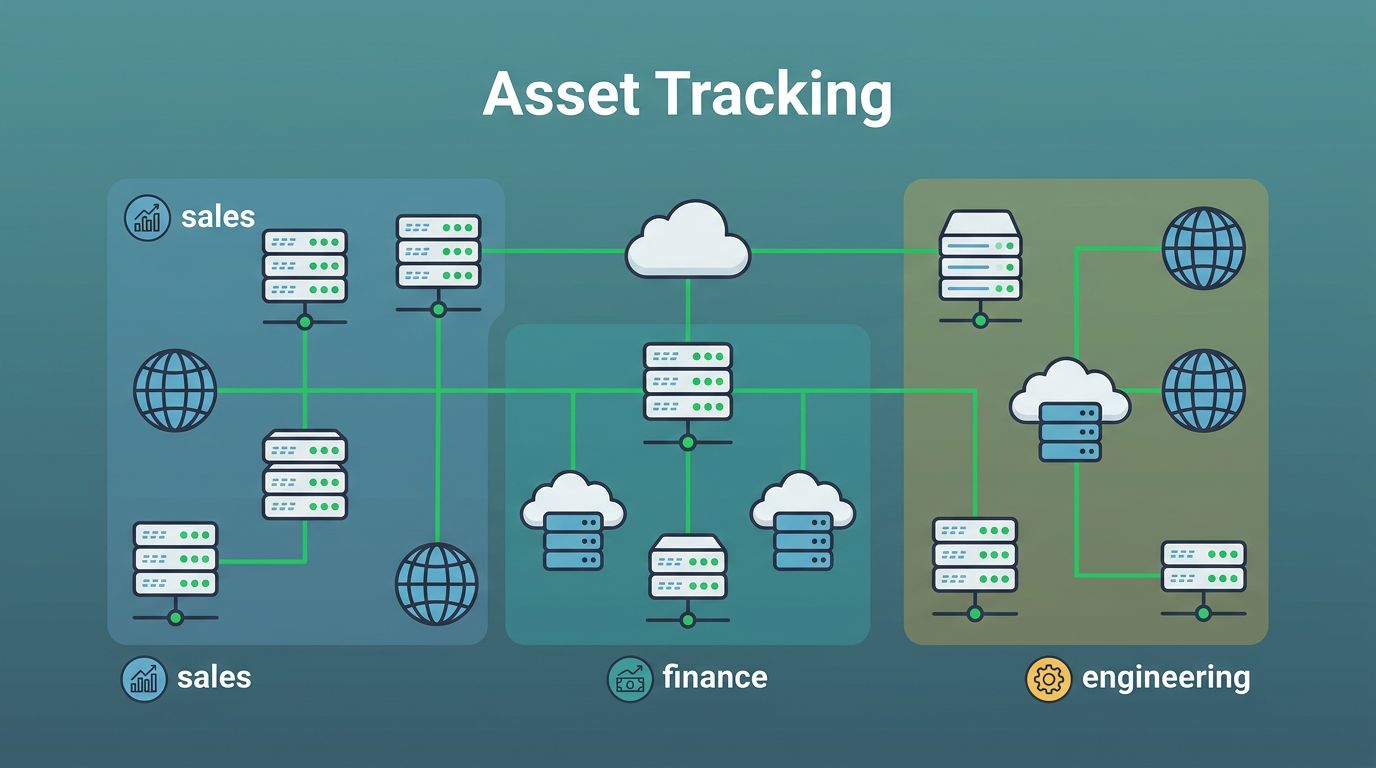
Your organization runs hundreds of servers, apps, and domains exposed online. Many tie back to specific business units like sales or engineering. Yet attackers find the forgotten ones first. Without clear tracking by unit, risks pile up fast.
You need visibility into these internet-facing assets to spot exposures before breaches hit. This guide shows you how to discover, attribute, validate, and monitor them ongoing. Follow these steps for a repeatable process that works across silos.
Why Track Assets by Business Unit
Business units own their digital footprints. Finance might spin up cloud storage. HR deploys applicant portals. Track assets by unit so owners act on risks.
This approach cuts blind spots. Teams fix issues faster when they see their slice of the attack surface. Recent trends show AI tools now speed discovery, but attribution lags without structure. Enterprises face cloud sprawl and shadow IT daily.
Start with a baseline inventory. Link every domain, IP, or service to a unit. Then risks become actionable. Security ops managers gain leverage because accountability sticks.
Build Your Discovery Process
Discovery kicks off the process. Scan the full internet for your assets without relying on IP lists. Tools pull from DNS, certificates, and cloud APIs.
Use passive sources first. Certificate transparency logs reveal subdomains. DNS brute-forcing uncovers hidden hosts. Combine with active scans for open ports and services.
Here’s a simple workflow:
- Define seeds: Company domains, ASNs, and brands.
- Run daily scans via Censys Attack Surface Management or CyCognito.
- Export raw data: IPs, domains, certificates.
- Dedupe and enrich with WHOIS and tech fingerprints.
Involve BU leads early. They confirm seeds like “finance.yourcompany.com”. Run this weekly at first. Automate with scripts for scale.

For example, engineering’s test server pops up on port 8080. Tag it during discovery. This builds trust because BUs see quick wins.
Attribute Assets to the Right Owners
Attribution turns lists into ownership. Match assets to units using evidence like DNS records or cert subjects.
Build rules in your tool. “hr-*.cloudprovider.com” goes to HR. Graph analysis links subsidiaries post-M&A. Asset attribution adds context, reducing false positives.
Validate manually at first. Share a spreadsheet with BU owners. They claim or reject in 48 hours. Automate approvals via ticketing.
Sample tags: BU=Sales, Owner=john.doe@company.com, Sensitivity=High. Repeat quarterly. Unknowns drop as patterns emerge.
Teams close loops faster. One firm cut orphans by 40% this way. Ownership completeness hits 90% with steady effort.
Implement Continuous Monitoring
Shift to always-on tracking. Set alerts for new assets or changes. Poll cloud connectors every four hours.
Integrate with SIEM for risk scores. Prioritize by exploitability and BU impact. Finance gets daily digests; others weekly.
Use open-source like OWASP Amass for basics. Paid options like ExternalScan add real-time tagging.
Review monthly. Retire stale assets. This handles sprawl because changes trigger workflows. BUs stay engaged with dashboards.
Measure Success with Key Metrics
Metrics prove progress. Track by BU to spotlight laggards.
Focus on four:
- Asset coverage: Known assets divided by total discovered. Aim for 95%.
- Unknown asset rate: Percentage without owners. Target under 5%.
- Ownership completeness: BUs with full attribution. 100% ideal.
- Remediation SLA: Time to fix critical risks. 7 days max.
| Metric | Formula | Target by BU |
|---|---|---|
| Asset Coverage | (Known / Total) x 100 | >95% |
| Unknown Rate | (Unknown / Total) x 100 | <5% |
| Ownership Completeness | (Attributed / Discovered) x 100 | 100% |
| Remediation SLA | Avg days to fix | <7 days |
These show trends. Sales might lag on unknowns due to third parties.
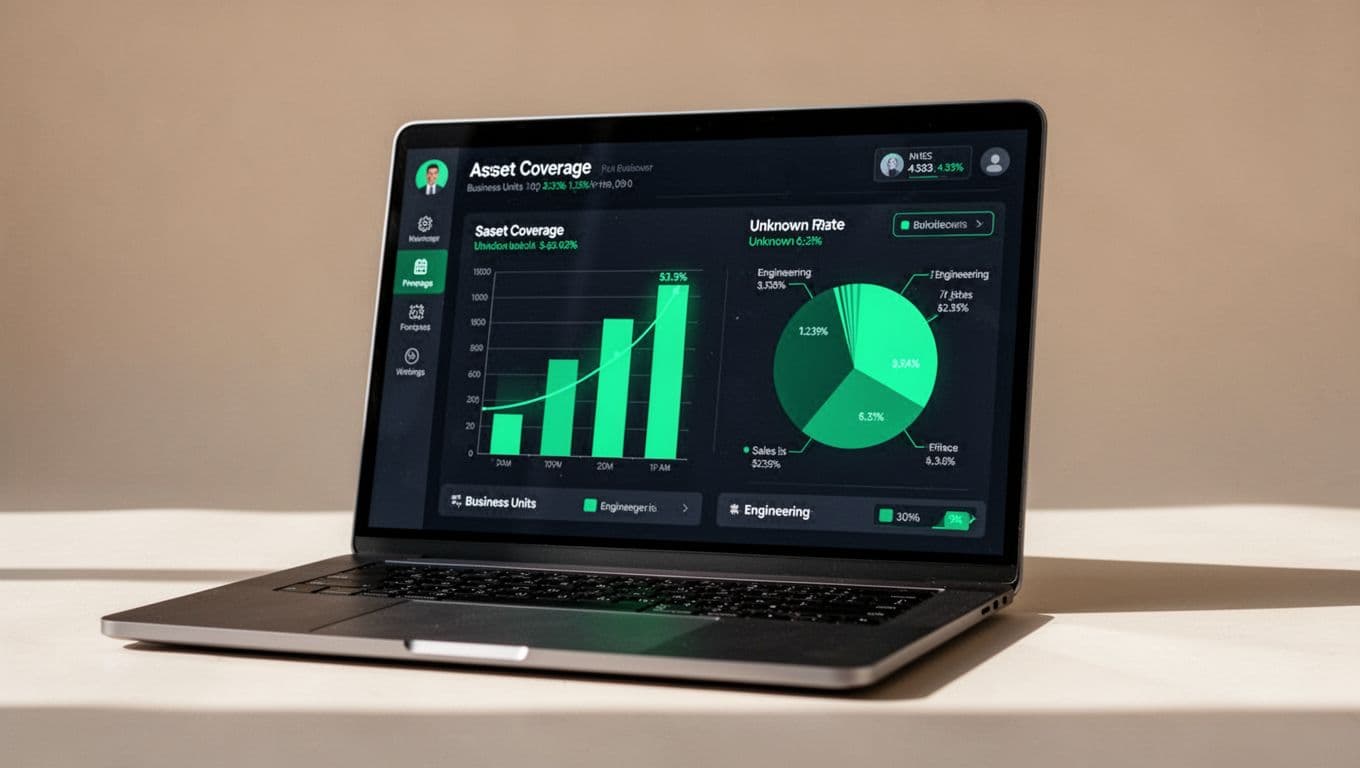
Benchmarks from Recorded Future match enterprise norms. Adjust for your scale.
Watch Out for These Pitfalls
Pitfalls derail efforts. Shadow IT hides developer deploys. M&A adds unknown subsidiaries.
Cloud sprawl scatters assets across providers. Inconsistent naming confuses attribution. Third-party hosts evade scans.

Counter them. Mandate BU input on naming. Scan partners quarterly. AI trends help, but verify manually. One overlooked API sank a merger deal.
Conclusion
Track internet-facing assets by business unit for real control. Discovery, attribution, monitoring, and metrics form a cycle that shrinks risks.
Your team gains visibility. BUs own fixes. Breaches drop. Start small, scale with tools.
Ready to strengthen your setup? Book a Discovery Call with Bud Consulting for tailored advice.