table of contents
Picture this: a workplace accident happens at 2 p.m. You scramble for details while the clock ticks toward OSHA’s 24-hour deadline. Fines loom if you miss it.
Compliance teams face this pressure daily. Incident reporting templates cut the chaos. They guide you through facts, impacts, and submissions so you meet rules without guesswork.
Let’s walk through practical templates and real-world rules. You’ll see how to adapt them fast.
Streamline Your Incident Reporting Process
Speed matters in incidents. A solid workflow keeps you on track from detection to filing.
Start by spotting the event. Note time, location, and first witnesses right away. Then pull your template. Fill basics like who, what, and how it affects operations.
Next, check against rules. Does it trigger a call to OSHA? Or an electronic FDA submission? Review for completeness before sending.
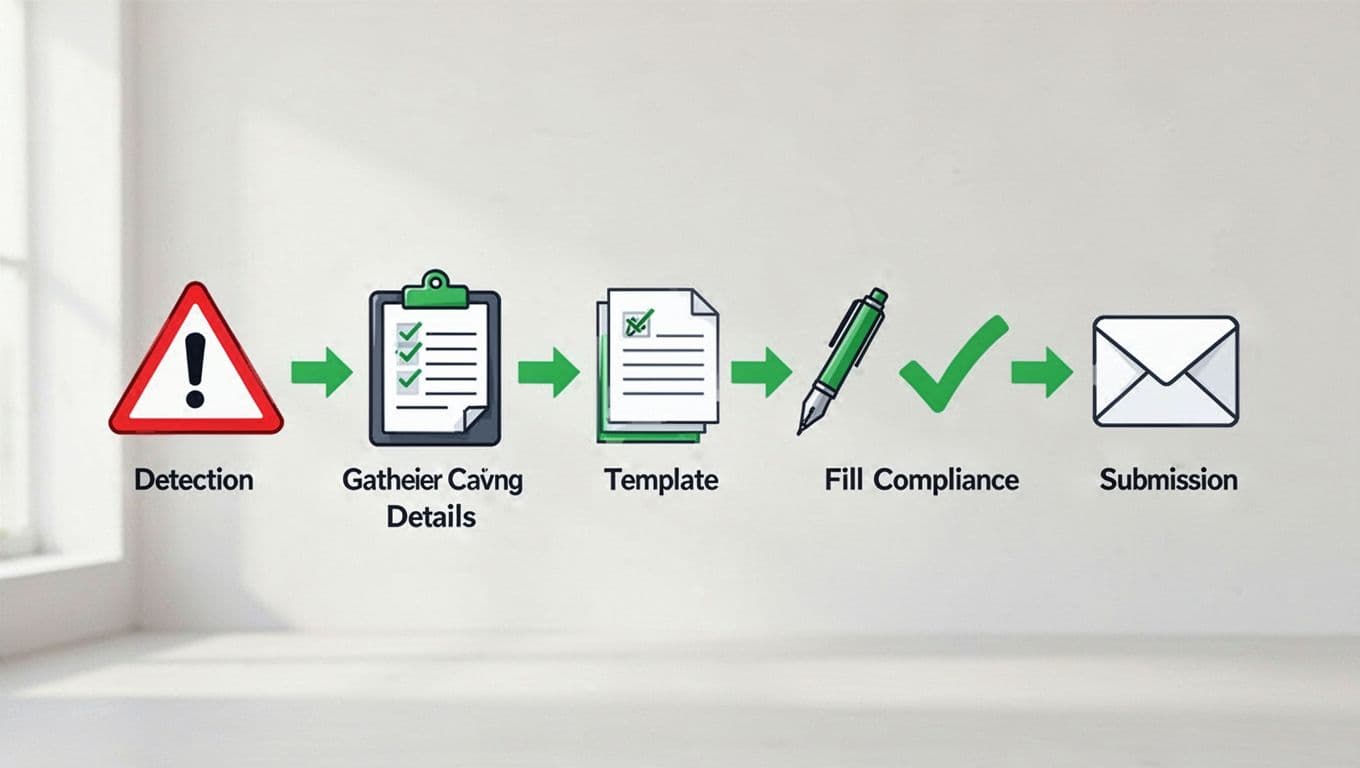
This process works for internal logs too. Internal reports stay simple for your records. Formal ones match regulator forms exactly. Customize both to your setup. Test them in drills so teams know the steps.
In 2026, tools like OSHA’s online system speed reports. Use templates to prep data first. That way, you submit in minutes, not hours.
Essential Components of Incident Templates
Good templates share core fields. They capture what regulators demand without extras.
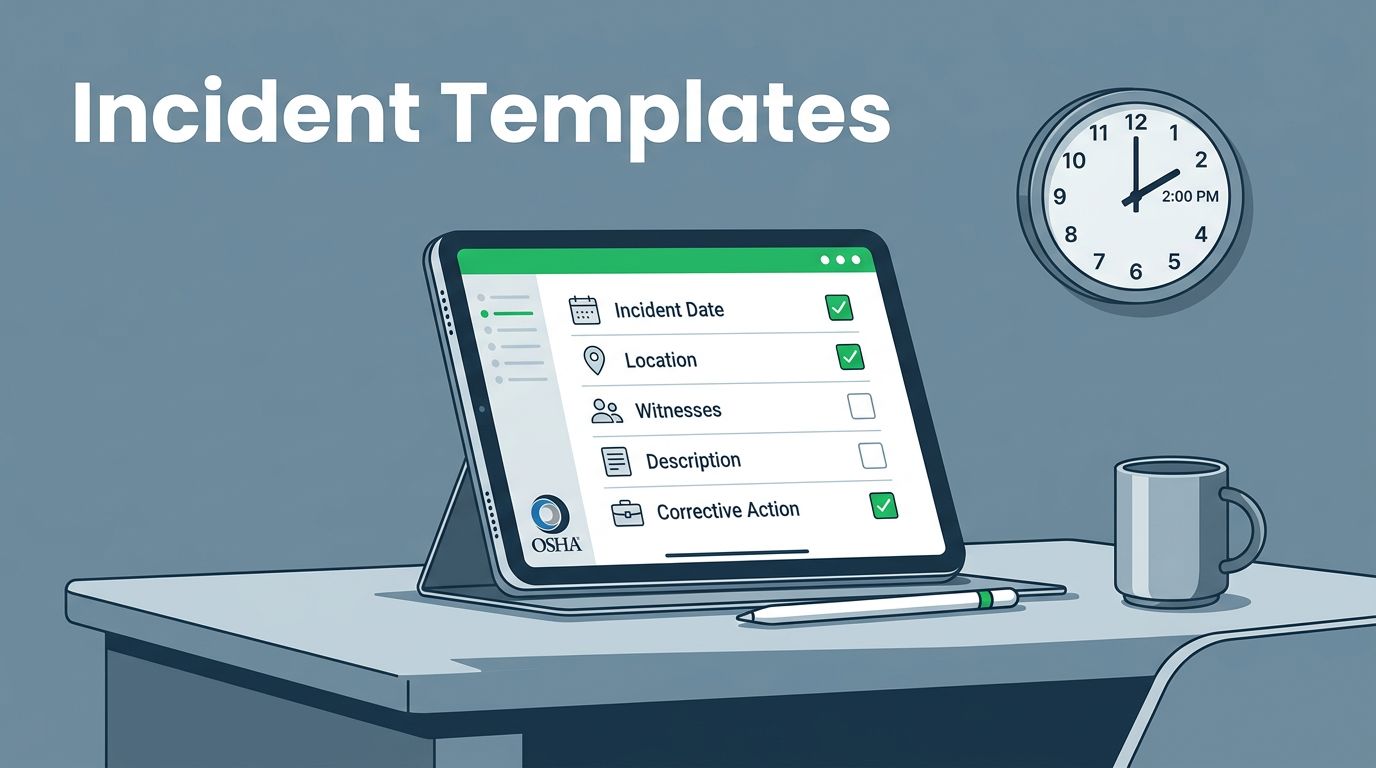
Date and time head the list. Add incident type next, like slip or breach. Describe what happened in plain words. Who saw it? List names and contacts.
Impacts follow. Cover injuries, costs, or downtime. Note root causes if known. End with actions taken and follow-up plans.
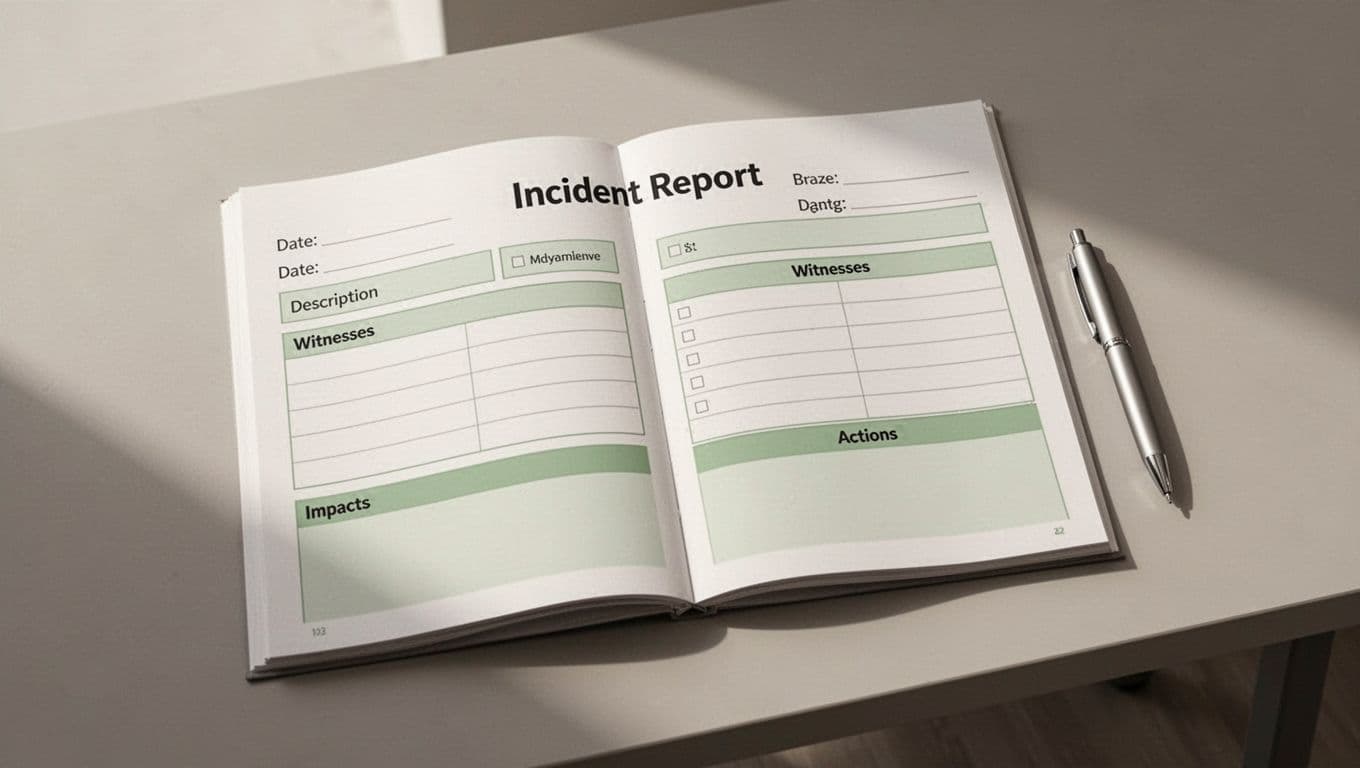
Tailor depths by need. Workplace safety templates stress body parts affected. Cyber ones detail data exposed.
Keep formats digital. Excel or Google Sheets work well. They auto-populate dates and pull from logs. Always save versions for audits.
Verify fields against current rules. Regulators update forms yearly. A mismatch delays approval.
OSHA Safety Incident Templates
OSHA rules hit hard in 2026. Report deaths within eight hours. In-patient hospitalizations, amputations, or eye losses need notice in 24 hours.
Use their online portal at osha.gov/report. Bigger firms log on Forms 300, 300A, and 301. Submit 300A summaries by March 2 for 2025 data if you have 250-plus employees or qualify in high-hazard spots.
Templates match these. Include work-related check, treatment type, and days away. For manufacturing, add equipment details to meet record rules.
Check OSHA-compliant manufacturing safety templates for quick starts. They cover severity, witnesses, and root causes.
Post 300A summaries each February. Keep records five years. Fines reach $16,550 per violation, so templates prevent slips.
FDA Adverse Event Reporting Forms
FDA shifted to the Adverse Event Monitoring System in March 2026. It covers drugs, devices, food, and more with real-time data.
Submit electronically via ESG NextGen in E2B(R3) format. Deadlines vary: postmarketing reports quarterly, IND safety right away.
Templates prep ICSRs. Fields match Form 3500A instructions, like event description and suspect products. For field alerts, use Form FDA 3331a guidelines.
Healthcare pros grab MedWatch forms. Note clinical details and outcomes.
No paper anymore. Test submissions in portals first. Verify rules on fda.gov, as they evolve.
Cybersecurity Incidents and SEC Filings
Public firms report material cyber events on Form 8-K, Item 1.05. File within four business days of deeming it material.
Cover nature, scope, timing, and impacts. Add remediation steps. Amend later if details emerge.
Templates list systems hit, data types, and investor effects. Distinguish from internal logs; SEC wants public facts only.
For PHI breaches, layer HIPAA needs. See cybersecurity incident templates with access logs and mitigation.
Bud Consulting helps here. Book a Discovery Call with Bud Consulting to vet cyber talent for stronger defenses.
Annual 10-Ks detail risk management too.
Tailor Templates to Your Industry
No one-size-fits-all. Manufacturing adds machine IDs for OSHA. Financial services track SEC materiality fast.
Healthcare blends FDA and HIPAA. Use breach notification timelines. Product safety notes consumer risks.
Start with regulator samples. Tweak for your flows. Train teams quarterly.
Verify everything with the agency. Rules shift, like FDA’s 2026 electronic push.
Key Takeaways
Templates turn panic into process. They ensure you hit OSHA’s tight windows, FDA’s formats, and SEC’s deadlines.
Pick cores like dates and impacts. Adapt for your sector. Practice often.
Strong reporting builds compliance muscle. Check regulators directly for the latest. Your team stays safe and fine-free.