table of contents
A data breach hits your company. Customer records vanish. Hackers demand ransom. You need answers fast, but one wrong move could ruin evidence for court or insurance claims.
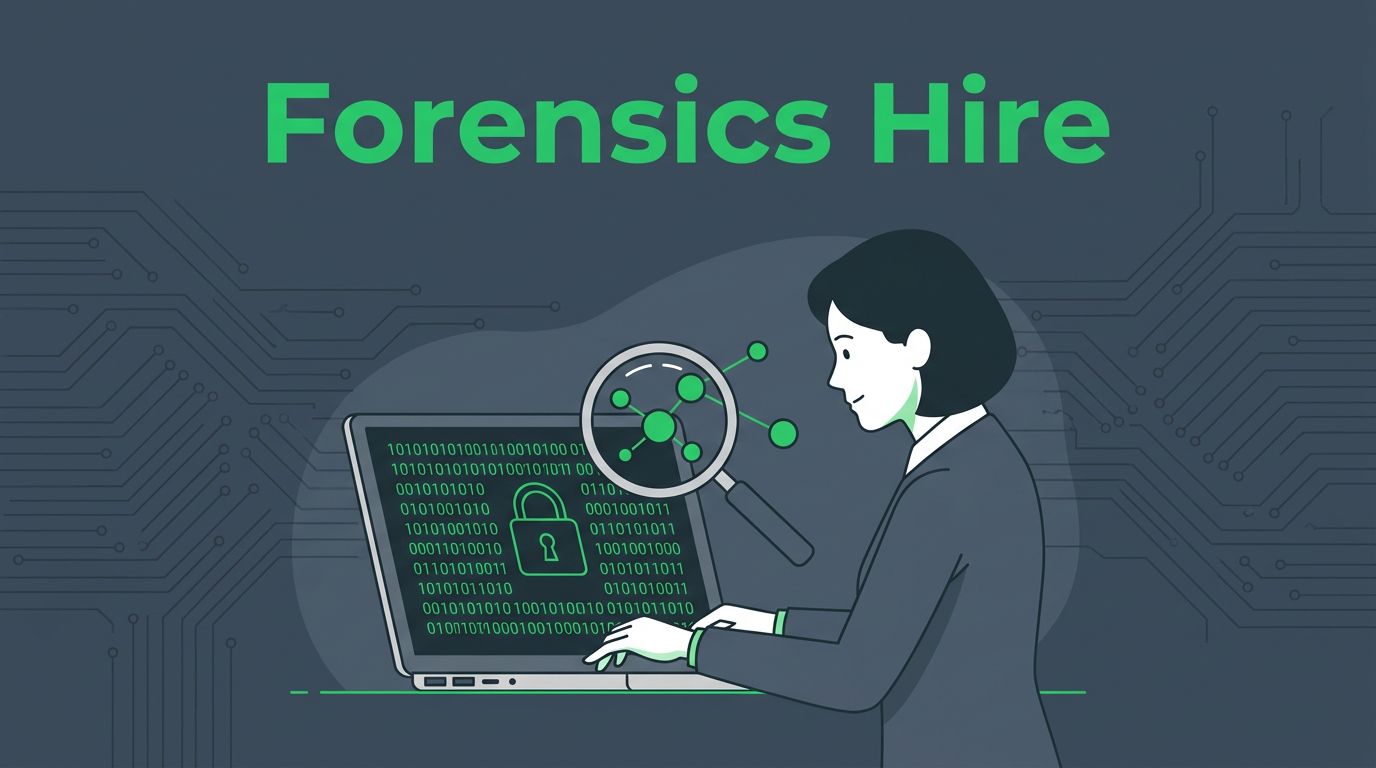
Hiring the right digital forensics investigator makes all the difference. These pros collect data without tampering, trace attacks, and build reports that hold up legally. They help you respond, recover, and prevent repeats.
This guide walks you through the process. You’ll learn what to look for, how to vet candidates, and key questions to ask. Follow these steps to pick someone who protects your interests.
Assess Your Incident and Needs
Start by knowing your situation. What happened? A ransomware attack like the one on Brightspeed in 2026 stole data from over a million customers. Or an insider threat where an employee leaked files.
Pinpoint the scope. Do you suspect fraud, a phishing scam, or external hackers? Match this to investigator skills. For cloud breaches, seek cloud forensics experience.
Preserve evidence right away. Don’t touch devices or logs. Power them off if safe. This keeps the chain of custody intact, vital for legal cases.
Coordinate with your team. Loop in IT, legal, and compliance early. If attorneys are involved, ensure attorney-client privilege covers the investigator’s work. This shields findings from discovery.
Make a quick needs list:
- Timeline: Days or weeks?
- Budget: Hourly rates run $200 to $600.
- Output: Report for board, court, or insurers?
With this clear, you avoid mismatches. Recent trends show remote collections speed things up for distributed teams.
Key Qualifications to Look For
Top investigators stand out by experience and credentials. General IT skills won’t cut it. Look for hands-on cases like yours.
Prioritize courtroom testimony. Pros who explain tech to judges build stronger cases. Check sites like Richard Suls’ expert witness profile for examples of qualified testimony in federal courts.
Certifications prove competence. Seek GIAC Certified Forensic Analyst (GCFA) from SANS Institute or Certified Forensic Computer Examiner (CFCE) from IACIS. CHFI from EC-Council covers hacking investigations.

Experience matters most. Ask for 5+ years in your incident type. They should handle mobile, cloud, and IoT evidence, as 2026 trends demand.
Tools count too. Familiarity with EnCase, FTK, or Cellebrite helps. But methodology trumps software. They must follow NIST standards for defensibility.
Reporting quality seals it. Reports need clear timelines, visuals, and non-technical summaries. Poor ones waste time in court.
Steps to Find the Right Investigator
Search smart. Use networks, LinkedIn, or firms like Bud Consulting for vetted pros.
Post a clear RFP. Detail the incident, evidence types, and deadlines. This filters fits.
Review resumes fast. Scan for relevant cases and certs first.
Interview top three. Use these questions:
- Walk us through a similar breach you handled. What tools did you use?
- How do you preserve evidence chain of custody?
- Describe your reporting process. Can you share a redacted sample?
- Have you testified? How many times, and in what courts?
- How do you coordinate with incident response teams?
Check references. Ask past clients about timelines, costs, and results.
Evaluate proposals. Compare scopes, fees, and timelines side-by-side.
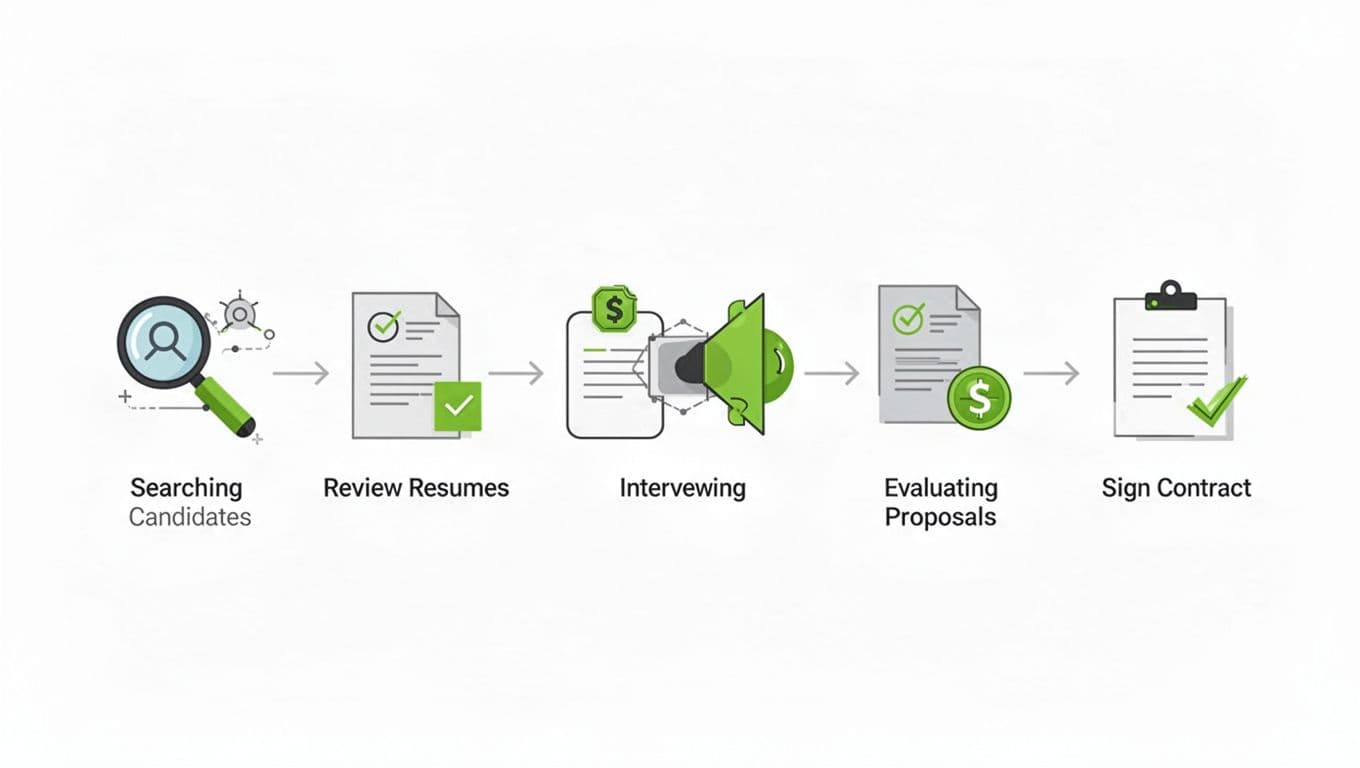
Sign a contract with NDAs and privilege clauses. Define deliverables and payment terms.
Act quick. Early hires preserve more evidence, as noted in Vestige tips on finding experts.
Vendor Evaluation Framework
Compare options with a simple framework. Score each on a 1-10 scale across categories. Weight experience highest.
Here’s a sample table:
| Criterion | Description | Weight | Notes |
|---|---|---|---|
| Experience | Cases like yours; courtroom time | 30% | Verify with samples |
| Certifications | GCFA, CHFI, CFCE | 20% | Check validity |
| Methodology | NIST-compliant; chain of custody | 20% | Ask for process |
| Reporting | Clear, visual, court-ready | 15% | Review example |
| Cost and Timeline | Value for money; realistic deadlines | 10% | Get fixed quotes |
| Availability | 24/7 response; remote tools | 5% | Confirm now |
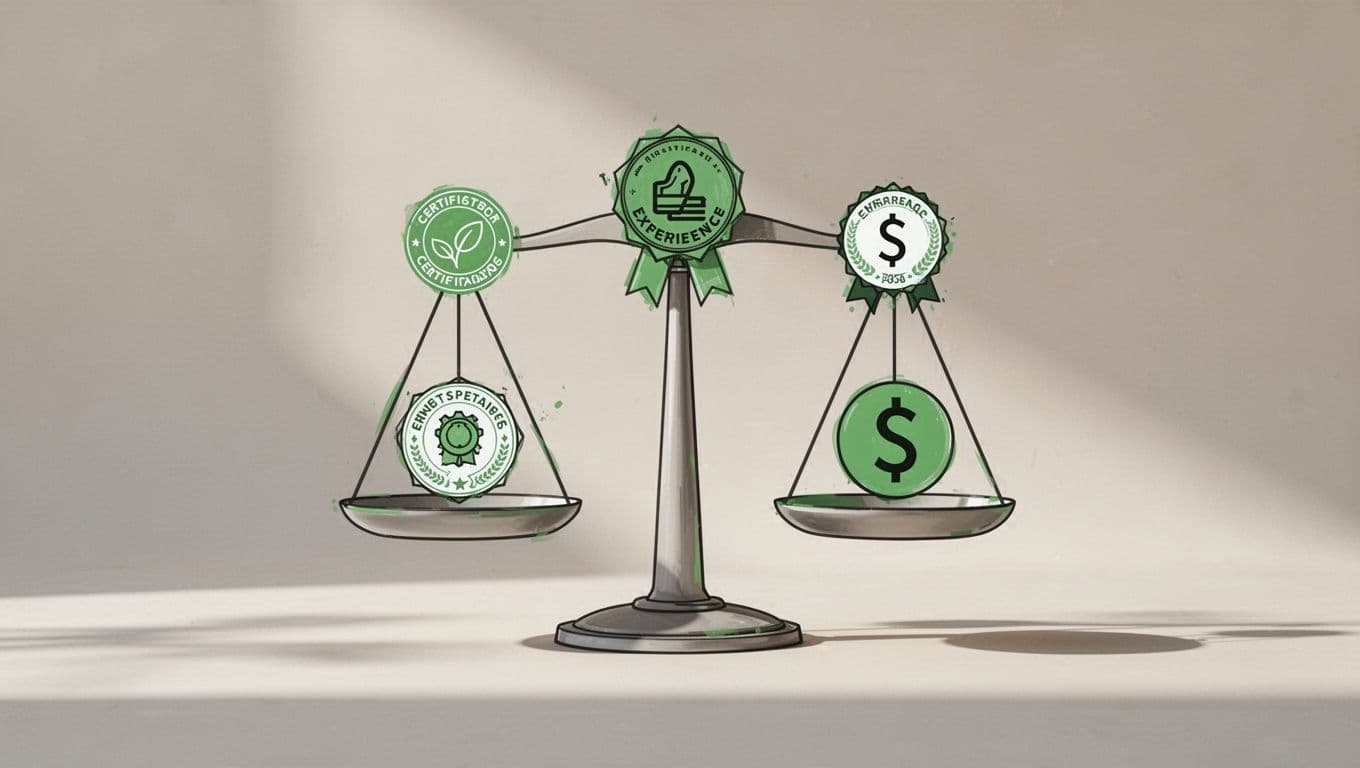
Tallies guide decisions. A high scorer from NatLawReview’s 5 keys ensures nationwide availability.
Use this checklist before signing:
- Does the proposal address your exact questions?
- Is pricing transparent, no hidden fees?
- Do they outline limitations, like encrypted data?
This framework cuts risks. It matches pros to needs without bias.
Coordinate During the Investigation
Once hired, stay involved. Share incident details without biasing findings.
Set weekly check-ins. Track progress on key questions, like attack origin.
Align with response teams. Investigators feed intel to contain damage.
Watch for red flags. Delays or vague updates signal issues. Demand status reports.
Prepare for outcomes. Good reports guide fixes, like patching flaws seen in the 2026 Stryker attack.
Avoid These Hiring Mistakes
Rushing without needs assessment leads to mismatches. Define scope first.
Skipping cert checks invites amateurs. Always verify.
Ignoring privilege risks exposure. Get legal sign-off.
Overlooking costs surprises. Get quotes upfront.
Forgoing references misses flops. Past clients reveal truths.
Recent breaches like Arup’s deepfake scam show why pros matter. Amateurs miss clues.
Conclusion
Pick a digital forensics investigator with proven quals, certs, and testimony chops. Use steps, questions, and frameworks to vet fast.
This approach safeguards evidence, speeds recovery, and strengthens cases. You’ve got the tools now.
Need vetted cybersecurity talent? Book a Discovery Call with Bud Consulting to fill gaps quickly.