table of contents
A cyber breach hits your company hard. Data leaks, systems go down, and costs pile up fast. You file a claim, but the insurer pushes back on coverage.
That’s where a cyber insurance claims specialist steps in. They fight for every dollar your policy covers. They handle policy details, coordinate responses, and negotiate payouts. This guide shows you how to find and hire one. You’ll get clear steps and tips to build your team right.
Understand the Role of a Cyber Insurance Claims Specialist
Cyber incidents cost businesses millions each year. A specialist manages the claim from start to finish. They review your policy word for word. They spot coverage gaps before they hurt you.
These pros work with your IT team, lawyers, and the insurer. They track every expense tied to the breach. Think forensics, notifications, and lost revenue. They make sure you document it all to preserve claim value.
Without one, claims drag on. Payouts shrink due to poor records or missed deadlines. Hire early, especially after a breach or during policy renewal. They turn chaos into cash recovery.
In 2026, threats grow smarter. Ransomware and supply chain attacks spike claims complexity. A good specialist knows current trends. They align your response with policy terms.
Key Qualifications to Look For
Start with education and experience. Most specialists hold a bachelor’s in risk management, business, law, or cybersecurity. A J.D. helps for tough negotiations.
Look for 4+ years in claims handling. Cyber liability or complex P&C claims count. Check roles like cyber adjuster or tech E&O specialist. For details on typical backgrounds, see this overview of cyber claims adjuster qualifications.
Certifications matter too. AIC, CPCU, or ARM show skills in coverage analysis. Membership in risk groups builds networks.
Prioritize proven results. Ask for examples of recovered claims. Did they handle first-party losses like downtime? Third-party suits from breaches?
Tech savvy is key. They use claims software and grasp NIST or ISO standards. Experience with AI tools for claims review gives an edge.

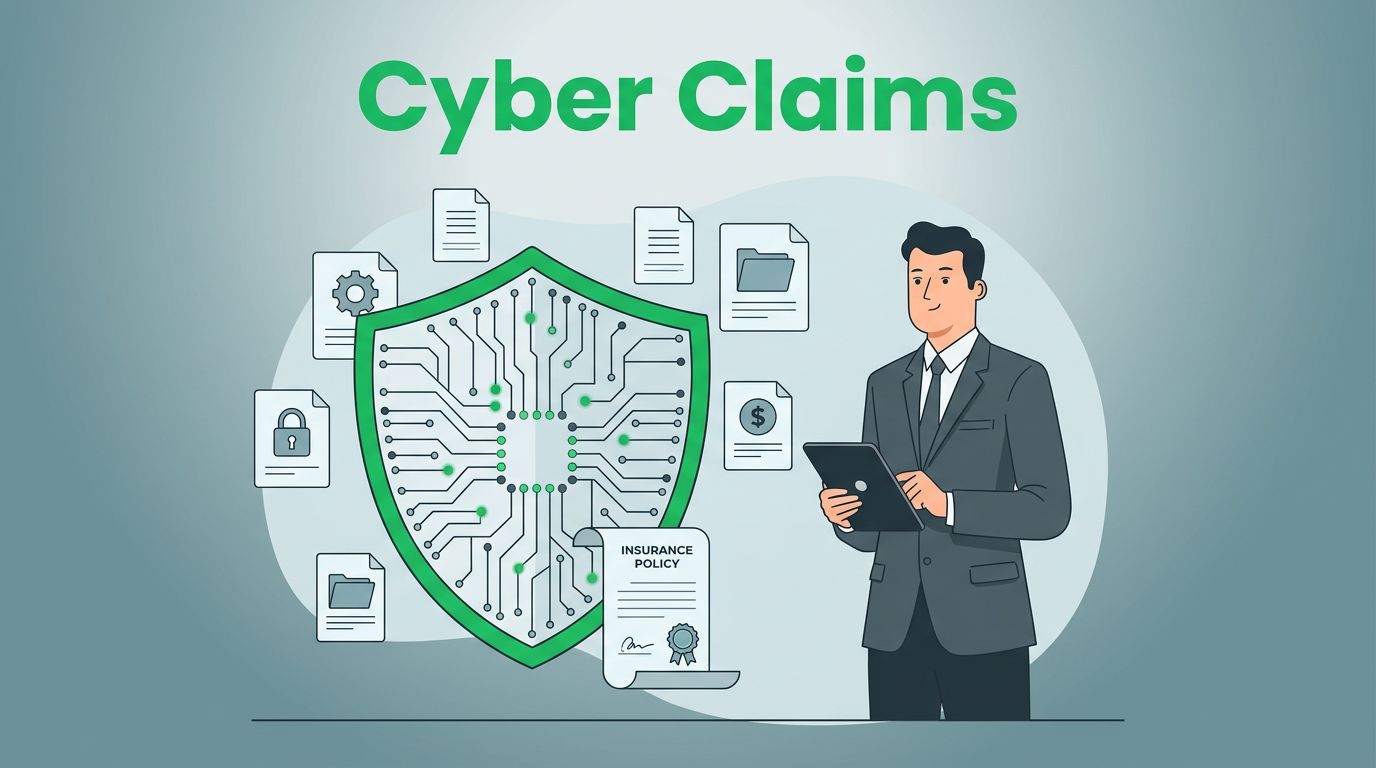
This image shows a specialist deep in policy review. Notice the focus on documents and security icons.
Essential Skills Every Specialist Must Have
Policy interpretation tops the list. They break down endorsements and exclusions. A small clause can make or break your payout.
Breach response coordination follows. They sync with forensics firms and legal counsel. Quick action cuts further damage.
Documentation skills prevent denials. Every cost needs proof: invoices, logs, timelines. They organize it for the carrier.
Negotiation seals the deal. They push back on low offers with data. Strong communication builds insurer trust.
Analytical thinking spots hidden coverages. They value intangible losses like reputation harm if policy allows.
Soft skills count. They manage stress from executives and vendors. Empathy helps during crisis mode.
The Step-by-Step Hiring Process
Define needs first. List claim types you face: ransomware, data leaks, or vendor issues. Budget for full-time or consultant.
Post the job on niche sites. Target insurance recruiters and cybersecurity boards. Highlight must-haves like cyber claims experience.
Screen resumes fast. Filter for keywords: cyber liability, claims resolution, policy analysis. Shortlist 5-10 candidates.
Conduct phone screens. Verify experience in 15 minutes. Ask about recent claims handled.
In-person or video interviews next. Use behavioral questions. Probe past successes.
Check references deeply. Talk to former colleagues and insurers. Confirm payout wins.
Offer and onboard. Set clear goals for your first claim.
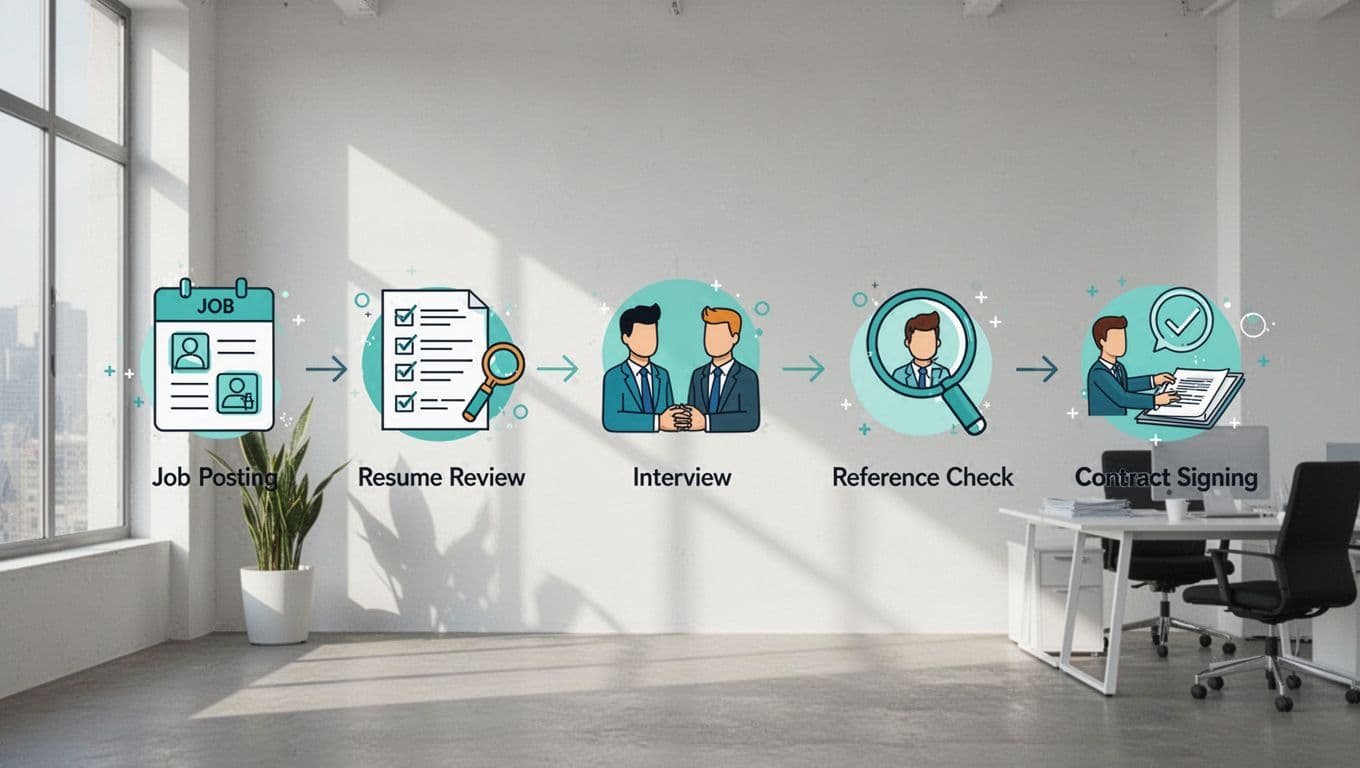
This flowchart maps the process. Follow it to stay organized.
For more on claims steps that specialists handle, review this guide to the cyber insurance claims process.
Here’s a quick checklist for your search:
- Match job post to policy risks.
- Require 4+ years cyber claims.
- Test policy knowledge early.
- Verify references with numbers.
Interview Questions That Reveal the Best Candidates
Ask targeted questions. Start with: “Walk us through a cyber claim you led. What was the outcome?”
Test policy skills: “How do you interpret a business interruption exclusion?”
Probe coordination: “Describe working with IT and legal on a breach response.”
Check documentation: “What tools do you use to track claim expenses?”
Negotiation example: “Tell me about pushing back on a carrier denial.”
Scenario: “Ransomware hits. Carrier questions forensics costs. Your steps?”
Rate answers on specifics. Vague replies mean pass.
Use a scorecard. Score technical fit, experience, and cultural match.
Common Mistakes to Avoid
Rush the hire. Pick the first warm body, and you risk weak claims handling.
Ignore red flags in resumes. Gaps in cyber experience spell trouble.
Skip deep references. Peers reveal negotiation styles.
Overlook soft skills. A poor communicator loses carrier goodwill.
Hire cheap. Low fees often mean low recoveries.
Neglect trial periods. Test them on a small claim first.

Red flags like these signal hiring pitfalls. Spot them early.
Common claim errors tie in. Late notifications or poor docs lead to denials. See these tips to avoid cyber claim denials. Your specialist prevents them.
Conclusion
Hire a cyber insurance claims specialist to protect your recovery. Focus on experience, skills, and fit. Follow the steps, dodge mistakes, and ask sharp questions.
You’ll maximize payouts and speed returns to normal. Strong hires handle policy details, coordinate teams, and negotiate wins.
This approach builds resilience. For help sourcing top talent like cloud security experts or CISOs, Book a Discovery Call with Bud Consulting. Always consult qualified legal or insurance pros for your case.