table of contents
Wire transfer fraud costs businesses billions each year. In 2025 alone, scams like business email compromise led to $2.77 billion in losses from over 21,000 complaints, according to FBI data. Finance leads face pressure to approve payments fast, but one missed detail can drain accounts.
You handle approvals and train teams on these risks. Scammers target your processes with clever tricks. This guide shows you how to spot patterns, teach red flags, and build controls that stick.
Let’s start with the most common fraud types your team needs to recognize.
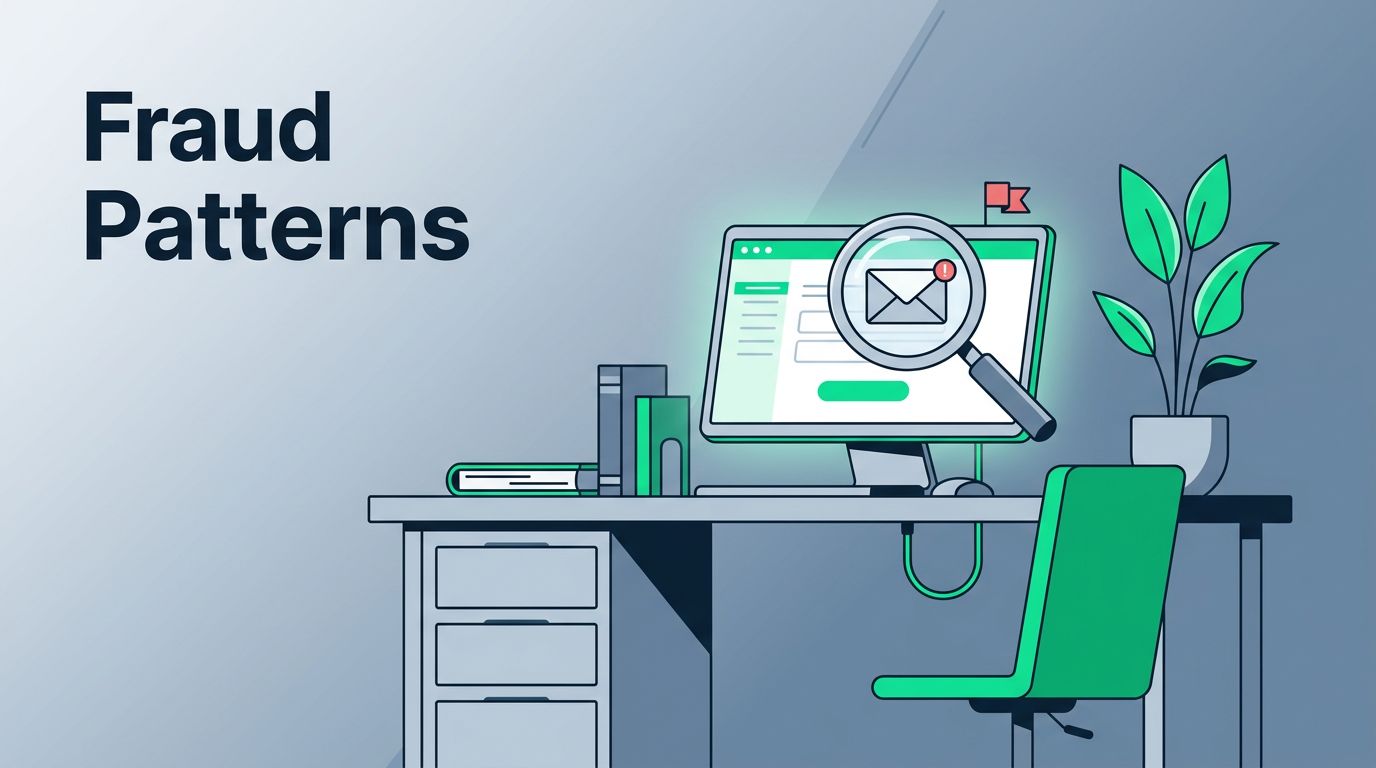
Common Wire Transfer Fraud Patterns
Scammers love wire transfers because funds move quick and reversal is tough. Business email compromise tops the list. Attackers spoof executive emails or hack accounts to request urgent wires.
Take CEO fraud. A fake boss email hits an AP clerk: “Send $50,000 to this vendor now for a confidential deal.” The clerk wires it without checking. In 2026, Microsoft spotted 10.7 million BEC attempts in Q1.
Fake vendor changes rank next. Scammers email altered bank details right before payment. They mimic real suppliers. One 2024 case hit Pepco Group for 15.5 million euros; treasury sent funds to new accounts after bogus emails.
Spoofed requests mimic trusted contacts. Urgent international payments add pressure: “Wire to this overseas account today or lose the contract.” Invoice manipulation tweaks amounts or adds ghost lines.
Account takeovers seal the deal. Hackers grab credentials, then issue wires from inside. Real estate scams surged in 2025, with median losses at $239,850 per hit, per CertifID reports.

Your team sees these daily. Train them on patterns from the FBI’s report on BEC and real estate wire fraud. Awareness cuts risks fast.
Red Flags in Wire Transfer Requests
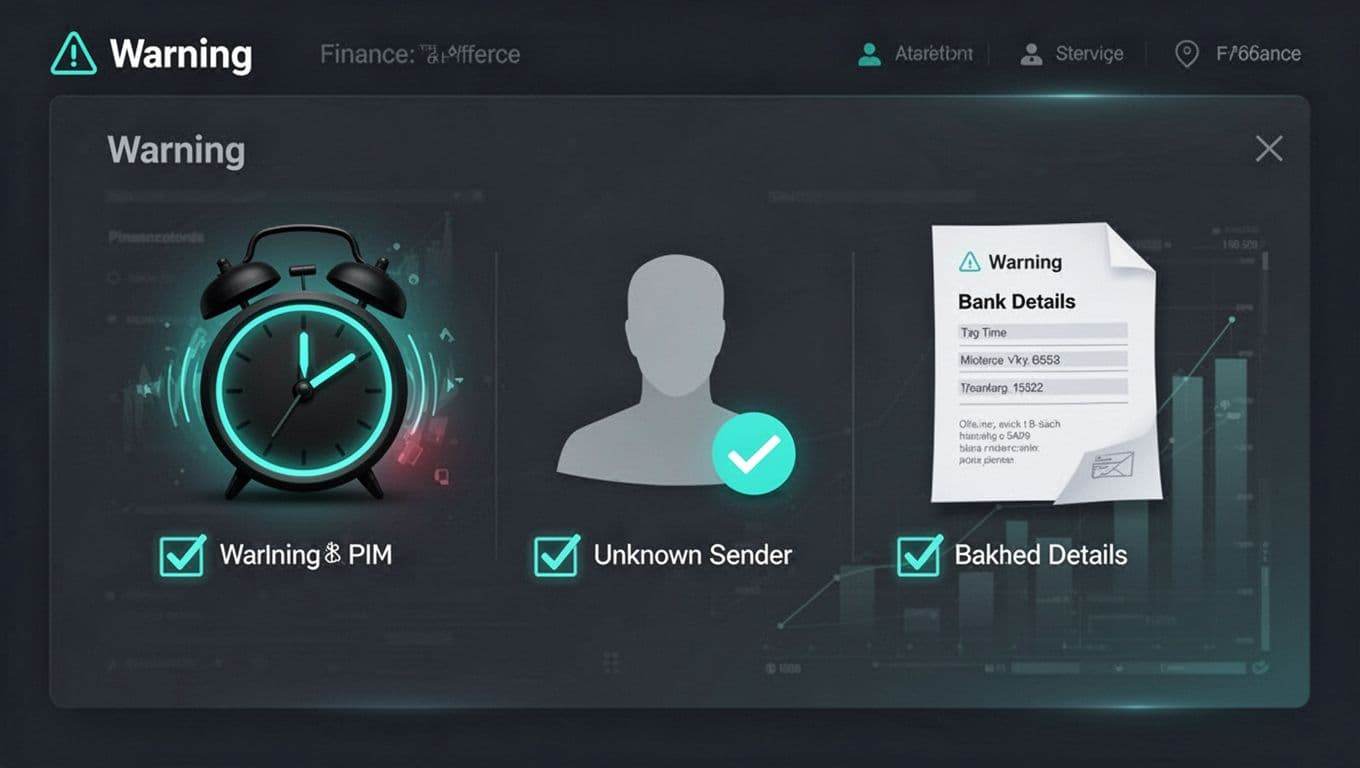
Spot patterns early with clear signs. Urgency stands out first. Scammers push “wire now” or “deal closes today.” Legit requests rarely rush like that.
Unknown or odd senders raise alarms. Check email domains close. Fraudsters use ceo@yourc0mpany.com instead of @yourcompany.com. Bank detail changes without prior notice scream trouble.
Last-minute switches hurt most. A vendor email says “update our routing number” days before due date. Always verify outside the thread.
High-value or international wires without history flag issues. Mismatched invoices, like amounts off by a digit, point to manipulation.
Inconsistent details matter too. Typos in emails or wiring instructions don’t match records. Multiple small wires to test waters often precede big hits.
Use FinCEN’s advisory on email compromise schemes for more examples. Teach your team these flags in quick drills. They pause approvals and save money.
Real-World Scenarios to Train On
Examples drive home lessons. Walk teams through cases they might face.
Scenario one: Executive spoof. CFO’s “email” asks treasury to wire $100,000 for a merger deposit. Domain looks off. Train clerks to call the real CFO’s cell from contacts, not the email.
Scenario two: Vendor switch. Supplier emails new bank info mid-month. Invoice matches, but sender’s IP traces abroad. Always phone the known vendor number. Don’t reply to the email.
Scenario three: Urgent international. Fake lawyer claims escrow needs $250,000 today. Pressure builds with “court deadline.” Dual approval stops it; one person verifies docs independently.
Scenario four: Invoice tweak. Bill jumps 10% with “updated rates.” Subtle change fools rushed eyes. Cross-check against purchase orders.
Account takeover hits hard. Employee clicks phishing link; scammer logs in and wires out. Spot login alerts or odd activity.
In 2024, Arup lost $25 million to deepfake CFO video calls after email setup. Replay these in sessions. Role-play responses.
Discuss outcomes. What went wrong? How to fix? Teams retain more from stories than lists. Pull details from Interpol’s BEC fraud page. Real cases build caution without panic.
Building Your Wire Fraud Training Program
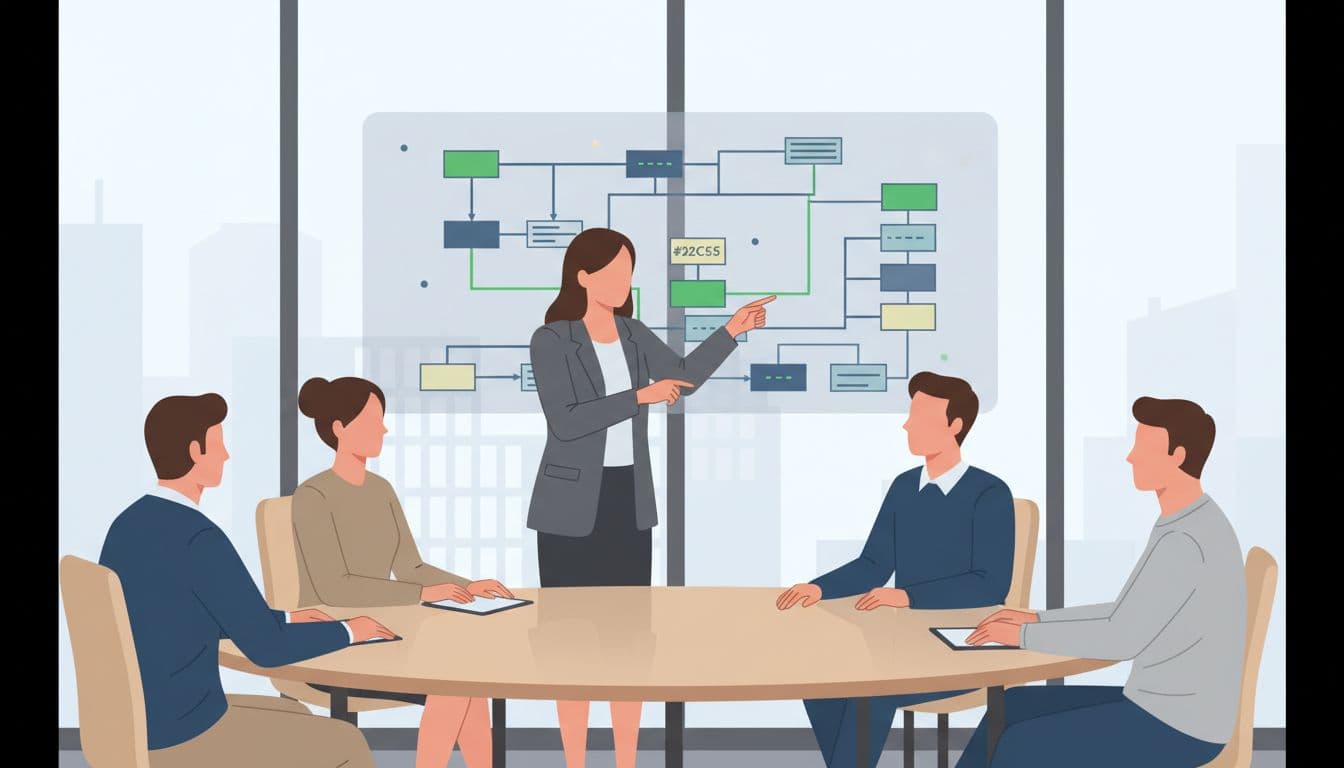
Start training with short, regular sessions. Meet monthly for 30 minutes. Cover one pattern per go, like BEC this week.
Mix formats. Use videos from FBI or CISA. Role-plays work best; act out spoofed requests.
Tailor to roles. AP learns vendor checks; treasury handles exec wires. Quiz them quarterly.
Track progress. Test with fake phishing emails. Tools like KnowBe4 simulate attacks.
Make it hands-on. Groups discuss recent news, like 2026 AI deepfakes in BEC.
Follow Truist’s guide to wire fraud defense. It stresses social engineering drills.
Build culture. Praise spots of fakes. If gaps persist in your security setup, book a discovery call with Bud Consulting for culture-focused strategies.
Verification and Approval Best Practices
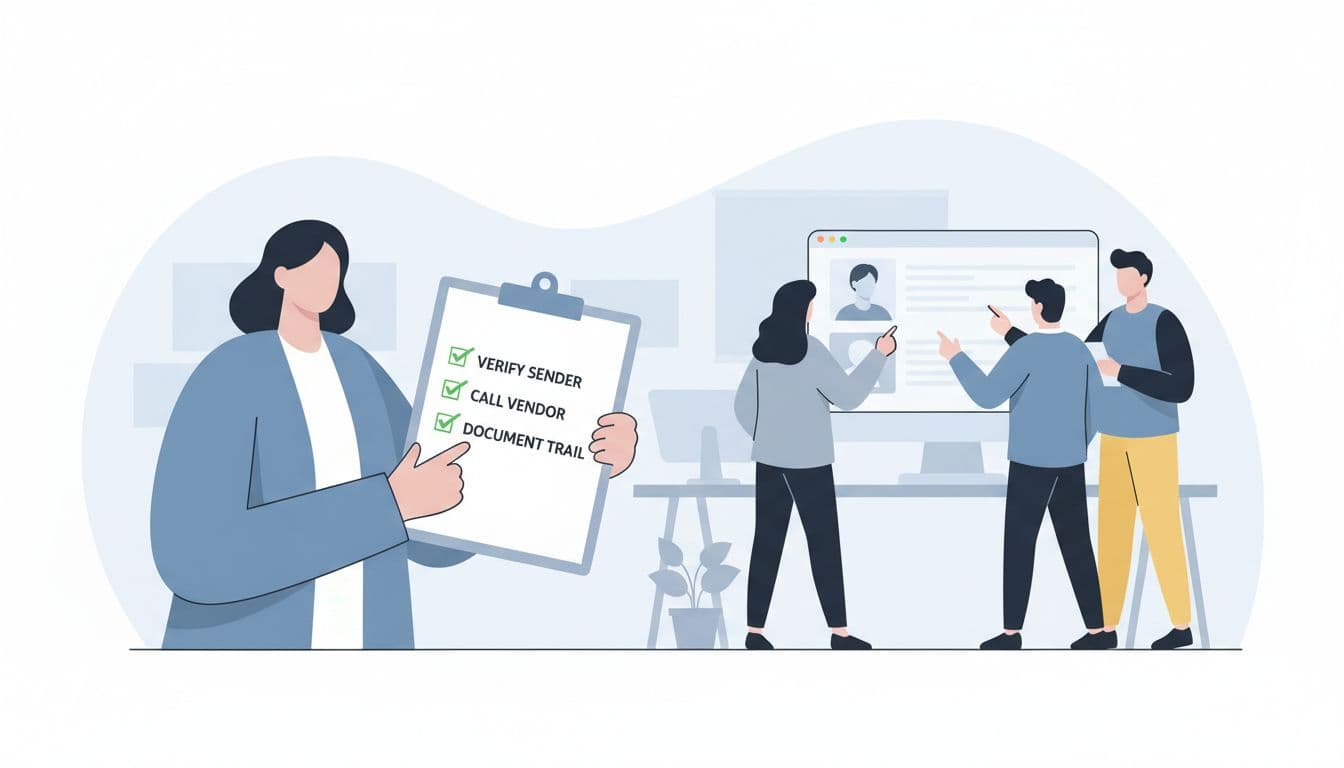
Verification stops most fraud. Always call back on known numbers. Never use details from the request.
Require dual approval for wires over $10,000. Two people check independently; one originates, another signs off.
Segregate duties. Vendor setup person can’t approve payments same day.
Use bank whitelists for trusted accounts. New payees trigger extra steps.
Document everything. Log calls, emails, and reasons for approval.

First Business Bank outlines best practices for prevention. Callback alone catches 80% of fakes.
Audit trails help compliance. Review monthly for patterns.
Daily Checklists for Wire Approvals
Checklists keep teams sharp. Print one for desks or pin digitally.
Here’s a simple one:
| Step | Action | Checked? |
|---|---|---|
| 1 | Sender domain matches known contacts? | [] |
| 2 | Urgent language or last-minute change? | [] |
| 3 | Call known number to confirm details? | [] |
| 4 | Dual approval complete? | [] |
| 5 | Matches PO and history? | [] |
| 6 | Log all steps? | [] |
Post it near terminals. Review before every wire.
Train on use. One firm cut incidents 70% after checklists.
Adapt from CISA’s BEC alert. It mandates dual checks.
Escalation and Response Protocols
What if red flags appear? Escalate fast.
Designate a fraud lead. Route suspects there first.
Freeze related payments. Notify bank within hours.
Report to FBI IC3 or local law. Gather emails, logs.
Post-incident, debrief team. Update training.
In 2025, quick reports helped recover 69% of real estate wires, per CertifID.
Test protocols yearly. Tabletop exercises simulate hacks.
Strong steps build confidence. Teams act sure when paths are clear.
Conclusion
Wire transfer fraud patterns like BEC and vendor switches hit hard, but training changes that. Your checklists, verifications, and drills equip teams to pause and check.
Focus on callbacks and dual approvals; they block most scams. Start one session this week.
Strong controls protect funds and build trust. Your leadership makes the difference.