table of contents
Cyber threats hit harder than ever. Attackers blend AI-driven phishing with supply chain exploits, and your SOC drowns in alerts. You need someone who connects the dots fast.
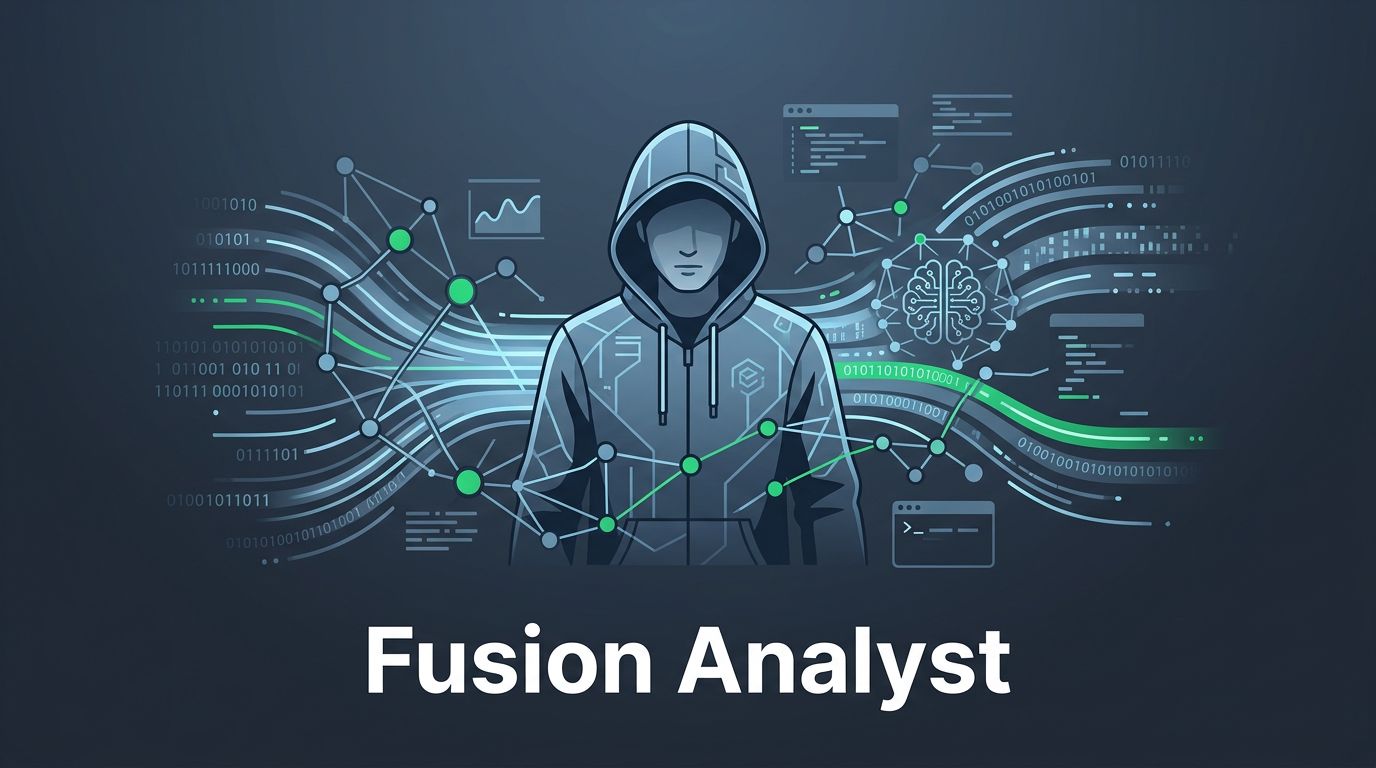
A cyber threat fusion analyst turns raw data into actionable defense. They spot patterns across threat intel, logs, and operations before breaches spread. Yet hiring one feels tough amid talent shortages.
This guide walks you through the process. You’ll learn the role’s demands, must-have skills, and smart hiring steps. Follow it to build a stronger team.
What a Cyber Threat Fusion Analyst Does
Fusion analysts sit at the heart of modern SecOps. They pull together cyber alerts, physical security logs, and business data to predict and block attacks. No more isolated intel; they create a single view of risks.
Daily work starts with triaging SIEM feeds. They correlate events from endpoints, cloud logs, and external threat sources. For example, a suspicious login might link to a vendor breach report. Analysts fuse it with network flows to confirm intent.
They also craft reports for leaders. These highlight TTPs from groups like nation-states or ransomware crews. Tools like MITRE ATT&CK guide their breakdowns. Then they hand off to incident response or detection engineers.
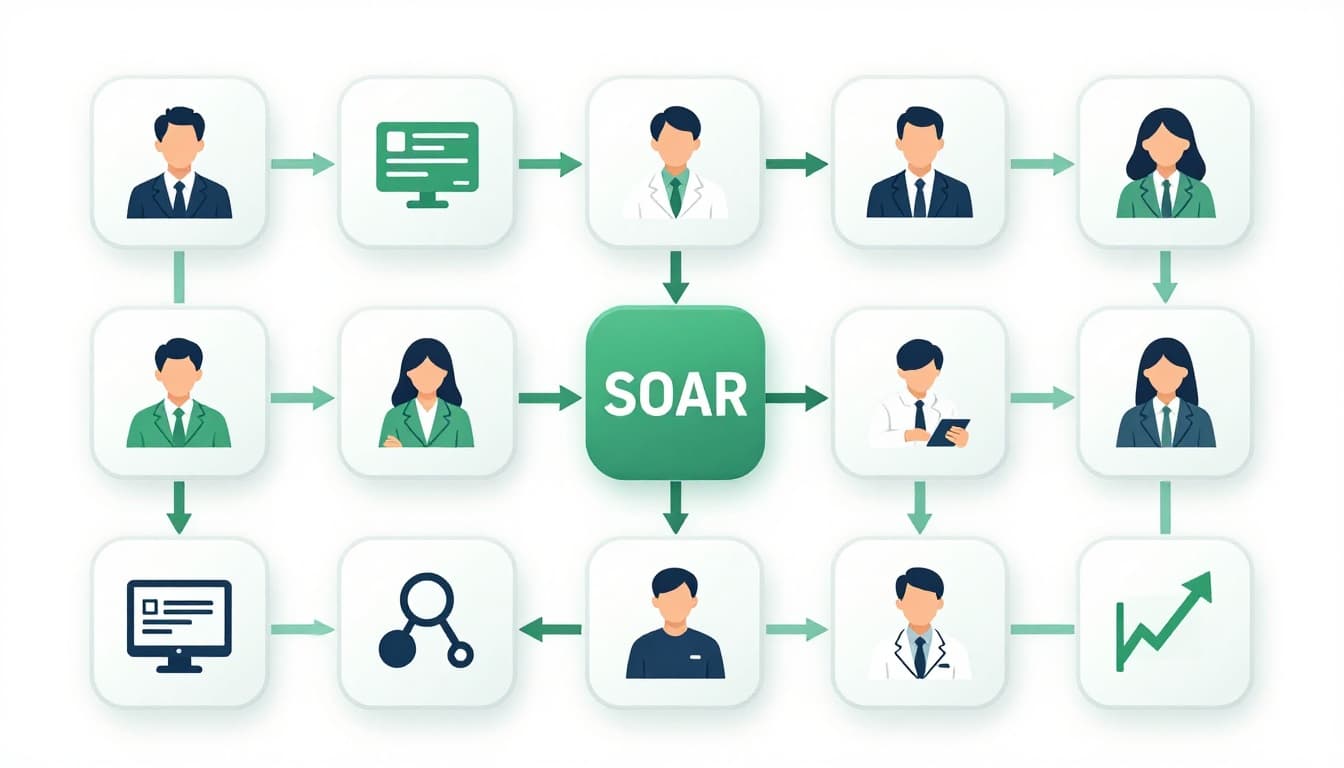
In 2026, convergence rules. Threats cross cyber and physical lines, such as stolen creds leading to site intrusions. Fusion pros track identity risks in multi-cloud setups. They automate hunts with SOAR playbooks to cut response times.
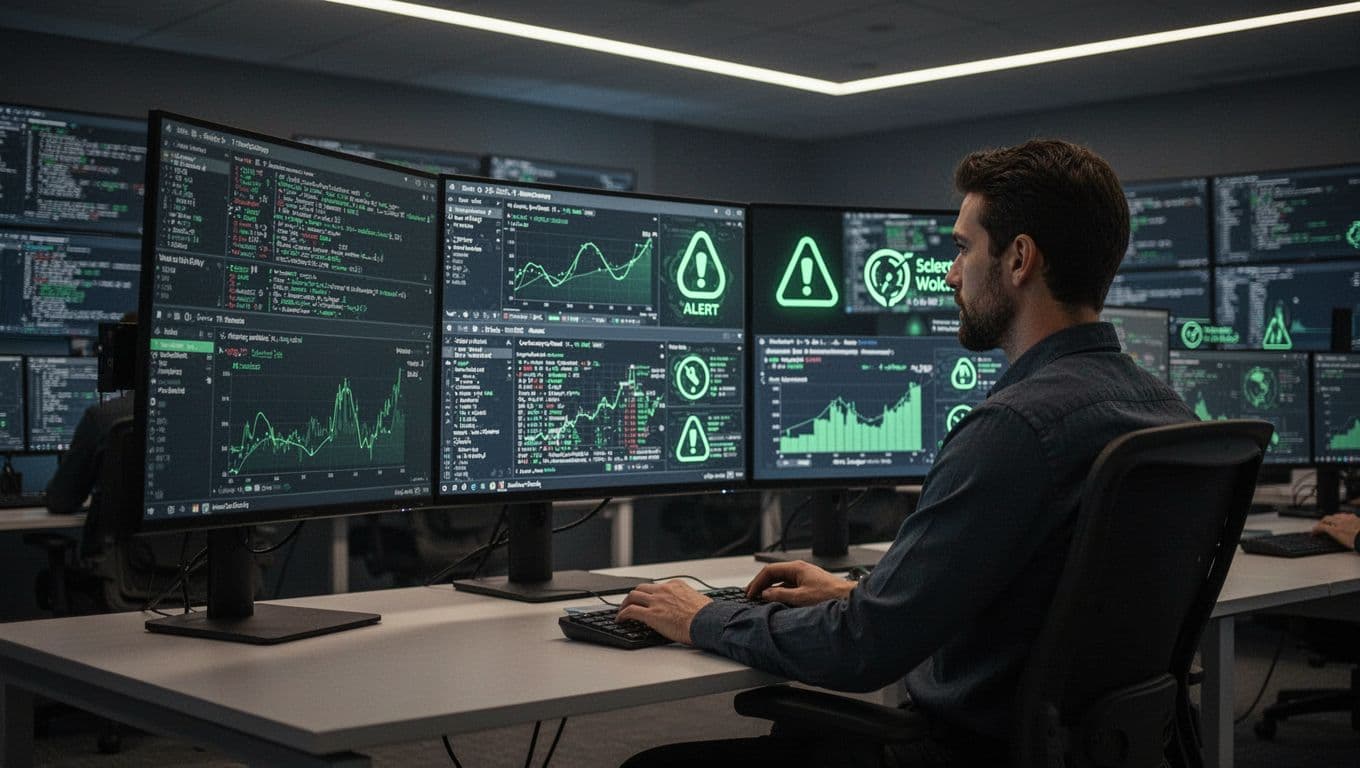
Expect them to brief stakeholders weekly. They translate tech details into business impacts, like potential revenue loss from downtime. Collaboration with red teams sharpens their edge; simulations test real defenses.
This role fits SOCs with high alert volumes. Teams see 11,000 daily pings, but only 19% matter. Fusion cuts noise and burnout.
Signs Your Organization Needs This Role
Scale matters. Small teams handle basics with tools alone. But as threats grow, silos fail. You need fusion if alerts overwhelm Tier 1 analysts or breaches slip through.
Look at your setup. Hybrid clouds mean scattered logs. AI attacks evade old rules. Supply chain hits, like tainted updates, demand cross-data views. If investigations take days, hire now.
Market data backs this. CyberSeek shows 74% of U.S. roles filled, with fusion spots lagging. Demand jumps 20-30% from 2025, per EC-Council trends. Pay hits $120K-$180K in hubs.
Remote SecOps adds pressure. Time zones slow handoffs. Fusion analysts bridge gaps with shared platforms.
GAO reports highlight federal shortages. Private firms face the same; regs push skills over headcount. SANS 2026 workforce study notes AI shifts roles toward fusion experts.
Test readiness. Run a mock hunt. If your team misses links between identity fraud and ops disruptions, fill the gap. Early hires prevent costly misses.
Key Skills to Prioritize
Focus on proven abilities. Essential skills drive fusion; nice-to-haves polish them.
Threat intelligence tops the list. Candidates must source from feeds like AlienVault OTX. They map TTPs to ATT&CK. Look for experience producing reports that guide detections.
SIEM mastery follows. Splunk or Elastic skills let them query logs fast. They build dashboards for patterns. SOAR integration automates triage; expect playbook tweaks under pressure.
Incident response experience counts. They join hunts, document chains of evidence. Detection engineering collab means turning intel into rules.
Communication seals it. Briefs must reach CISOs without jargon. Cross-functional ties link SOC to devs and ops.
Nice-to-haves include AI/ML for predictions and cloud natives like AWS GuardDuty. Zero trust knowledge helps identity focus.
Screen for these via projects. A Verizon job lists SIEM correlation as core. Ally’s role stresses actionable products.
Remote hires need async tools proficiency. Shortages mean train juniors on edges.
Crafting a Standout Job Description
Bad JDs chase unicorns. Yours should attract fits.
Start with outcomes. “Reduce alert noise 50% via fusion” beats vague lists. Name tools: SIEM (Splunk/QRadar), SOAR (Phantom), intel platforms (MISP/ThreatConnect).
Detail duties. Include fusing cyber-physical data, TTP hunts, and exec briefs. Mention 2026 musts like AI threats and cloud.
List essentials: 3+ years intel/SOC, ATT&CK fluency, SIEM queries. Nice: scripting (Python), certs (GCTI).
Address remote. Note async collab and tools like Slack/Jira.
Keep it 400 words max. End with culture fit: curiosity drives them.
Insight Global postings highlight briefing leaders. Tailor to your stack.
Post on Dice, LinkedIn, ClearancesJobs. Budget for recruiters; shortages demand it.
Screening Resumes and First Contacts
Resumes pile up. Scan for signals fast.
Check experience first. Seek SOC/threat roles with fusion keywords: SIEM correlation, intel enrichment, SOAR hunts. Ignore cert-stuffed pages without projects.
Quantify impacts. “Cut MTTR 40%” trumps “worked on alerts.” Verify tools match yours.
Filter soft skills via verbs: “Briefed C-suite,” “Partnered with IR.”
Top 10% get calls. Ask: “Describe a fused hunt.” Probe market fit.
Use ATS wisely. Add variations like “threat fusion analyst.”
Remote tip: Flag global experience. Time zone questions weed mismatches.
Structuring Effective Interviews
Interviews test real chops. Mix formats for depth.
Phone screen (15 mins): Confirm basics. “Walk me through SIEM triage.” Gauge enthusiasm.
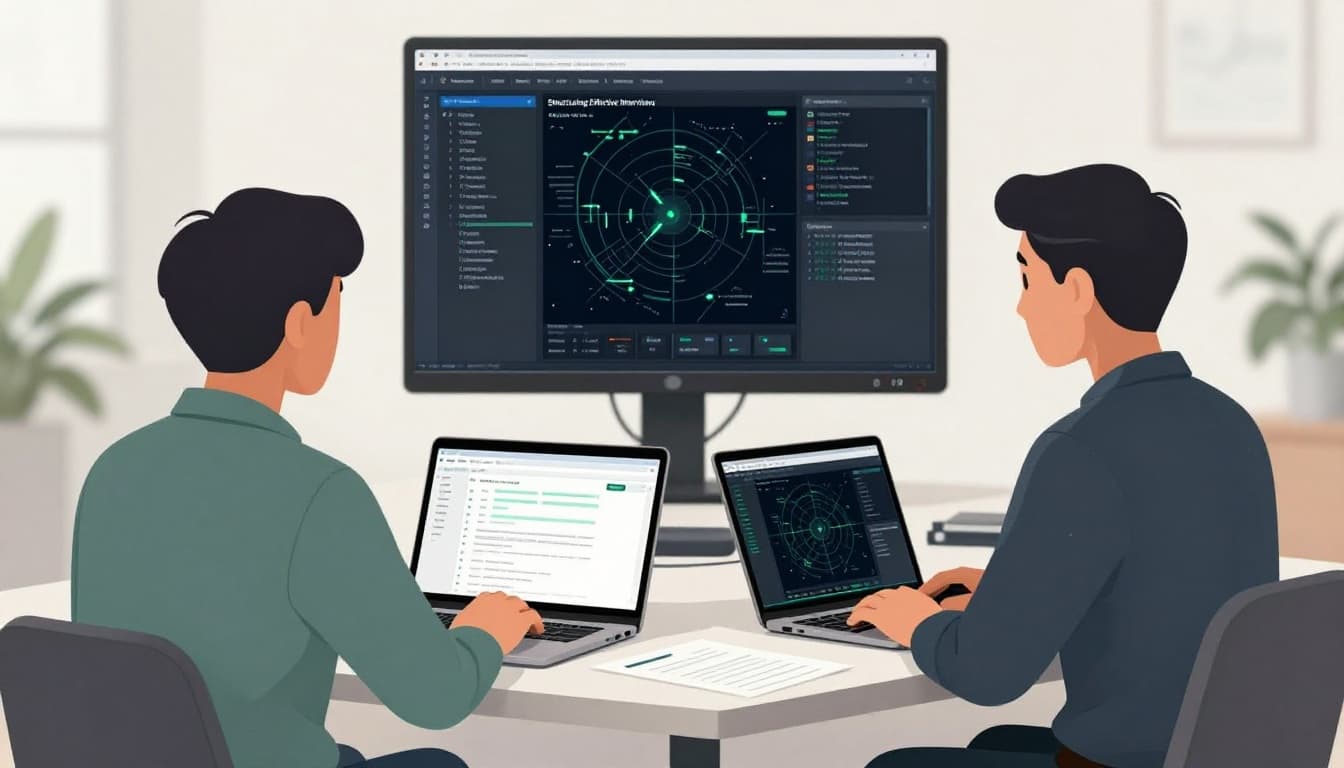
Technical panel (60 mins): Live scenario. Feed logs; have them fuse with intel. Use HiredPrep’s CTI questions like “Integrate ATT&CK with SOAR.”
Behavioral (45 mins): STAR method on collabs. “How’d you brief non-tech leads?”
Take-home (4 hours): Mock report from sample data. Limit scope.
Remote: Use shared screens, record for panels. Assess async via follow-ups.
TealHQ suggests SIEM-SOAR demos.
Assessing Technical Depth and Soft Skills
Tech shines in demos. Watch queries on sample SIEM data. Do they spot evasion? Test SOAR logic.
Collab shows in stories. Did they align IR and devs? Communication: Clear mocks win.
Soft skills counter fatigue. Ask about high-volume days.
Blend checks. A strong techie with poor briefs fails. Balance 60/40 tech/soft.
BeyondSOF roles stress custom signatures.
Offer trials for borderline fits. Track 90-day metrics.
Final Thoughts
Hiring a cyber threat fusion analyst strengthens your defenses amid 2026’s AI threats and shortages. Prioritize fusion skills, clear JDs, and scenario tests to find winners.
Teams with these pros cut risks and burnout. Act on market gaps now.
Need specialized help? Book a Discovery Call with Bud Consulting to close your skills gap fast.