table of contents
Litigation teams face rising stakes with digital evidence. A single breach in handling emails or cloud files can lead to sanctions or lost cases. You need secure e-discovery training that builds real skills for your staff.
In-house counsel and law firm leaders spend hours on data reviews. Yet poor security practices expose sensitive info. This guide shares practical steps to train your team effectively.
Follow these methods to create defensible processes. Start with the core stages.
Core Stages of the E-Discovery Lifecycle
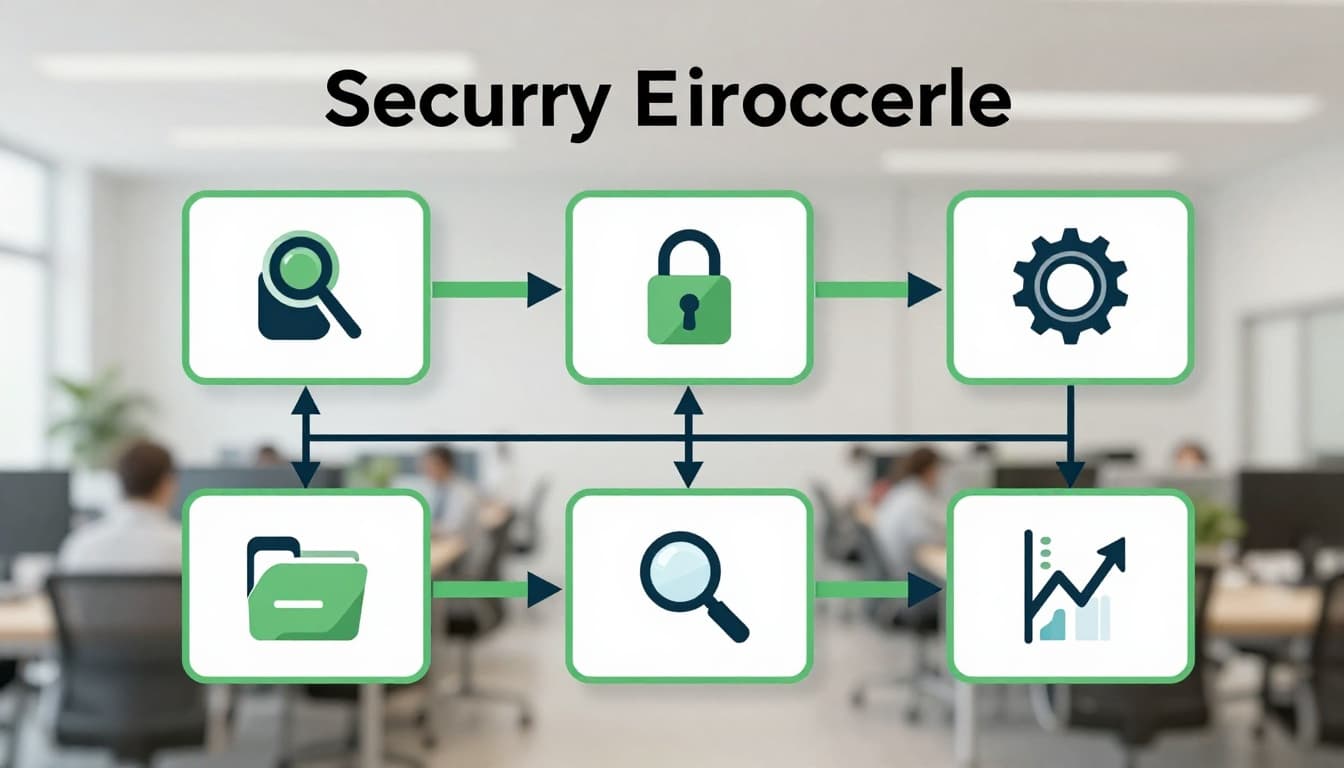
E-discovery follows seven key stages. Each demands security focus to protect data. Teams must train on these to avoid risks.
Identification comes first. Spot relevant sources like emails, Slack chats, or AI outputs. Train staff to map custodians early. Use keyword searches but add date ranges for precision.
Preservation follows. Issue legal holds right away. Courts expect quick action, as 2025 cases show. Teach your team to notify custodians and suspend deletions.
Collection gathers data safely. Pull files from servers or mobiles without alteration. Use write-blockers for devices.
Processing prepares files. De-dupe and index them. Security here means encryption from the start.
Review sorts privileged items. Use tech-assisted review (TAR) with human checks.
Production shares files. Apply redactions at the data level.
Presentation uses visuals in court. Keep originals intact.
This flow keeps processes defensible. Here’s a visual of the stages:
For details on advanced protocols, check NexLaw’s guide to securing digital discovery. It covers 2026 ethics opinions on assessments and insurance.
Building Effective Training Programs
Start training with clear goals. Target associates, paralegals, and IT staff. Make sessions hands-on.
Schedule quarterly workshops. Use real case examples. Role-play a breach response. This builds muscle memory.
Mix formats for better retention. Online modules work for basics. In-person drills handle complex scenarios.
Assess knowledge upfront. Quiz on rules like FRCP 26(f). Track progress with certifications.
Tailor content to roles. Counsel learn privilege reviews. Support staff focus on collection tools.
Involve vendors for demos. They show platform security features.
Here’s a sample agenda for a half-day session:
- 30 minutes: Lifecycle overview
- 60 minutes: Hands-on preservation exercise
- 45 minutes: Review and production pitfalls
- 30 minutes: Q&A and quiz
Encourage questions. What if a custodian uses personal AI tools? Discuss mapping those sources.
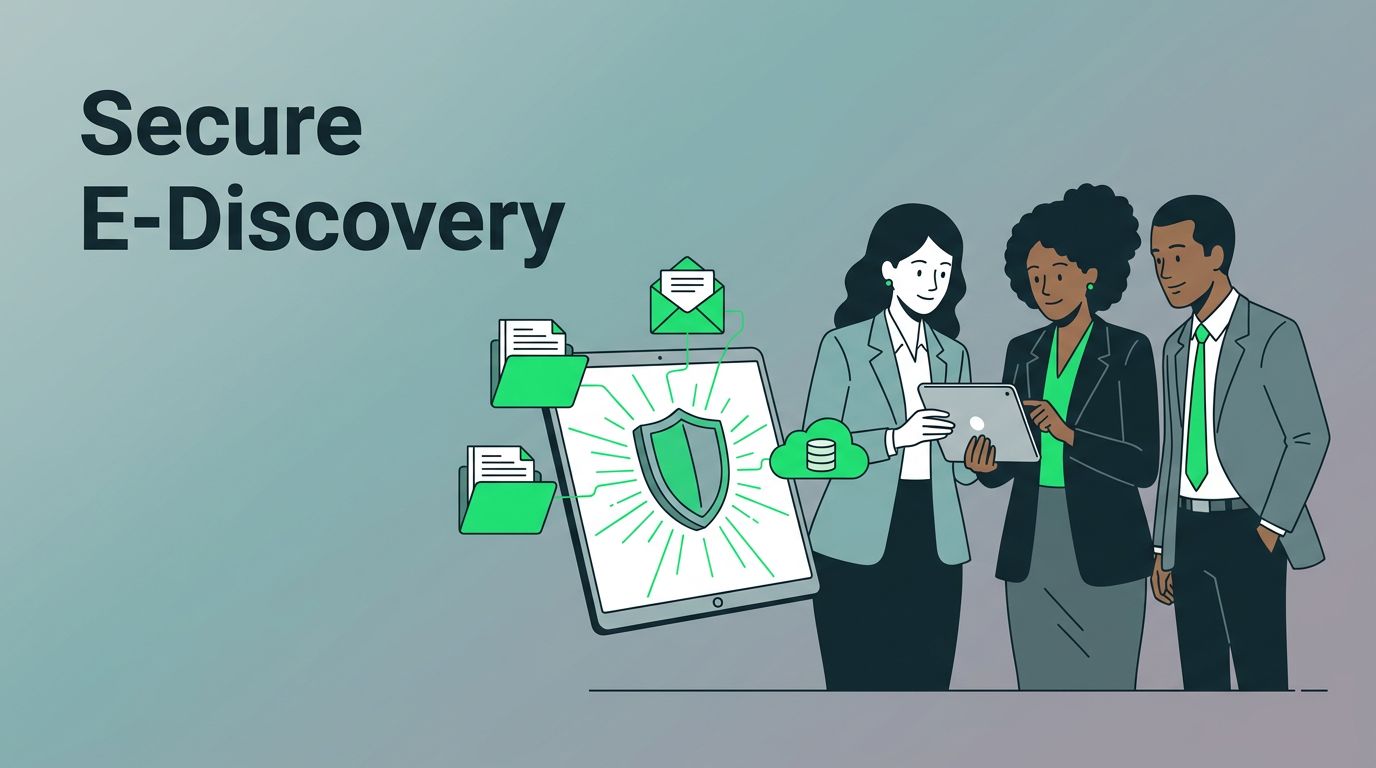
Visualize team sessions like this:

Bud Consulting helps firms build these programs. Book a Discovery Call with Bud Consulting to assess your gaps.
Essential Tools for Secure Processes
Choose platforms with built-in security. Look for end-to-end encryption and role-based access.
Top features include AES-256 encryption at rest and in transit. Audit logs track every action.
TAR 2.0 speeds reviews. It learns from human input. Always validate with samples.
Cloud options scale for big data. Check data residency for compliance.
Compare key tools:
| Feature | Requirement | Why It Matters |
|---|---|---|
| Encryption | AES-256 | Blocks intercepts |
| Access Control | Role-based | Limits exposure |
| Audit Trails | Immutable | Proves chain of custody |
| Scalability | Elastic | Handles spikes |
This table shows must-haves. Security is a baseline, not extra.
See the 2026 eDiscovery Buyer’s Guide from RevealData for ROI tips.
Platforms like these display dashboards securely:
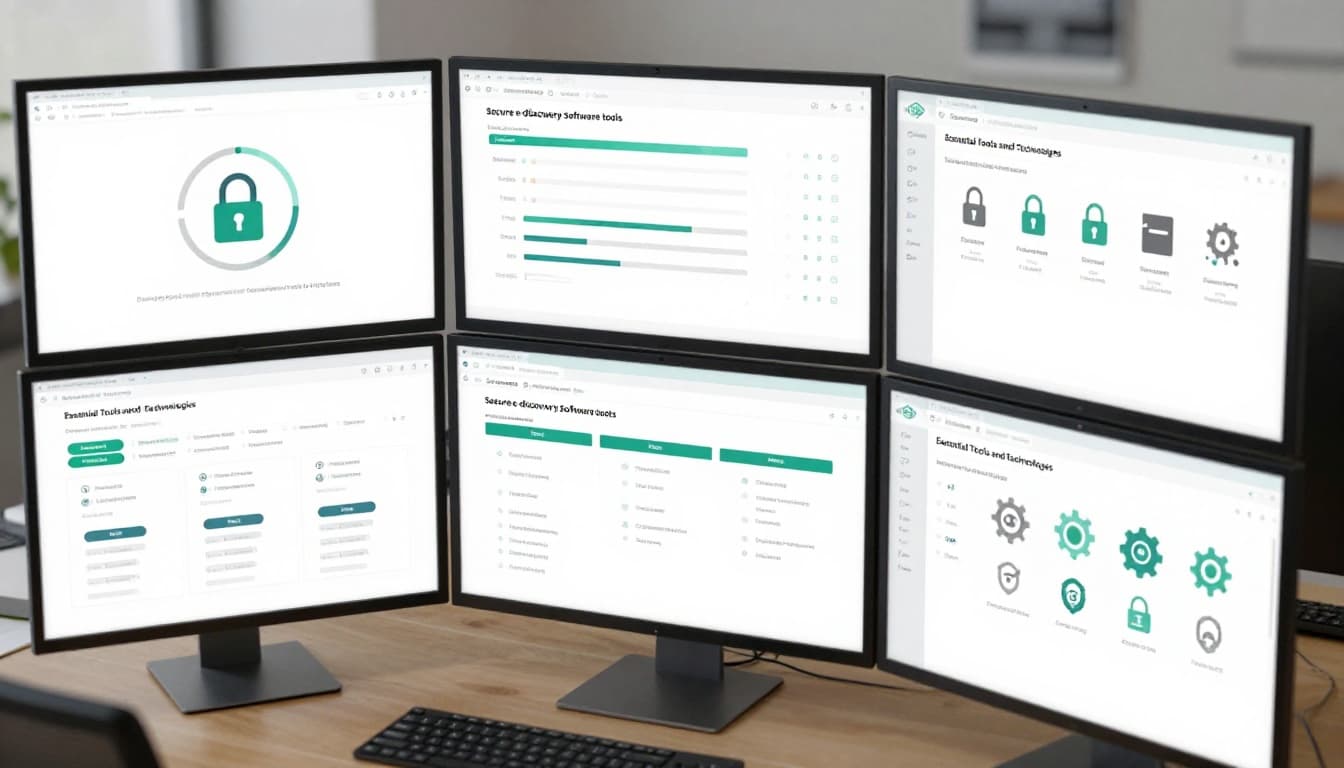
Train teams on one platform. Rotate quarterly to stay sharp.
Secure Practices for Identification and Preservation
Begin with identification. List all sources: email, cloud drives, mobiles, AI chats.
Map custodians. Ask about tools like ChatGPT. Preserve AI outputs if relevant, per HaystackID’s 2026 guidance.
Issue holds fast. Email templates work. Confirm receipt.
Use auto-preservation in platforms. It suspends deletes automatically.
Document everything. Logs show compliance.
For preservation, encrypt copies immediately. Store in secure repos.
Train on over-preservation risks. Courts want proportionality. Narrow holds after meet-and-confers.
Example: In a contract dispute, identify Teams chats. Preserve only post-dispute ones.
These steps cut spoliation claims.
Safe Collection and Processing Methods
Collect with forensically sound tools. Agents copy data without changes.
Hash files pre- and post-collection. Matches prove integrity.
For mobiles, use validated imagers. Avoid live pulls.
Process in isolated environments. De-dupe reduces volume securely.
Handle encrypted ESI carefully. Get keys upfront, as Logikcull outlines.
Decrypt only for review. Re-encrypt after.
Train on chain of custody forms. Sign off at each handoff.
Example: Collecting from a laptop. Image the drive, hash it, log the process.
This keeps evidence admissible.
Defensible Review and Production
Review starts with culling. Use predictive coding. Humans check samples.
Flag privileges early. Train on work-product doctrine.
AI helps summarize. Verify outputs, as Everlaw advises.
Redact at data layer. Flatten to prevent removal, per DecoverAI’s guide.
Production needs QC. Check Bates, metadata, load files.
Validate with checklists:
- Sequential numbering
- No gaps
- Redactions intact
- Privilege log matches
Share via secure links. Set expirations.
For cloud docs, use Chaindoc’s controls like immutable trails.
These practices meet CCPA and Rule 34 tweaks.
Common Pitfalls and How to Avoid Them
Breaches happen from weak access. Grant least privilege only.
Don’t skip validation. Checksums catch alterations.
Visual redactions fail. Use data-layer ones.
Overlook new data like IoT. Train on emerging types.
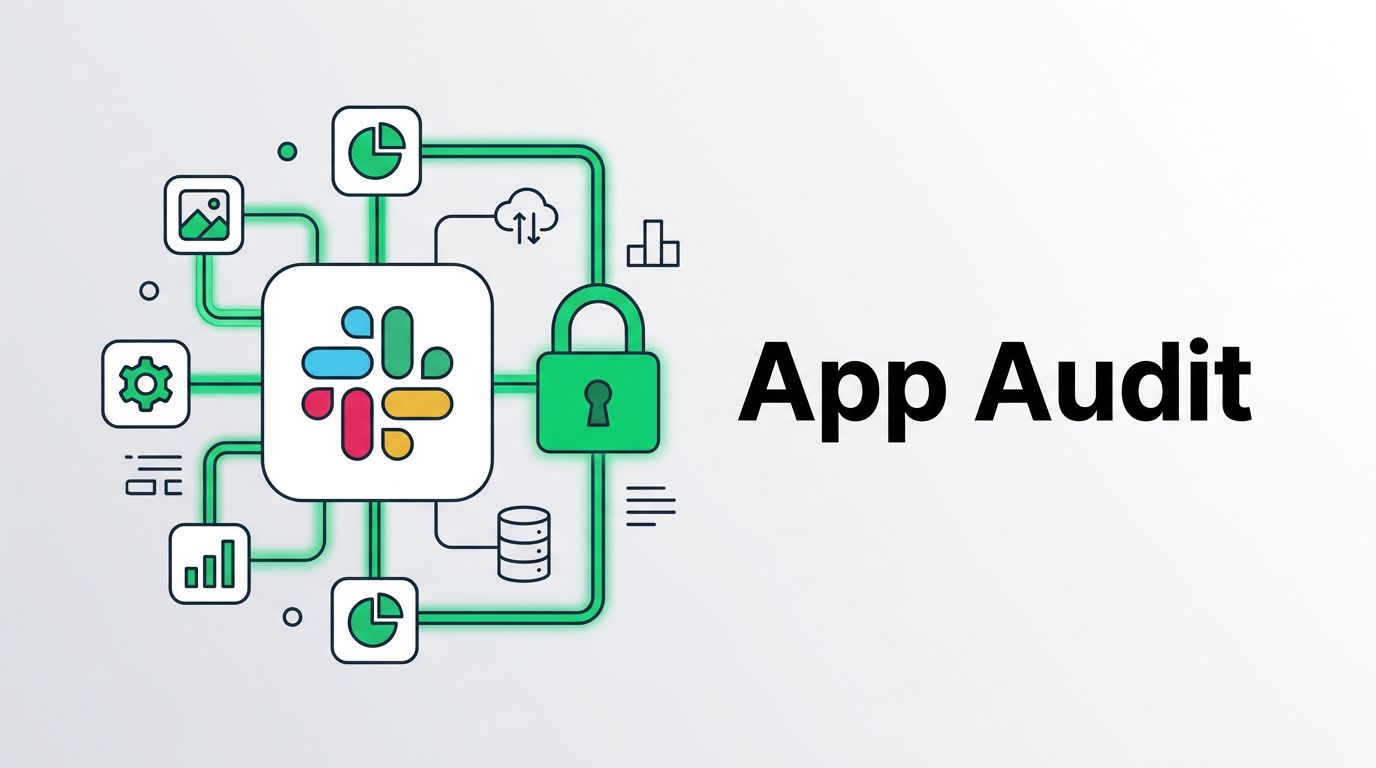
Shadow IT causes leaks. Audit tools yearly.
Ignoring AI privilege waives protection. Map and segregate.
Visualize risks:
Fix with audits. Test quarterly.
Measuring Success and Ongoing Training
Track metrics like error rates. Zero tolerance for breaches.
Survey staff post-training. Aim for 90% pass rates.
Run tabletop exercises. Simulate hacks.
Certify annually. Align with ABA Opinion 2026-03.
Update for regs like CCPA fines.
Annual refreshers keep skills sharp.
Conclusion
Secure e-discovery training protects your cases and clients. Focus on lifecycle stages, tools, and pitfalls for defensible work.
Teams trained this way spot risks early. They produce clean evidence.
Start with one workshop. Build from there. Your firm stays ahead in 2026.