table of contents
Hiring the wrong penetration testing firm can leave your systems exposed. You might spend thousands on a report that auditors reject or misses real threats. As compliance rules tighten, like HIPAA’s new annual requirements and PCI DSS 4.0’s quarterly checks, you need experts who deliver value.
Good firms find issues before attackers do. They provide clear fixes and proof for audits. This guide shows you how to pick one that fits your setup. Start by knowing what your team really needs.
Understand Your Own Needs First
Your goals set the scope. Do you face cloud risks, web apps, or internal networks? List assets like APIs, IoT devices, or hybrid environments. Match this to regulations such as GDPR or CMMC.
Teams often skip this step. They hire generalists for specialized work. Instead, define success metrics. Will the test cover business logic flaws? Does it include social engineering?
Ask yourself key questions. What threats worry you most? How does this tie to SOC 2 controls? A clear brief avoids scope creep later.

In 2026, continuous testing trends push beyond one-off audits. Firms now offer PTaaS for ongoing scans. Align your needs to these options if changes happen often.
Document everything. Share a rules of engagement draft early. This weeds out mismatches fast.
Scrutinize Their Methodology
Not all tests equal real hacks. Ask for their process upfront. Do they follow NIST SP 800-115 or OSSTMM v4.1? These include threat-led steps from recon to reporting.
Good methods mix manual exploits with tools. Automation handles basics, but humans chase chains like API flaws to data access. Check if they simulate APTs per CREST’s 2026 guidelines.
Probe deeper. How much is human versus automated? Firms boasting 24-hour reports likely scan only. Real work takes days or weeks.
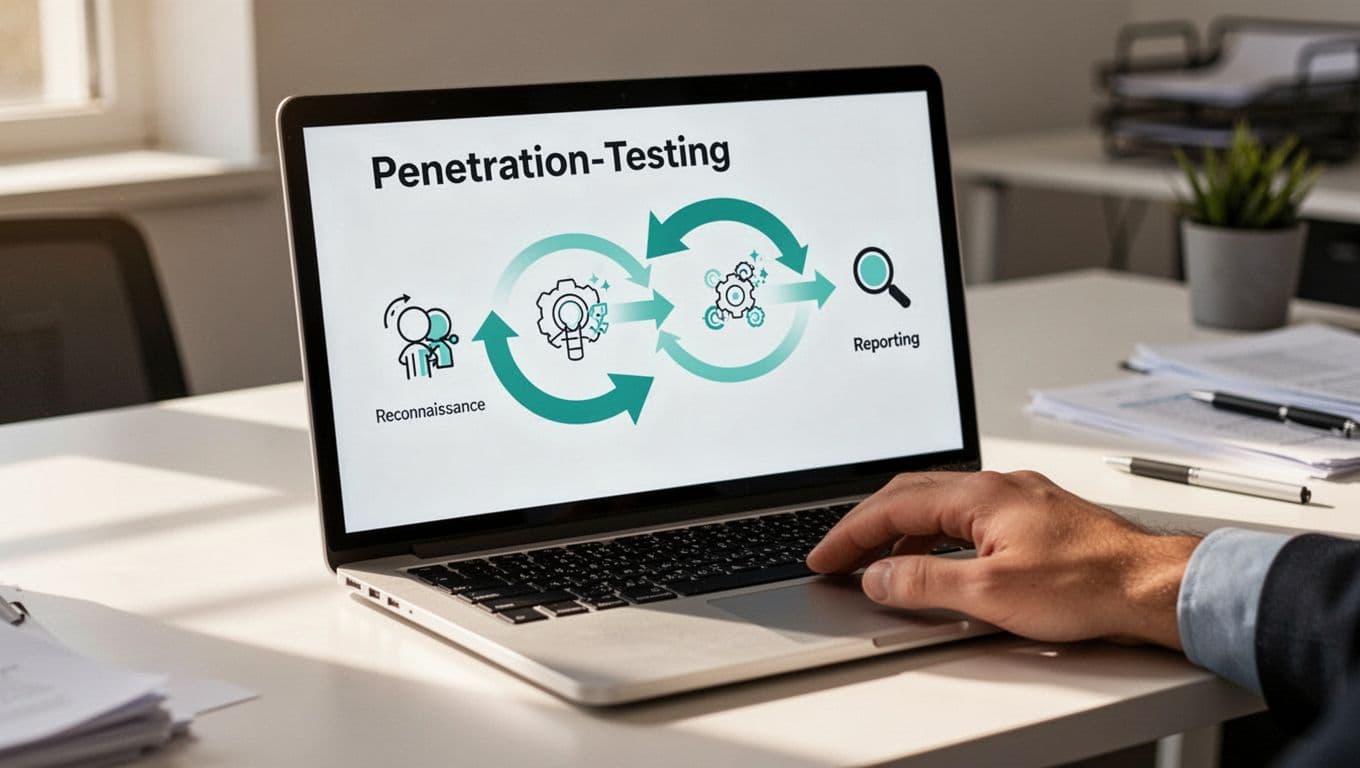
Request a sample plan. It should detail phases, tools like Burp Suite or Nmap, and exclusions. Vague answers signal trouble.
Tailor to your stack. Cloud needs container checks; apps require OWASP focus. This ensures coverage fits.
Check Certifications and Team Credentials
Certifications prove skills. Look for CREST accreditation with their new Penetration Testing Star rating. It tests firms on live simulations.
Individual testers need OSCP or OSEP. These demand timed exploits, not theory quizzes like CEH alone. Ask who leads your test. “Our team” won’t cut it; get names and resumes.
Firm-wide creds matter too. SOC 2 Type II or ISO 27001 show they secure their own data. Without these, risk leaks during tests.
For details on offensive certs, see Red Sentry’s 2026 vendor guide. It stresses practical skills over basics.
References confirm this. Contact three similar clients. Did the team deliver on time? Their input beats sales talk.
Evaluate Reports and References
Reports make or break value. Request redacted samples. Strong ones map findings to CVSS scores, NIST controls, and fixes. They include repro steps and business impact, like potential revenue loss.
Weak reports list scanner output without context. Auditors reject them for SOC 2 or HIPAA.
Ask if reports pass Big 4 reviews. Check retest policies; 2026 standards like CREST require 30-day verification included.
References reveal more. Pick clients in your industry. Questions like “Did findings lead to real fixes?” show impact.
Drummond Group’s six questions help here. They focus on team assignment and compliance mapping.
Watch for Red Flags
Some signs scream avoid. No named testers or certs? Walk away. Promises of “100% secure” ignore reality; no test guarantees that.
Other pitfalls include pay-per-vuln pricing. It tempts fake issues. Or no free retest; fixes need validation.
Vague scopes like “test everything” lack structure. Upfront full payment skips protections.
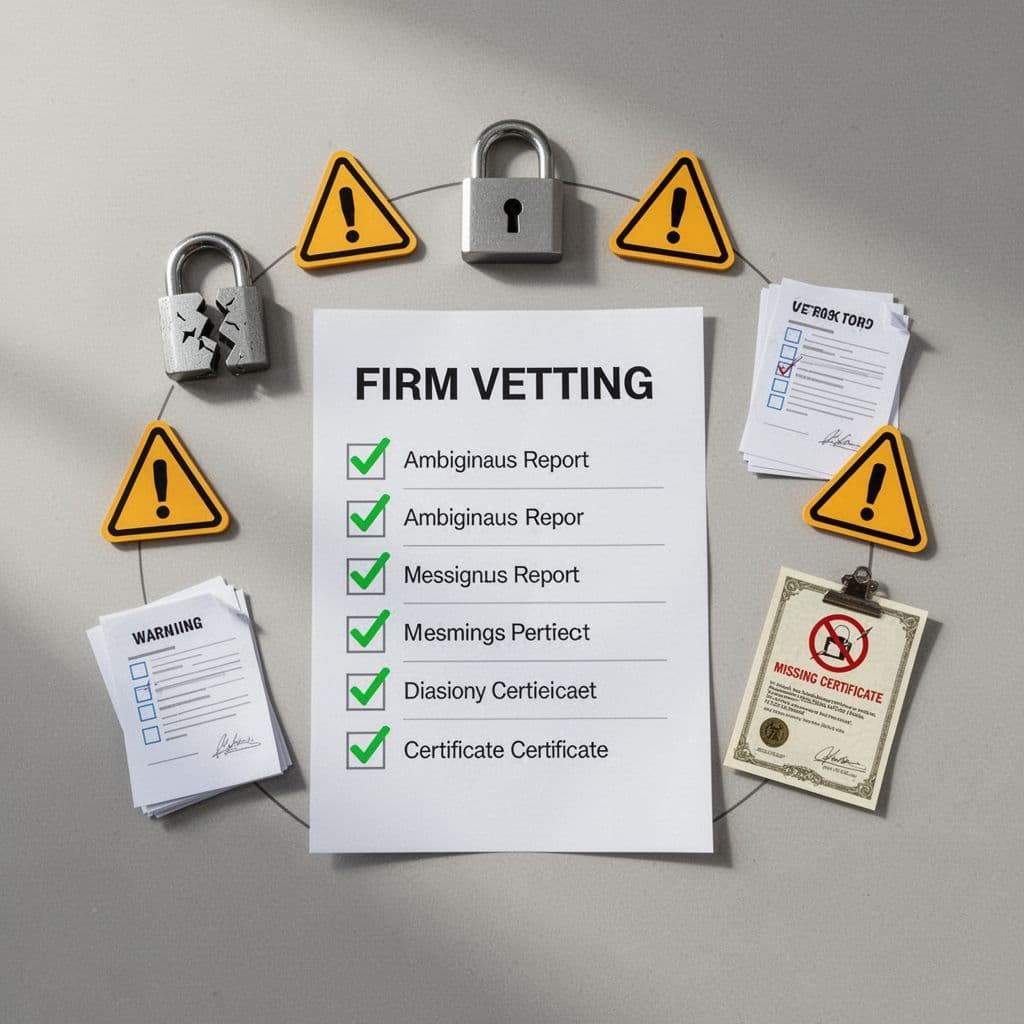
Low prices often mean juniors or scans. True expertise costs $10K plus, based on scope.
Insurance gaps worry too. Demand $5M liability coverage.
Compare Proposals Side by Side
Price tempts, but total value wins. Detailed bids outline team, methods, timeline, and deliverables. Generic sheets focus on cost alone.
Weigh factors. Does it address your cloud or OT needs? Compare report quality and support.
| Factor | Strong Proposal | Weak One |
|---|---|---|
| Team | Named OSCP holder | “Experienced team” |
| Scope | Custom to your apps | IP count only |
| Report | Mapped to NIST, retest | Scanner list |
| Price | Value-based, $15K+ | $2K bargain |
Strong bids justify costs with ROI, like breach prevention.

Use a scorecard. Rate on expertise (40%), fit (30%), reports (20%), price (10%).
Match to Your Compliance and Environment
Compliance drives many tests. PCI DSS 4.0 needs quarterly external checks. HIPAA now mandates annual for ePHI.
Pick firms familiar with your rules. They map to controls like NIST 800-53 RA-5.
Environment fit counts. Finance needs GLBA pros; healthcare HIPAA experts.
Sample questions: “How do you handle our AWS setup?” Or “Does your report meet NYDFS standards?”
NetSPI’s selection ebook covers RFP questions well.
Contracts seal it. Include NDA, data handling, and escalation paths.
Final Thoughts
Vet penetration testing firms on expertise, not bids. Start with your needs, check methods and creds, then proposals. Avoid red flags like vague teams or no retests.
This approach yields auditor-ready work and real risk cuts. In 2026’s compliance world, it pays off big.
Need help finding talent for your security team? Book a Discovery Call with Bud Consulting.