table of contents
Security teams often work in isolation. You know the risks, but business units push forward with projects that create new vulnerabilities. This disconnect leads to breaches that could have been avoided.
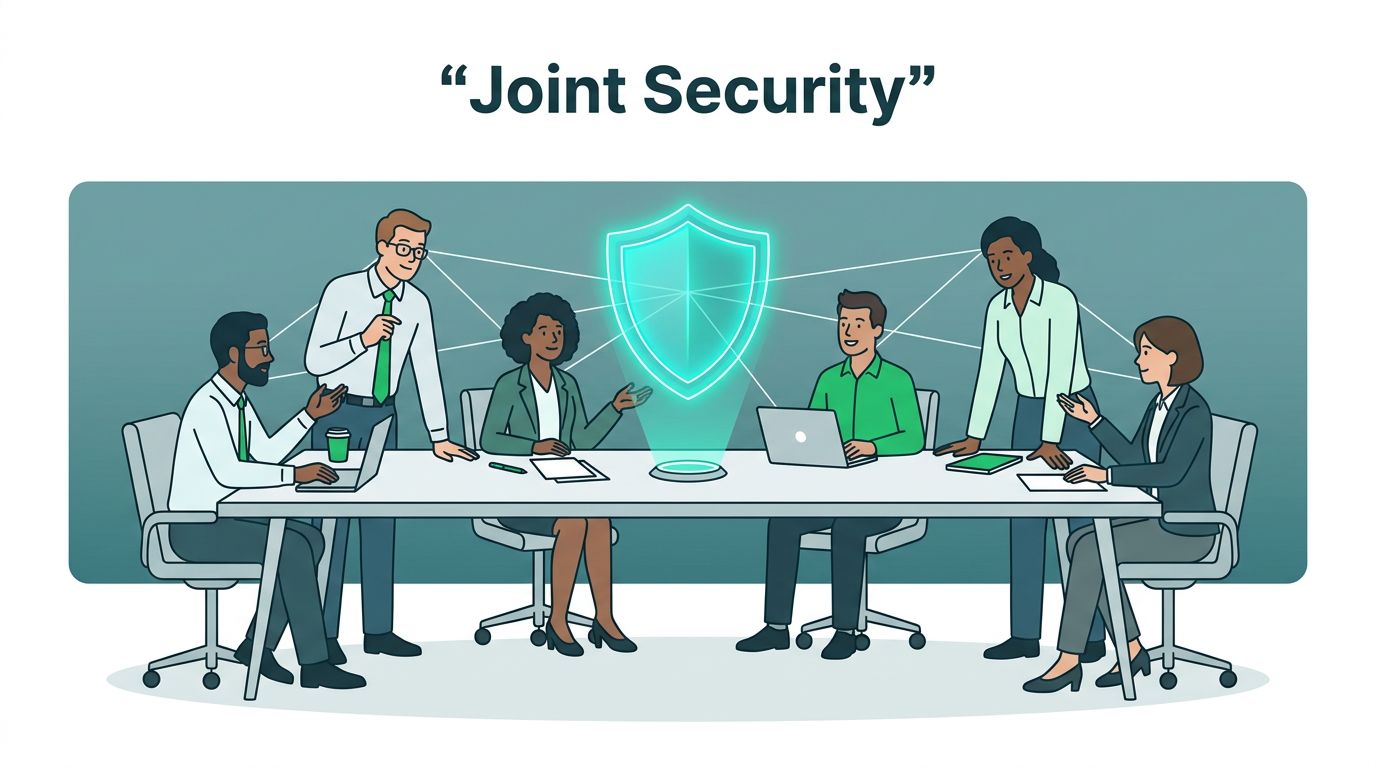
Joint security teams fix that. They bring security pros together with folks from finance, HR, product, operations, and legal. Everyone shares the load, spots threats early, and aligns on goals.
You can make this happen. Start by understanding why these teams boost your defenses, then build them step by step.
Why Joint Security Teams Matter
Silos hurt cybersecurity. Security flags a risky vendor, but procurement moves ahead anyway. Finance approves budgets without risk checks. These gaps let threats slip through.
Joint security teams break those barriers. They mix security expertise with business context. For example, a team with product managers reviews code changes before release. This catches flaws early, without slowing development.
Consider a mid-sized firm facing phishing attacks. HR handles employee training, but lacks threat intel. Security knows the tactics, but misses onboarding gaps. A joint team combines forces. They craft targeted simulations and track results. Breaches drop because everyone owns the fix.

Cross-functional setups also build trust. Business units see security as a partner, not a roadblock. Cyware outlines how such collaboration strengthens defenses by linking teams like threat intel and SOC.
Results show up fast. Response times shorten. Compliance improves. Most importantly, the business runs smoother because risks stay managed.
These teams turn security into a business strength. They enable growth while keeping threats at bay.
Securing Buy-In from Business Leaders
Leaders resist change. They worry joint teams add overhead. Show them the payoff first.
Start with data. Share breach stats from similar firms. Point out costs: downtime hits revenue hard. A single incident can wipe out quarters of profit.
Meet one-on-one. Tailor pitches to pain points. Finance cares about audits; highlight risk scoring. HR focuses on people; stress training ROI.
Use pilots. Pick one unit, like operations. Form a small joint team for a quarter. Track quick wins, like faster incident response. Share results in a short report.
Involve executives early. Get a sponsor from the C-suite. They set the tone and allocate time.
Address fears head-on. Security won’t veto projects; teams co-create solutions. For instance, legal joins to review contracts. They flag clauses together, speeding approvals.
Change takes time. Train business reps on basics like phishing signs. This builds confidence.
Once buy-in sticks, scale up. Business units request spots on teams. Security becomes essential.
Defining Clear Roles in Joint Security Teams
Vague roles kill teams. Define them upfront with a simple framework.
Use RACI: Responsible, Accountable, Consulted, Informed. Assign for each task.
Picture this framework. Security leads threat assessments. Finance provides risk appetite data. HR owns training rollout. Product integrates secure coding. Operations tests patches. Legal ensures compliance.
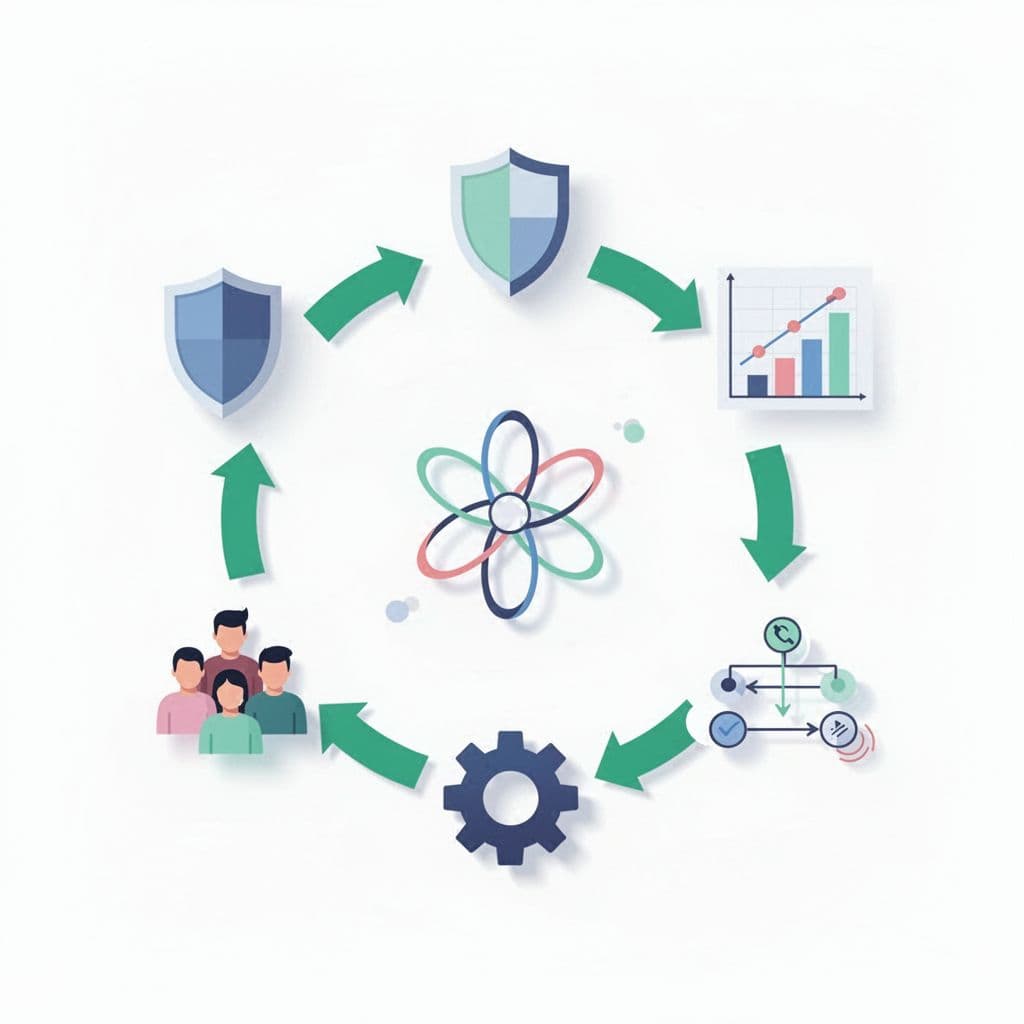
Sample responsibilities work well. Security monitors tools and alerts teams. Finance scores financial impact of risks. HR tracks completion rates for awareness programs. Product flags dev changes needing review. Operations runs drills. Legal vets third-party deals.
Centex Technologies details business unit reps in cross-functional teams, like sales ensuring customer data aligns with security.
Keep teams small: five to eight members. Rotate reps quarterly for fresh views.
Document everything in a shared charter. Review it monthly. This keeps focus sharp.
Clear roles prevent overlap. Work flows, and accountability sticks.
Establishing Effective Meeting Cadences
Teams need rhythm. Set cadences that fit schedules.
Weekly 30-minute stand-ups. Cover active risks and quick updates. Security shares alerts; units report progress.
Bi-weekly deep dives. One hour. Rotate topics: finance leads risk reviews one week, product the next.
Monthly full reviews. Ninety minutes. Assess KPIs, adjust plans. Invite execs for visibility.
Use tools like Slack for daily pings. Tools cut meeting time.
For incidents, trigger ad-hoc calls. Operations leads response; others support.
Example: A product flaw emerges. Weekly stand-up spots it. Bi-weekly dive assigns fixes. Monthly review confirms resolution.
CISA’s Joint Cyber Defense Collaborative shows structured efforts across partners unify actions effectively.
Async updates fill gaps. Share dashboards for self-serve info.
Consistent cadences build habits. Decisions speed up. Teams gel.
Tracking Success with KPIs
Metrics prove value. Pick shared KPIs that matter to all.
Focus on outcomes. Mean time to respond (MTTR) tracks incident speed. Aim under 24 hours.
Training completion rates. HR leads; target 95% quarterly.
Risk reduction score. Finance weights impacts; security updates threats.
Vulnerability patch time. Operations measures days to fix.
Compliance audit pass rate. Legal verifies.
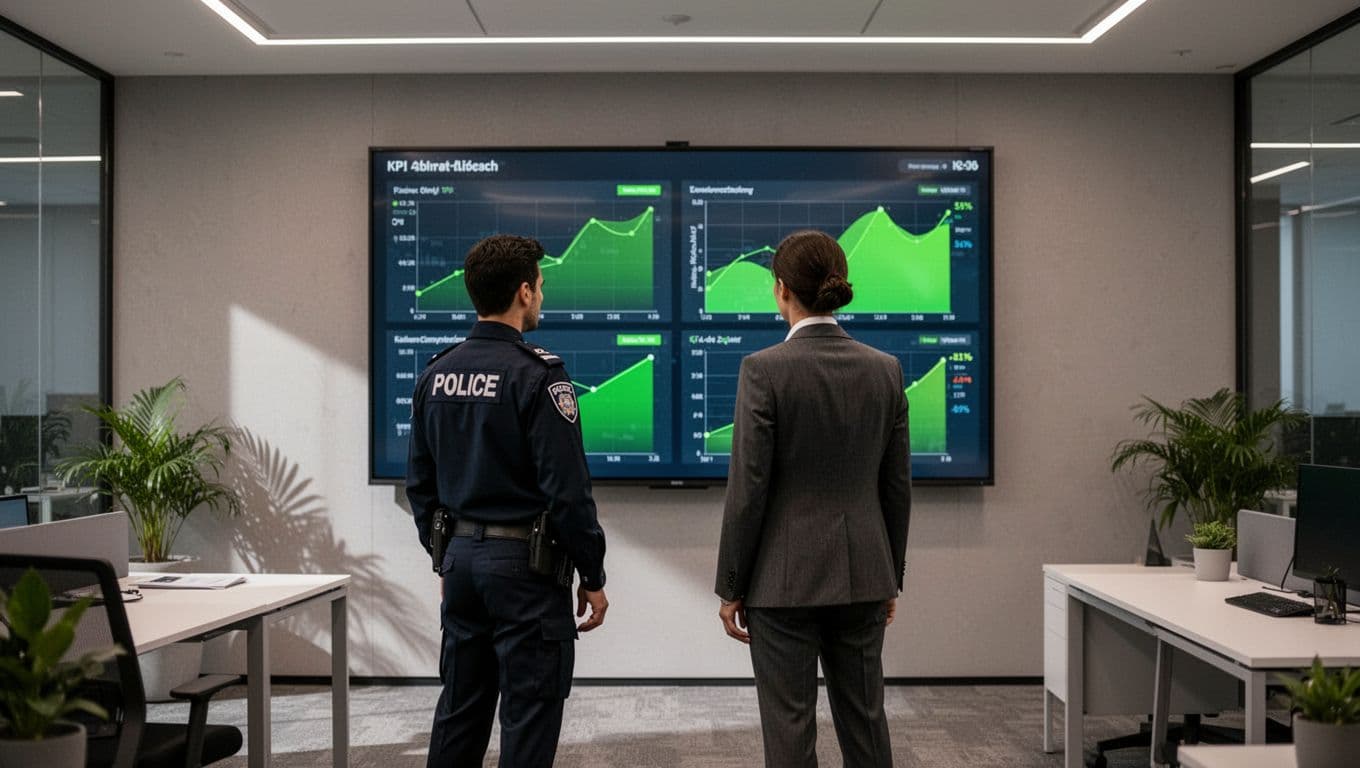
Review monthly. Celebrate hits. Adjust misses.
Qualys notes shared goals between IT and security improve resilience.
Tie to business. Lower MTTR means less downtime revenue loss.
Dashboards make it visual. Everyone sees progress.
These KPIs align efforts. Success becomes collective.
Conclusion
Joint security teams transform isolated efforts into unified defense. Clear roles, steady meetings, and shared KPIs keep them effective.
Business units gain security as an ally. Risks drop, operations smooth out.
Start small with one unit. Scale from there. Your organization gets stronger.
Book a Discovery Call with Bud Consulting to map your path forward.