table of contents
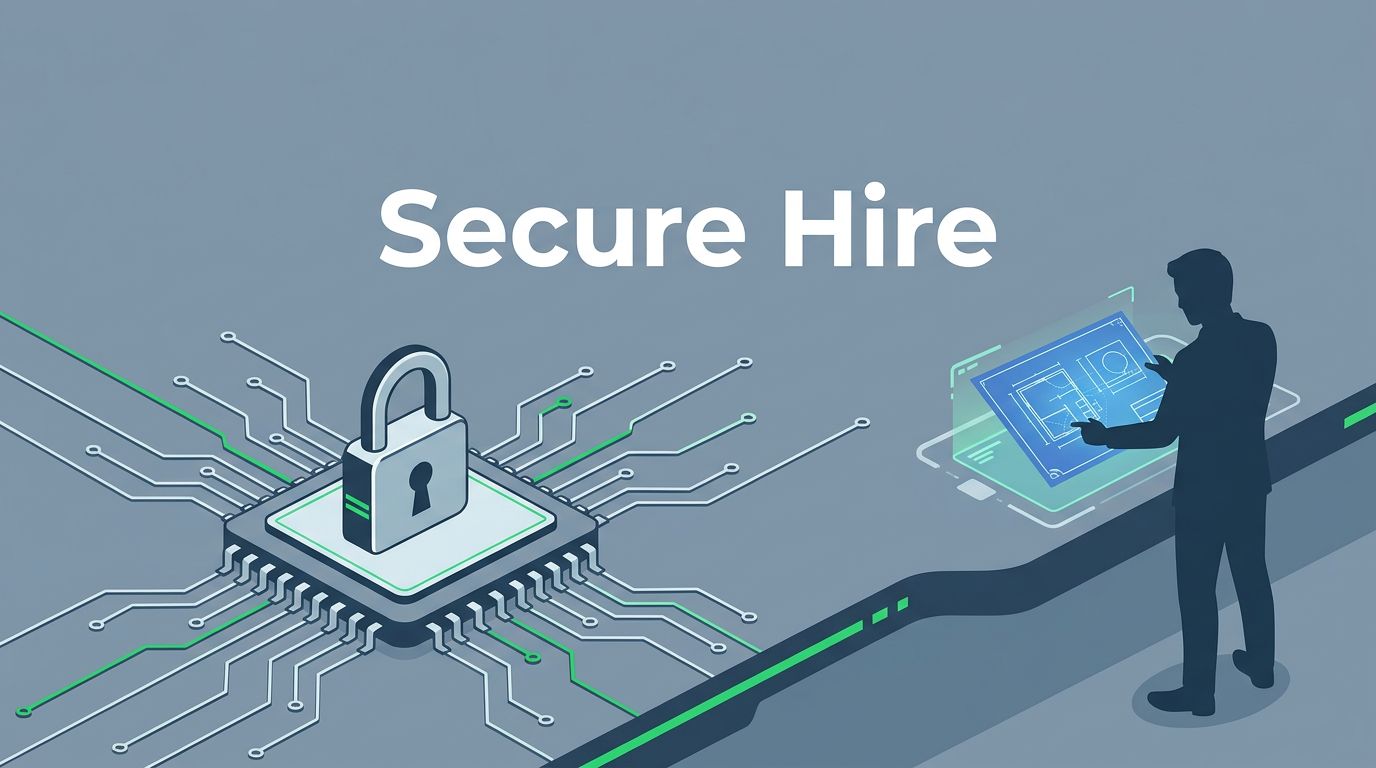
Hiring a secure hardware engineer feels tough right now. Demand surges as AI data centers and edge devices face new threats like side-channel attacks and supply chain tampering. You need someone who builds chips and systems that resist hacks from the ground up.
These pros protect firmware, enforce secure boot, and design roots of trust. Yet talent shortages hit hard. In May 2026, salaries range from $110,000 for entry-level to $280,000-plus for seniors in tech hubs.
This guide walks you through the process. You’ll learn roles, skills, assessments, and pitfalls to dodge.
Understand What a Secure Hardware Engineer Does
Secure hardware engineers focus on physical protection for devices. They design circuits and chips that block attacks before software even loads. Think tamper-resistant enclosures and firmware that verifies itself.
Their work starts with a root of trust: a tiny, immutable chip core that checks every boot stage. Without it, malware slips in early. They also handle secure boot chains, where each firmware link signs the next.
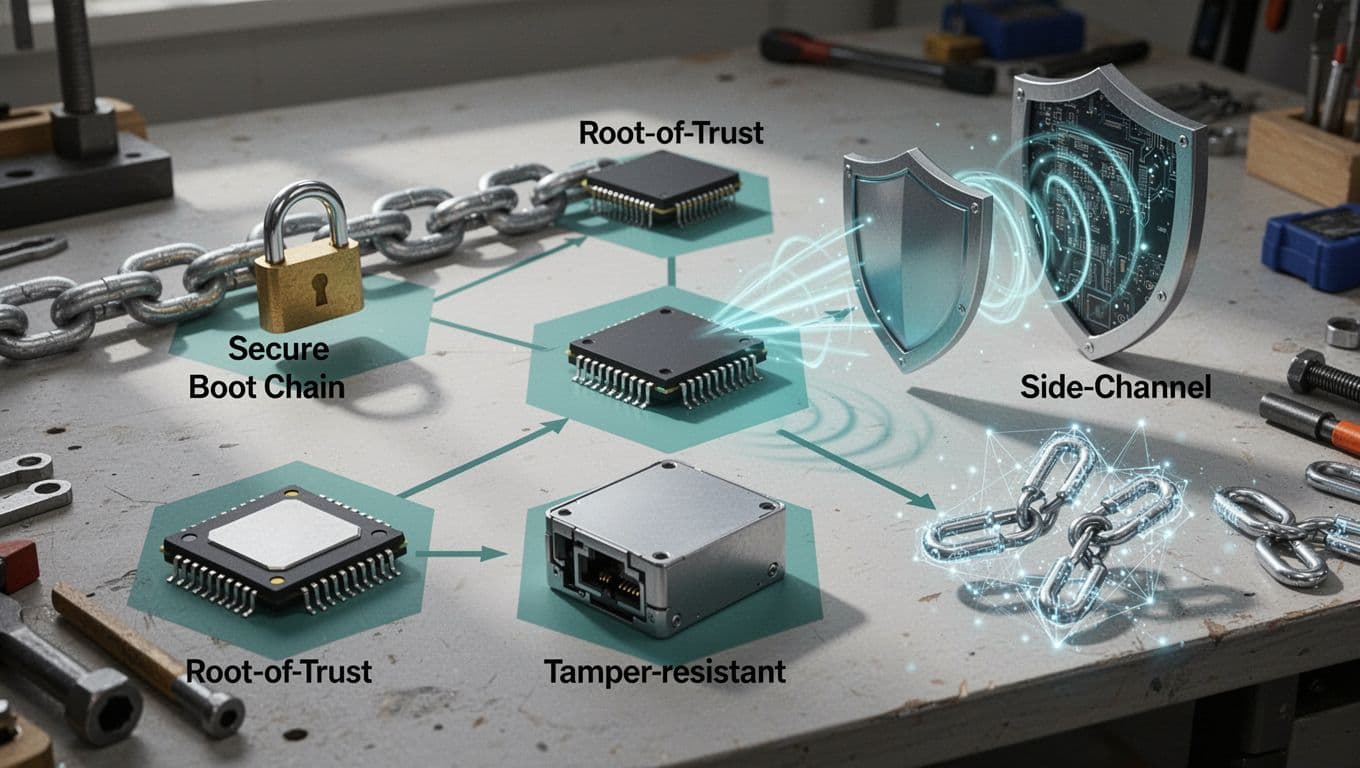
Side-channel attacks grab data from power spikes or timing glitches. Engineers add noise or constant-time logic to foil them. Supply chain risks demand verified parts; post-quantum readiness means swapping RSA for NIST’s Kyber or Dilithium algorithms.
In 2026, they tackle AI-driven threats too. CrowdStrike reports malware adapts in seconds to edge devices. Engineers integrate hardware telemetry with SIEM tools for real-time alerts.
Daily tasks include prototyping with oscilloscopes, auditing vendors for SBOMs per NIST SP 800-161, and testing against Common Criteria EAL5 standards. They collaborate with firmware teams on TPM 2.0 chips and RISC-V cores.
Expect them to document everything: compliance reports and threat models. For details on UEFI secure boot specs, check the UEFI Specification.
Gauge the 2026 Job Market for Secure Hardware Talent
Demand for secure hardware engineers outpaces supply. BLS projects 7% growth for hardware roles through 2034, with 4,700 US openings yearly. Add security skills, and you compete in a tight market.
AI reignites hardware needs. Deloitte notes data centers crave secure, high-power servers. Pluralsight ranks cybersecurity as the top 2026 skill; hardware pros with it earn 20-40% more.
Here’s a quick salary breakdown based on current trends:
| Experience Level | Annual Salary Range (US) | Key Factors |
|---|---|---|
| Entry (0-2 years) | $110,000 – $140,000 | Basic chip design plus security basics |
| Mid-level (3-7 years) | $150,000 – $190,000 | Side-channel mitigations, cloud integration |
| Senior (8+ years) | $200,000 – $280,000+ | Post-quantum designs, leadership in AI hardware |
Salaries peak in California and Texas hubs. North America holds 43% of DevSecOps jobs, but secure hardware lags.
Challenges persist. Asia shifts manufacturing to Vietnam, raising supply chain scrutiny. Firms want pros who blend hardware with AWS or Azure security.
Global search helps. VanHack suggests targeting IoT security experts for firmware updates and MQTT protocols.
Key Skills and Qualifications to Look For
Target candidates with hands-on hardware plus security depth. Degrees in electrical engineering or computer science work, but experience trumps paper.
Core technical skills include PCB design, FPGA programming in Verilog/VHDL, and tools like oscilloscopes or logic analyzers. Security-specific: implementing roots of trust and tamper detection.

They must counter 2026 threats. Side-channel defenses use masking; post-quantum means FIPS 203-205 crypto. Know post-quantum cryptography supply chain risks.
Soft skills matter: clear docs for audits, vendor negotiation for secure parts. Certs like CISSP or hardware-focused ones boost credibility.
Use this checklist to screen resumes:
- Proven secure boot or root of trust projects.
- Experience with side-channel analysis tools.
- Supply chain audits or SBOM handling.
- Post-quantum algorithm integration.
- Familiarity with TCG specs for TPM.
For embedded parallels, see strategies to hire skilled embedded hardware engineers. Prioritize portfolios with real prototypes over theory.
Where to Source Secure Hardware Engineer Candidates
Start with niche boards. LinkedIn filters for “hardware security” yield pros; post jobs noting on-site lab needs, as hardware recruiting guides advise.
Tech conferences like Black Hat or Hardwear.io attract talent. University career fairs at MIT or Stanford tap fresh grads with research in RISC-V security.
Recruiters specialize here. Firms like Bud Consulting fill gaps in roles like this. Specialized sites: IEEE job board, Dice for hardware-security mixes.
Global pools help. Eastern Europe offers FPGA experts; check clearance needs early.
Employee referrals work best. Offer $5,000 bounties for successful hires. Track diversity; women hold few hardware roles, so broaden outreach.
Vet fakes with video intros and GitHub checks, per safe hiring practices for embedded engineers.
Run Technical Assessments and Interviews
Assess hands-on. Send a take-home: design a simple root of trust circuit resistant to power analysis. Time it to 4-6 hours.
Interviews mix behavioral and technical. Start with culture fit: “Describe a supply chain risk you mitigated.”
Probe depth:
- Explain secure boot flow and failure modes.
- How do you mask side-channel leaks in AES?
- Walk through post-quantum key exchange for firmware.
- Design tamper detection for a server board.
- Handle a vendor with weak SBOMs?

Live code on LeetCode for logic, then lab demo: probe a chip for emissions. Rate on criteria: accuracy (40%), creativity (30%), communication (30%).
Reference checks confirm. Ask past bosses: “Did they ship secure products on time?”
For job descriptions, adapt hardware security engineer templates.
Avoid These Common Hiring Mistakes
Rushing kills quality. One firm skipped side-channel tests; their chip leaked keys in months.
Don’t ignore location. Lab work demands on-site; state it upfront.
Overlook culture. Solo geniuses flop in teams. Probe collaboration stories.
Skip security vetting on candidates. Run basic checks; fakes plague tech hires.
Neglect comp. Lowball mid-levels; they’ll jump to AI firms.
Use this quick avoidance list:
- Define must-haves vs. nice-to-haves first.
- Test real skills, not trivia.
- Budget for 20% above market.
- Involve security leads early.
Fix these, and you’ll land a star.
Conclusion
Hire right by knowing the role, market, and assessments. Focus on roots of trust, side-channel defenses, and post-quantum prep to future-proof your hardware.
Strong secure hardware engineers drive secure products. Act now amid 2026 shortages.
Book a Discovery Call with Bud Consulting to fill your gap fast.