table of contents
Ransomware hits organizations every day now. In 2026, groups like Qilin and DragonForce claim hundreds of victims each quarter. Attacks often layer data theft, encryption, and DDoS floods, so backups alone won’t save you.
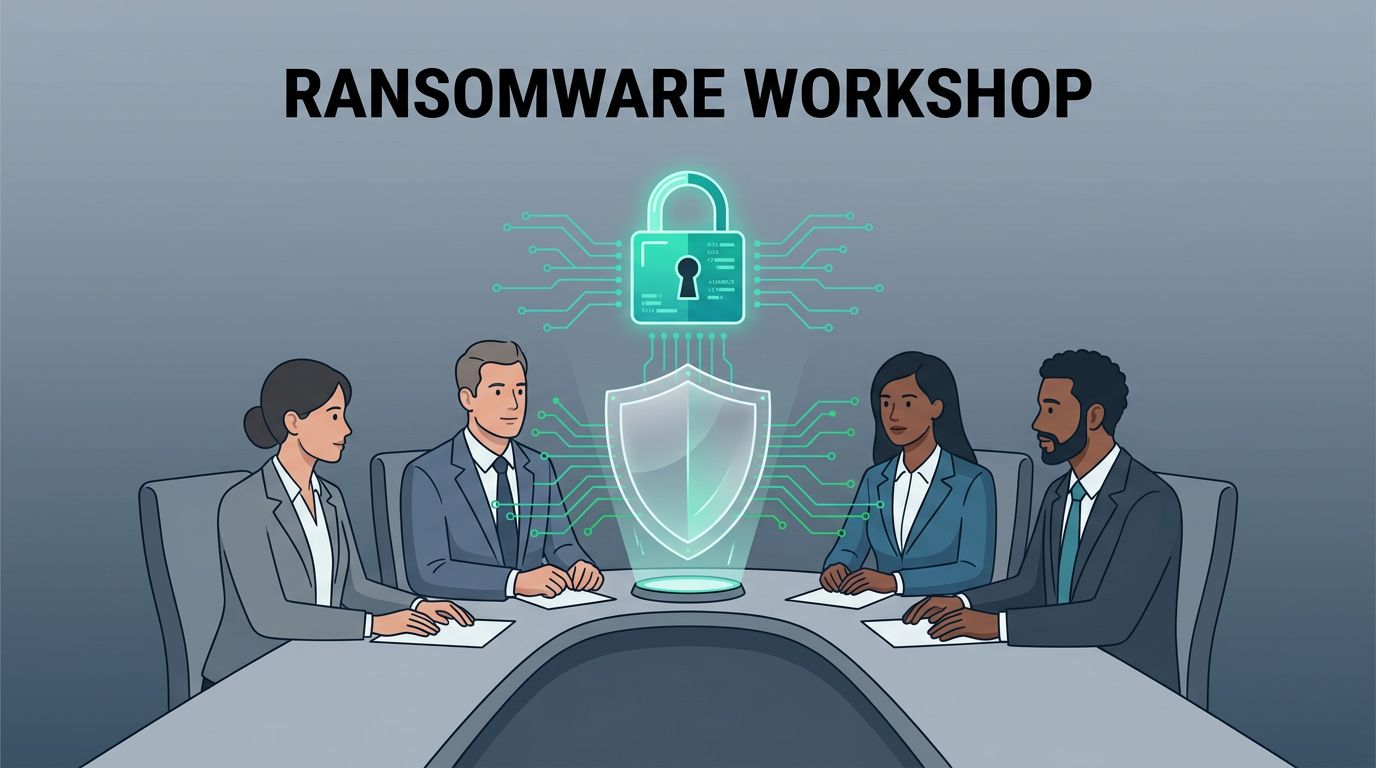
Boards face tough choices during these crises. Who decides on ransom payments? How do you escalate fast enough? Workshops expose these ransomware response gaps before disaster strikes.
You can turn oversight into action. Let’s look at why these sessions matter and how to run one.
Why Boards Need Ransomware Workshops
Boards oversee risks, but ransomware tests that role hard. Attacks in 2026 mix old tricks like phishing with new ones, such as insider recruits paid to open doors. Half of incidents come from just a few groups, and 70% now steal data first.
Workshops simulate pressure. They reveal if your team freezes on decisions or skips law enforcement contacts. Directors walk through scenarios where systems lock up and attackers threaten leaks.
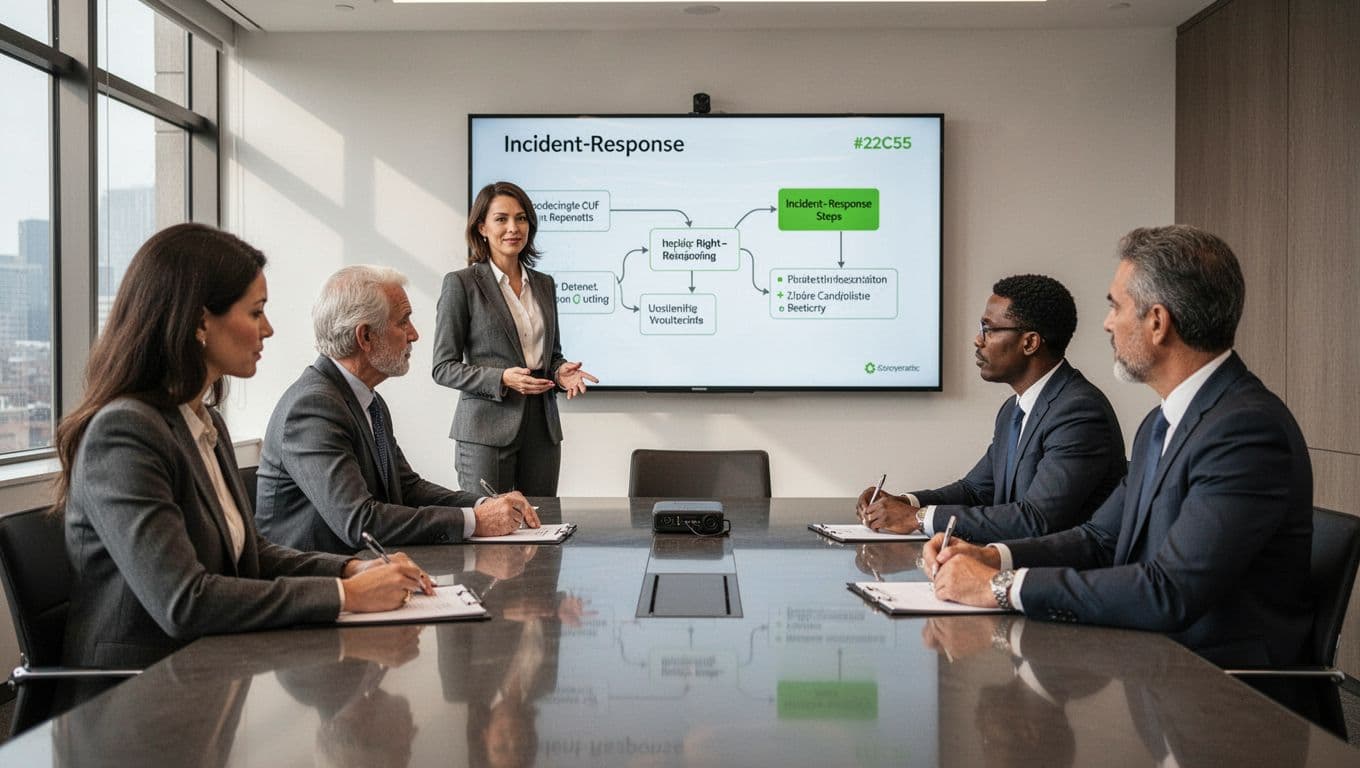
This setup builds muscle memory. Management briefs the board on plans, then everyone role-plays. You spot gaps in real time, like unclear escalation paths from IT to executives.
For example, the NACD’s ransomware toolkit stresses scenario planning. Boards confirm who handles ransom calls and legal risks, such as payments to sanctioned groups.
These sessions also meet governance rules. SEC rules demand quick disclosure of material incidents within four business days. Workshops ensure boards know when to trigger reports.
In short, they shift you from reactive to ready. Next, we’ll cover the main weaknesses they uncover.
Common Gaps in Ransomware Response
Most plans look solid on paper. Reality shows cracks in decision-making, escalation, and recovery.
Decision gaps hit first. Teams debate ransom without clear thresholds. Does IT decide, or does it go to the CEO? Attackers exploit delays with ticking clocks.
Escalation often fails too. Frontline staff notify managers, but the chain stops. By 2026, with multi-extortion tactics, you need board input within hours on leaks or DDoS.
Resilience gaps hurt recovery. Backups exist, but tests skip full restores under duress. What if attackers wipe them too?

Insider threats add risk now. Groups pay laid-off workers for access, per recent reports. Plans rarely cover that betrayal.
The SEC’s cybersecurity guidance requires boards to oversee these areas. Workshops test if your process matches.
One firm learned this the hard way. During a drill, executives argued over paying while simulated leaks spread. They fixed it by setting board pre-approvals for demands over $1 million.
Spot these early. Then ask the right questions to dig deeper.
Questions Boards Should Ask Management
Direct questions cut through fluff. Start with readiness.
Do we have playbooks for double extortion? Attackers steal data, encrypt files, then DDoS. Management must show coordination plans.
How do we contact law enforcement? Jurisdictions matter. Confirm FBI or local protocols exist and staff know them.
What’s our no-pay stance? If it changes, walk through the process. Include OFAC checks for sanctions.
The NACD’s readiness questions add more. Ask about communications between IT and PR. Do they sync on customer notices?
Probe backups. When was the last full restore test? Under ransomware simulation?
On disclosure, reference SEC Form 8-K rules. How do we assess materiality in hours? Who briefs the board?
For insiders, ask: How do we screen vendors and monitor access? Trends show 2026 attacks target supply chains.
These queries force clarity. Boards get briefed on alternatives like insurance too. Follow up in writing.
Warning Signs of Weak Preparedness
Look for red flags in reports or briefings. Slow patch times signal trouble; phishing still starts one-third of attacks.
No recent drills? That’s a gap. Plans gather dust without practice.
High turnover in security roles points to culture issues. CISOs burn out from underfunding.
Vague metrics hurt. If KPIs lack ransomware specifics, like mean time to detect, push for them.
Disclosure delays warn of process flaws. SEC rules hit in 2023, but many lag on tagging incidents in XBRL.
External scans miss daily threats. Continuous mapping beats yearly audits.
One sign stands out: optimism bias. Management says “we’re fine” without evidence. Demand proof.
The Lorikeet Security blog notes boards must show active oversight. No ransomware briefings in a year? Fix it.
Catch these, and workshops become urgent.
Sample Workshop Agenda
Keep sessions half-day. Invite 8-10: board, CISO, CIO, legal, PR.
Start with trends. Brief on Qilin’s 361 victims this year and rising extortion-only attacks.
Review plans. Walk the incident response flowchart.
Then tabletop exercise. Simulate a Friday attack: files locked, data stolen, DDoS starts.
Roles activate. IT isolates, legal checks sanctions, board weighs options.
Debrief gaps. Assign fixes.

End with next steps. Schedule quarterly refreshers.
Here’s a checklist:
- Confirm escalation thresholds.
- Test communications plan.
- Update backups for multi-wipe scenarios.
- Align on disclosure timelines.
The Marsh workshop model suggests insurance angles too. Include brokers.
Facilitate with outsiders for candor. If needed, book a discovery call with Bud Consulting to build your team.
Key Takeaways
Workshops close ransomware response gaps in decisions, escalations, and recovery. They prepare boards for 2026’s steady threats, from alliances to insiders.
You’ve seen the trends, questions, signs, and agenda. Act now to test your plan.
Strong oversight protects your organization. Run a session soon.