table of contents
5G edge networks power everything from factory sensors to street cameras. Yet they expose massive risks. Hackers target these distributed points because they sit close to critical operations.
You manage telecom or enterprise security. Private 5G rolls out fast in 2026. Cloud-native setups blend with edge computing. This convergence swells attack surfaces. Traditional scans miss dynamic exposures.
5G edge security demands constant checks. CTEM fills that gap. It cycles through risks nonstop. Teams validate real threats, not just lists. Let’s break down playbooks that work.
Challenges Facing 5G Edge Security Today
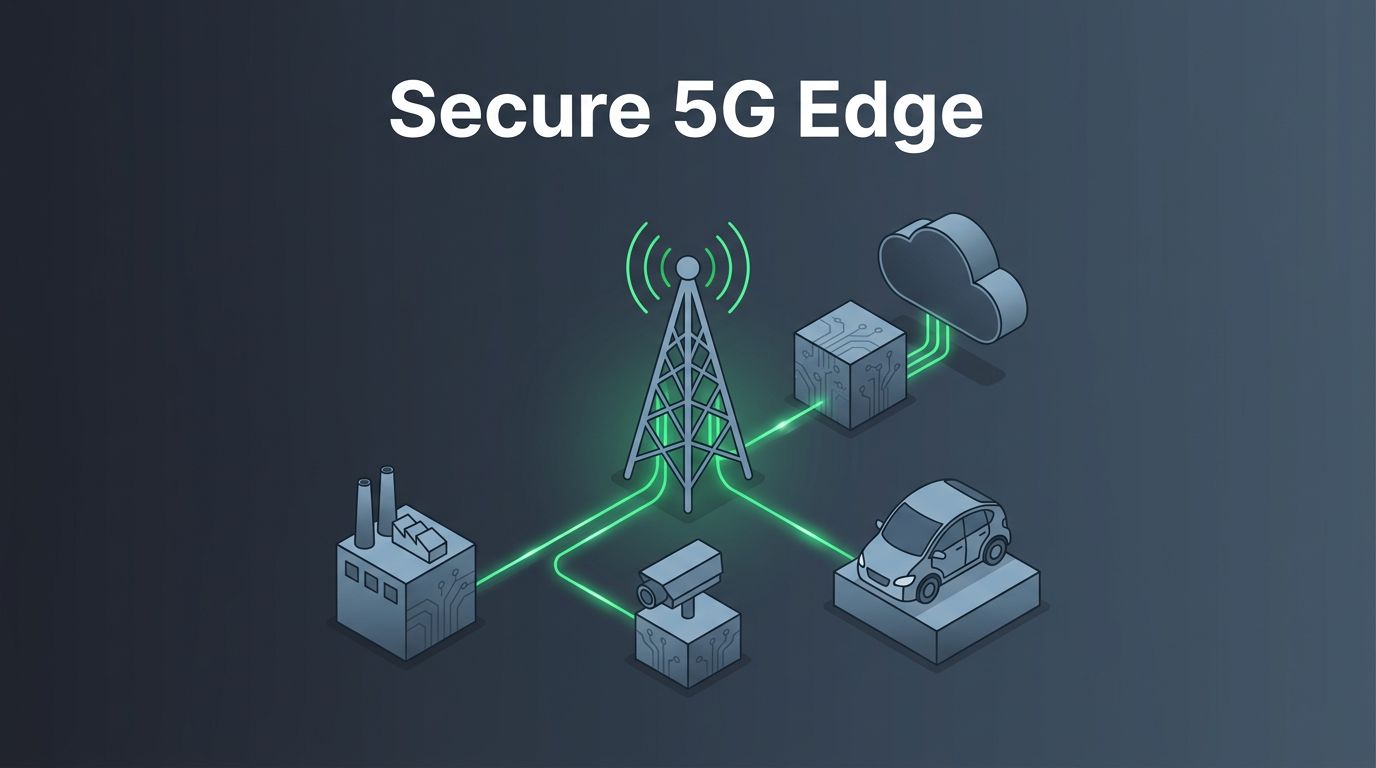
Edge nodes process data near users. Factories, vehicles, and cities rely on them. Speed wins, but security lags. Weak spots multiply in distributed setups.
Physical access tops threats. Street-mounted servers or plant devices lack strong enclosures. Tampering lets attackers inject malware. Remote exploits follow through unpatched firmware.
IoT floods the mix. Billions of 5G gadgets run outdated code. Default credentials open doors. One compromised sensor pivots to core networks. Botnets amplify DDoS at 5G bandwidths.
Network slicing adds complexity. Virtual lanes separate traffic, like IoT from finance. Misconfigs allow cross-slice jumps. Hospitals or grids suffer.
Supply chains hide dangers. Vendor firmware carries backdoors. Updates from unvetted sources spread infections. Roaming gaps weaken encryption too. Fake towers intercept data.
In 2026, ransomware hits city cores via edges. Relay attacks snag payments. Reports show edges in critical infrastructure draw 40% more fire.
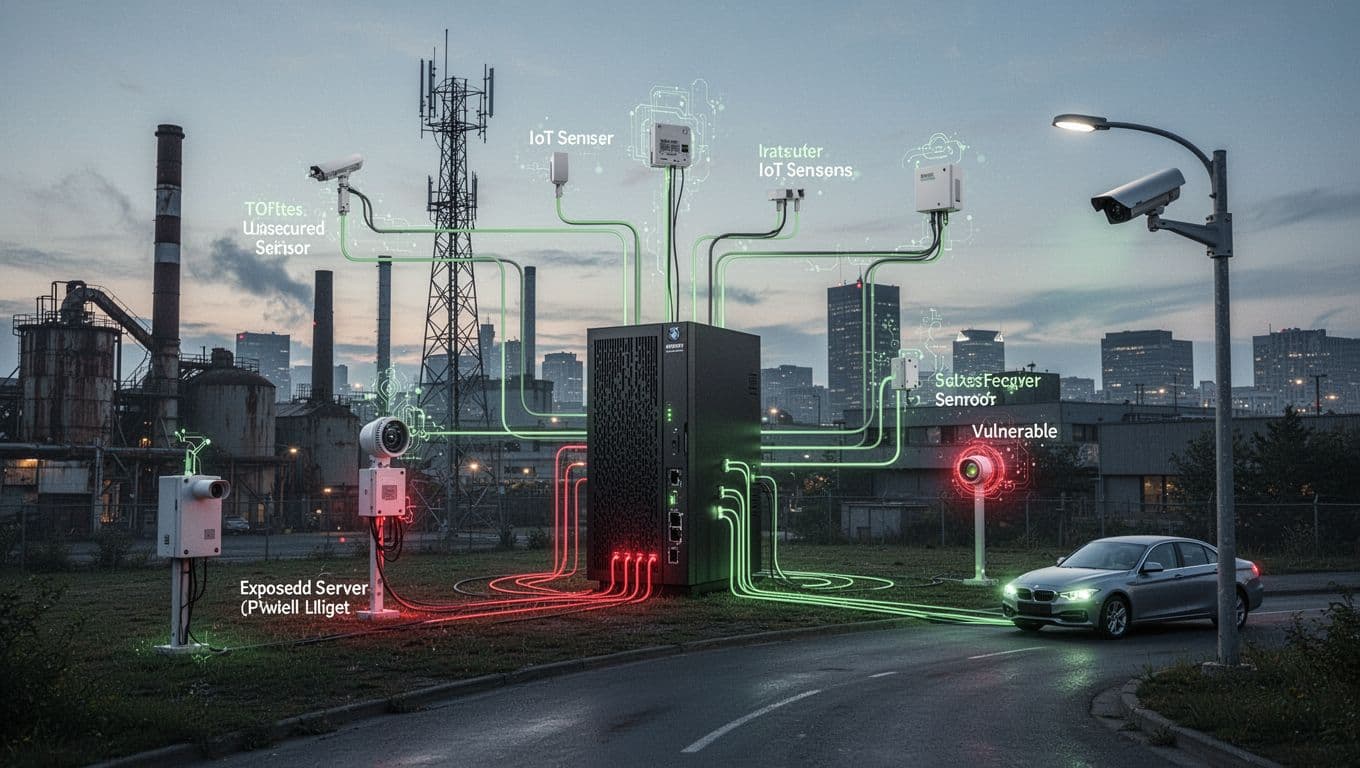
This image captures typical vulnerabilities. Red glows flag unsecured ports and devices. Green locks show fixes in place.
Vulnerability counts overwhelm teams. Prioritize by exploitability instead. CTEM shifts focus there. It tests assumptions daily.
For deeper 5G MEC security basics, check this fundamentals PDF from testing experts.
Understanding CTEM in the 5G Context
CTEM stands for Continuous Threat Exposure Management. Gartner outlined it in 2022. It runs five stages in a loop: scope, discover, prioritize, validate, mobilize.
Why 5G edges? Networks sprawl across MEC sites, private deployments, and hybrids. Static tools fail. CTEM adapts to changes like new slices or container spins.
Telecoms adopt it fast. By May 2026, over 60% of enterprises use it for dynamic setups. Ericsson integrates it for Zero Trust edges. It cuts breach risks 40-50%.
Think of edges as a moving target. Containers deploy hourly. APIs expose services. CTEM maps them continuously.
Risk-based views beat CVSS scores. It weighs business impact. A factory edge outage costs millions. Prioritize that over a lab misconfig.
Teams collaborate better. Security, IT, and ops share data. No more silos.
Adoption grows because breaches prove old methods fail. Point scans miss 82% of preventable issues. CTEM validates controls actively.
Core Elements of CTEM Playbooks for 5G Edges
Playbooks turn CTEM into repeatable actions. Tailor them to 5G. Start with scoping your edge footprint.
Map assets: MEC platforms, RAN elements, user-plane functions. Include private 5G in factories. Tag by criticality, like revenue impact.
Discovery scans everything. Agents on edge nodes, passive network taps. Catch misconfigs in Kubernetes pods or Open RAN.
Prioritization scores exploitability. Use EPSS data plus business context. A slice leak to payment systems ranks high.
Validation simulates attacks. Emulate DDoS on bandwidth or pivot from IoT. Tools breach-and-simulate without harm.
Mobilize assigns fixes. Auto-ticket to devs. Track closure rates.
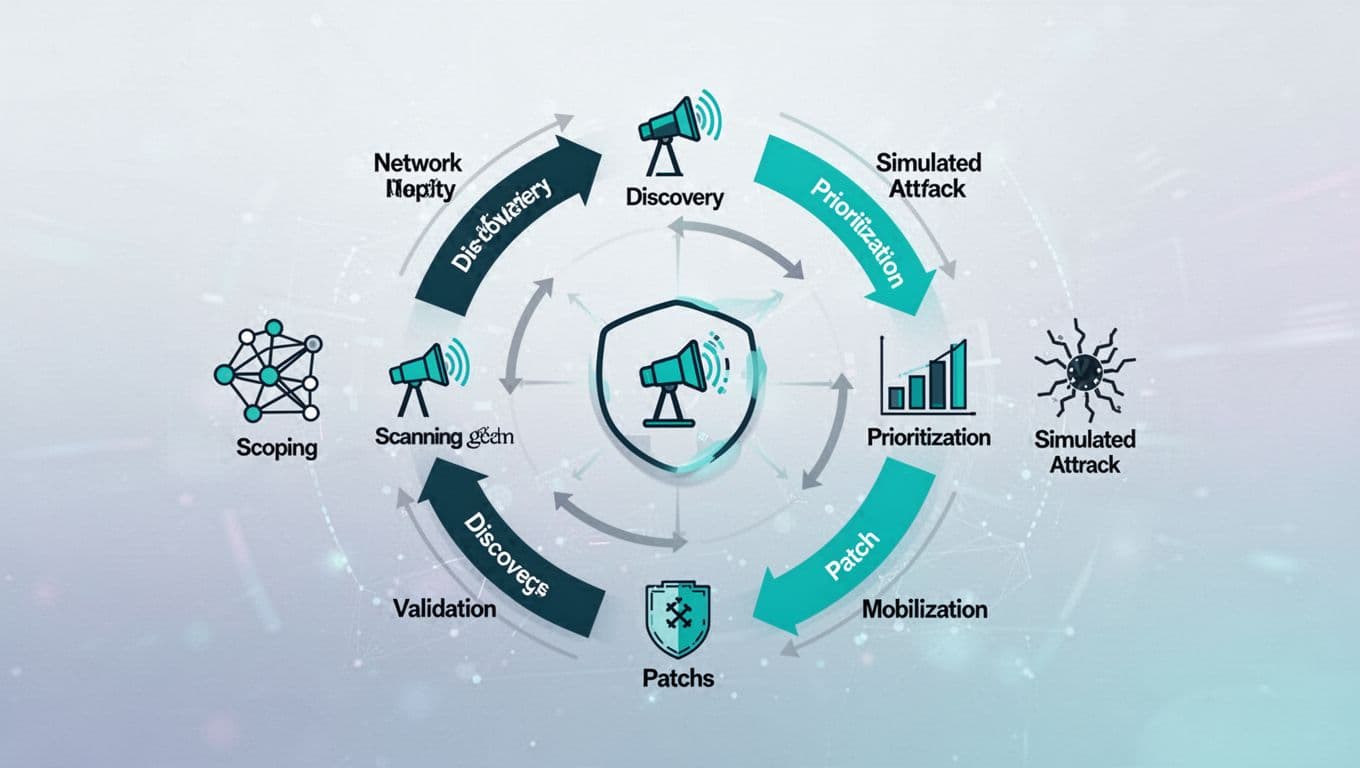
This diagram shows the CTEM cycle for edges. Arrows stress the loop nature.
Build playbooks modular. One for IoT onboarding, another for slice changes. Test weekly.
See the CTEM Maturity Playbook from AttackIQ for a five-stage model that fits telecom.
Step-by-Step: Crafting a CTEM Playbook for Edge Nodes
Start simple. Pick one edge cluster, like a factory MEC.
Step 1: Scope. List nodes, apps, slices. Assign owners. Use asset tags: “high-impact” for production.
Step 2: Discover. Run daily scans. Nmap for ports, Nuclei for misconfigs. Cover virtual functions too.
Step 3: Prioritize. Score by likelihood and impact. Formula: Exploitability (EPSS) x Asset Value x Threat Intel. Threshold: Top 20% get action.
Step 4: Validate. Simulate breaches. Tool like Atomic Red Team tests IoT pivots. Measure success rate.
Step 5: Mobilize. Jira tickets with SLAs. Devs patch, ops verify. Loop back.
Example workflow: New container deploys. Trigger discovery. If exposed API, validate lateral move. Remediate in 24 hours.
Metrics track wins. Mean time to validate drops 50%. Coverage hits 95% of edges.
Adapt for private 5G. Focus on indoor RAN risks.
Zafran’s CRQ CTEM playbook details prioritization with business risk.
Run quarterly simulations. Involve red teams.
Fostering Cross-Team Collaboration in CTEM
Edges span teams. Security spots risks. Network engineers own RAN. Devs handle containers.
Collaboration prevents blind spots. Weekly standups review top exposures. Shared dashboards show heatmaps.
Assign roles clear. SecOps leads validation. IT handles scoping. Telecom verifies slices.
Tools unify. Platforms like Microsoft Defender or custom SIEM feed all views.
In 2026, cloud-native telecoms demand this. Enterprises merge attack surfaces. One playbook, multiple owners.

Teams like this one use dashboards to align on playbook steps.
Challenges arise. Network teams resist scans. Educate on low impact. Show breach costs.
Measure collaboration. Joint remediation rate over 80%. Cross-team MTTR under 48 hours.
Bud Consulting helps bridge gaps. Book a Discovery Call with Bud Consulting to build your program.
Armis’ CEM playbook offers steps for team alignment.
Sample Playbooks: Workflows and Real Outcomes
Playbook 1: IoT Edge Onboarding.
- Scope: Tag devices by type.
- Discover: Credential scans.
- Prioritize: High if critical infra.
- Validate: Simulate botnet join.
- Mobilize: Enforce MFA, segment.
Outcome: Reduced pivots 70% in trials.
Playbook 2: Slice Security Changes.
- Scope: Affected users.
- Discover: Config drifts.
- Prioritize: Cross-slice risk.
- Validate: Emulate leaks.
- Mobilize: Policy enforcement.
Cut incidents 45%.
Playbook 3: Supply Chain Edge Updates.
- Scope: Vendor assets.
- Discover: Firmware vulns.
- Prioritize: Known exploits.
- Validate: Infection sim.
- Mobilize: Verified patches.
Telecoms report 50% faster fixes.
For O-RAN edges, see NSF’s security services project.
Dashboards track KPIs. Exposure score drops over time. Teams hit resilience.
Key Takeaways for Your 5G Edge Strategy
CTEM playbooks secure edges through cycles of action. They prioritize real risks in distributed 5G.
Focus on validation. Cross-team work drives results. Measurable drops in exposures prove it.
Edges evolve. Run playbooks daily. Adapt to private 5G growth.
Build now. Your networks depend on it.