table of contents
Identity attacks cause over half of breaches today. Attackers steal credentials, mimic users, or exploit nonhuman identities like service accounts. You need engineers who spot these threats fast in hybrid setups.
Hiring one keeps your systems safe as AI-driven attacks rise. These pros build detections for tools like Entra ID and Okta. They cut response times and block lateral movement.
This guide walks you through the process. Start with the role basics, then skills, job postings, and interviews.
What Does an Identity Threat Detection Engineer Do?
These engineers monitor identity systems for risks. They analyze logs from Entra ID, Okta, and Active Directory. Daily work involves tuning UEBA models to flag anomalies like unusual logins or privilege escalations.
They integrate identity data with SIEM or XDR platforms. For example, they correlate Okta events with endpoint signals to trace attack paths. Phishing-resistant MFA setups get tested here too; engineers ensure passkeys and FIDO2 block credential stuffing.
In 2026, nonhuman identities dominate threats. Engineers watch machine accounts for token leaks or rapid usage spikes. They automate responses, like revoking access during incidents.
Expect collaboration with incident response teams. They hand off alerts with context, such as identity graphs showing lateral moves.

Expect hands-on work in SOCs or detection teams. Engineers build rules for hybrid environments, blending on-prem and cloud telemetry.
Job Market Trends and Salary Benchmarks
Demand surges for these roles amid 3.4 million cybersecurity gaps. Companies struggle with skill shortages in UEBA and ITDR. Big tech and finance snap up talent fast.
Hiring takes longer, often 2-3 months. Burnout hits SOC pros hard, so retention matters.
Salaries reflect scarcity. Here’s a 2026 breakdown for the US:
| Experience Level | Base Salary Range | Total Comp (incl. Bonuses) |
|---|---|---|
| Entry (0-2 years) | $75,000-$110,000 | $85,000-$130,000 |
| Mid (2-5 years) | $120,000-$160,000 | $140,000-$180,000 |
| Senior (5+ years) | $156,000-$200,000+ | $180,000-$246,000+ |
High-cost areas like San Francisco add 20-30%. Certs such as CISSP boost pay by 22%. Cloud skills add more.
Sources confirm these figures. For instance, Glassdoor lists senior roles near $195,000 total.
Competition favors experienced hires. Smaller firms offer equity to compete.
Essential Skills Breakdown
Look for hands-on expertise first. Engineers must handle identity telemetry from multiple sources.
Must-have skills:
- Proficiency in Entra ID, Okta, or Azure AD for log analysis and configuration.
- UEBA implementation; baseline user behaviors and spot deviations.
- SIEM/XDR integrations like Microsoft Sentinel or Splunk.
- Scripting in Python or PowerShell for automation.
- Knowledge of hybrid identity: on-prem AD syncing with cloud.
Nice-to-have skills:
- Phishing-resistant MFA: Deploying passkeys and hardware tokens.
- Identity attack path mapping; tools like BloodHound.
- Privileged access management (PAM) for just-in-time elevation.
- Incident response playbooks tied to identity events.
- AI/ML for anomaly detection in nonhuman identities.

Use work samples to test. Ask candidates to tune a detection rule on sample Okta logs.
Microsoft Sentinel UEBA now pulls from Okta and multi-cloud sources. Top hires know this integration cold. Check Microsoft’s UEBA guide for baselines.
Okta’s threat protection roles highlight anomaly systems. Real-world experience trumps certs.
Sample Job Description Template
Craft postings that attract qualified applicants. Keep it concise yet specific.
Title: Identity Threat Detection Engineer
Summary: Join our security team to build detections against identity attacks. You’ll analyze Entra ID and Okta logs, tune UEBA, and integrate with Sentinel. Focus on hybrid threats, nonhuman identities, and rapid response.
Key Responsibilities:
- Develop rules for SIEM/XDR using identity telemetry.
- Map attack paths and simulate incidents.
- Automate responses for credential abuse or MFA bypasses.
- Collaborate on privileged access reviews.
- Monitor for AI-generated synthetic identities.
Requirements:
- 3+ years in detection engineering or SOC.
- Expertise in Entra ID/Okta, UEBA, Python.
- Hybrid identity experience.
Nice to Haves: ITDR tools, BloodHound, CISSP.
Post on LinkedIn and specialized boards. Tailor to your stack; mention Entra if that’s core.
Yardstick offers a solid threat detection job example. Adapt it for identity focus.
Step-by-Step Hiring Process
Structure your approach to find fits quickly.
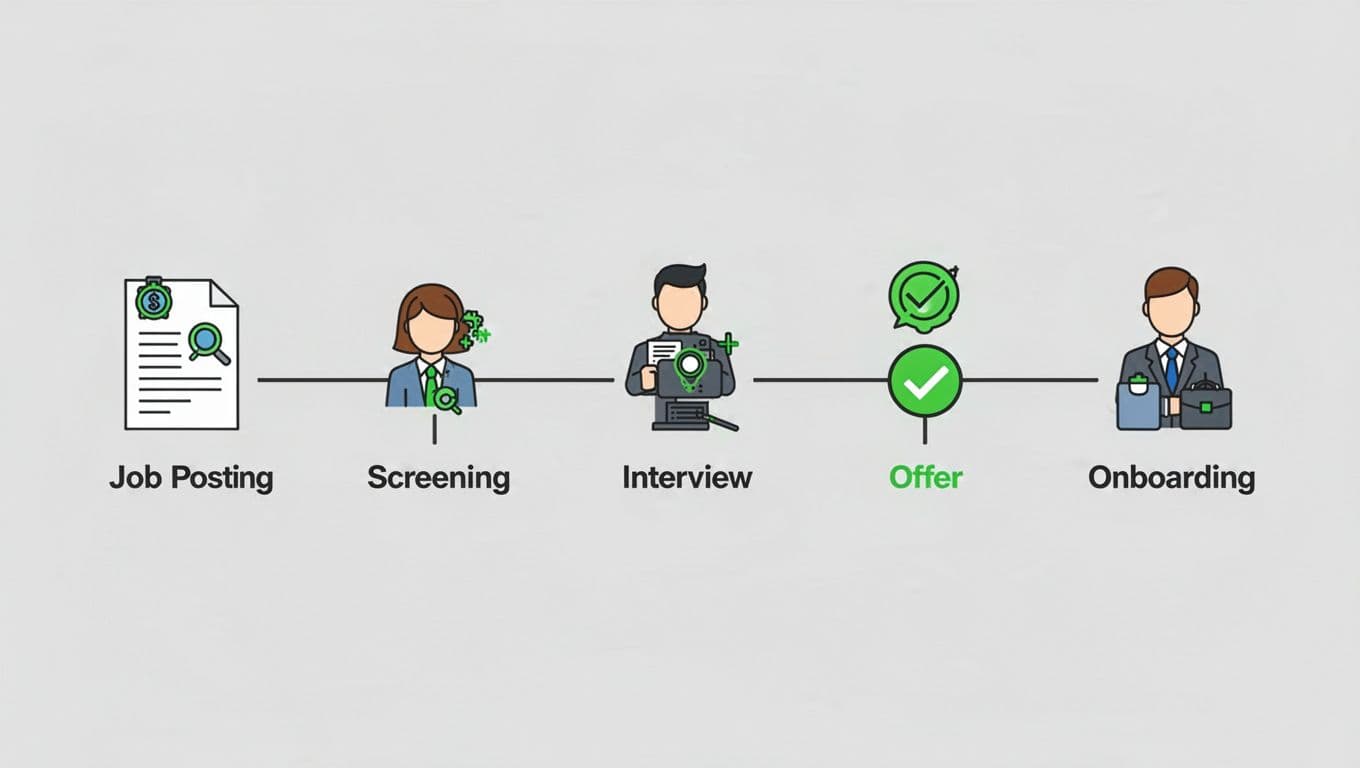
- Define needs: List must-haves based on your tools. Budget for senior pay.
- Source candidates: Use LinkedIn, cybersecurity recruiters, and conferences. Post detailed JDs.
- Screen resumes: Filter for Entra/Okta keywords and SIEM projects.
- Phone screen: 15 minutes on experience.
- Technical assessment: Live rule-writing or log analysis.
- Interviews: 3-4 rounds with SOC, IAM leads.
- Offer and onboard: Include ramp-up time for your stack.
Red Canary shares hiring tips for threat teams. Base questions on daily tasks.
Aim for 4-6 weeks total. Track diversity in sourcing.
Top Interview Questions and Hiring Scorecard
Probe deep with scenario-based questions. Test real skills, not trivia.
Technical Questions:
- Walk us through tuning a UEBA model for Entra ID logins. What baselines do you set?
- How do you detect lateral movement in a hybrid Okta-AD setup?
- Describe integrating identity alerts into Splunk. Handle false positives how?
- Explain mapping an identity attack path with sample tools.
- Build a Python script to parse Okta logs for anomalous MFA failures.
Behavioral Questions:
- Tell about a time you automated incident response for privilege abuse.
- How do you collaborate with IAM on nonhuman identity risks?
Scorecard Template:
| Category | Weight | Score (1-5) | Notes |
|---|---|---|---|
| Entra/Okta Skills | 25% | ||
| UEBA/SIEM | 25% | ||
| Scripting/Automation | 20% | ||
| Attack Paths/IR | 15% | ||
| Cultural Fit | 15% | ||
| Total | 100% | Hire if >80% |

Iceberg suggests practical exercises like threat intel assessments. Use them.
Okta’s engineer postings emphasize anomaly experience. Mirror that.
Pitfalls to Avoid in Your Search
Skip generic screens; they miss hybrid experts. Don’t hire coders without security context.
Overlook nonhuman identities at your peril. Trends show them as prime targets.
Rush without scorecards. Bias creeps in.
Ignore onboarding. Pair new hires with mentors for quick ramp-up on your SIEM.
For ITDR best practices, see Eye Security’s overview.
If sourcing stalls, Book a Discovery Call with Bud Consulting. They specialize in these roles.
Key Takeaways
Hire identity threat detection engineers who master Entra ID, Okta, and UEBA. Focus on must-haves like hybrid telemetry and SIEM integrations. Use scorecards and practical tests to pick winners.
Strong hires block attacks before they spread. Salaries start at $120,000 for mids but deliver huge value.
Act now on these steps. Your security depends on it.