table of contents
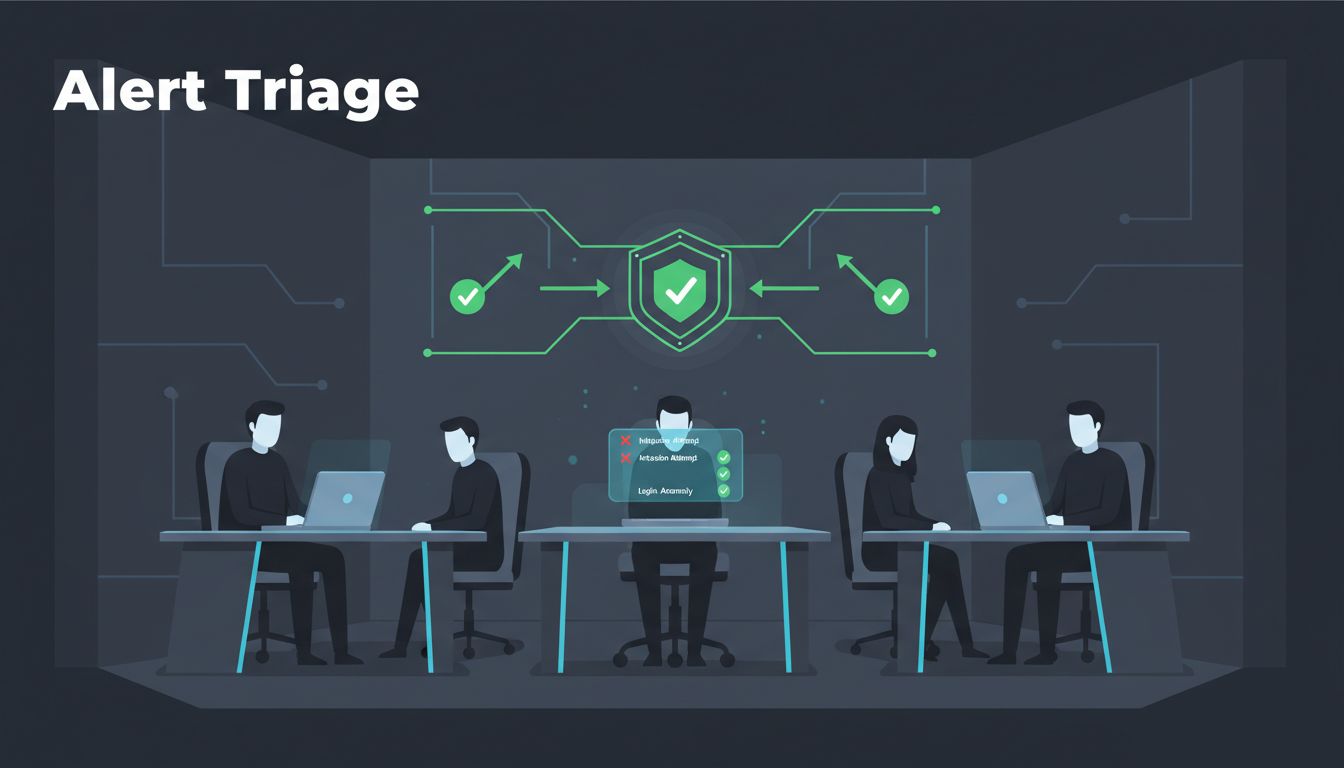
Your small SOC team gets bombarded by alerts every shift. Most turn out to be noise. Analysts waste hours on false positives, and real threats slip through because everyone is tired.
You know the drill: limited staff means no room for alert fatigue. A solid alert triage workflow fixes that. It helps prioritize fast, stay consistent, and focus on what matters. Small teams cut response times by 50% or more with these steps.
This guide walks you through building one from scratch. Start simple, then add layers as you grow.
Tackle Alert Fatigue Head-On
Small SOCs drown in alerts. Tools like SIEMs and EDR spit out thousands daily. Your two or three analysts can’t chase them all.
Fatigue hits hard. It leads to burnout and missed incidents. One study shows analysts handle 500 alerts per shift on average, but only 1% need action.
Focus on reduction first. Tune detections to drop low-value noise. Use baselines from your environment, like normal login patterns.
Check CISA’s incident scoring system for priority ideas. It sets levels from severe to negligible based on impact.
Build habits that stick. Assign shifts clearly. Rotate on-call to share the load. Track metrics like alerts per analyst and false positive rate weekly.
Result? Your team stays sharp. They investigate faster because junk doesn’t pile up.
Define Triage Criteria That Work
Criteria come first. Without them, triage is guesswork.
Start with basics: severity from the tool, asset value, and threat context. Ask: Does this hit a critical server? Is the IP known bad? Match to MITRE ATT&CK tactics for quick threat fit.
Here’s a sample decision process. Use it as a checklist during triage.
| Factor | Low Priority | High Priority |
|---|---|---|
| Asset | Workstation | Domain controller |
| Threat Intel | Clean IP | Malicious VT hits |
| User Behavior | Normal login | Failed attempts from abroad |
| Recency | Older than 24 hours | Within last hour |
Prioritize high-impact first. For example, privilege escalation on a server jumps to critical.
See this CISA guide on MITRE ATT&CK mapping to link alerts to techniques. It keeps triage consistent across shifts.
Test criteria on past alerts. Adjust weights based on your data. Low-confidence rules get tuned later.
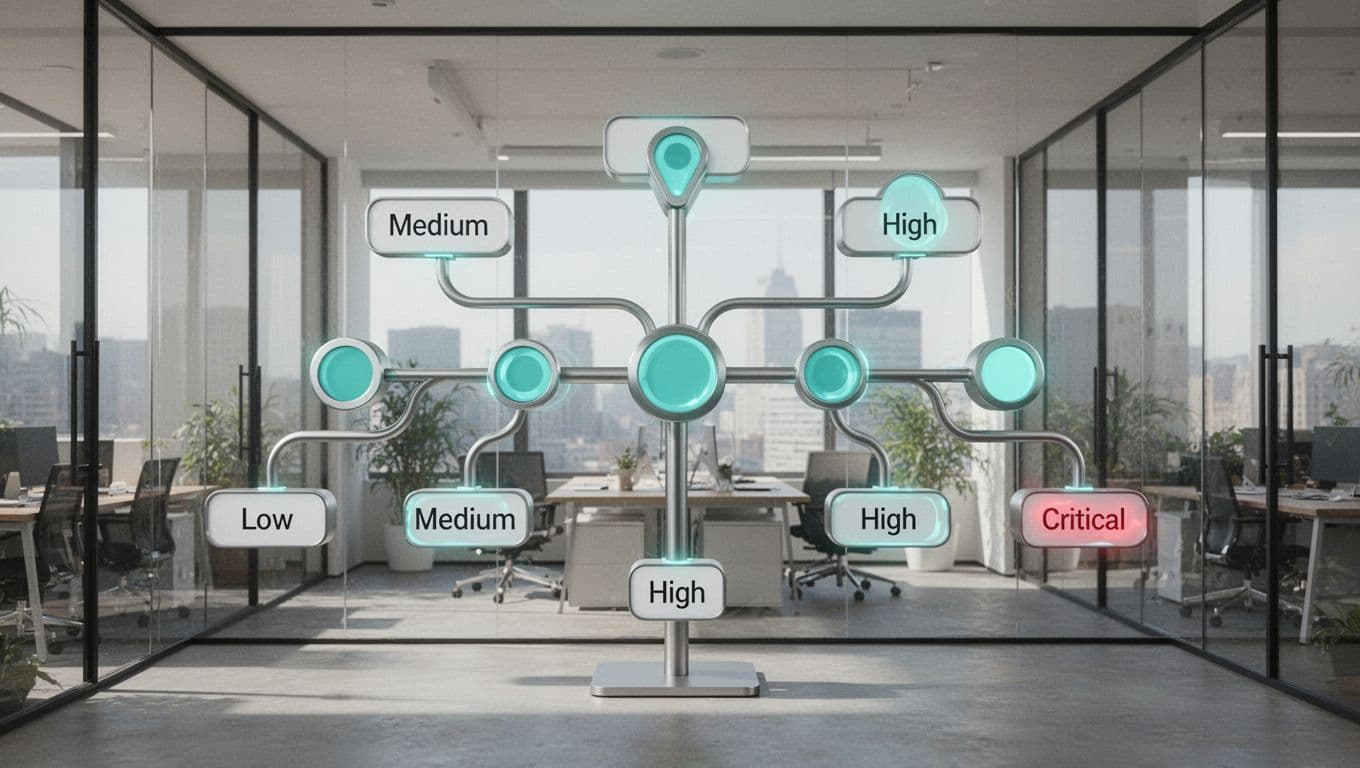
This setup drops 60-70% of noise upfront. Analysts breathe easier.
Map Out Your Workflow Stages
Now connect the pieces. A clear alert triage workflow has five stages: intake, enrich, prioritize, investigate, resolve.
Intake pulls alerts into one queue. Use your SIEM dashboard or a shared ticket tool.
Enrich next. Add context like user role or asset tags. Free threat intel APIs help here.
Prioritize with your criteria. Assign levels: P1 critical, P2 high, down to P4 low.
Investigate top ones. Check logs, endpoints, network flows. Note findings.
Resolve last. Close false positives with reasons. Escalate real issues with handover notes.
Keep it linear for small teams. No complex branches yet.

Document in a one-page playbook. Share via wiki or PDF. Review weekly.
For examples, check this complete alert triage guide. It covers enrichment and disposition well.
This flow ensures nothing falls through cracks. Consistency builds over time.
Add Lightweight Automation
Automation saves hours without big budgets. Small SOCs thrive on scripts and no-code tools.
Start with rules-based filters. Auto-close known false positives, like scans from your AV.
Use free options like cron jobs or Zapier for enrichment. Pull VirusTotal scores automatically.
For routing, set Slack bots or email rules. Critical alerts ping the manager.
Later, try open-source like this GitHub triage engine. It scores alerts on severity, recency, and more.
Avoid overkill. One automation at a time. Test on a subset first.
Benefits stack up. Teams cut triage time by half. Focus shifts to hunting threats.
If tools overwhelm, outsource tuning. It frees your staff.
Train Analysts and Keep Improving
People make the workflow. Train everyone on criteria and stages.
Run tabletop exercises monthly. Walk through sample alerts together.
Track key metrics: triage time, escalation rate, false positive drops.
Gather feedback after shifts. What slowed you? Tune accordingly.

Build muscle memory. New hires ramp up in weeks.
As you mature, add case management. Tools like Jira track ownership.
Hiring gaps? Book a Discovery Call with Bud Consulting to find SOC talent fast.
Iteration keeps it fresh. Your SOC scales without more headcount.
Key Takeaways
A strong alert triage workflow turns chaos into control for small SOCs. Define criteria, map stages, automate basics, and train relentlessly.
You cut fatigue and boost consistency right away. Start with tuning and checklists today. Metrics will show wins in weeks.
Real threats get attention they deserve. Your team stays ahead.