table of contents
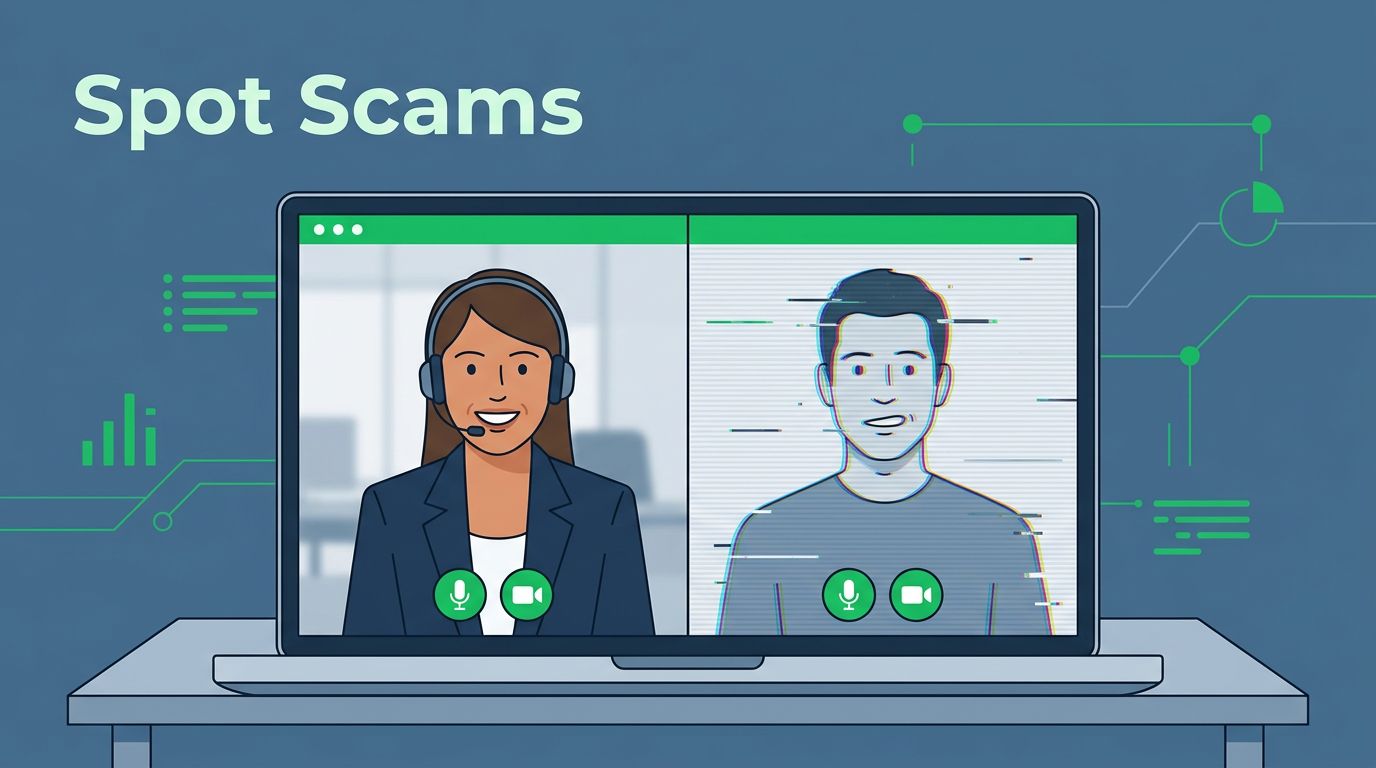
A recruiter spots odd glitches in a video interview. The candidate’s face doesn’t quite match their words. This happens more now because cheap AI tools let scammers fake identities easily.
Remote hiring sped up these problems. Fraudsters use deepfakes and stolen profiles to slip through. Stats show 76% of hiring pros have seen fake job history. Gartner predicts one in four candidates could fake details by 2028.
You can train your team to catch these early. Let’s look at the signs, techniques, and steps that work.
Why These Scams Target Hiring Now
Scammers love remote jobs. No office walk-ins mean less face time. AI makes it simple to create fake resumes or videos. Losses from job scams topped $501 million by 2024, and numbers climb.
Fraud rings sell kits on the dark web. They include VoIP numbers and deepfake software. Tech firms, finance, and healthcare see the most hits. One group even placed operatives via proxies.
Remote work hides locations. A candidate claims Ukraine but logs in from near North Korea. IP checks reveal that. Fast hiring skips deep vetting, so bad actors win.
HR teams must adapt. Basic training cuts risks. Focus on AI trends helps everyone stay sharp.
Key Warning Signs to Spot
Trained eyes catch fakes fast. Look for video glitches first. Lips don’t sync with speech. Skin shading shifts unnaturally when they move.
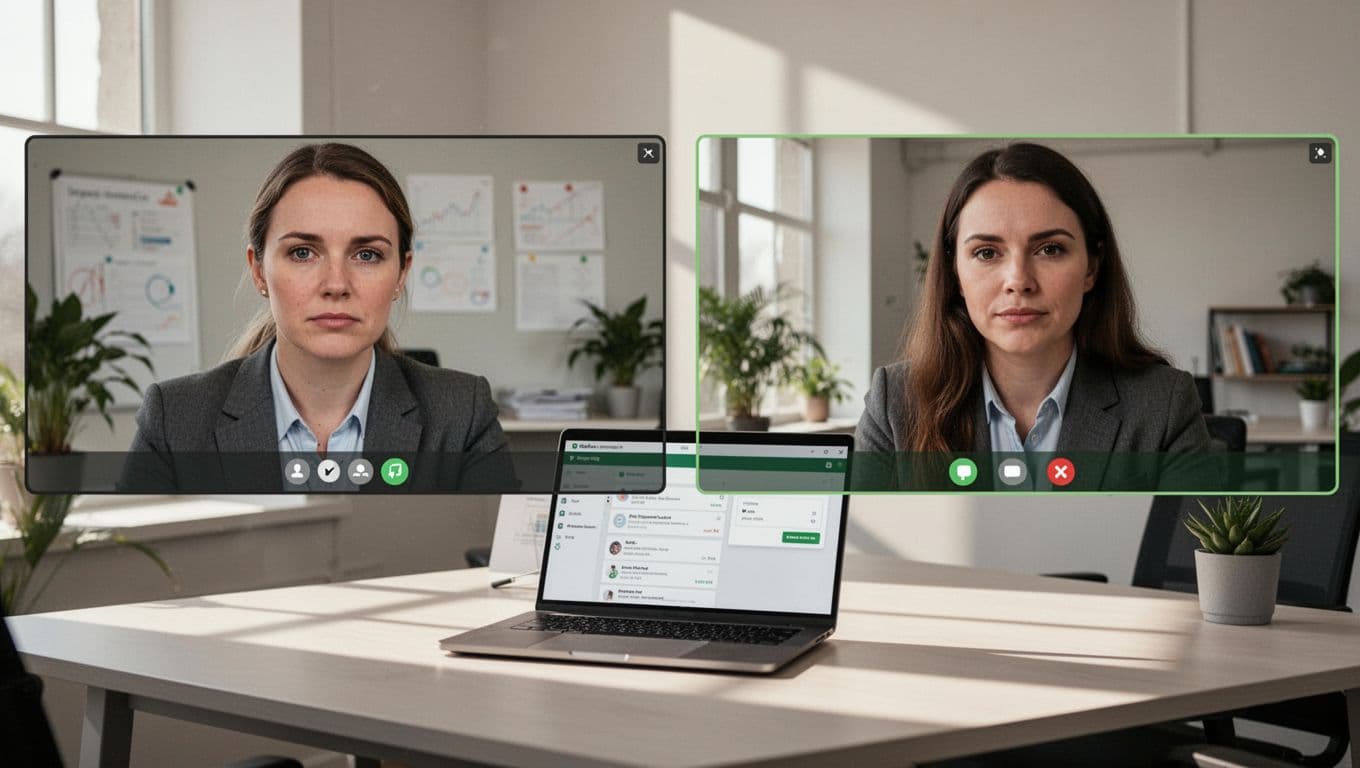
Backgrounds often clash. A pro setup turns plain or looped. Hesitant answers signal scripts or earpieces. Resumes look too perfect, no typos or gaps.
Real example: A firm interviewed “Ivan,” a Russian coder. His face lagged on video. IP traced to a military site. He used deepfake to push for hire.
Another case involved a Serbian engineer. Camera “failed” at first. Then video showed AI artifacts. The profile vanished after questions.
Check LinkedIn photos too. Low-res images don’t match live feeds. Ask for recent selfies. Mismatches raise flags.
Interview Techniques That Verify Identity
Start with live checks. Require webcam on from join. No “tech issues” excuses.
Ask spontaneous questions. “Walk us through your last project mess-up.” Real pros share stories with details. AI stumbles on specifics.
Use gesture tests. “Put your hand near your face.” Deepfakes glitch here. One security expert dodged a fake by spotting refusal.
Record sessions with notice. Review later for oddities. Cross-check with references via phone. Ask about quirks only contacts know.
For remote roles, add in-person finals if possible. Or use proctor tools for tests. Webcam monitors hands and eyes.
These steps confirm the person matches the profile. They build trust without slowing hires.
Process Controls to Block Scams
Layer defenses in your workflow. Verify IDs early with liveness scans. Apps check blinks and head turns.
Document everything. Note interview notes, IP logs, and call records. Share with security teams.
Set escalation paths. Suspicious? Pause and loop in IT. They run background scans.
Onboard securely. New hires get watched access first. No full VPN day one.
Post-hire, train on imposters targeting them. FTC notes scammers pose as bosses for gift cards. Educate to report odd requests.
Collaborate across teams. HR flags risks to recruiting and security. Regular drills keep skills fresh.
Training Framework and Checklist for HR Teams
Build a simple program. Run quarterly sessions on trends. Use real cases like the Vidoc Security Lab deepfake postmortem.
Make it hands-on. Role-play interviews. Practice spotting deepfake signs from experts.
Here’s a quick checklist for every stage:
| Stage | Action Items | Why It Helps |
|---|---|---|
| Application | Scan resume for perfect phrasing; check LinkedIn match | Catches AI-generated fakes |
| Screening | Video call with ID show; note IP | Blocks location lies |
| Interview | Gesture test; spontaneous questions | Exposes deepfakes and proxies |
| Offer | Reference calls; background check | Verifies full history |
| Onboard | Limited access; monitor first week | Limits insider damage |
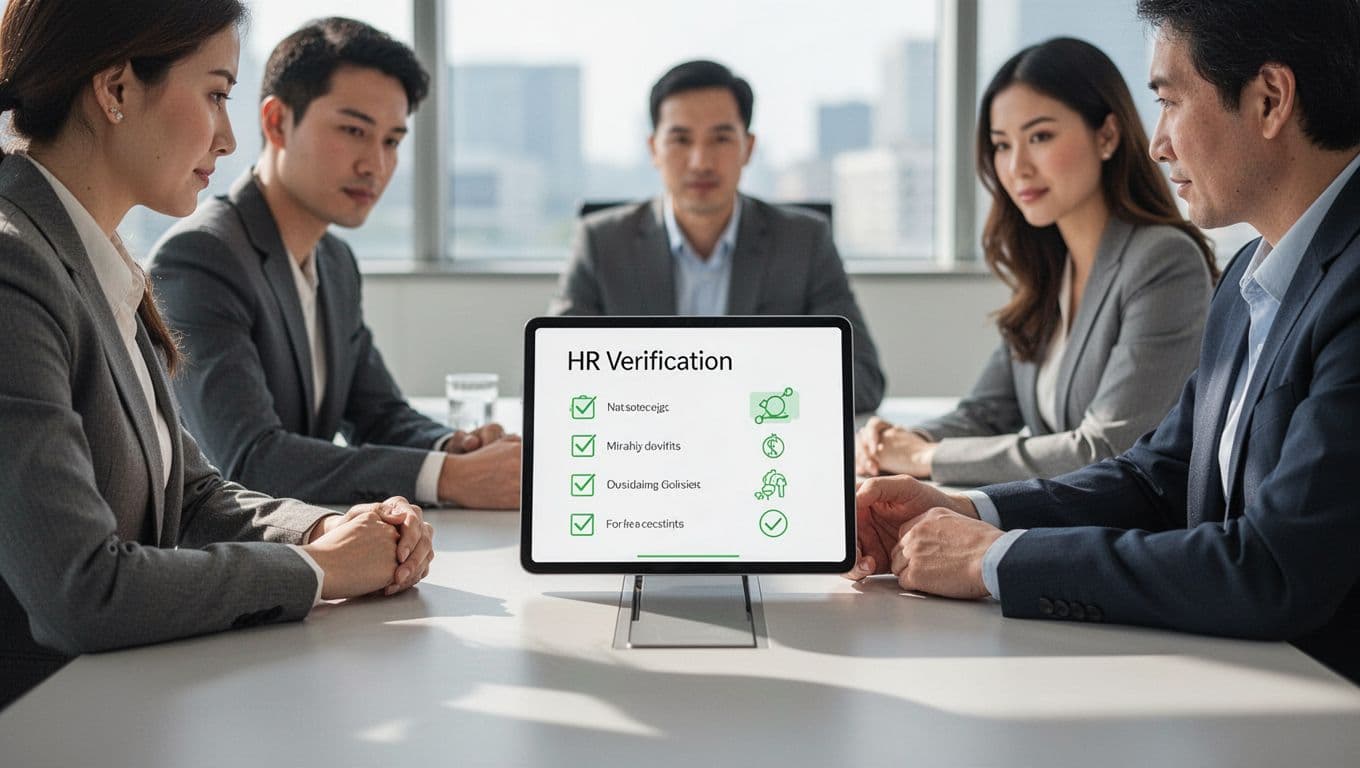
Print this for teams. Update with new threats. For details on candidate fraud types, review resources.
Conclusion
Spotting candidate impersonation starts with awareness and practice. Use signs like glitches, checklists, and verifications to stay ahead.
Teams that train regularly hire safer. Risks drop when HR, recruiting, and security align.
Ready to strengthen your process? Book a Discovery Call with Bud Consulting for tailored advice.