table of contents
Your top sales rep just landed a big deal. But during the pitch, they casually mentioned a rival’s “internal pricing strategy” they heard from a friend at a conference. Sounds helpful, right? Wrong. That slip could trigger lawsuits, fines, or worse.
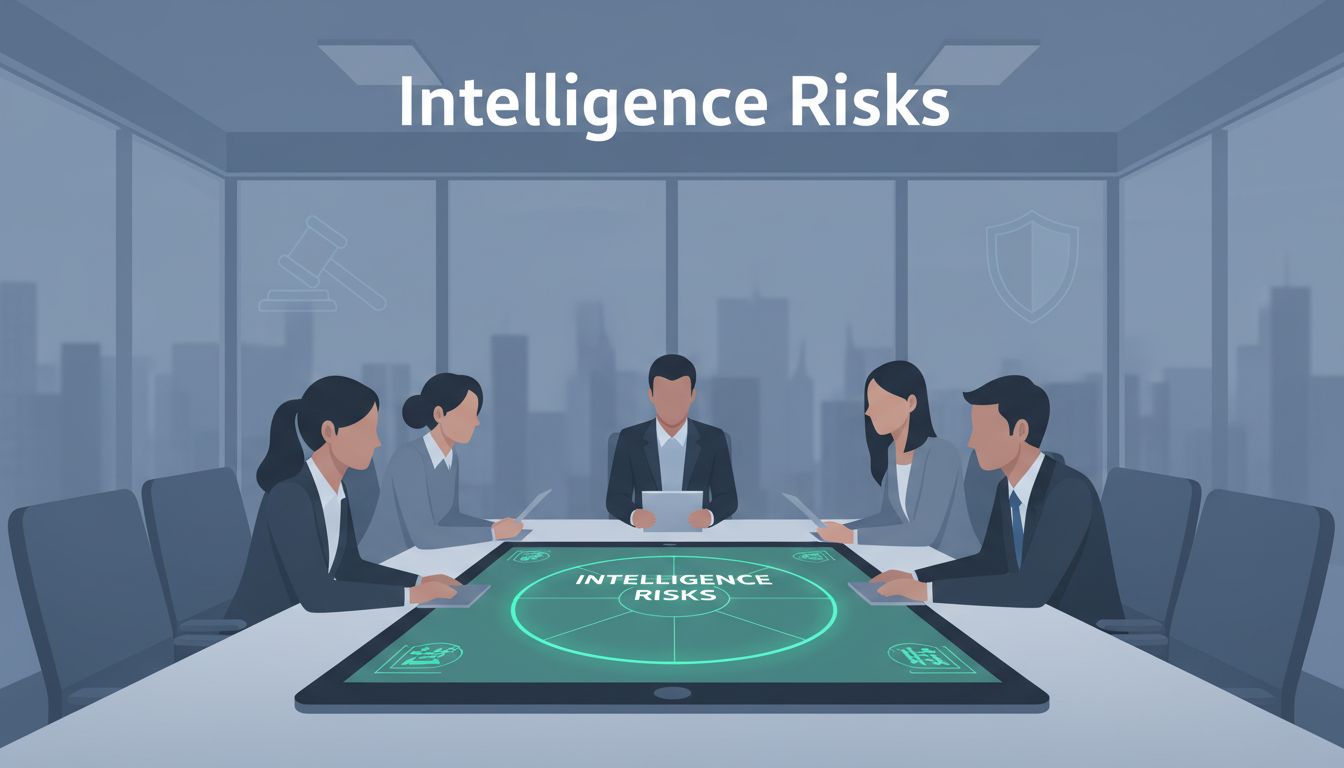
Sales teams chase wins every day. They gather intel on competitors to sharpen pitches. Yet poor practices expose your company to competitive intelligence risks like legal violations and reputational damage. You need training that sticks.
This guide shows sales leaders how to build smart programs. You’ll get actionable steps, examples, and a checklist. Start with the main dangers your reps face.
Key Competitive Intelligence Risks
Sales reps dig for edges. They check websites, attend events, and talk to customers. But lines blur fast. One wrong move invites trouble.
Legal risks top the list. Reps can’t accept confidential info from insiders. That’s trade secret theft under laws like the U.S. Defend Trade Secrets Act. For instance, a rep promising a contact “I’ll keep this quiet” while noting rival roadmaps crosses into illegal territory. Acceptable? Public demos or earnings calls.
Ethical issues follow close. Reps sometimes pose as analysts to probe suppliers. Unacceptable. It erodes trust. Reps should stick to open sources.
Reputational harm hits hard too. A leaked email chain about “poaching intel” goes viral. Customers bail. Data handling adds worry. Storing unverified competitor details in CRM invites breaches.

Info-Tech Research Group notes that undisciplined intel leads to lost deals and risks. Teams improvise without guidance. They risk inconsistent messages.
AI tools amplify problems now. Tools hallucinate facts, like fake pricing shifts. Sales pitches flop on bad data. Always verify publicly.
These risks cost millions. Crayon reports sales teams lose deals from intel disconnects. Train reps to spot them early.
Set Clear Policies First
Policies guide behavior. Without them, reps guess. Start with a one-page doc.
Define what’s okay. Public info from websites, reviews, or filings counts as fair game. Ban dumpster diving or fake personas.
Outline data rules. Use secure tools for notes. Delete unverified scraps. Tag sources in CRM.
Include reporting. Reps flag shady offers. “No thanks, can’t use that” ends talks politely.
Tailor to your firm. Check legal team input. Laws vary by industry. Pharma faces stricter rules than software.
Post policies in Slack or portals. Review quarterly. Reps sign off annually.
Forrester highlights that modern intel prioritizes analysis over raw collection. Policies focus reps on value, not volume.
Remind during onboarding. “Follow this, win clean.” It builds habits.
Design Effective Training Sessions
Training beats memos. Reps retain 75% from practice sessions.
Schedule monthly 45-minute workshops. Mix slides, quizzes, and talks.
Cover basics first. Explain laws simply. Use cases: Rep A shares job post intel (fine). Rep B takes emailed internals (fireable).
Add scenarios. “Customer offers rival demo notes. What next?” Discuss as group.
Guest speakers help. Bring compliance officers. They share war stories.
Track progress. Pre-post quizzes measure gains. Aim for 90% pass.

Make it interactive. Role-play beats lectures. Reps practice objections.
Reinforce often. Weekly emails recap one tip. “Verify AI intel publicly.”
Align with company rules. Consult legal before rollout. Customize per needs.
Sessions boost win rates. Reps pitch confidently without shortcuts.
Role-Play Acceptable and Unacceptable Practices
Role-play cements lessons. Reps live the risks.
Pair them up. One acts as customer, other as rep. Script tempting offers.
Acceptable: Rep asks, “What’s your experience with us?” Notes public feedback.
Unacceptable: Rep probes, “Heard your rival cut prices. True?” Pushback follows: “How’d you know that?”
Debrief right after. “What went wrong? How to redirect?”
Vary scenes. Trade show chats. Supplier calls. Lost deal reviews.
Record sessions. Review privately. Praise good pivots.
Add AI twists. “Tool says competitor launched X. Verify how?”
Do this biweekly. Rotate roles. New reps shadow vets.
It shifts mindsets. Reps spot risks instinctively.
CIRadar lists risks like missed opportunities from poor intel. Role-play closes gaps.
Sales Training Checklist for Competitive Intelligence Risks
Use this checklist for onboarding and refreshers. Print it. Check off as you go.
| Step | Action | Done? |
|---|---|---|
| 1 | Review company policy doc | ☐ |
| 2 | Quiz on legal basics (e.g., trade secrets) | ☐ |
| 3 | Role-play 3 scenarios: public intel, shady offer, AI check | ☐ |
| 4 | Sign ethics pledge | ☐ |
| 5 | Demo secure note-taking in CRM | ☐ |
| 6 | Schedule follow-up in 30 days | ☐ |

Run it in 60 minutes. Reps leave ready.
Adapt per legal advice. Test quarterly.
Key Takeaways
Smart training dodges competitive intelligence risks. Policies set rules. Sessions build skills. Role-play makes it real. Checklists ensure consistency.
Reps win more when they play clean. Deals close faster. Your rep won’t risk that “internal pricing” slip again.
Strong programs protect revenue. Start today. Book a Discovery Call with Bud Consulting to strengthen your security culture around human risks.
(Word count: 982)