table of contents
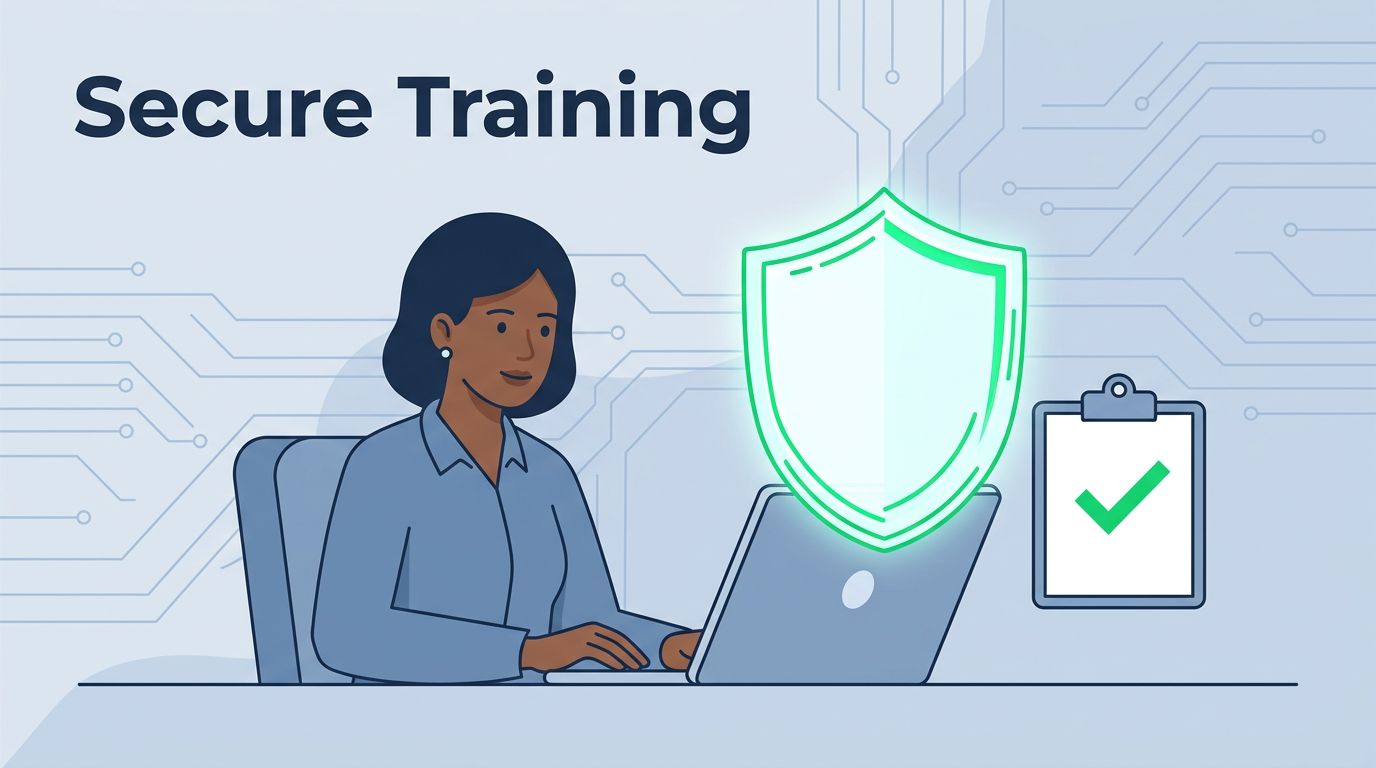
You hire contractors to fill gaps fast. They access sensitive data right away. One slip, though, and you face breaches or fines. Contractor data handling training fixes that. It sets clear rules so everyone protects your info.
Poor training leaves holes. Contractors might share files wrong or use weak passwords. In 2026, laws like updated privacy regs demand better. You need a program that sticks. This guide shows how to build one that works.
Why Contractor Data Handling Training Matters
Breaches often start with outsiders. Contractors handle client lists or project files. They work remote, so risks grow. Training cuts those risks.
Think of it this way. Your full-time team knows the rules. Contractors don’t unless you teach them. Federal rules back this up. For example, FAR Subpart 24.3 on privacy training requires contractors to train staff on PII safeguards. It covers handling, access, and breaches.
Data shows impact. Mishandled info leads to leaks. Fines hit millions. Training builds habits. It covers confidentiality from day one.
You also meet contracts. Many deals require it now. Align with 2026 standards on privacy and security. That keeps partners happy.
Start small. Quiz new hires on basics. Track who finishes. Results show quick wins. Teams feel safer too.
Essential Topics for Contractor Training
Cover core areas first. Start with confidentiality. Contractors must know what counts as secret. No sharing outside need.
Next, data classification. Teach levels like public, internal, confidential. It helps them spot risks.

Least-privilege access fits here. Give only what they need. No full database views.
Secure file sharing comes up often. Ban email for sensitive stuff. Use approved tools instead.
Incident reporting saves time. Tell them to report spills fast. Use a simple form.
Device rules matter. Require updates and antivirus. Passwords need strength: 12 characters, mix types.
Records retention sets timelines. Keep what you must, delete rest.
DHS security training for contractors lists PII basics. It stresses reporting and safeguards. Pull from sources like that.
Make sessions role-based. Short videos work for basics. Hands-on for advanced.
Build Your Training Program Step by Step
Set goals first. What data do contractors touch? List risks.
Step 1: Map requirements. Check 2026 privacy laws and contracts. Note must-haves like annual refreshers.
Step 2: Pick format. Online modules save time. Add live Q&A for new groups.
Step 3: Create content. Use slides and quizzes. Keep under 60 minutes.
Step 4: Roll out. Require before access. Send links via email.
Step 5: Test knowledge. Multiple choice works. 80% pass needed.
Step 6: Track and remind. Use LMS tools. Flag lapsed users.
Test it on a small group. Fix weak spots. Update yearly.
Fisher Phillips 5-step plan for federal contractors offers a solid base. Adapt it.
This process scales. Small firms use free tools. Big ones add custom sims.
Sample Training Framework
Frame sessions around flow. Module 1: Welcome and policies (10 min). Cover acceptable use.
Module 2: Data basics (15 min). Classify and access.
Module 3: Tools and habits (15 min). Sharing, devices, passwords.
Module 4: Risks and response (10 min). Incidents, retention.
Module 5: Quiz and sign-off (10 min). Certify completion.
Total: 60 minutes. Follow with toolkit: cheat sheet, contacts.
Repeat annually. Or after big changes.
Contractor Standards data privacy guidelines match this. They stress intake, storage, sharing.
Hand out at end. It reinforces points.
Quick Contractor Training Checklist
Use this before go-live. Check off each.

- Confidentiality: Signed NDA? Understands no-share rule?
- Classification: Knows sensitivity levels?
- Access: Least-privilege set? Revokes on end?
- Sharing: Approved platforms only?
- Reporting: Knows incident line?
- Devices: Secure setup verified?
- Passwords: Meets strength rules?
- Retention: Clear delete dates?
- Training: Quiz passed? Annual plan?
Review post-session. Gaps mean no access.
Handle Offboarding Properly
End matters as much as start. Revoke access day one.
Collect devices. Wipe company data.
Review logs. Spot odd activity.
Delete accounts. Change shared passwords.
Get sign-off. Confirm no copies left.

Checklist helps here too. Train HR on it.
Essential practices for federal contractors covers vendor reviews. Apply to offboard.
Miss this, and risks linger.
Key Takeaways
Strong contractor data handling training protects your ops. Cover essentials like access and reporting. Build step by step, use checklists.
You cut breaches and meet 2026 rules. Start today. Book a Discovery Call with Bud Consulting for tailored advice.
Your team stays secure. Contractors deliver without worry.