table of contents
Your API-first apps run on microservices, Kubernetes clusters, and third-party dependencies. Attackers target them daily because APIs form the new perimeter. Yet most teams still chase alerts without closing the loop on fixes.
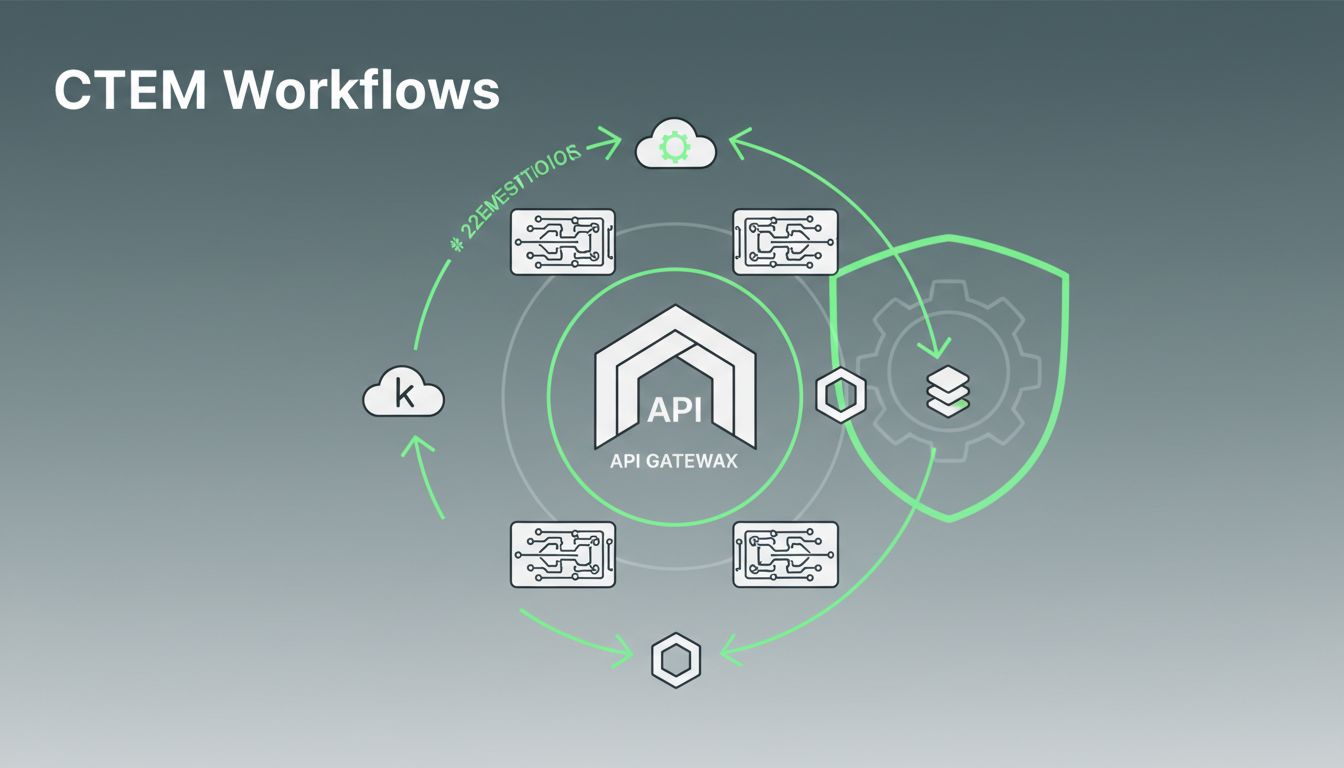
CTEM workflows change that. They connect discovery to remediation in a continuous cycle. You scope risks, find them, prioritize, validate, and mobilize teams. For API stacks, this means spotting undocumented endpoints and tying them to business impact.
Let’s walk through practical workflows that fit your DevSecOps pipelines.
Why CTEM Fits API-First Stacks
API-first designs use REST, GraphQL, and OAuth for service-to-service calls. Gateways like Kong or AWS API Gateway front them. But shadow APIs and SaaS dependencies create blind spots. Traditional scans miss runtime behaviors.
CTEM bridges AppSec, cloud security, and ASM tools. It pulls in CI/CD telemetry and runtime data from tools like Datadog. In 2026, only 16% of organizations run full CTEM cycles. Leaders prioritize it for APIs because breaches often start there.
Consider a typical stack: Kubernetes pods expose high-privilege paths via OAuth tokens. CTEM workflows map these to owners. They integrate with Jira backlogs so engineers fix issues without context switches. Palo Alto Networks outlines this closed-loop approach.
You reduce mean time to remediate (MTTR) by automating handoffs. Runtime telemetry flags anomalous GraphQL queries. Cloud security tools like Prisma confirm exposures.
Discovering Hidden APIs
Undocumented APIs hide in microservices deploys. Developers add endpoints for testing, then forget them. Attackers find these via fuzzing or ASM reconnaissance.
Start your CTEM workflow with continuous discovery. Tools scan traffic logs, Kubernetes manifests, and API gateways. They flag internet-facing paths and service-to-service auth gaps.

In a Kubernetes setup, focus on pods with elevated RBAC. Correlate external exposures from ASM with internal inventories. For example, a forgotten /admin endpoint on a payment service links to high business risk.
Integrate with CI/CD. GitHub Actions triggers scans on merges. This catches shadow IT early. Third-party SaaS APIs, like Stripe webhooks, get inventoried too.
Prioritizing API Risks
Not all findings matter. You drown in CVEs without context. CTEM prioritizes by exploitability and impact.
Score internet-facing paths first. High-privilege ones, like those handling user data, get top slots. Add business context: tie endpoints to revenue streams or PII.
AI tools in 2026 prune attack paths. They cut false positives by 84%, focusing on reachable threats.
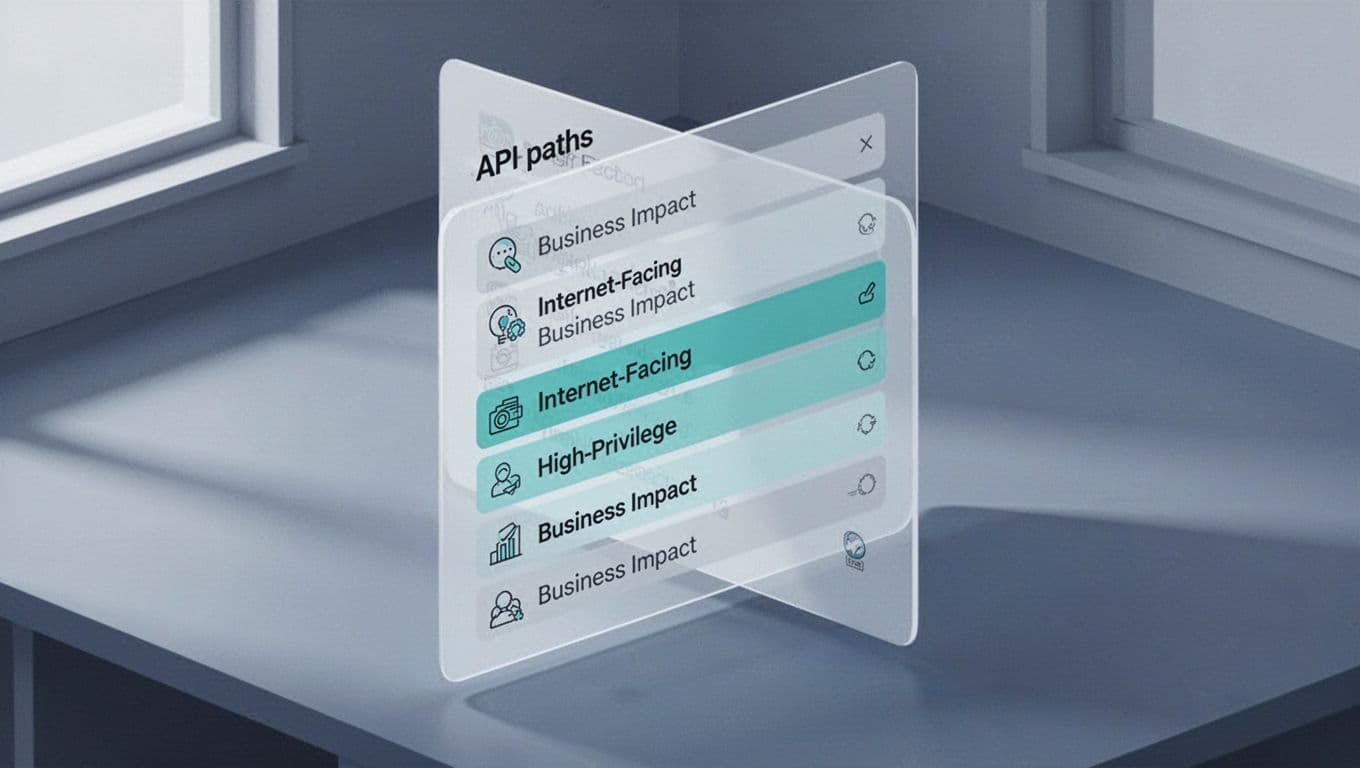
For instance, an OAuth misconfig on a GraphQL endpoint scores high if it’s public. Runtime telemetry confirms active use. Tools like IONIX map code-to-cloud for dev teams.
Feed priorities into backlogs. Slack notifications assign tickets with exploit proofs.
Validating Exploitability
Prioritization sets the order. Validation confirms real danger.
Use safe simulations: DAST for REST APIs, query fuzzing for GraphQL. PTaaS platforms test dynamically.
Skip this, and you fix ghosts. Validation boosts visibility by 50%. Integrate with CI/CD gates. Failed tests block deploys.
Mobilize fixes next. Auto-create Jira issues with repro steps. Track SLAs via ServiceNow. Verify closures with retests.
In API stacks, runtime checks catch ephemeral exposures. Kubernetes sidecars monitor traffic.
Measuring CTEM Success
Track outcomes, not activities. KPIs show if workflows work.
Key metrics include MTTR under 7 days, exposure coverage over 90%, and validation rates above 80%.

| Metric | Target | Why It Matters |
|---|---|---|
| MTTR | <7 days | Speeds fixes in fast CI/CD cycles |
| Coverage | >90% | Catches most API exposures |
| Validation Rate | >80% | Filters false positives |
| Remediated Findings | 70% quarterly | Closes the loop |
These tie to business: fewer breaches, compliant APIs.
Best Practices Checklist
Adopt these for smooth CTEM in API stacks:
- Map APIs to owners at scope time.
- Automate discovery with ASM and cloud logs.
- Use AI for prioritization; always add business context.
- Validate with runtime tests in CI/CD.
- Integrate mobilization to Jira or backlogs.
- Review KPIs weekly; adjust scopes quarterly.
Start small: pilot one service mesh.
Key Takeaways
CTEM workflows secure API-first stacks by linking discovery to fixes. You spot hidden endpoints, prioritize real threats, and measure progress.
Teams that adopt this see faster remediations and fewer exploits. APIs remain your perimeter; manage them continuously.
Book a Discovery Call with Bud Consulting to build your program.