table of contents
DDoS attacks hit harder in 2026. They flood your hybrid setups with multi-vector blasts that target APIs and cloud edges. You lose minutes of uptime, but costs stack up at $22,000 per minute.
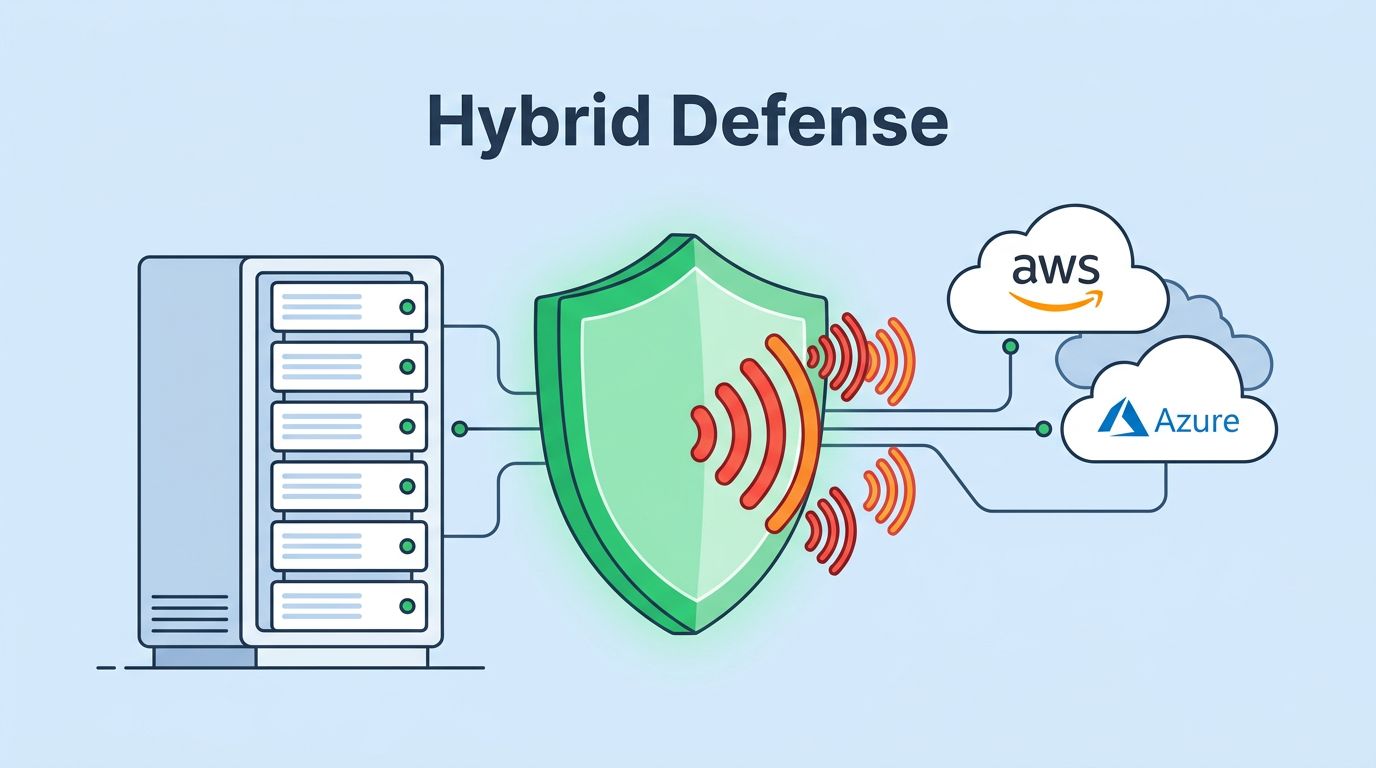
Your distributed environments mix on-premises data centers with AWS, Azure, and multi-cloud workloads. Attackers exploit gaps between them. Traditional scans miss these moving parts.
CTEM changes that. It runs a continuous cycle to spot, test, and fix DDoS exposures before they strike. You’ll see how to apply it step by step.
Understanding DDoS Risks in Distributed Environments
Hybrid clouds create wide attack surfaces. On-prem servers link to public clouds through VPNs or direct connects. Each connection is a potential entry for floods.
In Q1 2026, DDoS incidents grew fast. Multi-vector attacks rose 128% year-over-year, per StormWall’s analysis. Attackers mix UDP floods with HTTP barrages. They aim to overwhelm Layer 3/4 and Layer 7 at once.
Cloud impacts hit hard too. Public sector clouds saw targets double to 12% of attacks. Botnets like Aisuru push 30+ Tbps in seconds. Short bursts, under 10 minutes for 89% of them, dodge old defenses.
APIs draw fire. Layer 7 surges jumped 104% over two years, says Akamai. Exposed endpoints in microservices become flood magnets.
Third-party risks add up. CDNs or SaaS links carry unvetted traffic. One weak vendor exposes your core.
One-time pentests fall short here. They snapshot a static view. CTEM keeps watch as assets shift.

Your SecOps team needs visibility across this mess. Start by mapping flows between on-prem firewalls and cloud load balancers. Tools like network telemetry reveal blind spots.
Hacktivists drive volume now. They hit 3,700 sites in waves. Financial and telco sectors suffer most because downtime bites deep.
Ignore these trends at your peril. A single unchecked API can cascade into full outages.
The CTEM Cycle for DDoS Management
Gartner’s CTEM framework fits DDoS perfectly. It loops through five stages: scope, discover, prioritize, validate, and mobilize. Unlike annual audits, this runs weekly or daily.
You gain ongoing resilience. Teams fix real threats, not guesses. Palo Alto Networks outlines how it interrogates your full footprint.
Automation drives it. AI scans assets and simulates paths. You cut noise and focus effort.
The cycle closes the loop. Mobilize feeds back to scope. Exposures shrink over time.

Picture your dashboard lighting up with DDoS metrics. Green bars show validated fixes. Red flags point to API weak spots.
In hybrid setups, integrate on-prem logs with cloud APIs. This unifies the view.
CTEM beats point solutions. It ties vulnerability data to business impact. You prioritize what matters.
Run it quarterly at first. Scale to continuous as tools mature.
Scoping Your DDoS Attack Surface
Scope sets boundaries. Pick crown jewels first: public-facing web apps, APIs, and cloud gateways.
List hybrid elements. On-prem load balancers feed Azure Front Door. Include SD-WAN links and vendor APIs.
Expand to 90% coverage over time. Track internet-facing IPs and domain names.
Use asset inventories from CMDBs. Cross-check with BGP data for unexpected exposures.
Third-party risks hide here. SaaS connectors often bypass firewalls. Scope them too.
Tools like Shodan or cloud native scanners help. They flag open ports ripe for amplification.
In 2026, AI picks targets. Scope dynamic workloads like Kubernetes clusters.
Narrow to high-traffic paths. E-commerce APIs handle millions of calls. They top the list.
Document business impact. A downed payment gateway costs more than a blog.
Revisit scopes monthly. Migrations add new edges.
This stage takes 10% of your CTEM effort. It pays off by focusing the rest.
Continuous Discovery of DDoS Exposures
Discovery runs non-stop. Agents probe your surface for misconfigs and forgotten assets.
In hybrids, scan on-prem with Nmap scripts. Pull cloud metadata from AWS Config or Azure Resource Graph.
Focus on DDoS vectors. Open UDP ports invite floods. Weak rate limits expose APIs.
AI tools correlate logs. They spot anomalous BGP announcements that signal hijacks.
Integrate identity data. Stolen creds amplify insider DDoS.
Automate daily. Set alerts for new exposures.
Combine passive and active scans. Passive listens to traffic. Active pings safely.
Cloud-native architectures shift fast. Auto-scale groups spin up vulnerable instances.
Discovery feeds prioritization. Raw data alone overwhelms.
Expect 100s of findings weekly. Filter by exploitability early.
Prioritizing DDoS Exposures
Not all exposures equal. Prioritize by reachability and impact.
Build a matrix. Plot likelihood against downtime cost.
High-risk: Public APIs with no WAF. They draw Layer 7 floods.
Use attacker views. Can a botnet reach this path? Score chains.
AI cuts false positives. It weighs multi-vector potential.
In 2026, APIs top lists. Cloudflare’s report notes over-privileged SaaS links.
Bias toward volume targets. Finance apps handle spikes; protect them first.
Business input matters. Rank by revenue loss.
Re-score weekly as threats evolve.
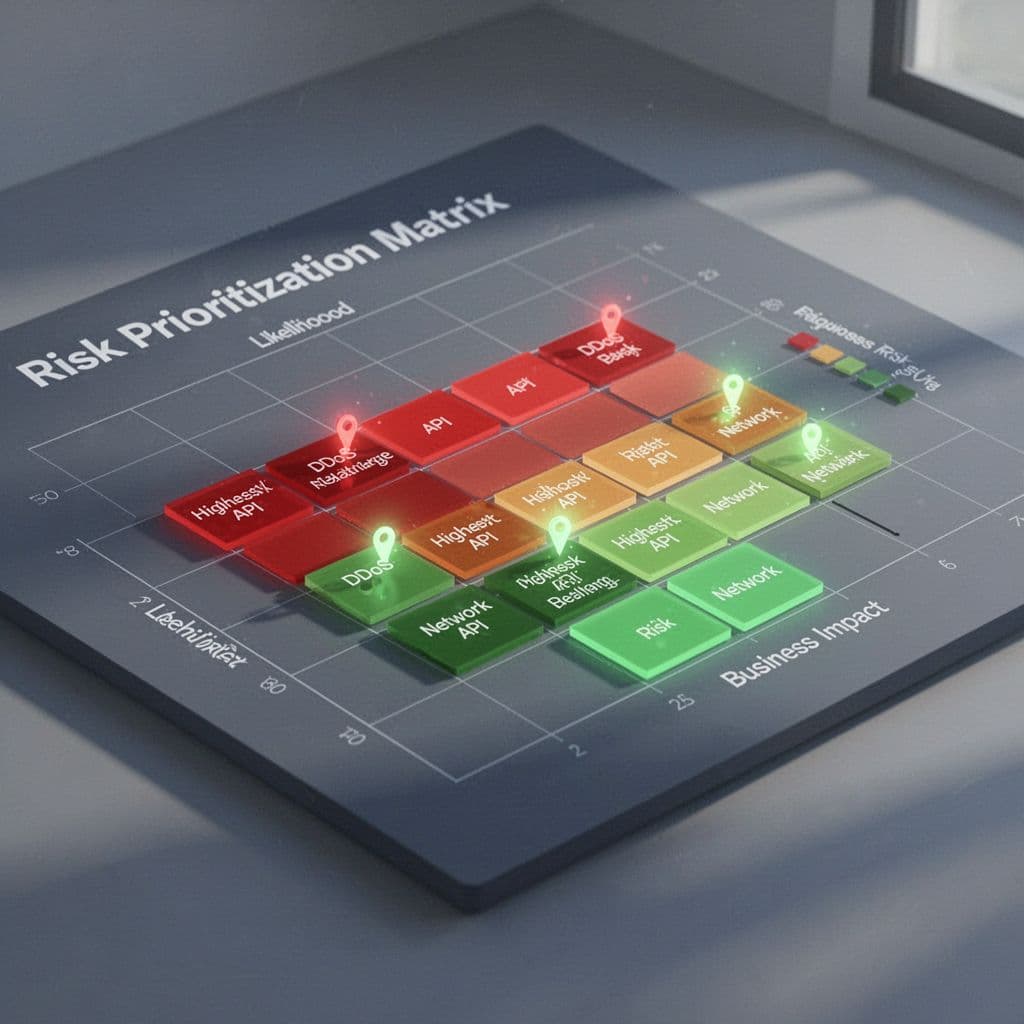
This stage trims your queue to 2% of issues. Teams fix what counts.
Tackling Multi-Vector and API DDoS Attacks
Multi-vector attacks mix floods. UDP hits networks; HTTP stresses apps.
APIs suffer most. 74% rise in app-layer attacks targets them.
Validate with simulations. Test if vectors chain together.
Non-disruptive tools probe safely. They mimic botnets without harm.
MazeBolt details how CTEM fits DDoS testing.
For APIs, check rate limits and auth. Exposed endpoints invite abuse.
In clouds, east-west traffic hides risks. Segment with zero trust.
Document paths. A compromised CDN could flood internals.
Prioritize validation quarterly. Confirm top 20 exposures.
This proves theoretical risks. You avoid chasing ghosts.
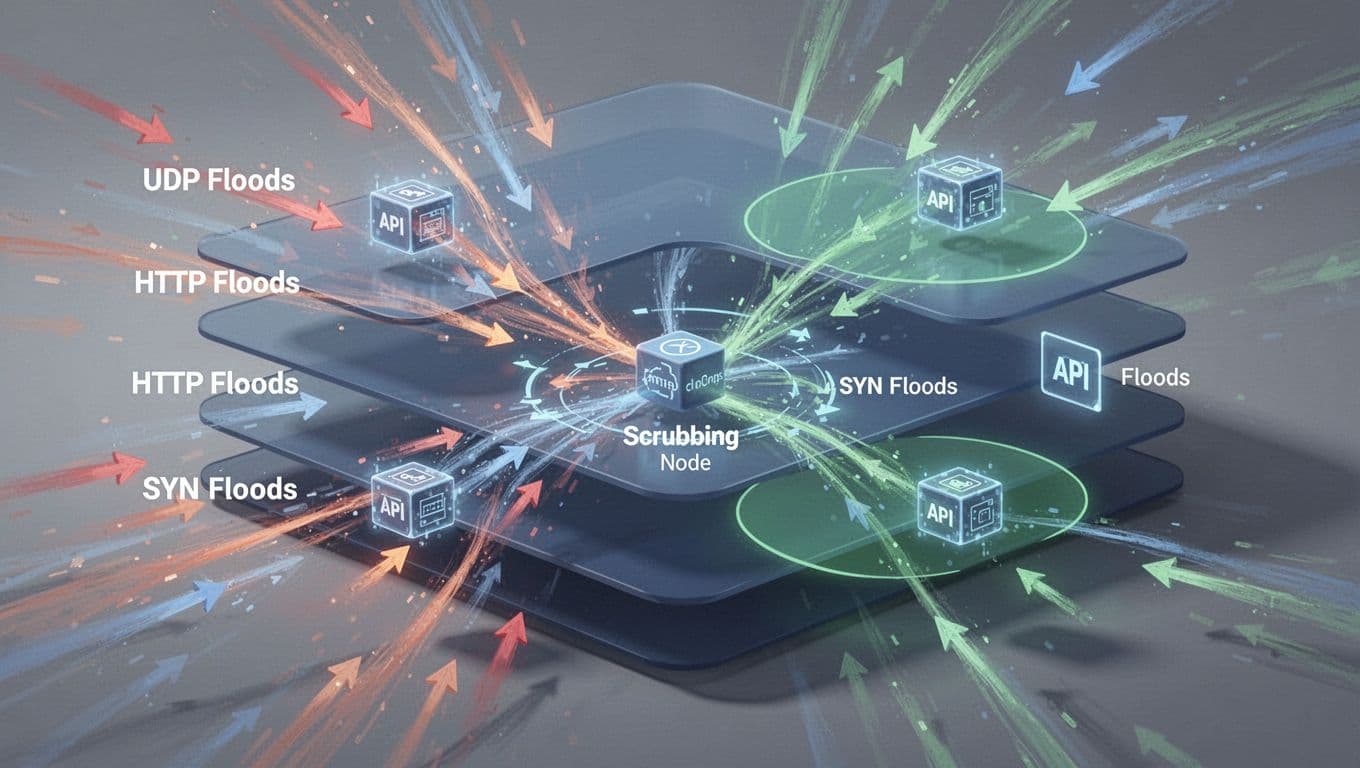
Results guide mitigations. Teams know what breaks.
Key Mitigation Tools and Integration
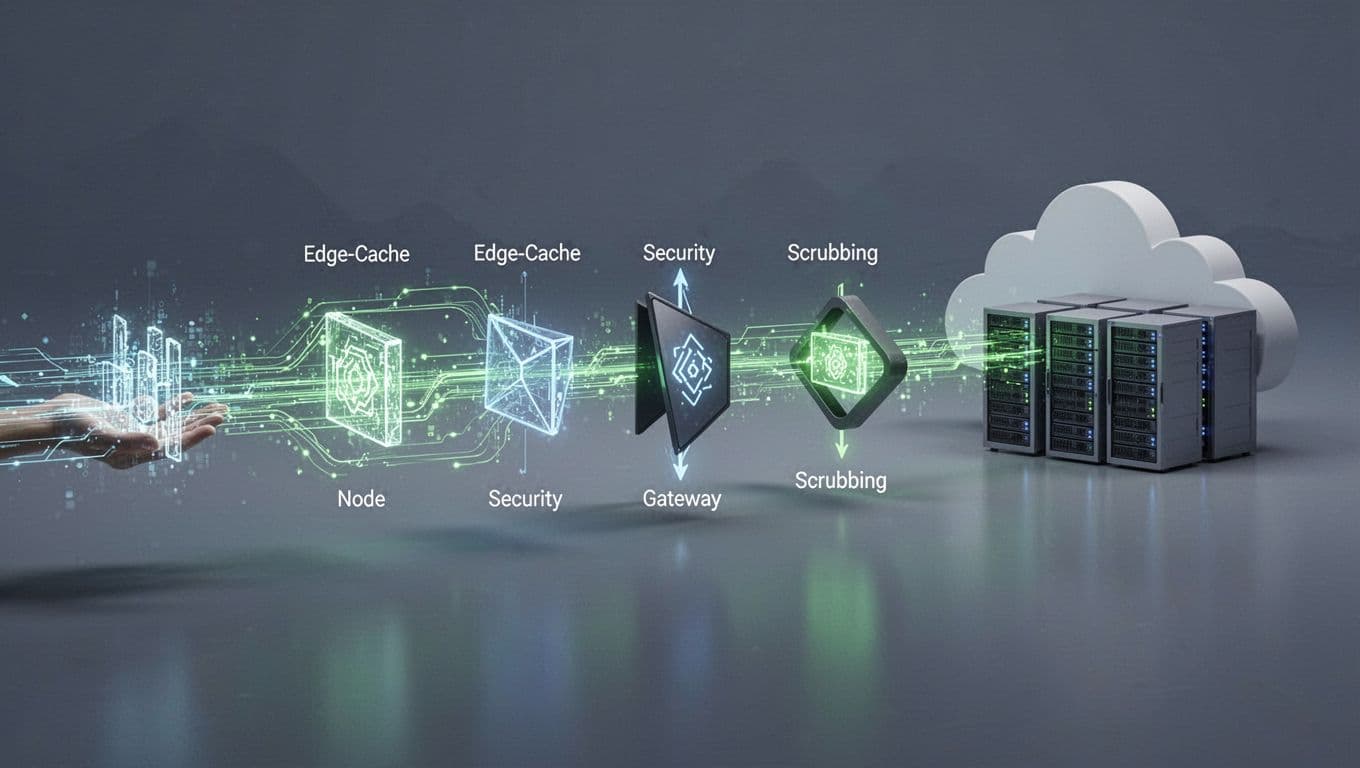
Mitigate with layers. Start at edges.
CDNs like CloudFront absorb volume. They cache and filter.
WAFs block Layer 7. Microsoft’s best practices pair DDoS Protection with WAF.
Scrubbing centers clean traffic. Divert floods via BGP.
In hybrids, anycast routes to nearest scrubbers.
AWS guides stress global services.
Integrate with CTEM. Automate rules from validations.
Rate limit APIs. Geo-block suspects.
Test integrations. Simulate to tune.
Third-parties need SLAs. Vet their DDoS posture.
Automate responses. SOAR tickets fixes fast.
Baseline traffic first. Anomalies trigger scrubs.
Mobilizing Teams for DDoS Resilience
Mobilize turns plans into action. Assign owners per exposure.
Cross-train SecOps and IT. Cloud teams own API fixes.
Use playbooks. Step-by-step for flood responses.
Track metrics. Time to mitigate under 5 minutes.
Continuous validation loops back. Retest post-fix.
Share dashboards. Execs see risk drop.
Scale with automation. 80% of low risks fix themselves.
Partner for gaps. Consultants audit hybrids.
If skills lack, book a discovery call with Bud Consulting. They source DDoS experts.
Culture shifts too. Run tabletop exercises.
This stage sustains gains. Exposures trend to zero.
Key Takeaways for DDoS Resilience
CTEM builds lasting DDoS defenses. Its cycle spots hybrid gaps others miss.
Focus on multi-vector and API risks. Integrate scrubbing with WAFs for full coverage.
Prioritize ruthlessly. Validate before you patch.
Teams mobilize faster with automation. Risks drop steadily.
Your uptime holds. Costs stay low. Start the cycle today.