table of contents
You run critical workloads on old servers that can’t take patches. Downtime hits revenue hard. Attackers love these blind spots.
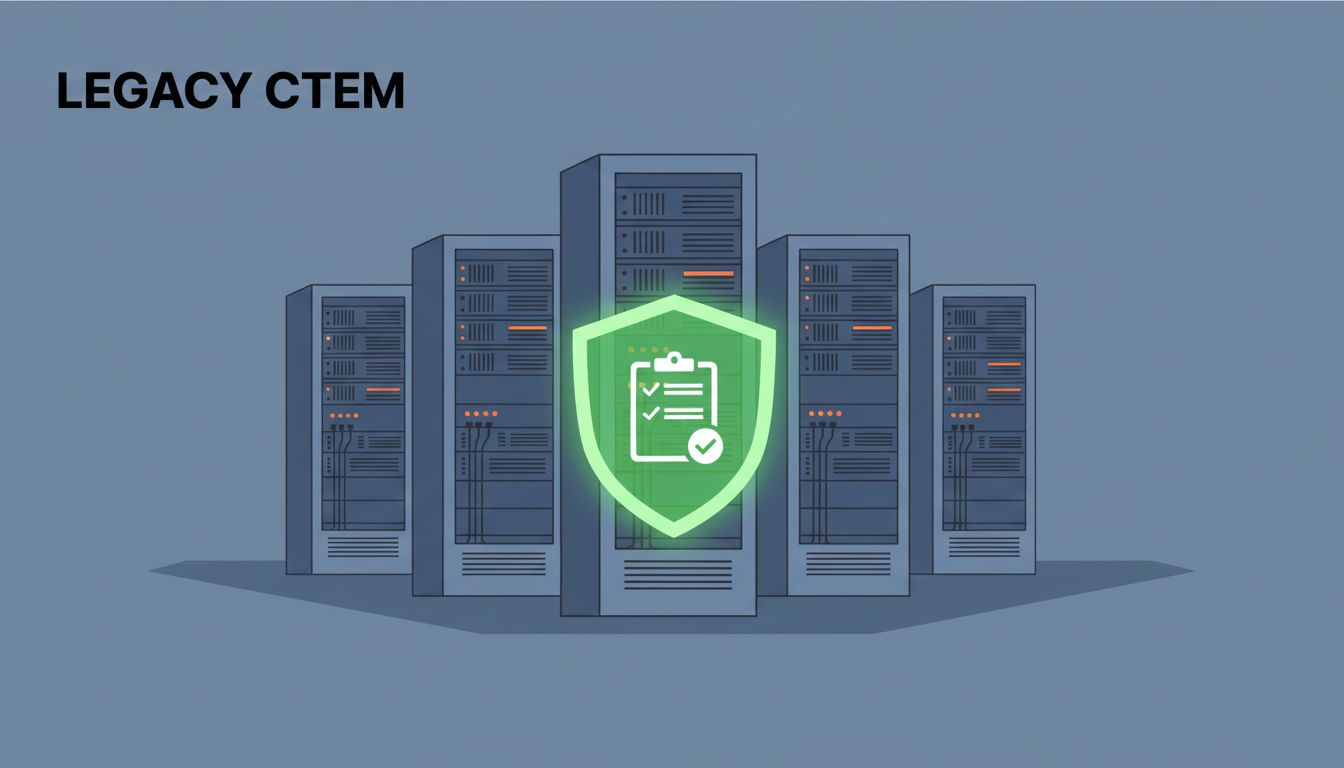
Legacy on-premise systems power many operations, but they create huge security headaches. Unsupported OS versions stack up vulnerabilities. Fragile dependencies mean one change breaks everything. CTEM for legacy systems shifts your focus from endless vuln lists to real business risks.
This post shows how to apply CTEM practically. You’ll get steps to prioritize exposures and build compensating controls.
Real Challenges with Legacy On-Prem Systems
Legacy systems stick around for good reasons. They handle proprietary apps or meet strict regulations. But security teams face real limits.
Patching often fails. Old OS like Windows Server 2008 lack updates. Tests show downtime risks too high for 70% of teams. Visibility stays low. Scanners miss shadow assets or forgotten VMs.
Asset sprawl worsens it. IT knows mainframes run ERP. Yet orphaned test servers hide in corners. Dependencies tie everything together. A vuln in one library cascades.
Regulations add pressure. Finance rules demand proof of controls. Auditors flag unpatched gear. Operations teams push back on changes that disrupt 24/7 uptime.

Recent breaches highlight the cost. An Oracle incident exposed data from a hidden legacy server. Attackers exploited unmonitored paths. In 2026, 96% of teams can’t confirm if legacy risks allow easy hacks.
Threat intel gaps slow response. SOCs chase 74% false alerts. Real paths to crown jewels get ignored.
What CTEM Means for Legacy Environments
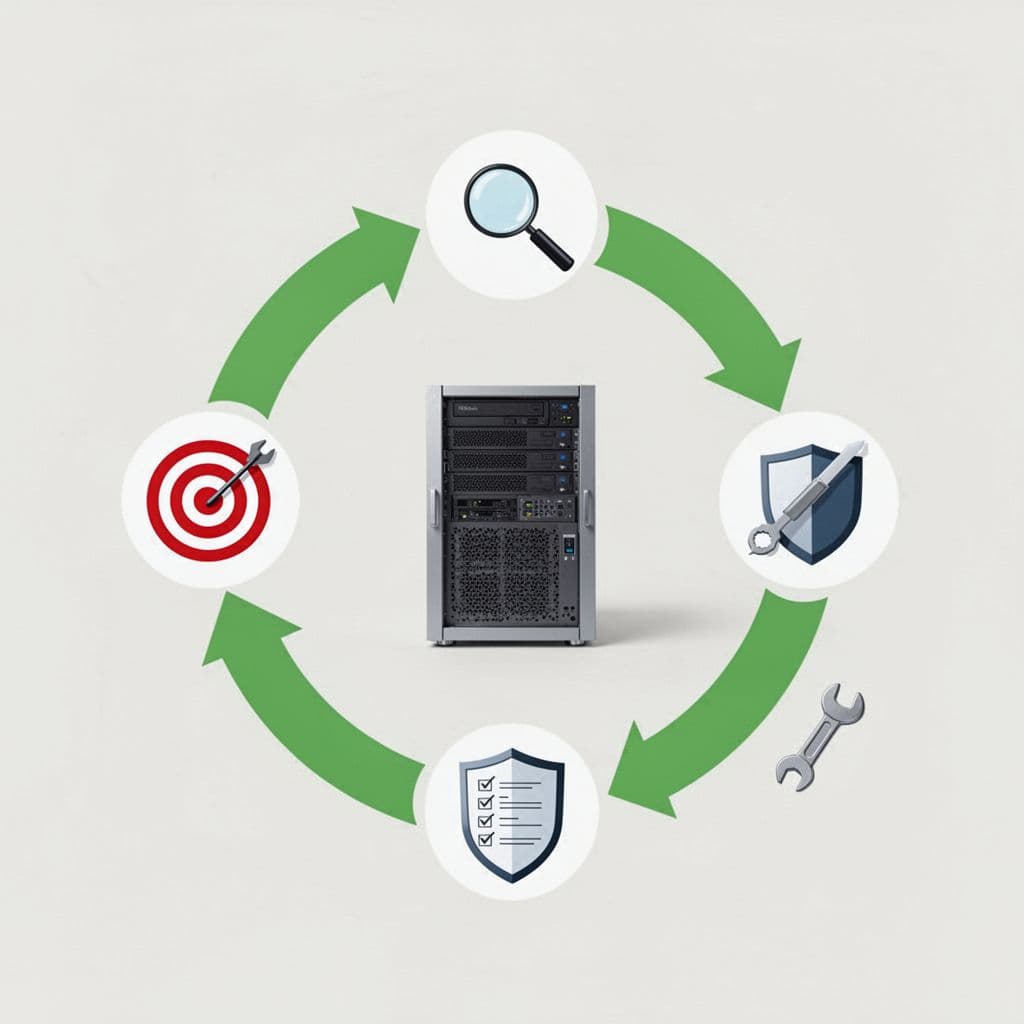
CTEM cycles through five steps: scope, discover, prioritize, validate, and mobilize. It fits legacy setups without cloud assumptions.
Traditional vuln management spits out CVEs. CTEM adds context. It maps paths from internet to your core banking server.
For on-prem, discovery scans internal nets. Agents struggle on old iron. So use passive monitoring and ASM tools. They spot external views of legacy assets.
Gartner pushed CTEM hard. By 2026, adopters expected fewer breaches. Many lag because data overwhelms without prioritization.
Qualys explains CTEM basics. It unifies on-prem, cloud, and identities. No more siloed views.
Legacy needs agentless options. Network taps or SPAN ports feed data. This avoids install risks on fragile boxes.
Business alignment matters. Tag assets by revenue impact. A vuln on a dev box ranks low. One near patient data jumps high.
How CTEM Prioritizes Risks in Legacy Systems
CTEM beats raw CVSS scores. It weighs exploitability, business impact, and control strength.
Start with scope. Pick high-value legacy assets like ERP mainframes.
Discovery finds exposures. Include misconfigs and weak AD ties.
Prioritization ranks paths. A high-sev vuln with no exploit drops low. One with active malware and admin access soars.
Validation tests reachability. Simulate attacks on that unpatched IIS server. Does segmentation block it?
Mobilize fixes or controls. Repeat weekly.
Tenable covers CTEM differences from vuln mgmt. It handles OT and IoT too, common in legacy mixes.
In practice, automation shines. Tools cut triage time 42%. Rules filter noise.
Example: Unpatched Exchange server. CTEM checks if firewall rules stop lateral moves. If yes, deprioritize. Monitor logs instead.
Actionable Steps to Roll Out CTEM
Start small. Inventory legacy first.
- Map assets. Use CMDB plus ASM scans. Flag unsupported OS.
- Choose tools. Agentless for production. XM Cyber targets legacy paths.
- Build baselines. Run weekly cycles on top 20 assets.
Compensating controls fill gaps. Network segmentation isolates old servers. App whitelisting blocks exploits. Zero-trust for admins limits blast radius.
Train teams. IT learns risk scores. Security shares paths.
Measure success. Track mean time to validate. Aim under 24 hours.
Strobes roadmap fits enterprises. Consolidate inventories. Close visibility gaps.
For hybrid, blend on-prem with cloud views. Gov agencies do this now.
If skills lack, book a discovery call with Bud Consulting. They source CTEM experts.
Key Takeaways
CTEM turns legacy chaos into focused action. Prioritize paths that matter. Use controls where patches fail.
Teams fix real risks faster. Breaches drop as visibility grows.
Apply the cycle now. Your on-prem gear deserves it.