table of contents
Your SOC team drowns in alerts. CTEM scans reveal exposures daily, but they sit isolated from SIEM logs. You miss the full picture.
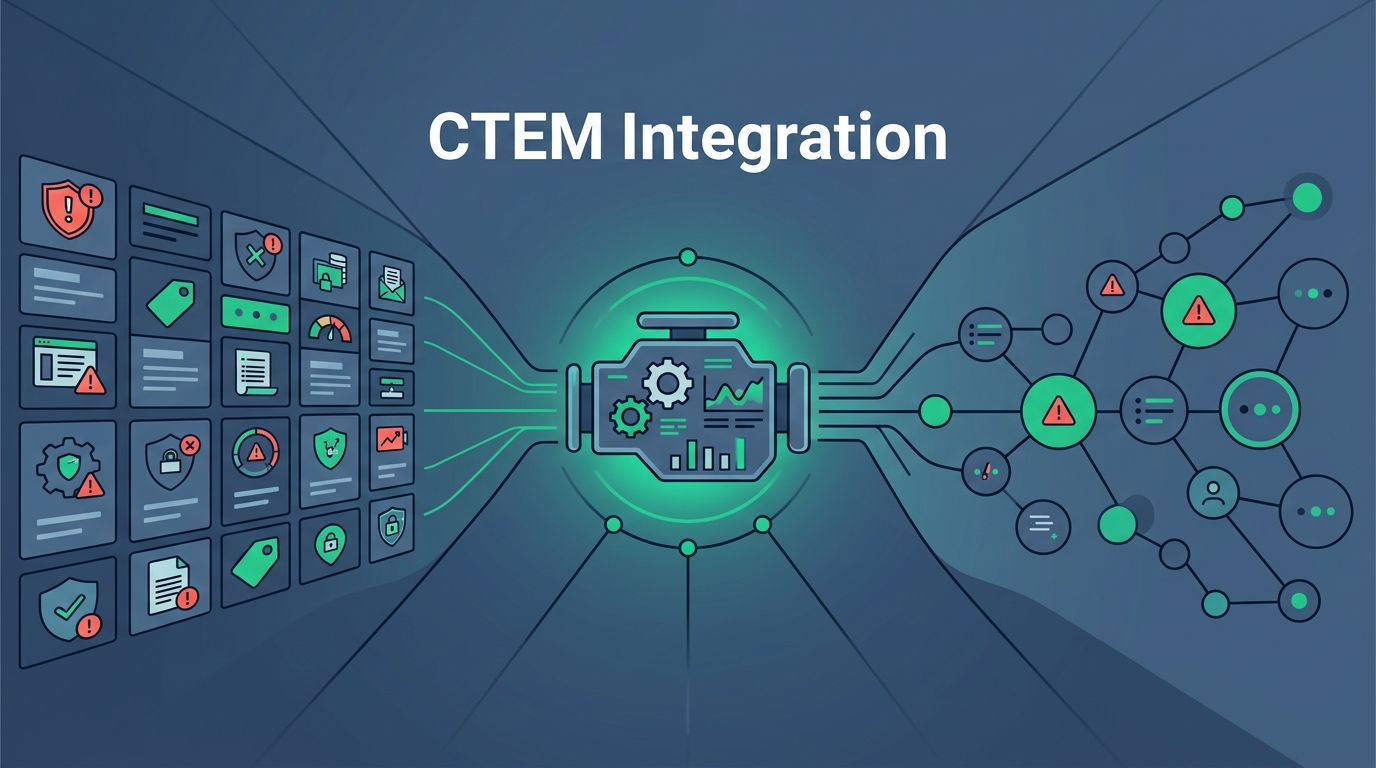
CTEM SIEM integration fixes this. It pulls exposure data into SIEM for context-rich detection. Teams triage faster and remediate smarter.
This guide shows you how. You’ll learn mapping steps, prioritization tactics, and workflows that work today.
Why CTEM SIEM Integration Matters Now
CTEM continuously maps your attack surface. It spots vulnerabilities, misconfigurations, and weak defenses across cloud, SaaS, and on-prem assets. SIEM collects logs and correlates events for threat hunting.
Together, they create a loop. CTEM feeds exposures left of the breach. SIEM detects right of it. In 2026, this closed-loop approach boosts visibility by 50%, per recent trends.
Data overload hits hard. SOC analysts waste 42% of time on noise. Without integration, 96% of teams skip exploitability checks. CTEM outputs in SIEM add business context to cut false positives.
Threat intel enriches both. SIEM scores risks with global feeds. CTEM ranks by real attack paths. The result? Prioritized alerts that match your crown-jewel assets.
Consider a cloud bucket with a high CVSS score. Alone, it’s just another ticket. In SIEM, it links to logins from risky IPs. Actionable.
Map CTEM Data to SIEM Schemas
Start with schemas. Most SIEMs use common formats like CIS or ECS. Map CTEM fields to them for normalization.
CTEM outputs include asset ID, exposure type, severity, and exploitability score. Pull these via APIs. Use push or pull ingestion.
Field mapping example: CTEM’s “vulnerability_id” goes to SIEM’s “threat_name”. “Affected_asset” maps to “dst_hostname”. “Business_impact” becomes a custom tag.
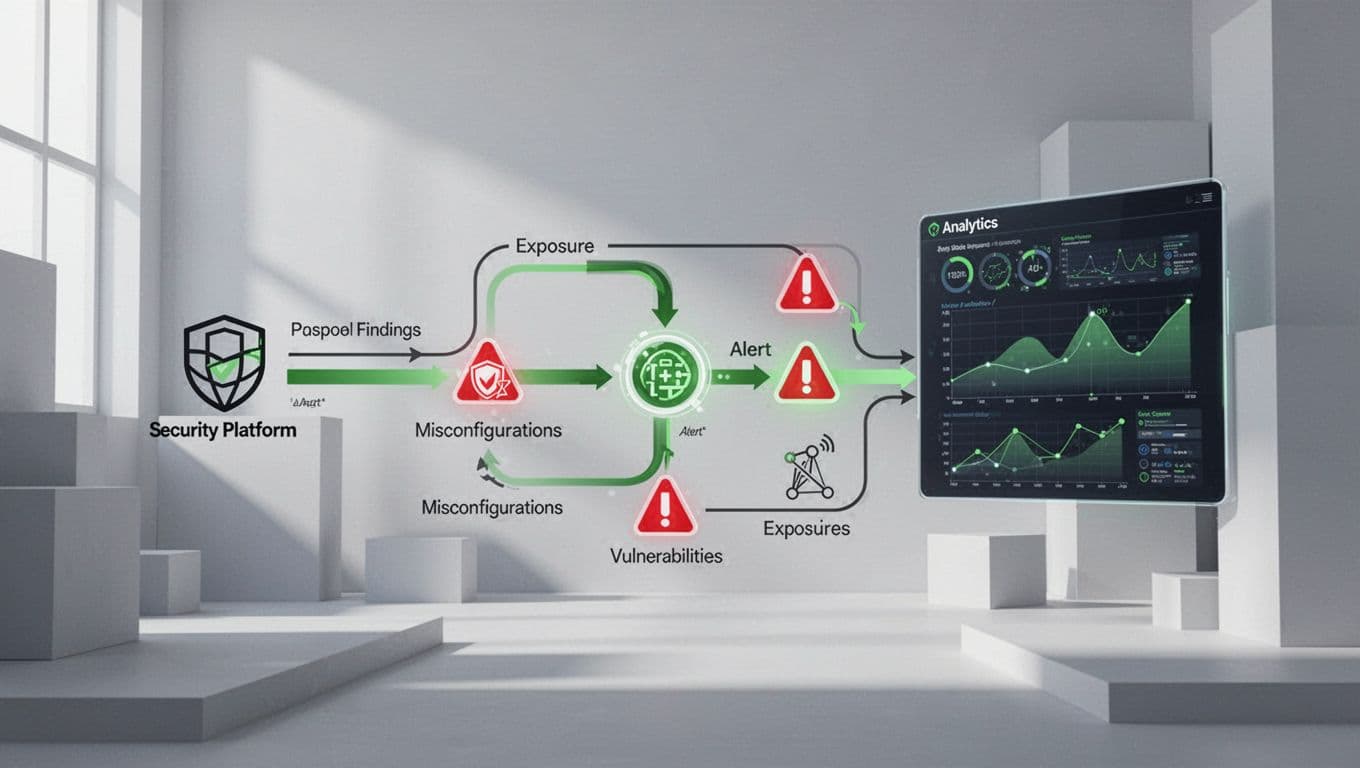
Deduplicate early. CTEM rescans hourly; SIEM ingests in real-time. Add timestamps and hashes to avoid doubles.
For details on schema mapping, check Sumo Logic’s Cloud SIEM schema guide. It covers mappable attributes and log rules.
Test mappings. Send sample CTEM JSON to SIEM parsers. Verify fields populate correctly. Tune for data quality; drop low-value fields like raw scan metadata.
This setup enriches events. A misconfig now triggers SIEM rules with exposure context.
Prioritize Exposures with Business Context
Raw severity scores mislead. CVSS ignores your setup. Integrate CTEM to score by exploitability and impact.
Feed business data into CTEM first. Tag assets by revenue tie or data sensitivity. CTEM outputs include these tags.
In SIEM, use them for dynamic rules. High-impact exposure on a critical server jumps priority. Add threat intel for active exploits.

Use case: Exposed API endpoint. CTEM flags it with path simulation evidence. SIEM correlates to unusual traffic. Triage score: critical.
Tune thresholds. Start conservative; adjust based on alert volume. SOC and exposure teams own joint reviews.
SANS Institute outlines operationalizing CTEM in SOCs. It stresses mapping to triage processes.
This cuts noise. Analysts focus on 20% of exposures that matter.
Enhance Detection Engineering and Alert Triage
CTEM outputs tune SIEM rules. Use exposure data for detection engineering.
Build rules that query CTEM feeds. Example: Alert if logs hit a CTEM-flagged vulnerable service.
For triage, enrich alerts. SIEM dashboards show exposure score next to events. Analysts see if an anomaly exploits a known gap.
Exposure-based correlation shines here. Link log events across assets via CTEM’s attack path graphs. A login failure chains to a scanned weak port.
Automate where possible. SOAR playbooks pull CTEM validation before escalation.
In 2026, AI helps. SIEM ML baselines normal; CTEM adds exploit context for anomaly scoring.
Teams report 3x faster triage. Deduped, contextual alerts mean less fatigue.
Streamline Remediation Workflows
Remediation closes the loop. CTEM finding hits SIEM as an alert. Assign to owners with evidence.
Workflow: CTEM detects issue > SIEM correlates to activity > SOAR notifies app teams > Validate fix via CTEM rescan.
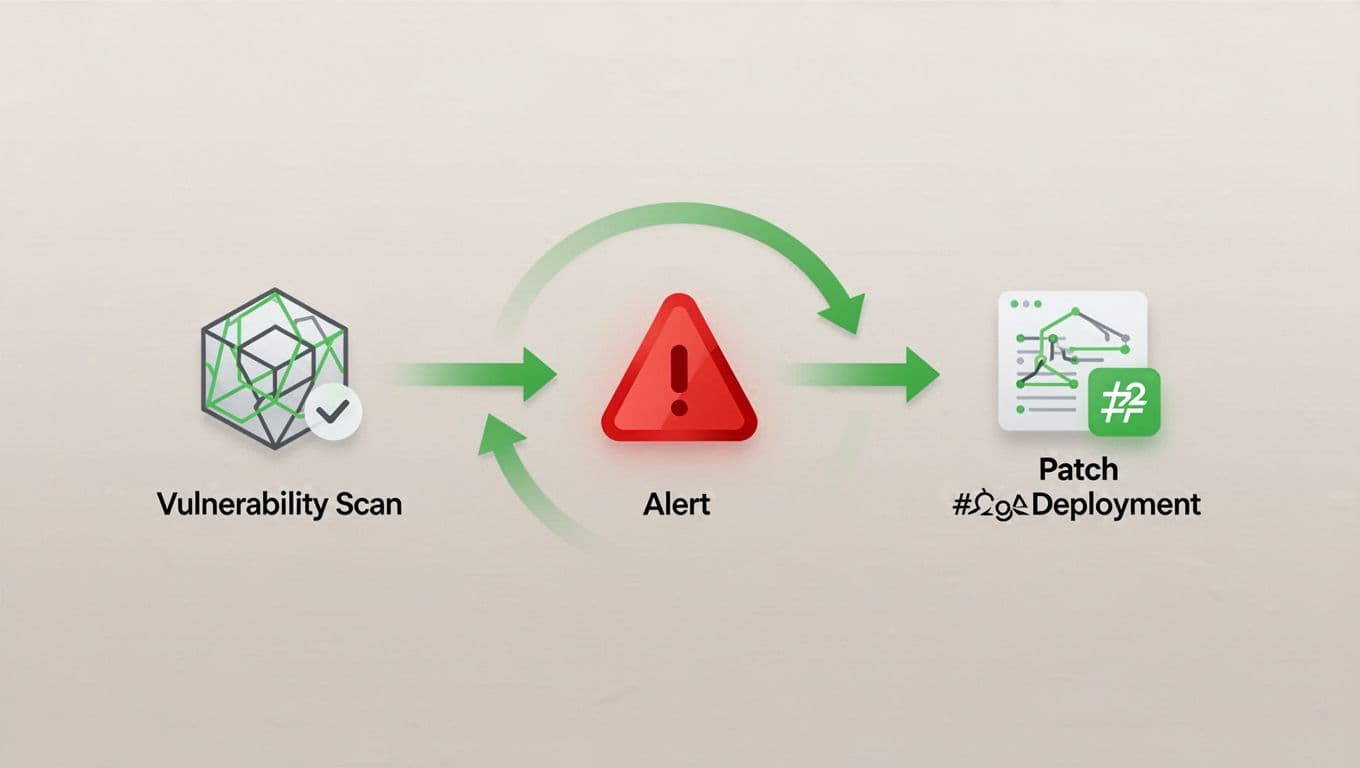
Ownership splits. Exposure team handles scanning; SOC owns correlation. Joint SLAs prevent finger-pointing.
Example: Unpatched server. SIEM alert includes CTEM exploit path. DevOps patches; CTEM confirms closure.
Track MTTR. Integration drops it by linking alerts to tickets.
Handle Implementation Challenges
API ingestion needs rate limits. Batch CTEM exports to avoid SIEM overload.
Data quality varies. Clean CTEM outputs with filters; normalize units.
Tune jointly. Weekly syncs between teams refine mappings.
Start small. Pilot one asset class, like AWS. Scale after proving ROI.
For integration tips, see Sixmap’s guide on CTEM with security tools. It covers SIEM enrichment.
Bud Consulting helps bridge gaps. Book a Discovery Call with Bud Consulting to assess your setup.
Conclusion
CTEM SIEM integration turns exposures into actionable intelligence. Map data, prioritize smartly, and loop in remediation for full coverage.
You cut waste and speed responses. In 2026’s threat environment, this proactive edge counts.
Teams that integrate see real gains. Start mapping today.
(Word count: 982)