table of contents
A security incident can start with one exposed account, one unpatched application, or one supplier with weak controls. For New York City businesses, the issue is rarely a lack of security products. The issue is knowing what is exposed, who owns the risk, and whether the organization can respond when controls fail. A cybersecurity consultancy NYC search is usually the first step toward closing those gaps.
Consultants provide independent expertise, technical testing, compliance support, and access to security talent. The right partner connects those services to business risk. The wrong one delivers another report that nobody uses. Start with the work your organization needs completed, then evaluate firms against that work.
What a cybersecurity consultancy NYC can provide
Cybersecurity consulting is not one service. It is a group of services that support security leadership, technology teams, and business operations.
A consultancy may assess cloud configurations, test applications, review identity controls, investigate exposure across internet-facing assets, or help build an incident response program. It may also provide a vCISO, recruit a permanent security leader, or help a company hire engineers for hard-to-fill roles.
The work normally fits into four areas:
- Assessment and testing. Consultants review architecture, cloud accounts, endpoints, applications, vendors, and external attack surfaces. Penetration testing and red-team exercises test whether controls work under pressure.
- Security program development. The firm helps define policies, ownership, risk reporting, incident response procedures, and security roadmaps.
- Compliance support. The team maps controls to requirements such as NYDFS Part 500, HIPAA, PCI DSS, the NY SHIELD Act, SOC 2 commitments, and customer security questionnaires.
- People and leadership. A consultant may fill a temporary leadership gap or help recruit a CISO, cloud security engineer, application security specialist, identity architect, or offensive security professional.
The scope should be clear before work begins. A vulnerability scan is not a penetration test. A policy review is not an incident response exercise. Security awareness training does not replace technical controls.
A strong statement of work defines the systems in scope, testing limits, deliverables, access requirements, deadlines, and the people responsible for remediation.

Where New York City organizations need the most help
NYC companies operate with dense vendor networks, remote access, cloud services, customer data, and fast-moving technology teams. That combination creates recurring security problems.
Identity and access management is one of the first areas to review. Consultants examine privileged accounts, single sign-on, multi-factor authentication, service accounts, joiner and leaver processes, and access reviews. They also look for stale accounts and excessive permissions. A user with access to a financial system, source code repository, and production cloud account creates a concentrated risk.
External exposure is another common problem. An organization may know about its main website but miss an old subdomain, forgotten cloud storage bucket, exposed development system, or remote administration interface. Continuous attack-surface discovery gives security teams a current view of what an attacker can find.
Application security needs attention early in the development process. Consultants can review threat models, software delivery pipelines, secrets management, dependency risk, and security testing. DevSecOps support should fit the development process. Security teams should help developers fix issues without creating a release bottleneck.
Cloud security reviews should cover configuration, logging, network paths, encryption, workload identities, backup controls, and administrator access. The provider matters less than the actual configuration. A company can have a strong cloud platform and still operate an unsafe environment.
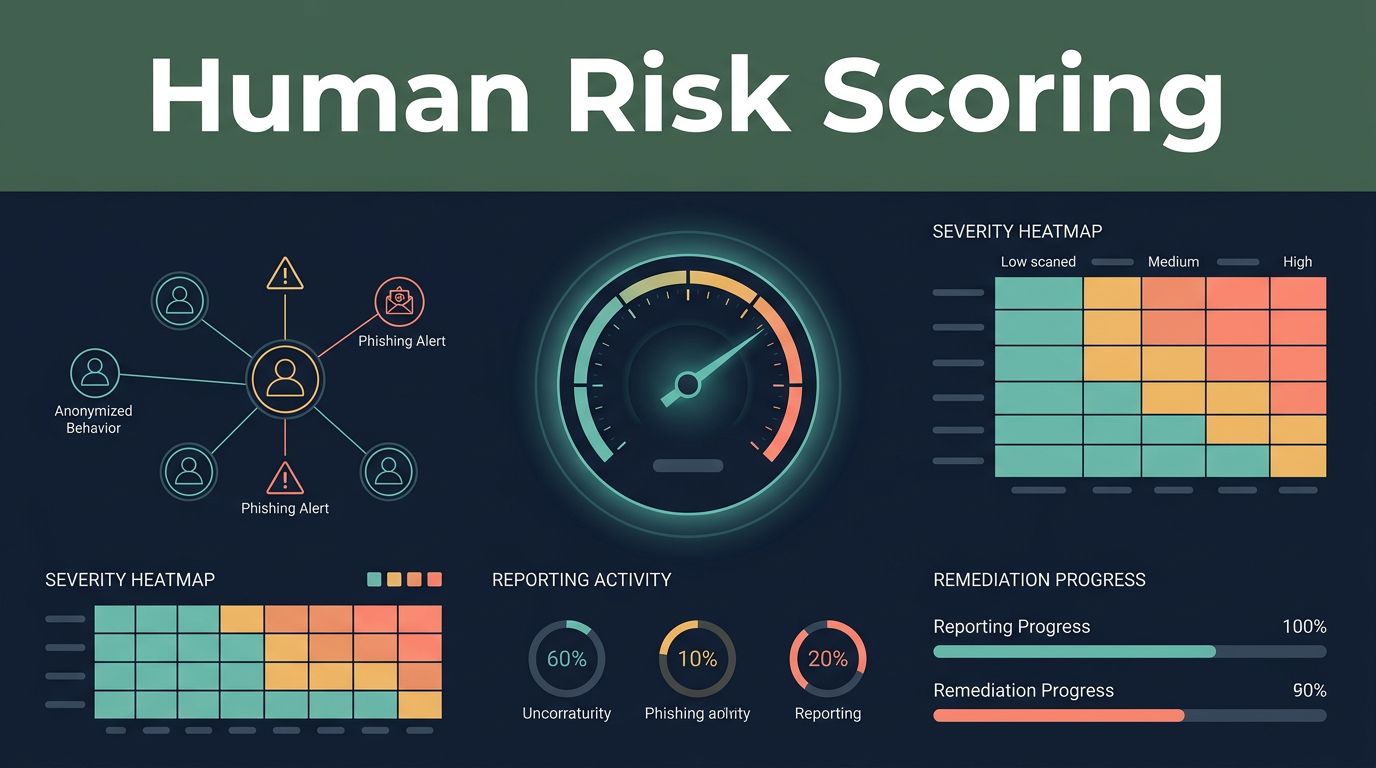
Human risk is also part of the assessment. Training should address the attacks employees face, including credential theft, business email compromise, vishing, and malicious file sharing. The program should measure behavior and follow up with higher-risk groups. Annual training alone is not a complete human risk program.
Compliance requirements are part of the security work
Compliance should support security operations. It should not become a folder of policies that no one follows.
For financial services companies regulated by New York State, 23 NYCRR Part 500 remains a major requirement. The rule applies to covered entities under the authority of the New York State Department of Financial Services. It includes requirements for a cybersecurity program, a CISO or qualified responsibility structure, incident response, third-party risk, and annual compliance documentation.
The practical requirements changed in important ways before 2026. The final amendments took effect on November 1, 2025. They expanded multi-factor authentication requirements and added a comprehensive asset inventory requirement. The rule also includes a 72-hour notification requirement for certain cybersecurity events.
The NYDFS Cybersecurity Resource Center provides regulatory guidance and related resources. Companies should use the current DFS material when reviewing obligations. A consultant can help interpret technical gaps, but legal counsel should address legal conclusions.
Annual certification requires evidence. That evidence can include risk assessments, access reviews, vulnerability management records, incident response tests, security monitoring, vendor reviews, and remediation decisions. If a control is not complete, leaders need a documented decision and an accountable owner.
Healthcare organizations face a different set of requirements. HIPAA security controls, patient privacy obligations, medical device risk, and third-party access all affect the security program. Law firms manage privileged client information and face high-value phishing attempts. Real estate companies handle wire transfers, identity documents, tenant data, and vendor access.
The regulatory framework changes by industry. The operating questions stay consistent:
- What information requires protection?
- Which systems process it?
- Who has access?
- What happens when the system is unavailable?
- Can the organization prove that controls were tested?
The DFS cybersecurity requirements are a useful reference for regulated financial organizations. They do not replace a risk assessment or professional legal advice.
How to evaluate a cybersecurity consultancy NYC partner
A search for cybersecurity consultancy NYC can return firms with very different capabilities. Some focus on compliance. Others focus on managed services, penetration testing, recruiting, or security strategy. Compare the actual delivery model, not the number of services listed on a website.
Ask each firm to explain how it will handle five areas.
Scope. What systems, applications, employees, vendors, and cloud environments will the team review? What is excluded? Scope must be precise enough for executives to understand the risk and for technical staff to act on the findings.
Evidence. What will the consultants review or test? Ask for sample deliverable structures, not confidential client reports. A useful report connects each finding to affected assets, business impact, severity, evidence, remediation steps, and an owner.
Delivery team. Identify the people doing the work. Confirm their experience with your cloud providers, industry requirements, applications, and threat profile. Senior advisors should remain involved in important decisions. A sales presentation led by senior staff should not become junior-only delivery.
Remediation support. Findings are not fixes. Ask whether the consultancy helps validate remediation, retest systems, update risk registers, and report progress to leadership. The work should end with fewer exploitable conditions, not more unresolved tickets.
Independence. A firm that sells a product may recommend that product. That is not automatically a problem, but the relationship should be clear. Independent testing and transparent commercial incentives support better decisions.
The firm should also explain how it handles sensitive information. Confirm data retention, access controls, encryption, subcontractors, report delivery, and breach notification terms before sharing internal material.
For a broader control structure, teams can use the NIST Cybersecurity Framework 2.0. Its Govern, Identify, Protect, Detect, Respond, and Recover functions provide a common structure for executive reporting and program planning.
Choose the right engagement model
The best model depends on the gap. A company with no security leader needs different support than a mature team preparing for a major product launch.
A focused assessment works when leadership needs an independent view of a known issue. Examples include a cloud configuration review, application penetration test, identity assessment, or external attack-surface review.
A fractional security leadership engagement fits a growing organization that needs direction but is not ready for a full-time CISO. The consultant can establish priorities, manage risk reporting, support the board, and coordinate technical work.
A continuous exposure program is more useful when assets change often. Automated discovery can identify new external systems, while recurring testing checks whether security conditions have changed. This approach gives the internal team a current queue of risks instead of a once-a-year snapshot.
Recruitment support is appropriate when the organization needs permanent capability. Security hiring can take time, especially for application security, cloud security, offensive security, identity, and senior leadership roles. A specialist recruiter should understand the work, not only match keywords on a resume.
Many organizations need a combination. A company may use external testing to identify gaps, advisory support to prioritize them, and recruitment support to build the internal team. The engagement should have defined outcomes and a clear handoff.
What the first 90 days should produce
A consultancy should create visible progress early. The first phase normally begins with stakeholder interviews, asset discovery, document review, and access to relevant systems. The team should confirm business priorities before testing begins.
By the end of the initial period, leadership should have:
- A current view of critical systems and externally visible assets.
- A ranked list of risks tied to business impact.
- Clear owners and deadlines for priority remediation.
- A view of identity, cloud, application, vendor, and human-risk gaps.
- An incident response process that has been reviewed or tested.
- A security roadmap that matches budget and staffing realities.
The roadmap should separate urgent exposure from longer-term maturity work. A public administrative interface needs a different response time than a policy formatting issue. Risk ratings should reflect exploitability, data sensitivity, business disruption, and existing safeguards.
Reporting should work for both technical and executive audiences. Engineers need evidence and remediation detail. Executives need exposure, business impact, cost, ownership, and status. One report can support both if it is structured correctly.
If your organization needs outside support across exposure management, human risk, or security hiring, you can Book A Call With Us.
NYC cybersecurity consulting should connect people and technology
Security tools don’t fix unclear ownership. Policies don’t protect an application that nobody tests. A skilled security team still needs accurate asset data, usable processes, and authority to act.
That is why a cybersecurity consultancy in NYC should be assessed as a business partner and a technical delivery team. Look for evidence of real testing, clear reporting, practical remediation, and experience with the systems your organization uses.
A good search for cybersecurity consultancy NYC ends with a firm that can show what is exposed, explain what matters, and help close the gap. The work should improve decisions, controls, and accountability at the same time.
Conclusion
NYC businesses need security support that matches their size, industry, technology, and risk profile. Financial services firms must track NYDFS requirements. Healthcare, legal, and real estate organizations must protect sensitive data while managing vendors, identities, and operational access.
The strongest consultancy engagements combine technical validation, human capability, and accountable remediation. A report is useful only when the organization can act on it. The right partner makes the risk visible, assigns the work, and stays involved until the highest-priority gaps are addressed.