table of contents
A data breach hits your company. Your legal team scrambles to figure out who gets notified and when. One wrong move, and fines pile up or lawsuits follow.
You face tight deadlines that differ by state and country. Teams without solid preparation often miss steps. This guide shows you how to train them right, so they respond fast and stay compliant.
Start with the basics of current laws. Then build hands-on sessions that stick.
Master U.S. State Notification Rules
All 50 states require breach notices now. Timelines vary a lot. California demands alerts to residents in 30 days under new SB 446 rules from 2026. Others give 45 or 60 days.
Check this table for quick reference on consumer notice deadlines:
| Deadline | States Example |
|---|---|
| 30 days | California, Colorado, Florida, New York |
| 45 days | Alabama, Arizona, Indiana, Ohio |
| 60 days | Connecticut, Delaware, Texas |
| Reasonable delay | 31 states |
Many states also alert attorneys general if over 500 people suffer. Notifications must list exposed data types like SSNs or emails and offer protection steps.
For full details across states, review the Privacy Rights Clearinghouse 50-state survey or the IAPP state breach chart. Always verify with your facts. Laws shift, so pull fresh versions before any incident.
Train teams to spot triggers first. Does the breach risk harm? Is data encrypted? These questions decide if notice applies.
Build a Core Training Curriculum
Focus training on real skills. Cover law basics, then move to processes.
Key components include:
- Legal overviews: Break down state rules and federal overlaps like SEC filings in four business days for public firms.
- Risk assessment: Teach how to gauge breach impact on people.
- Template reviews: Show sample letters that meet plain-language needs.
Make sessions interactive. Use quizzes on deadlines. Assign roles like drafting notices.

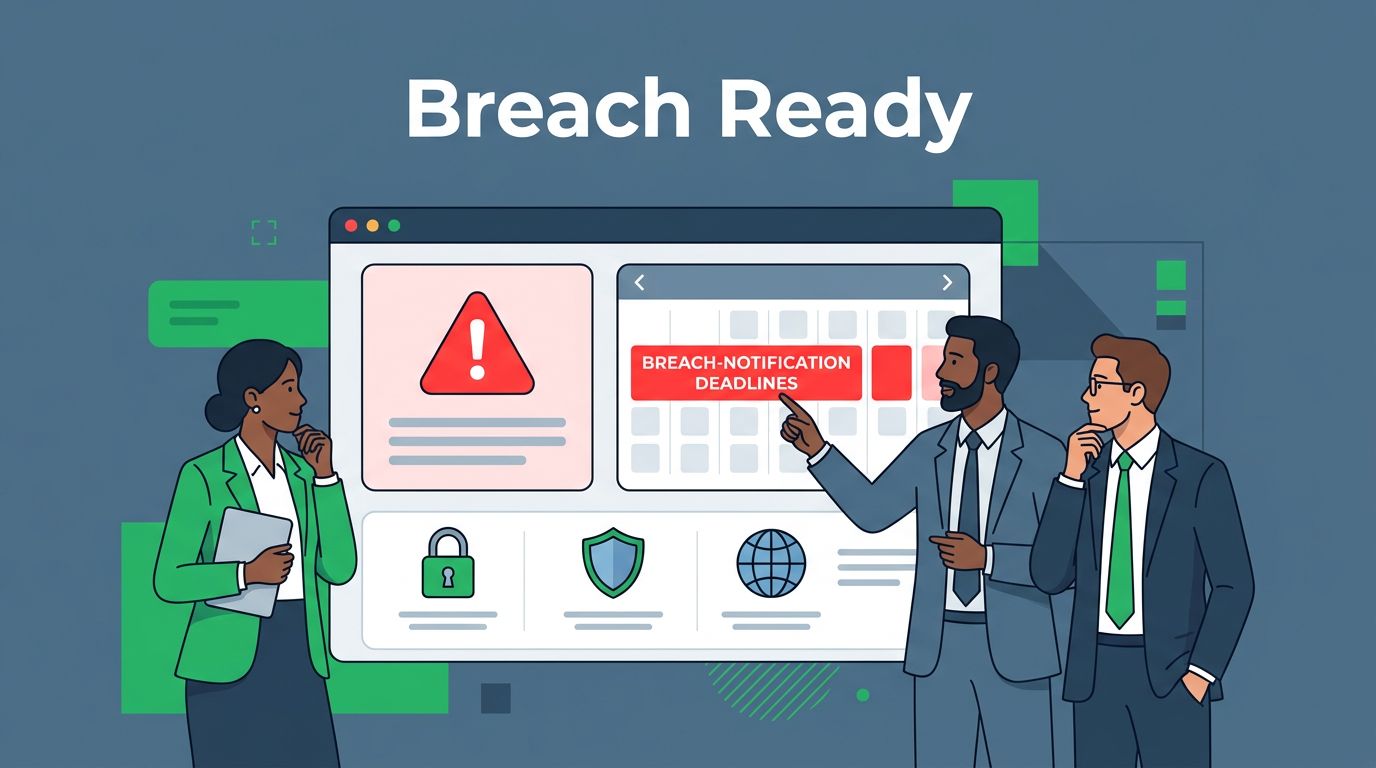
Picture your team like this, deep in discussion. They review flowcharts and docs. This setup builds confidence.
Aim for two-hour modules quarterly. Track attendance and test scores. Update content yearly for changes like California’s audits.
Teach Step-by-Step Response Processes
Legal staff must follow a clear path. Start with detection, end with review.
Here’s the core sequence:
- Confirm the breach with IT forensics.
- Assess data involved and harm risk.
- Check notice duties by jurisdiction.
- Draft and send alerts to regulators, then consumers.
- Log all steps for audits.
Stress documentation. Every call or email counts for insurers later.
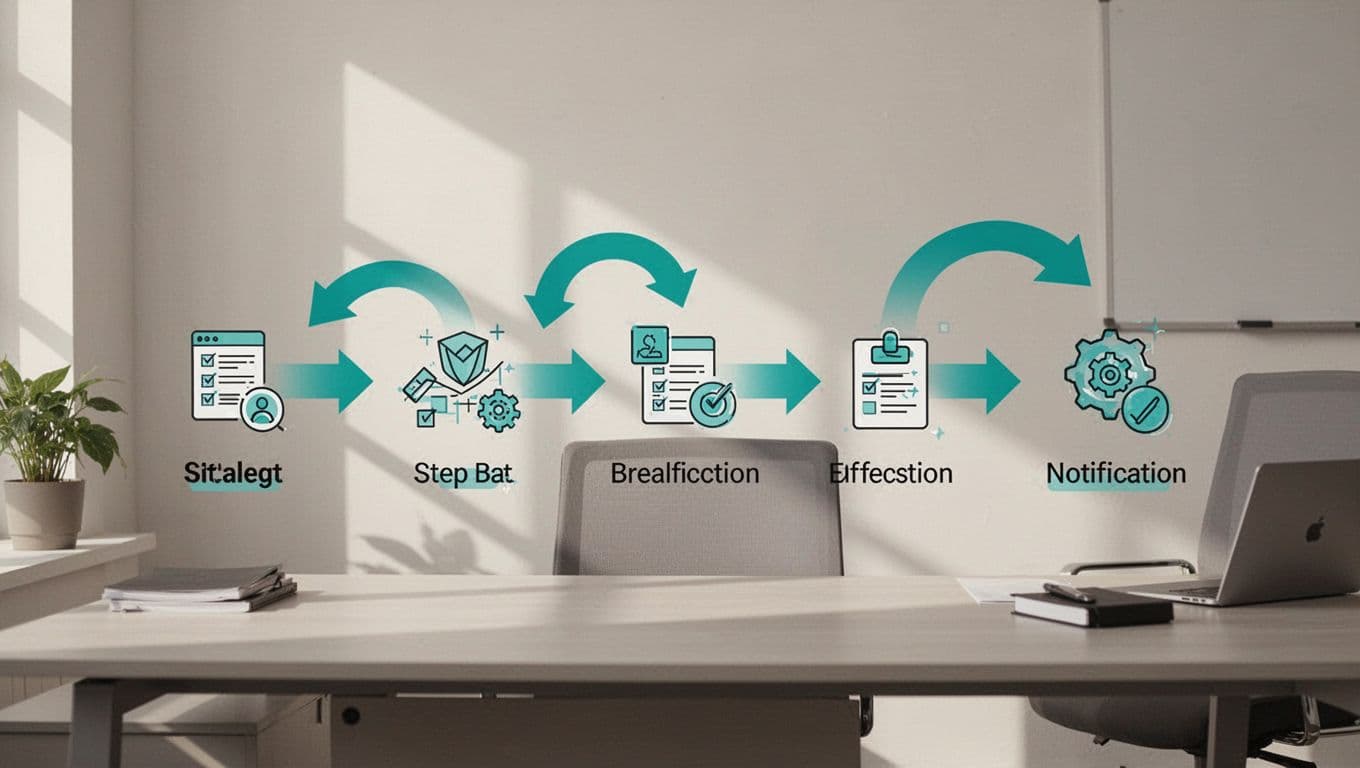
This visual maps the flow. Teams memorize it fast.
Practice drafting a notice. For example, “On [date], hackers accessed names and emails for 1,000 customers. We contained it and offer credit monitoring.” Tailor to facts.
Navigate Jurisdictional and Global Differences
Breaches often cross borders. U.S. teams handle state mixes plus international.
EU GDPR sets 72 hours for regulators if risk exists. Processors alert controllers first.
Use tools like the BakerHostetler interactive map for U.S. views.

See how timelines link regions. Your team spots overlaps quick.
Train on coordination. Notify cyber insurers within policy limits, often 24-72 hours. Include logs and costs. Regulators want breach details without jargon.
For multi-state hits, prioritize strictest rules like California’s 30 days.
Run Drills and Track Progress
Theory alone fails. Run mock breaches twice a year.
Simulate a phishing attack exposing customer data. Time the response. Debrief misses.
Measure success with metrics:
- Time to first notice.
- Error-free drafts.
- Team feedback scores.
Adjust based on results. For complex needs, book a discovery call with Bud Consulting to build custom programs.
External guides help too, like Reuters Practical Law on response teams.
Key Takeaways
Prepared legal teams cut breach fallout. They meet deadlines, document well, and coordinate smoothly.
Focus on current laws and hands-on practice. Verify rules per incident.
Strong training turns chaos into control. Your organization stays ahead.