table of contents
Field technicians face tampering risks every day. A loose seal or odd log entry can signal big problems. You need your team to spot these issues fast.
Poor training leaves gaps. Techs miss signs, skip reports, or handle devices wrong. This hurts compliance and safety. Good device tampering training fixes that.
You can build skills that protect assets and keep operations smooth. Start with clear steps to teach recognition and response.
Why Train Field Teams on Device Tampering
Tampering shows up in meters, sensors, or network gear. Customers or outsiders might alter devices for gain. Techs must catch it early.
Untrained teams overlook clues. They service tampered units without notice. This leads to inaccurate data or repeated visits. Safety risks rise too, like exposed wires.
Training builds awareness. Techs learn to inspect without bias. They follow protocols that match company rules. Results include fewer incidents and better records.
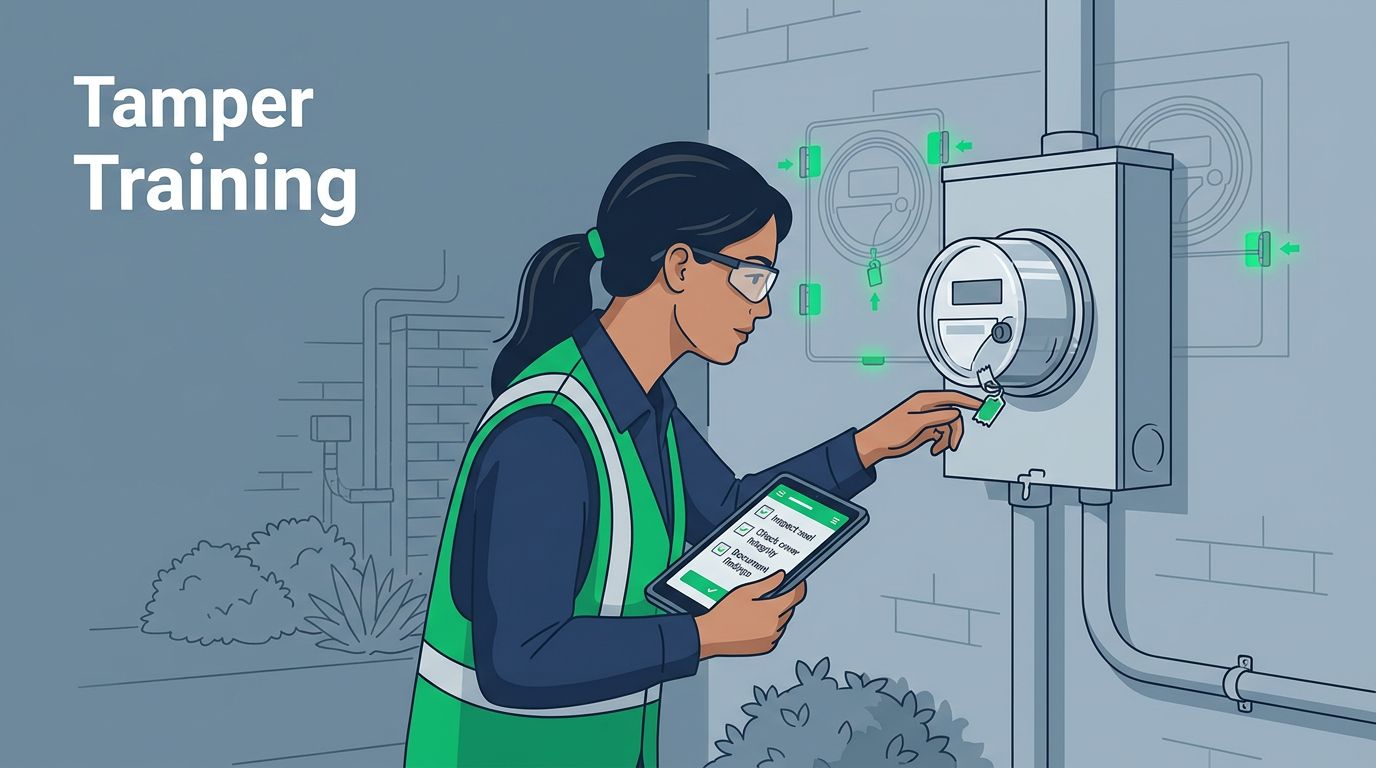
Consider utility meters. A bypassed seal lets users dodge fees. Techs trained in checks report it right away. Supervisors get data for quick action.
Compliance matters. Regulations demand tamper logs. Fines hit if you ignore them. Training ensures techs document finds properly.
Field leaders see gains. Teams finish jobs faster with confidence. Morale improves when techs feel equipped.
Start sessions with real stats. Share cases from your area. Techs connect the dots. They see why vigilance pays off.
Spot Physical and Digital Signs of Tampering
Teach techs to scan devices top to bottom. Physical signs jump out first.
Look for broken seals or fresh scratches on casings. Missing screws or tool marks mean someone pried it open. Wires might show cuts, splices, or new tape.
Check alignments. Sensors turned wrong block views. Obstructions like paint or stickers hide fields.
Power clues count. Unplugged cords, added batteries, or hot spots signal interference. IoT sensor tampering guide lists these as top red flags.
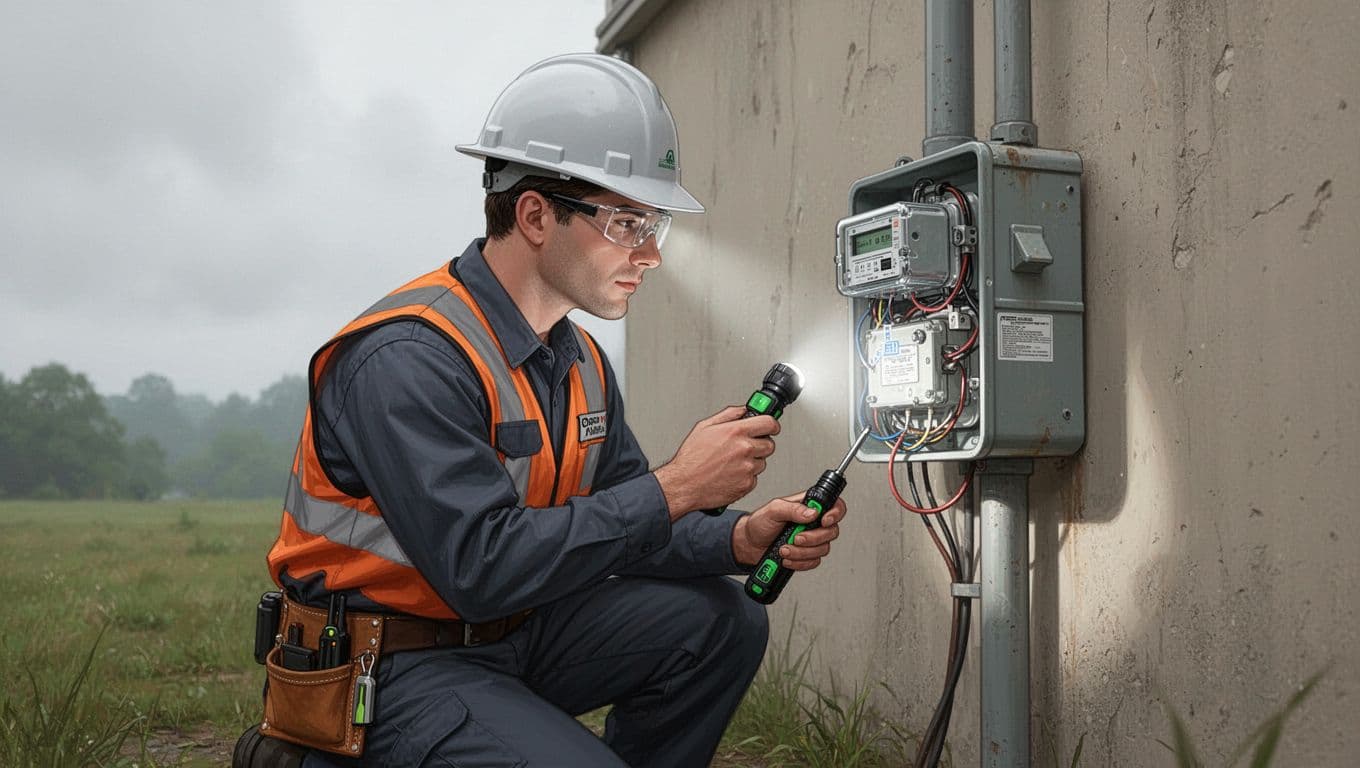
Digital signs hide in logs. Odd timestamps or reset counters point to resets. Firmware mismatches or unknown IPs suggest hacks.
Use device apps for checks. Alerts on disconnects help, like in telematics units. Tamper prevention in telematics explains harness detection.
Train with photos. Show before-and-after tampering. Techs quiz on spots.
Safety first. Gloves on, power off before probes. No assumptions.
Practice pairs checks. One scans physical. The other reviews digital. They compare notes.
This method sticks. Techs build habits for every site visit.
Build an Effective Training Program
Roll out sessions that fit field schedules. Mix classroom time with field runs.
Start with basics. Cover what tampering is and why it happens. Use 30-minute modules.
Include hands-on. Set up mock devices. Techs tamper them safely, then detect.

Instructors demo first. They point out subtle signs on sample gear.
Group discussions follow. Techs share field stories. Others learn from them.
Online tools work for refreshers. Quizzes test recall. Anti-tamper training course offers ideas for modules.
Track progress. Supervisors review quiz scores. Retrain low performers.
Frequency counts. Quarterly refreshers keep skills sharp. New hires get full onboarding.
Budget for props. Buy old meters or sensors. They make practice real.
Measure success. Log tamper reports pre- and post-training. Drops show impact.
Tailor to roles. Techs focus on detection. Supervisors learn escalation.
This setup turns novices into pros. Your team handles tampering without pause.
Run Hands-On Scenarios and Drills
Scenarios mimic real jobs. They build quick thinking.
Set one: Tech arrives at a meter site. Seal looks off. Wires rerouted.
Tech inspects. Notes scratches, checks logs for resets. Documents photos.
Debrief after. What missed? Why escalate?
Vary cases. Indoor panels with digital alerts. Outdoor sensors blocked by debris.
Use timers. 10 minutes per drill. Builds speed.
Pair techs. One leads inspection. Other observes.
Rotate roles. Everyone practices.
Add twists. Fake customer denies access. Tech calls supervisor.
Safety drills tie in. What if live wires show? Steps to isolate.
Record sessions. Review videos later. Techs spot their errors.
Do monthly. Rotate sites for variety.
These drills make training stick. Techs react on instinct in the field.
Develop Checklists and Documentation Protocols
Checklists guide every visit. Keep them pocket-sized.
Sample physical check:
- Seals intact? Yes/no.
- Casing damage?
- Wires secure?
- Alignment correct?
Digital side:
- Log anomalies?
- Firmware version?
- Recent alerts?
Photos required for any no. Timestamp them.
Documentation flows up. Techs log in app right away. Details include site, signs, actions.
Escalation rules clear. Minor signs: Note and service. Obvious tamper: Stop work, report.
Supervisors review daily. Flag patterns for teams.
Compliance templates help. Match regs like utility standards.
Train on apps. Quick entries prevent forgets.
Review checklists quarterly. Update from new threats.
This system cuts errors. Records protect your firm.
Avoid Common Training Mistakes
Rushed sessions fail. Give time for questions.
Skip theory dumps. Focus on practice.
Don’t ignore digital. Physical gets attention; logs get skipped.
Overlook safety. Always stress lockout-tagout.
Forget refreshers. Skills fade without them.
Poor props mislead. Use realistic gear.
No metrics? You can’t prove gains.
Fix by planning ahead. Test sessions first.
Watch for overload. Short bursts work best.
Address fears. Tampering isn’t always malice. Accidents happen too.
These tweaks make training solid.
Key Takeaways
Solid device tampering training equips teams to protect assets daily. Focus on signs, hands-on practice, and clear protocols.
Techs spot issues fast. They document right and escalate smart.
Operations run safer. Compliance stays strong.
Build your program now. Teams ready for the field win big. Book a Discovery Call with Bud Consulting to strengthen security culture.