table of contents
Teams push code fast in DevOps. But speed without security invites risks. You know the drill: a leaked secret or unpatched dependency slips through, and suddenly you’re firefighting.
DevOps security metrics help you spot issues early. They turn raw data into action. This post covers practical metrics you can track right now. You’ll learn to measure pipeline health, fix what’s broken, and keep delivery velocity high.
Start with the basics of what these metrics reveal about your pipelines.
What DevOps Security Metrics Reveal About Pipelines
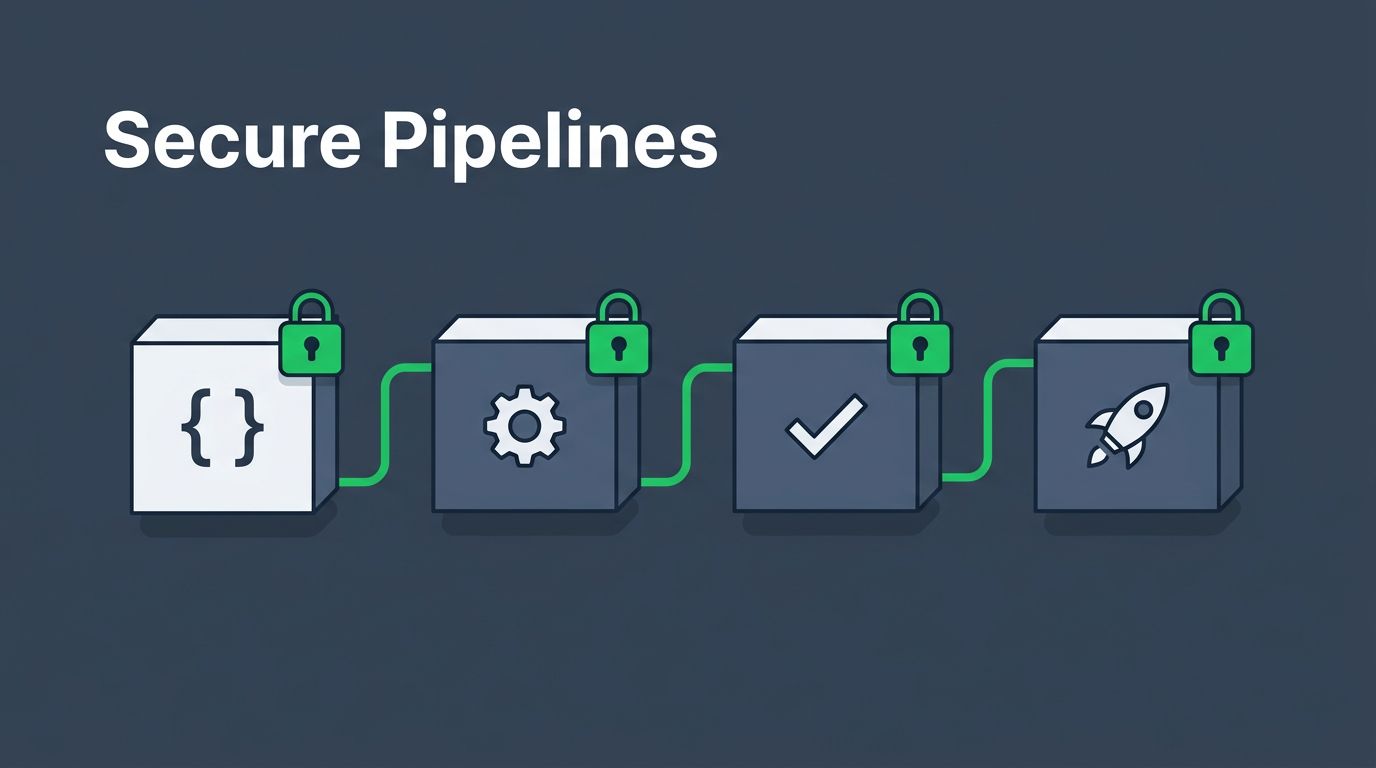
Your CI/CD pipeline is a chain. One weak link breaks it all. Security metrics measure that chain’s strength at every stage.
Think of metrics as vital signs. They show if your pipeline breathes easy or gasps for air. Track them to catch problems before they hit production.
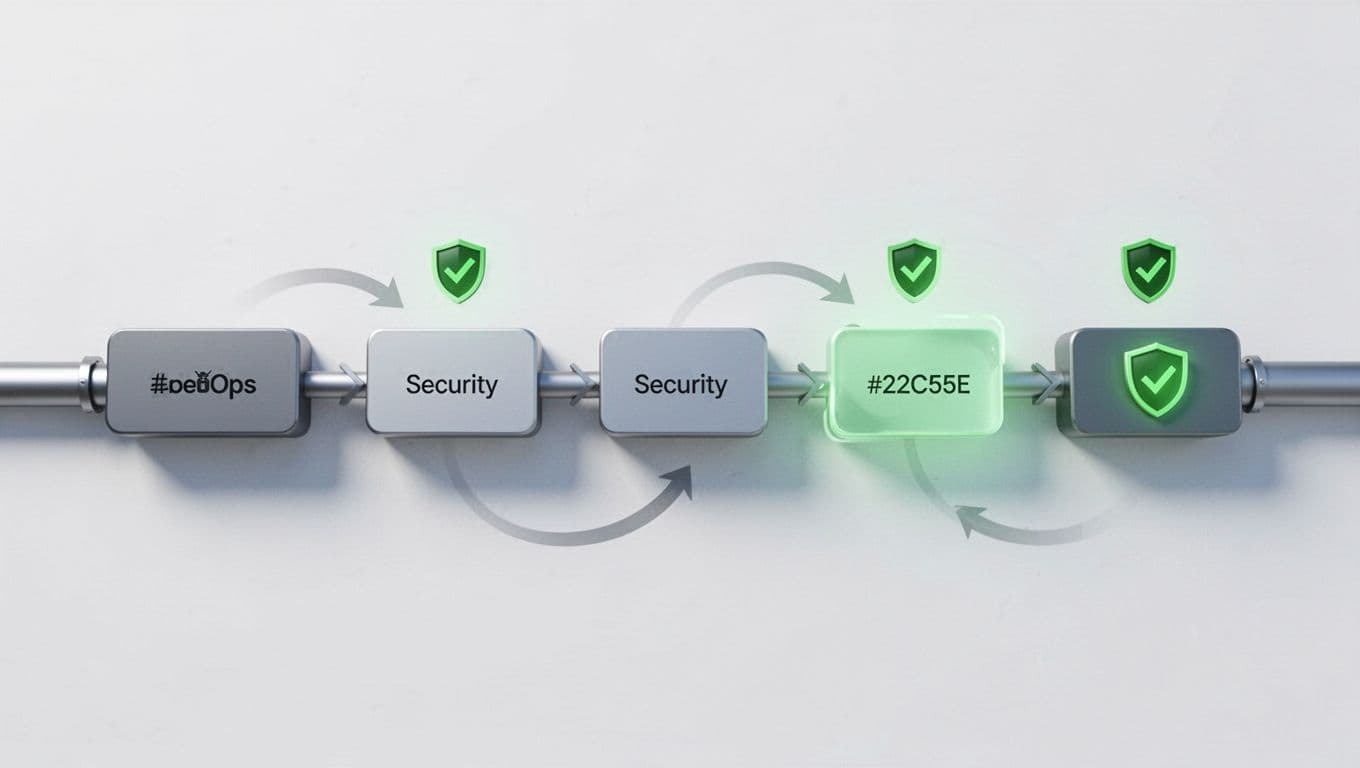
Common stages include code commit, build, test, deploy, and monitor. Insert scans here: secret detection in builds, vulnerability checks in tests. For example, Docker’s guide on DevSecOps metrics stresses vulnerability volume trends over time.
These metrics go beyond compliance checklists. They drive fixes. A high failure rate on insecure builds blocks bad code. Low coverage on artifact signing flags gaps. You act because the numbers demand it.
Pipeline health improves when metrics align with goals. Teams that monitor them reduce escape rates. Issues stay in dev, not prod.
Leading vs. Lagging Security Indicators
Metrics split into two camps: leading and lagging. Lagging ones react to damage. Leading ones prevent it.
Lagging indicators show what happened. Think breach count or time to fix after exploit. They tell stories post-mortem. Useful for reports, but late for prevention.
Leading indicators predict trouble. They flag risks early, like scan failure rates. You intervene before impact.
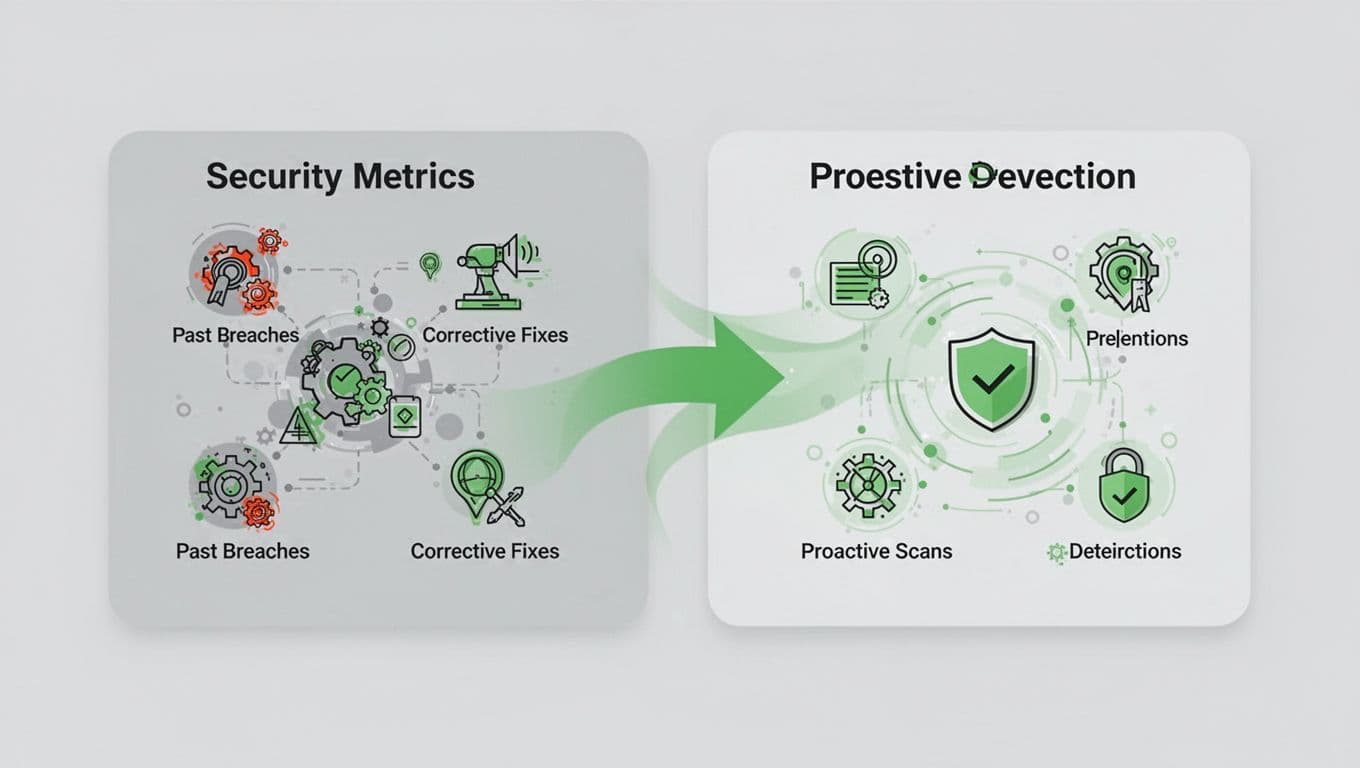
Focus on leading metrics first. Secret detection rate catches API keys in commits. Dependency vulnerability exposure tracks unpatched libraries. These stop risks upstream.
Codepulse’s DevSecOps metrics guide breaks it down: measure detection and remediation separately. Lagging like reopen rates matter too. But leading ones, such as IaC misconfiguration rates, let you tune policies before deploys.
Balance both. Lagging validates your leading efforts. If MTTR drops but escapes rise, adjust scans. This mix keeps pipelines secure without blame games.
Core Metrics to Track in Your Pipelines
Pick metrics that spur action. Skip vanity ones like total scans run. They look good but hide truths.
Start with secret detection rate. Measure secrets found per commit or build. Aim for 100% block on high-risk ones. Tools flag them early, so devs fix inline.
Next, dependency vulnerability exposure. Count critical vulns in open-source libs. Track exposure time. Set alerts for CVEs over 30 days old.
Mean time to remediate (MTTR) is king. Time from detection to prod fix. Target under 24 hours for criticals. Break it by severity: high under a week.
Policy violation trends show drift. Watch failed checks on compliance rules. Trends up? Tighten gates.
Insecure build failures block risky code. Percentage of builds halted by security. Over 5%? Tune for less noise.
Artifact signing coverage ensures trust. Unsigned images don’t deploy. Track percentage signed.
Container and image scan findings per deploy. High numbers mean scan fatigue. Reduce false positives.
IaC misconfiguration rates catch cloud risks. Terraform drifts? Policy as code enforces.
False-positive rates keep devs engaged. Over 20%? Calibrate tools or lose trust.
AquilaX on DevSecOps KPIs nails it: prioritize outcomes like escape rate over outputs.
| Metric | Why Track It | Target Example |
|---|---|---|
| Secret Detection Rate | Blocks leaks early | 95%+ detection |
| MTTR (Critical) | Speeds fixes | <24 hours |
| False Positive Rate | Builds trust | <10% |
| IaC Misconfigs | Prevents cloud holes | <5% per scan |
This table summarizes starters. Adjust targets to your stack. Review weekly.
These metrics complement DORA’s deployment frequency and change fail rate. Security boosts reliability.
How Security Metrics Pair with DORA and Reliability
DORA metrics set velocity benchmarks: deploy frequency, lead time, MTBF, change fail percentage. Security metrics fill the gap.
Add security to DORA. Track secure deployment frequency: deploys without high-risk issues. Low? Your speed hides holes.
Security lead time: from vuln detect to fix commit. Shorten it like code lead time.
MTBF gains from low escape rates. Fewer vulns mean fewer breaks.
Change fail rate drops with policy gates. Insecure changes fail fast.
Datadog’s key security metrics ties compliance to these. Blend them in one view.
Reliability metrics like error budgets work with SLOs. Set security SLOs: 99% builds pass scans. Breaches eat budget.
This pairing proves security speeds delivery. Teams hit elite DORA levels securely.
Building Security Dashboards for DevOps
Dashboards turn metrics into stories. Build one central view for pipeline health.
Use tools like Grafana or Datadog. Pull from CI tools, scanners, ticketing.
Key charts: MTTR line graph, detection rates by stage, vuln severity pie.
Set thresholds. Red if MTTR tops 48 hours. Yellow for rising false positives.
Define SLAs: critical vulns fixed in 24h. SLOs at 90% compliance.
Share dashboards team-wide. Devs see impacts. Security justifies gates.

Start simple. Three metrics: MTTR, escapes, coverage. Add as data flows.
Obsium’s DevOps security practices suggests tracking build impacts too.
If talent gaps slow you, Book a Discovery Call with Bud Consulting. They source DevSecOps pros fast.
Wrapping Up Pipeline Security Metrics
DevOps security metrics keep pipelines robust. Leading ones like detection rates prevent pain. Lagging like MTTR confirm wins.
Track a handful: secrets, vulns, fixes, false positives. Pair with DORA for full health.
Build dashboards. Set real thresholds. Act on trends weekly.
Your pipelines run faster and safer. Teams trust the process. Risks drop without velocity hits.
(Word count: 1487)