table of contents
A serious security program can fail before the first control is deployed. The wrong consulting partner can produce a large report, a long remediation list, and little change in operational risk. The best enterprise security consulting firms connect security decisions to business exposure, technology, compliance, and the people responsible for delivery.
The market includes global consultancies, technology-aligned specialists, incident response providers, and firms focused on regulated industries. This July 2026 guide compares the main options for enterprise buyers, explains where each firm fits, and sets out a practical evaluation process.
What Changed in Enterprise Security Consulting Between 2025 and 2026
Enterprise security consulting is no longer limited to annual assessments and compliance preparation. Buyers now expect support with cloud security, identity, software delivery, attack-surface management, incident response, and security operating models.
The service categories have also become less separate. A cloud transformation project can create identity risk. An application security review can expose weaknesses in development processes. An incident response engagement can reveal gaps in logging, access control, and executive decision-making.
The strongest firms connect these areas. They don’t treat a penetration test, a compliance review, or a ransomware response as an isolated event.
A useful shortlist should include both broad providers and focused specialists. Large firms can coordinate global programs and board-level reporting. Specialist firms can provide deeper technical work, faster response, or stronger expertise in one regulatory area.
Gartner’s security consulting services market reviews are useful for comparing providers and reviewing client feedback. They shouldn’t be treated as a universal ranking. A firm that fits a global bank may not fit a mid-sized software company with a small internal team.
The current market also includes firms connected to major security platforms. Google Cloud’s Mandiant, Palo Alto Networks Unit 42, CrowdStrike Services, and IBM Security can bring direct experience with their own technologies. That can be helpful when the required work depends on a specific platform. It can also reduce independence if the buyer needs a vendor-neutral review.
A strong consultant should leave the organization with better decisions, better ownership, and measurable risk reduction, not only a completed assessment.
Best Enterprise Security Consulting Firms to Shortlist in 2025 and 2026
There is no single best provider for every enterprise. The following firms are commonly considered because they cover major enterprise requirements, have established delivery capacity, or offer specialist security depth.
Deloitte
Deloitte is a broad option for organizations that need security strategy, transformation, risk advisory, cloud security, managed services, and incident response support. Its scale suits multinational companies with complex operating models, multiple business units, and large compliance programs.
Deloitte also works well when security must connect with broader technology or business transformation. The tradeoff is common with large firms: delivery quality can depend on the local team, the partner assigned to the account, and the number of subcontracted specialists.
Deloitte reports that it was ranked first by revenue in a 2026 Gartner security services assessment. Buyers should treat that as a revenue-based market position, not proof that it is the right choice for every engagement. The firm’s published recognition and market position provides the relevant context.
Accenture Security
Accenture Security is a strong candidate for large security transformation programs. Its work often connects cyber strategy with cloud migration, technology modernization, managed security, identity, application security, and operating model design.
Accenture suits enterprises that need a large delivery organization across several countries. It can also support programs where security work is part of a wider ERP, cloud, or infrastructure change.
Procurement teams should define the expected consulting-to-delivery ratio before signing. A transformation program can include strategy, architecture, engineering, managed services, and change work. These are different services with different outcomes and costs.
PwC
PwC is a useful fit for governance, risk, compliance, privacy, cyber strategy, cloud controls, and regulated-sector work. It is often considered by organizations that need security advice linked to financial reporting, internal audit, regulatory obligations, or enterprise risk management.
PwC can be a good choice when the CISO needs support with board reporting or control ownership across business functions. Buyers should confirm the technical depth available for penetration testing, cloud configuration, detection engineering, and incident response.
KPMG
KPMG focuses heavily on risk, compliance, internal controls, identity, cloud security, cyber strategy, and managed security services. It can fit organizations that need security work to align with audit, regulatory, and enterprise risk teams.
KPMG is worth considering when the engagement involves multiple control frameworks or a major governance change. The statement of work should still identify the technical deliverables. A compliance roadmap is not a substitute for validated security testing.
EY
EY provides cyber strategy, digital identity, cloud security, privacy, resilience, risk, and regulatory services. It is a reasonable shortlist option for global enterprises that need security advice connected to business transformation and regulatory requirements.
As with the other Big Four firms, buyers should examine the proposed delivery team. Ask who will perform the testing, who will attend working sessions, and who will remain accountable after the report is delivered.
IBM Security and IBM Consulting
IBM Security and IBM Consulting are relevant for enterprises with large hybrid cloud, identity, security operations, and automation requirements. IBM can support security architecture, threat detection, incident response, identity, data protection, and security operations programs.
IBM is often considered when the organization already uses IBM security products or has a complex infrastructure estate. Buyers should ask for a clear separation between product implementation, independent assessment, and ongoing managed services.
Mandiant, Google Cloud
Mandiant is best known for breach response, threat intelligence, adversary investigation, and incident preparedness. Its Google Cloud connection also makes it relevant to cloud security and organizations using Google infrastructure.
Mandiant is a strong choice when the main concern is a serious intrusion, a high-risk threat actor, or preparation for a major incident. It may not be the most efficient provider for a broad, low-risk compliance assessment.
Palo Alto Networks Unit 42
Unit 42 provides incident response, threat research, managed detection support, red teaming, and technical security services. It is a strong specialist option for organizations that need hands-on response or adversary-focused testing.
Unit 42 can be especially relevant to Palo Alto Networks customers. A buyer seeking a vendor-neutral architecture review should ask how the engagement will address tools outside that ecosystem.
CrowdStrike Services
CrowdStrike Services is a specialist option for incident response, threat hunting, adversary intelligence, and endpoint-focused investigations. It is often considered when the enterprise needs rapid support during or after a suspected compromise.
The firm is better suited to urgent technical response than to a broad governance program. Procurement teams should confirm availability, response times, geographic coverage, and the handoff process after the incident closes.
Optiv Security
Optiv is a security-focused consultancy and integrator that works across strategy, architecture, technology selection, managed security, risk, and program delivery. Its position can suit enterprises that need help coordinating several security products and service providers.
Optiv is worth reviewing when internal teams need vendor selection support or a security program built across several platforms. Buyers should ask how independence is maintained where technology resale, implementation, and advisory services are combined.
NCC Group
NCC Group is known for technical assurance, penetration testing, application security, cloud security, incident response, and regulatory support. Its international presence can help organizations that need testing or assurance across several jurisdictions.
NCC Group is a strong specialist candidate for technical validation. The buyer should confirm the firm’s relevant certifications, tester experience, and ability to support remediation after findings are issued.
Coalfire
Coalfire is a strong choice for cloud assurance, compliance, and regulated environments. It is frequently associated with FedRAMP, HITRUST, PCI DSS, SOC 2, and related assessment work.
Coalfire fits organizations that need an independent assessment against a defined framework. It may not be the right lead partner for a multi-year security transformation unless it can show the required architecture, engineering, and program management capability.
Booz Allen Hamilton and GuidePoint Security
Booz Allen Hamilton is a major option for government, defense, intelligence, and other highly regulated environments. Its value is strongest where mission requirements, public-sector procurement, and national security controls shape the engagement.
GuidePoint Security is a specialist option for security advisory, technology selection, architecture, and program support. It can suit organizations that want security expertise without using a broad generalist consultancy for every workstream.
The table below gives a practical first comparison.
| Firm or group | Strongest fit | Main point to test |
|---|---|---|
| Deloitte, Accenture | Global transformation and complex delivery | Local team quality and delivery ownership |
| PwC, KPMG, EY | Risk, governance, compliance, and board advisory | Technical depth beyond compliance |
| IBM Security | Hybrid cloud, identity, operations, and automation | Product independence and scope clarity |
| Mandiant, Unit 42, CrowdStrike | Breach response and threat-led technical work | Availability and post-incident support |
| Optiv, NCC Group | Security programs, assurance, and technical testing | Independence and remediation capacity |
| Coalfire | FedRAMP, HITRUST, PCI DSS, and cloud assurance | Fit for broader transformation work |
| Booz Allen Hamilton | Government and defense security programs | Public-sector delivery requirements |
| GuidePoint Security | Advisory, architecture, and security technology selection | Scale for global programs |
The right shortlist usually includes three to five firms. Include at least one broad provider and one specialist if the program includes both governance and deep technical validation.
Capabilities to Expect From a Tier-One Consultancy
A credible enterprise security consultant should be able to define the problem before proposing tools. The initial work should connect business services, critical data, users, suppliers, cloud environments, and threat scenarios.
Core capabilities usually include:
- Security strategy and target operating model design.
- Cloud security architecture across major cloud providers.
- Identity and access management, including privileged access and machine identities.
- Application security and DevSecOps process reviews.
- Penetration testing, red teaming, and attack-path validation.
- Incident response, tabletop exercises, and recovery planning.
- Security operations, detection engineering, and threat hunting.
- Third-party risk and supply-chain security.
- Compliance assessments against relevant regulatory frameworks.
- Executive reporting with clear risk ownership and remediation priorities.
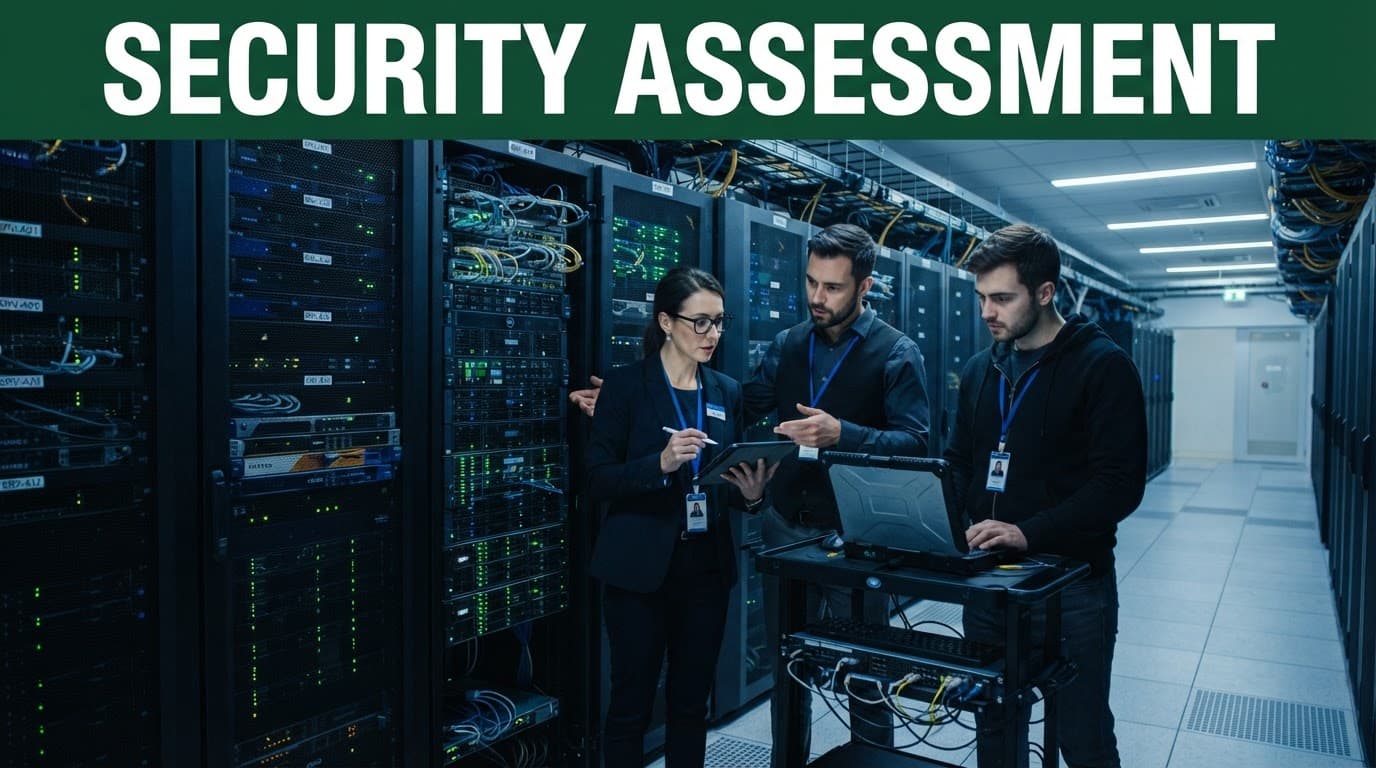
The provider should explain its testing method. Ask whether the work uses authenticated cloud reviews, source-code access, external attack-surface discovery, configuration analysis, or adversary emulation. These methods produce different findings.
Security testing should also lead to action. A report with 400 findings is not automatically useful. The consultant should separate exploitable weaknesses from low-priority hygiene issues and show which remediation actions reduce the most exposure.
Match the Firm to the Security Problem
The best enterprise security consulting firms are not interchangeable. The right selection depends on the risk decision that needs to be made.
A CISO preparing for a merger may need identity integration, third-party risk reviews, data mapping, and a rapid assessment of the acquired company. A software company launching a new platform may need threat modeling, secure development controls, API testing, and cloud configuration reviews.
An enterprise facing a suspected breach needs a different provider. It needs rapid containment, forensic investigation, legal coordination, evidence handling, and clear executive communication. Mandiant, Unit 42, CrowdStrike Services, and specialist incident response teams are more relevant for that requirement than a general compliance provider.
A regulated cloud provider may need FedRAMP, HITRUST, PCI DSS, or customer assurance support. Coalfire and other specialist assessors can fit that work. A defense contractor may need a provider with public-sector delivery experience and knowledge of government security requirements.
Sector experience also matters. Financial services, healthcare, manufacturing, retail, energy, and government have different business processes and reporting duties. Ask for two recent examples that match your industry, organization size, technology stack, and engagement type.
Geography affects delivery as well. Global organizations should confirm local staffing, data handling rules, language support, working hours, and the firm’s ability to manage country-specific requirements.
Gartner’s cybersecurity guidance for CISOs can help frame internal priorities before the procurement process starts. The consultant should then tailor those priorities to the organization’s assets and risk tolerance.
How to Compare Enterprise Security Consulting Firms in 2026
A good request for proposal should test delivery, not presentation quality. Every shortlisted firm can produce a polished slide deck. Fewer can show how the work will operate after the kickoff meeting.
Start with a defined business outcome. Examples include reducing external exposure, preparing for a regulatory assessment, improving identity controls, testing ransomware recovery, or building an internal security capability.
Then ask each provider to describe:
- The first 30 days of work and the information required from your team.
- The consultants assigned to the engagement and their relevant credentials.
- The testing methods, tools, assumptions, and exclusions.
- The evidence that will support each high-risk finding.
- The remediation process after the assessment.
- The reporting format for engineers, executives, the board, and auditors.
- The measures used to show progress.
- The support available during a security incident.
- The subcontractors or offshore teams involved.
- The process for transferring knowledge to internal staff.
Credentials should match the work. Depending on scope, look for CREST membership, CISSP or CISA-qualified staff, ISO 27001 experience, SOC 2 knowledge, and relevant cloud certifications. A compliance engagement may need qualified assessors. A red team engagement needs experienced operators. Credentials alone don’t prove delivery quality, but missing credentials can create avoidable risk.
Ask for references with comparable complexity. A small web application test doesn’t prove that a firm can assess a global identity environment. A board presentation doesn’t prove that it can conduct forensic response.
The proposal should also state who owns the final decisions. Consultants can identify risk and recommend controls. Internal leaders still own acceptance, funding, and remediation.
Costs, Contract Terms, and Procurement Risks
Security consulting prices vary by scope, location, specialist availability, regulatory requirements, and urgency. Indicative 2026 market estimates commonly place a focused vulnerability assessment near $15,000, a broad mid-market assessment between $25,000 and $80,000, and enterprise transformation programs above $500,000.
These figures are planning ranges. They are not standard rates. A global red team, a regulated cloud assessment, or an urgent breach response can cost more.
The statement of work should separate fixed deliverables from time-and-materials work. Define the number of applications, cloud accounts, locations, identities, business units, and test days included. Define the charge for retesting and additional remediation support.
Contract terms also need attention. Review confidentiality, data retention, breach notification, evidence handling, insurance, liability limits, intellectual property, and the use of subcontractors. Incident response contracts should define how quickly the provider can mobilize and who can authorize emergency work.
Some enterprise programs fail because procurement selects the lowest initial quote. The lower quote may exclude remediation validation, executive workshops, technical retesting, or travel. Compare the total cost of the required outcome, not only the first invoice.
Use a short paid discovery phase when the scope is unclear. A limited discovery can establish the asset count, risk priorities, and delivery plan before the organization commits to a multi-year program.
Gartner’s market guide for digital technology and business consulting is useful when the security program is part of a larger business or technology change. It can help procurement separate specialist security work from broad transformation services.
The People Factor in Enterprise Security Programs
Technology does not remove the need for security talent. A consultant can improve controls, but the organization still needs people to operate them, review alerts, manage identity, secure applications, and own risk decisions.
This is why delivery planning should include internal capability. Identify which work will stay with the consultant and which work will move to the internal team. Set expectations for knowledge transfer, documentation, training, and hiring.
Common gaps include cloud security architects, application security engineers, identity specialists, offensive security professionals, detection engineers, and senior security leaders. These roles are difficult to fill when the organization has an unclear mandate or a weak operating model.
A consultant should not become a permanent substitute for ownership. If the same provider designs the control, implements it, tests it, and reports that it works, the organization may lose independent challenge.
Use separate validation where the risk is high. A second firm can retest a critical application, review a cloud architecture, or challenge the conclusions from a major transformation program.
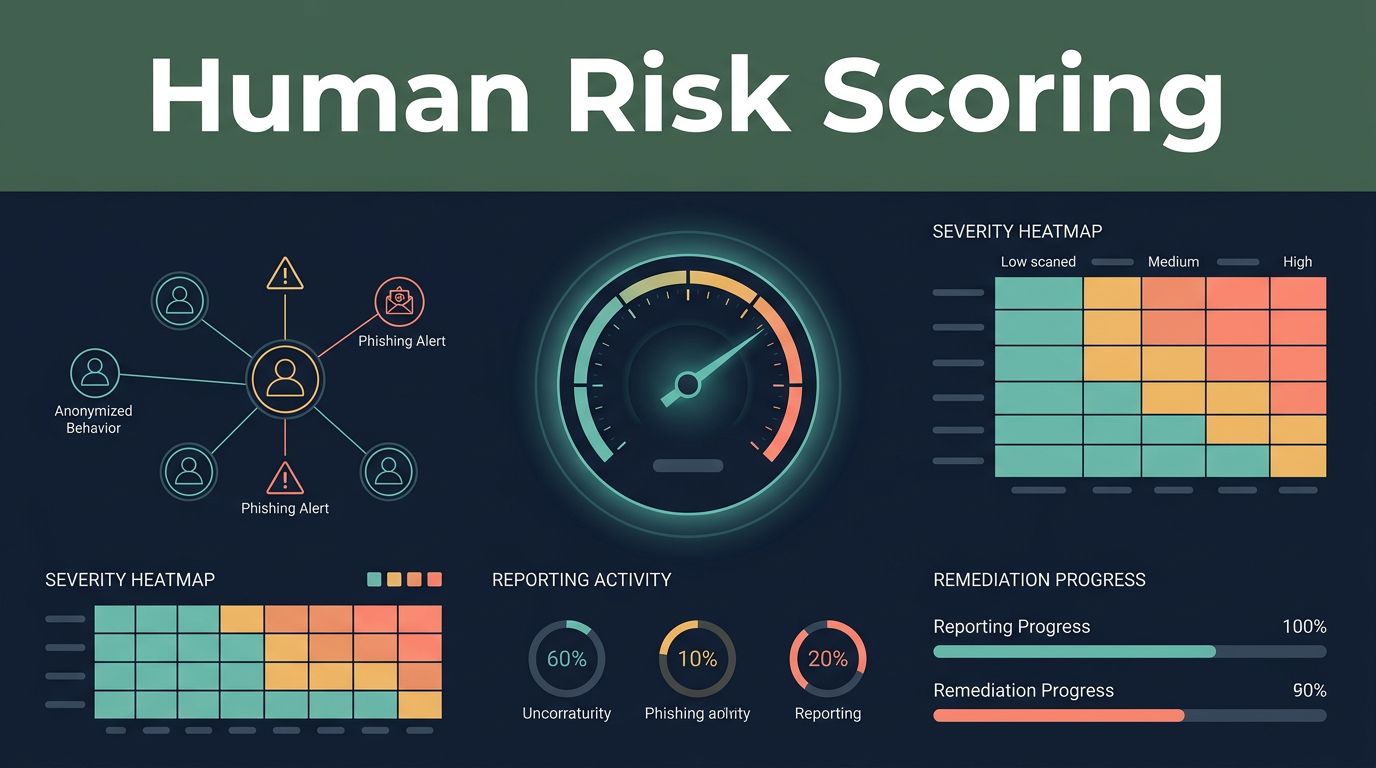
For organizations building a security team, Book A Call With Us can support planning around specialist hiring, human risk, and external security validation.
A Practical Shortlist for 2025 and 2026
A balanced shortlist should reflect the work, not brand recognition. Start with Deloitte, Accenture, PwC, KPMG, EY, or IBM when the program needs global coordination, governance, transformation, or broad technical delivery.
Add Mandiant, Unit 42, or CrowdStrike Services when incident response and threat-led testing are central. Add Optiv, NCC Group, Coalfire, or GuidePoint Security when the requirement is specialist assurance, technical testing, technology selection, or regulated cloud work.
Booz Allen Hamilton is a strong candidate for government and defense programs. Other providers may fit specific regions, industries, or technology stacks better.
Before selecting a winner, score each firm against the same criteria:
- Relevant experience with your industry and organization size.
- Named consultants with direct delivery responsibility.
- Technical depth for the systems in scope.
- Independence from product sales or implementation.
- Incident response availability.
- Quality of remediation support.
- Geographic coverage and data handling.
- Clear pricing and change-control terms.
- Evidence of knowledge transfer.
- References from comparable clients.
The final decision should be based on delivery confidence. A well-known firm with the wrong team is a poor choice. A smaller specialist with direct expertise may produce better results for a defined problem.
Conclusion
The best enterprise security consulting firms in 2025 and 2026 are different providers for different risks. Large consultancies support global transformation and governance. Specialist firms provide deeper capability in incident response, testing, cloud assurance, and regulated environments.
The selection process should start with the business problem, the assets at risk, and the internal capability required after the engagement ends. Compare named teams, methods, evidence, ownership, and total cost.
A security consultant is useful when the work changes decisions and reduces exposure. The report is only one output. The real test is whether the organization can operate the controls, close the findings, and respond better when the next serious alert arrives.