table of contents
Your compliance team spends hours chasing audit evidence. Engineering pushes code without policy checks. Legal flags risks after deployment. Sound familiar? In 2026, regulated industries like fintech and healthtech face mounting pressure from AI rules and cloud mandates.
A governance automation engineer fixes this. They build systems that enforce policies in code, collect proof automatically, and scale with your growth. You get compliance without slowing teams down.
This guide walks you through spotting the right hire. You’ll learn the role’s duties, must-have skills, and a clear hiring process.
What Does a Governance Automation Engineer Do?
Governance automation engineers turn manual compliance into code-driven reality. They design pipelines that check policies before code deploys. For example, they use policy-as-code to scan infrastructure changes against SOC 2 or NIST standards.
These pros focus on automation first. They build workflows for evidence collection, like pulling logs from cloud services to prove control effectiveness. Real-time dashboards alert teams to drifts. In AI-heavy setups, they gate model deployments until bias checks pass.
Consider Instacart’s Senior Risk & Compliance Automation Engineer role. It highlights end-to-end systems for evidence pipelines and risk data flows. Your engineer does similar work: integrates tools, codes custom logic, and maintains the stack.
They collaborate across teams. Security gets automated control tests. Legal reviews policy translations into Rego or YAML. Engineering deploys without friction because gates run in CI/CD.
Expect cross-functional impact. They bridge GRC and dev, so audits wrap faster. Fines drop. Teams move quicker.

Daily tasks include scripting integrations with Kubernetes or AWS. They troubleshoot false positives in policy engines. Over time, they optimize for scale, like handling thousands of daily checks.
This role shines in cloud-native firms. Multi-account AWS? They automate guardrails across environments. AI governance? They enforce EU AI Act rules on model training data.
When Does Your Company Need One?
Hire when manual processes break. If your GRC team exports spreadsheets for audits, you need automation. Growth amplifies this: more deploys mean more drift risks.
Scale signals demand. SaaS firms with 50+ engineers hit walls. Fintechs under PCI DSS or DORA rules can’t rely on humans. Healthtechs with HIPAA plus AI models face double scrutiny.
Look at AI adoption. If you train LLMs or use RAG pipelines, governance gaps expose you. Policies must check data sources, model outputs, and drift. Manual reviews won’t cut it.
Cloud sprawl is another trigger. Multiple regions or providers? Automation prevents config drift. Policy-as-code catches IAM misconfigs before breaches.
Demand stays high in 2026. Automation roles see strong growth because companies automate compliance to cut costs. Salaries range from $140,000 for seniors to $200,000 plus in high-cost areas.
You also need one post-audit. If findings cite evidence gaps, automate collection. Cross-team friction? They unify workflows.
Delay hires at your peril. Regulators like SEC fine non-compliance. Competitors with automation audit faster and innovate freely.
Key Skills to Look For
Prioritize coding over compliance theory. They must write reliable automation in Python, Go, or Terraform. Policy languages like Rego for OPA top the list. Without this, they can’t build enforceable gates.
Cloud expertise matters next. Hands-on AWS, Azure, or GCP for native services. They integrate Lambda functions or Kubernetes operators for policy checks.
Core skills:
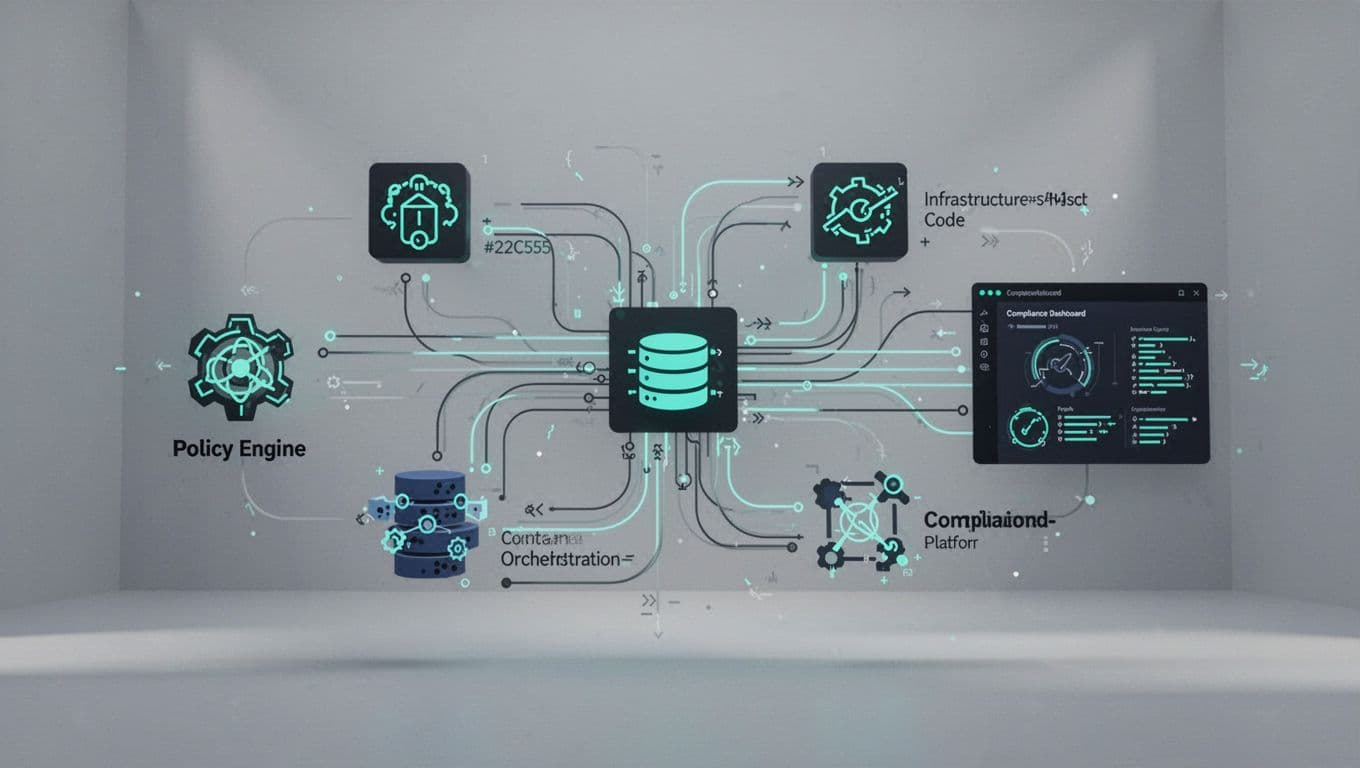
- Policy-as-code: OPA, Sentinel, or Kyverno.
- IaC scanning: Checkov, Terrascan.
- Workflow tools: Terraform, Ansible, or serverless like Step Functions.
- Monitoring: Prometheus for control metrics.
AI governance adds 2026 flavor. Tools like Credo AI or Ethyca handle model risk. They code RAG validations or agent safeguards.
Nice-to-haves include OSCAL for structured policies. SQL shines for evidence queries. But skip if basics lack.
Navan’s Security Governance & Risk Engineer job lists GRC automation with Tines and AWS Lambda. Match this: API glue skills, compliance frameworks knowledge.
Test in interviews. Ask them to pseudocode a policy blocking unencrypted S3 buckets. Probe integrations: “How do you automate SOC 2 evidence from Kubernetes?”
Cross-functional soft skills seal it. They explain tech to legal without jargon. They iterate based on security feedback.
Common Hiring Mistakes to Avoid
Don’t grab a DevSecOps engineer. They secure code pipelines but skip governance depth. No policy-as-code focus means weak compliance automation.
GRC analysts know frameworks cold. Yet they lack engineering chops for scalable systems. You get reports, not pipelines.
Security engineers hunt vulns. They miss policy enforcement at scale. Platform engineers build infra but ignore audit trails.
A Medium guide on becoming a governance engineer stresses OPA and IaC over broad security. Screen for this.
Overlook AI specifics at your risk. Generic automation won’t govern LLMs. Probe for model orchestration knowledge.
Rush juniors. They code but miss production pitfalls like false positives. Aim mid-to-senior: 3-5 years experience.
Ignore culture fit. They must partner with legal and risk. Solo wolves fail.
Step-by-Step Hiring Guide
Start with a tight job description. List must-haves: Rego proficiency, cloud automation, evidence pipelines. Cap at 5-7 bullets.
Post on LinkedIn, BuiltIn, and niche boards. Target “policy as code” keywords.
Screen resumes fast. Filter for OPA, Terraform projects on GitHub. 30-second scan: reject no code samples.
Phone screen: 15 minutes. Ask, “Describe a policy you automated.” Gauge depth.
Technical interview: Live coding. Task: Write Rego to deny oversized AI datasets. Follow with system design: Evidence flow for NIST controls.
Team panel: Cross-functional. Security tests integration. Legal quizzes frameworks. Engineering checks collaboration.
Offer smart. Base $160,000-$190,000 total comp for seniors, per market data. Add equity, remote flex.
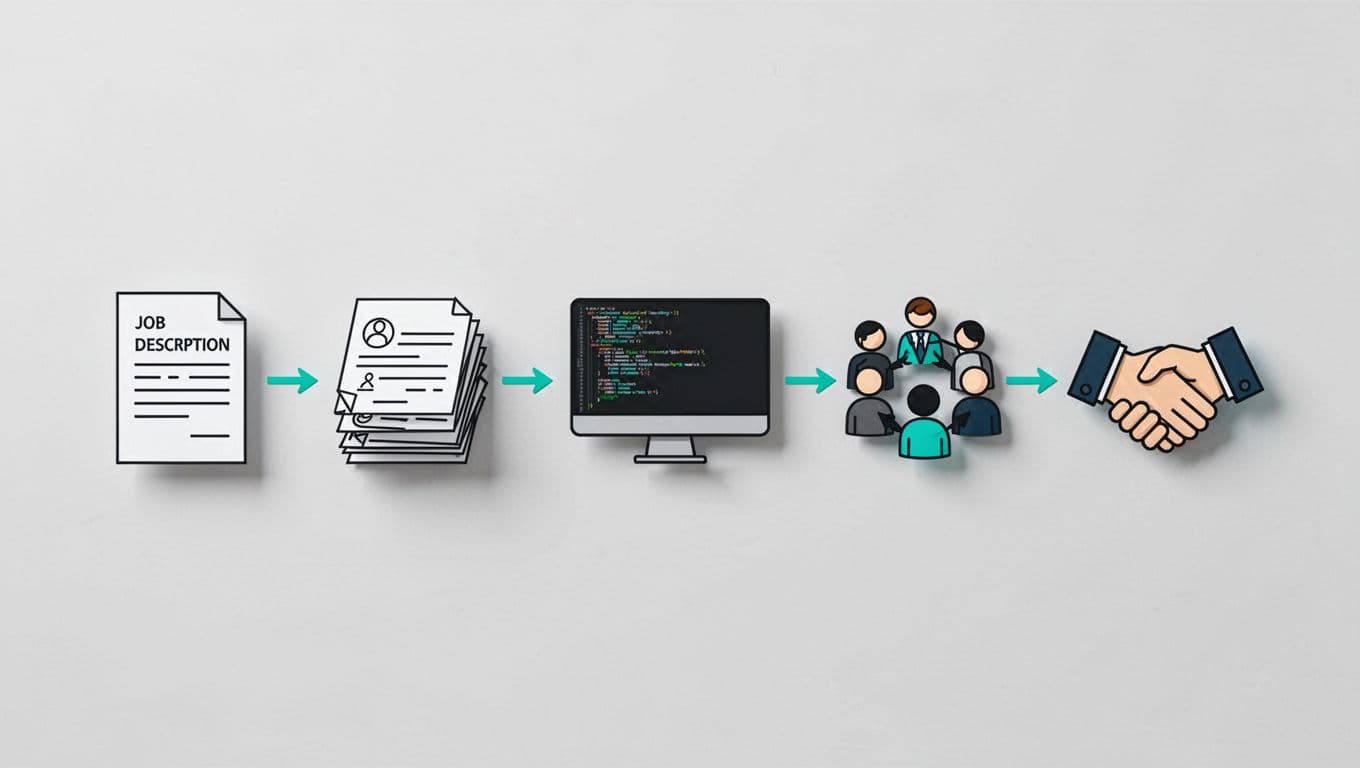
Onboard strong. Pair with GRC lead first week. Set 30-day milestone: Automate one control.
Stuck? Book a Discovery Call with Bud Consulting. They specialize in these roles.
Conclusion
Hiring a governance automation engineer streamlines compliance and frees your teams. Focus on policy-coding pros who bridge engineering and risk. Avoid overlaps with security or analyst roles.
In 2026, AI and cloud demands make this hire essential. Get the skills right, follow the process, and watch audits shrink.
Your next step? Draft that job post today. Strong automation pays off fast.