table of contents
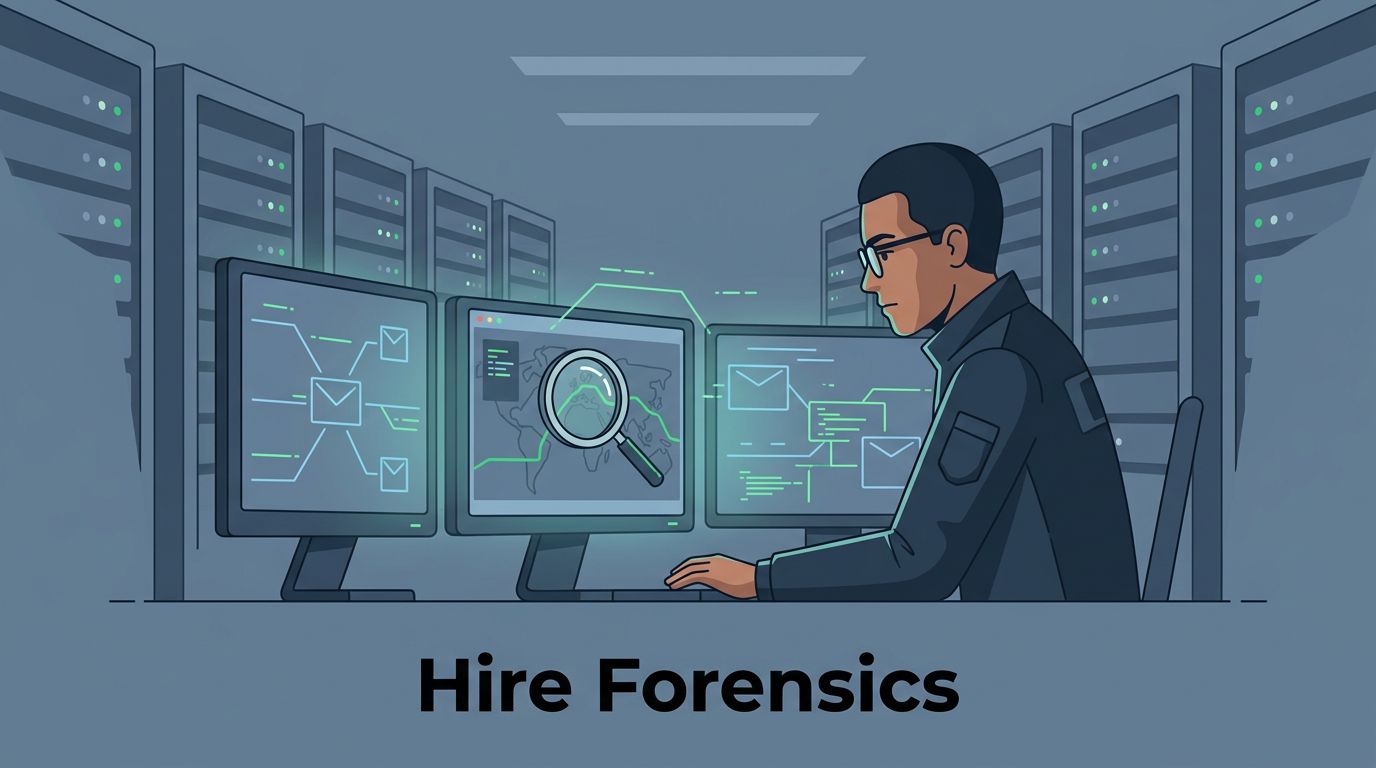
Your network just suffered a breach. Data flowed out undetected for weeks. Now you need someone to trace the attack path, preserve evidence, and build a case. That’s where a network forensics expert steps in. These pros capture traffic, spot anomalies, and turn raw packets into clear stories.
Hiring one isn’t simple. Demand outstrips supply, especially for those who handle cloud hybrids and courtrooms. You risk picking a generalist who misses subtle threats. This guide gives you practical steps to find the right fit. Start with clear criteria, then screen and interview smartly.
Spot the Role’s Core Demands First
Network forensics experts dissect traffic from routers, firewalls, and endpoints. They reconstruct incidents using tools like Wireshark or Zeek. In 2026, they also tackle hybrid setups where on-premises gear meets AWS or Azure flows.
Expect them to lead incident response. They isolate breaches without alerting attackers. They document every step for compliance or lawsuits. Poor hires overlook encrypted traffic or chain-of-custody breaks, which kill cases.
Focus on pros with real investigations under their belt. One bad actor can cost millions. Ask about past wins early. This weeds out theorists fast.
Key Qualifications to Look For
Top candidates blend technical chops with practical proof. Look for hands-on analysis of full packet captures and NetFlow data. They must parse protocols like HTTP/3 or QUIC, common in modern attacks.
Certifications matter in 2026. The GIAC Network Forensic Analyst (GNFA) proves skills in protocol reverse engineering and attack visualization. Pair it with GIAC Certified Forensic Analyst (GCFA) for incident handling and anti-forensics detection. CHFI stands out too, with labs on evidence handling and dark web traces.
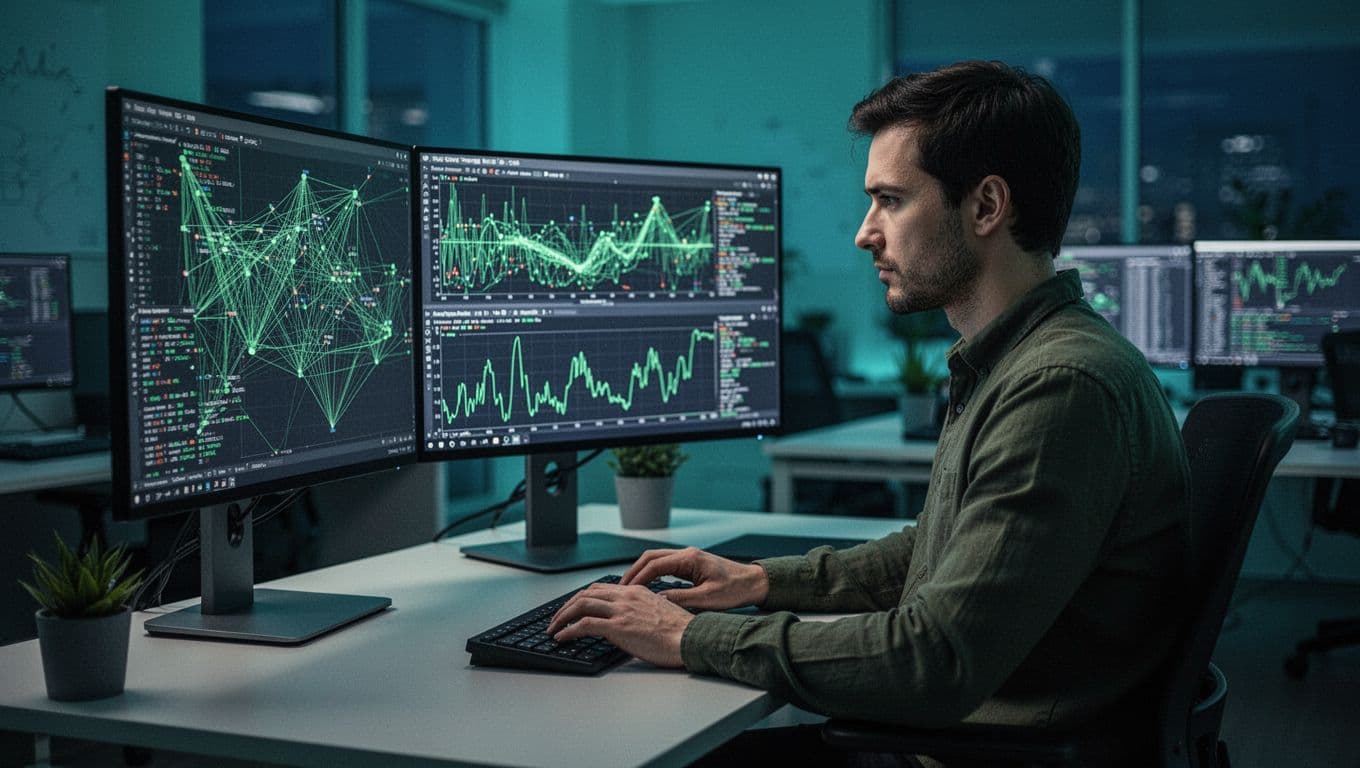
Experience counts more than paper. Seek 5+ years probing breaches. They should explain hybrid challenges, like east-west traffic in segmented clouds. Check for courtroom time; weak reporters flop there.
Reporting skills seal it. Good ones write timelines non-techies grasp. They use visuals for packet flows. Test this in screening.
Screening Candidates: Your Must-Have Checklist
Streamline resumes with a quick scan. Use this table to score fits fast.
| Category | Must-Have Criteria | Red Flags |
|---|---|---|
| Technical Skills | Wireshark mastery; NetFlow/Zeek use; cloud mirrors (AWS VPC, Azure NSG) | No hybrid examples; outdated tools |
| Certifications | GNFA, GCFA, CHFI, or GCIA | None or expired |
| Experience | 3+ breach investigations; chain-of-custody logs | Only simulations |
| Reporting | Court-ready reports; simple explanations | Dense jargon |
| Modern Env | Hybrid/cloud forensics; AI triage awareness | On-prem only |
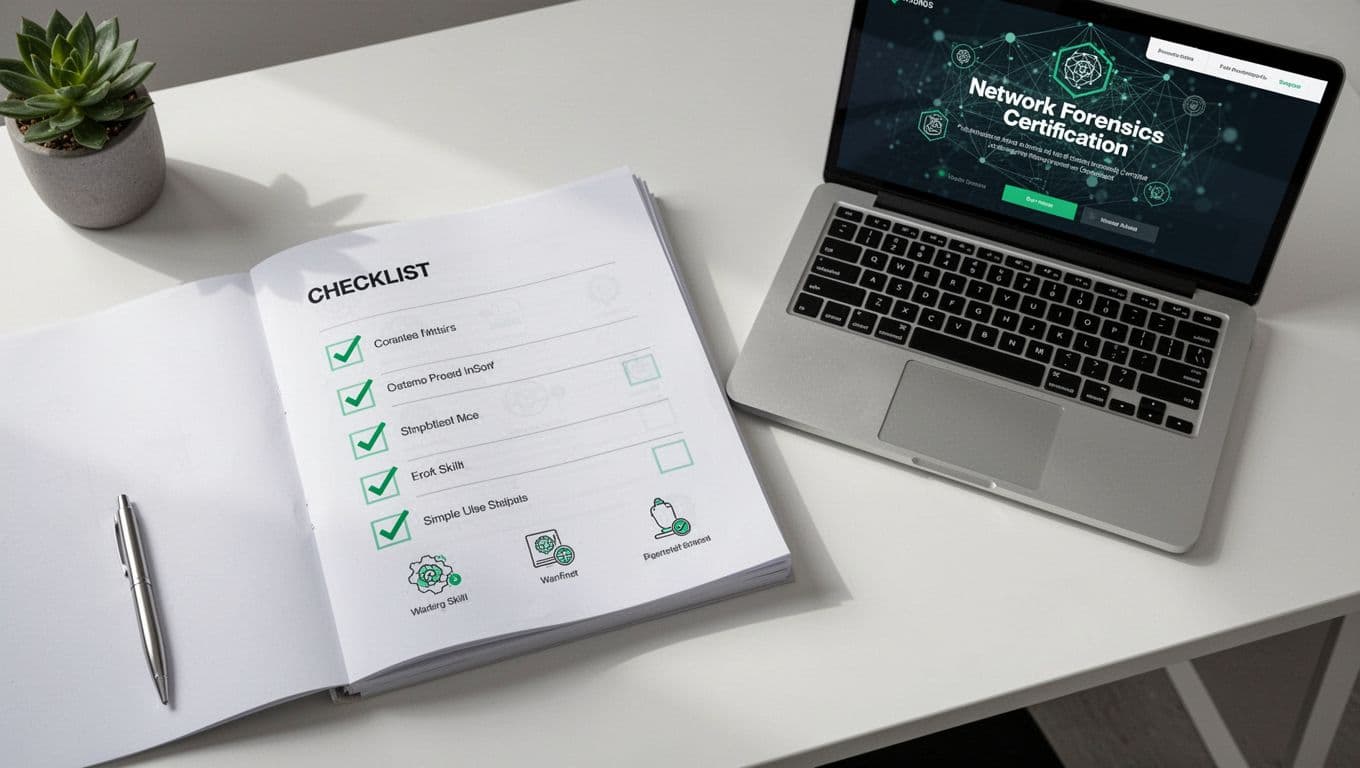
Prioritize those with zero-trust logging and remote evidence grabs. Trends show AI agents now hunt autonomously in hybrids. Your expert must oversee them.
Phone screen with basics. “Walk me through a PCAP from a lateral movement case.” Vague answers? Move on. Strong ones reference tools like those in Fidelis Network Forensics.
If sourcing proves tough, Book a Discovery Call with Bud Consulting. They vet senior cybersecurity talent.
Interview Questions That Reveal True Expertise
Interviews expose gaps. Probe deep with these.
Start with investigative flow: “Describe your first steps in a suspected data exfil.” Good answers cover volatile memory dumps before shutdowns, plus network baselines.
Test chain-of-custody: “How do you log evidence from a hybrid breach?” Expect hashed files, timestamps, and dual-witness handoffs. Slips here doom litigation.

Courtroom readiness: “Ever testified? How did you simplify packet analysis for a jury?” Listen for analogies like “traffic jams signaling a getaway car.” Ask, “Been challenged on admissibility?” Honest pros admit limits.
Modern twists: “How do you forensic a zero-trust cloud breach?” They should mention API logs, behavioral baselines, and tools like CySight for encrypted flows.
Follow up: “Share a report sample.” Clear visuals beat walls of text.
Check Modern Environment Fit
2026 networks span clouds and edges. Experts must handle ephemeral AWS instances or Azure flows. Look for VPC mirroring experience. They analyze without full decryption, using metadata.
AI changes everything. Pros triage alerts from SentinelOne-like platforms. They spot shadow AI risks in supply chains.
Test this: “How do you reconstruct an attack in a multi-cloud setup?” Answers should blend NetFlow, logs, and endpoints.
Final Thoughts
Hire a network forensics expert who turns chaos into court-ready proof. Nail technical skills, certs like GNFA, and hybrid savvy first. Use checklists and targeted questions to filter fast.
Your team gains faster responses and stronger defenses. That breach scenario? It becomes a win. Act now; threats don’t pause.
(Word count: 982)