table of contents
Your developers move fast on internal platforms. One weak spot in security can expose everything. In May 2026, demand surges for platform security engineers who secure these platforms without slowing teams down.
These pros build guardrails into Kubernetes clusters, CI/CD pipelines, and self-service tools. They handle software supply chain risks and IAM controls. You need one now because talent shortages hit 4.8 million last year, and gaps grow.
This guide gives you concrete steps. Follow it to spot candidates who balance security and speed.
Understand What a Platform Security Engineer Does
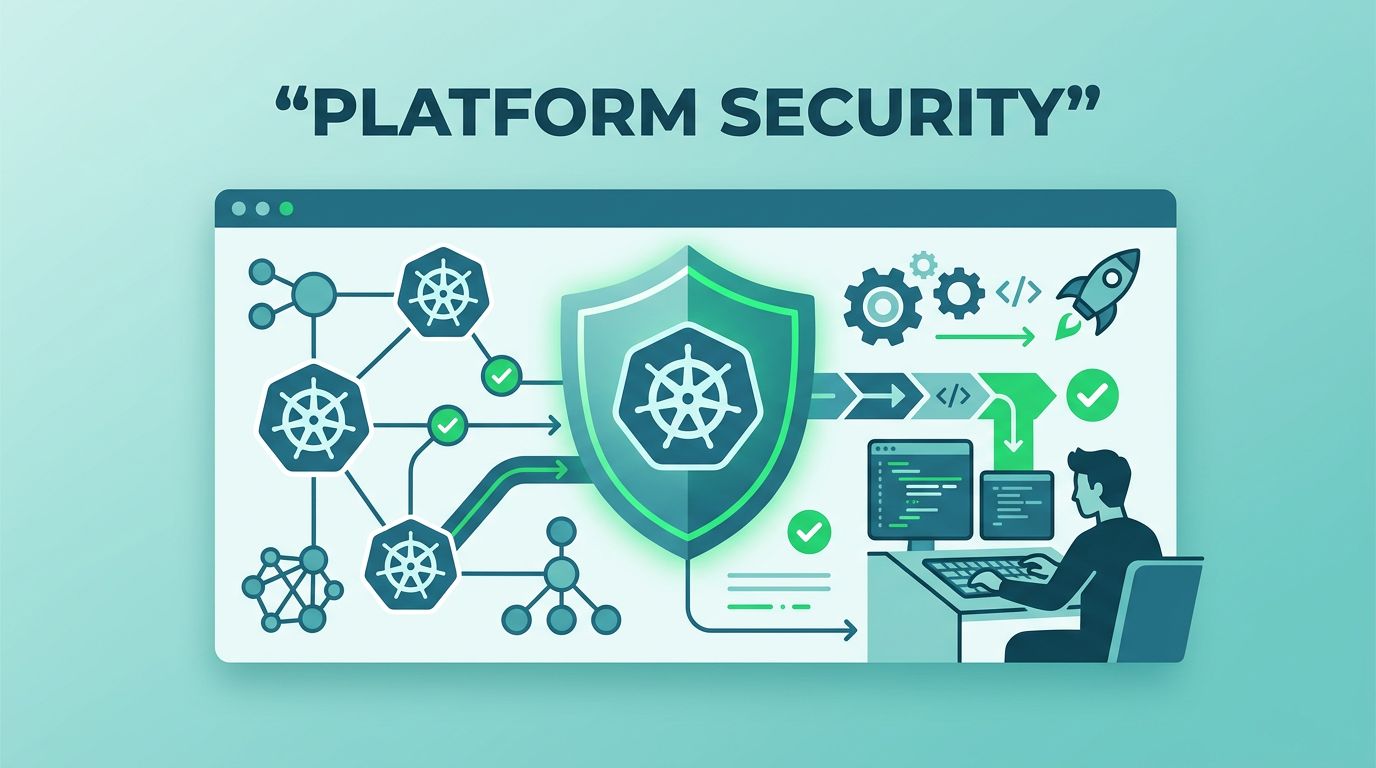
Platform security engineers work at the heart of internal developer platforms (IDPs). They embed security so developers stay productive. Think golden paths that guide safe choices, not roadblocks.
These engineers differ from generic security pros. A regular engineer might block deploys over minor issues. Your hire enforces policies via tools like OPA or Kyverno. They let devs self-serve resources with built-in checks.
Daily work includes auditing secrets management and Kubernetes pod security. They fix supply chain vulnerabilities in dependencies before code ships. For example, they scan artifacts in CI/CD for malware.

This role thrives on developer empathy. They design platforms where security feels invisible. Check Everbridge’s job post for a real example. It highlights scaling security with dev experience.
Strong signals? Past work on IDPs like Backstage or Port.io. They mention productivity metrics, not just compliance checklists.
Key Skills and Responsibilities
Look for hands-on expertise in cloud-native security. Top candidates secure multi-cloud setups with AWS IAM or Azure controls. They know Kubernetes admission controllers to block risky pods.
Core responsibilities cover these areas:
They implement policy as code for compliance. For instance, they use Terraform modules with pre-built scans. They also manage secrets via HashiCorp Vault or AWS Secrets Manager.
DevSecOps fits next. Secure CI/CD pipelines catch issues early. Tools like Trivy or Snyk integrate there.
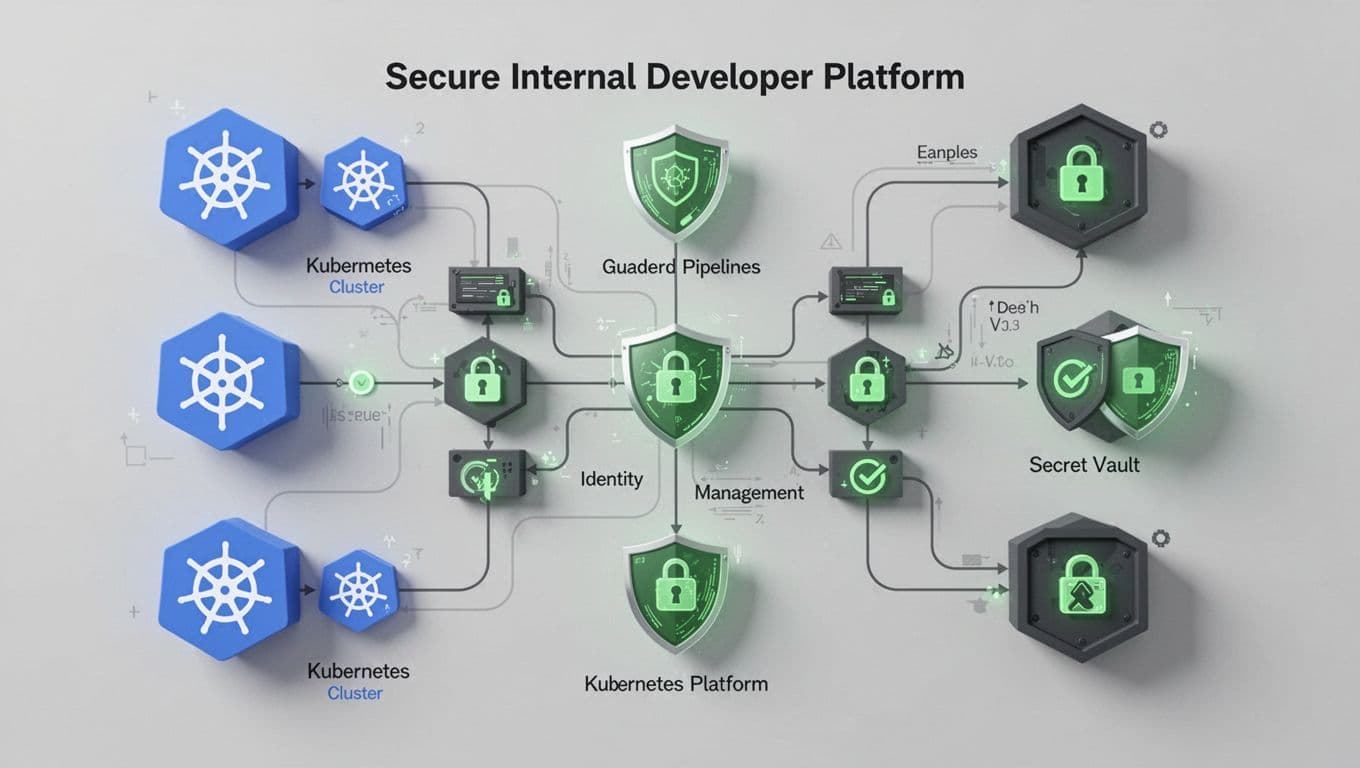
AI security trends matter too. In 2026, they test prompt injections in dev tools. Identity rules come first: just-in-time access prevents over-privileges.
| Skill Area | Example Responsibility | Tools Often Used |
|---|---|---|
| Cloud Platforms | Harden workloads | Kubernetes, AWS IAM |
| DevSecOps | Secure pipelines | ArgoCD, GitHub Actions |
| IAM/Secrets | Enforce least privilege | Vault, Kyverno |
| Supply Chain | Scan dependencies | Sigstore, SLSA |
After the table, note this: Candidates who tie skills to outcomes win. They reduced deploy failures by 40% at past jobs.
See KUBRA’s posting for security automation duties.
Source Candidates from the Right Places
Post on niche boards first. LinkedIn works, but filter for IDP keywords. Tech job sites like Built In or Lever list relevant roles.
Target communities around Backstage or Kubernetes security. Conferences like KubeCon draw talent. Referrals from platform teams beat cold searches.
In 2026, AI-savvy engineers cluster on GitHub. Look for contribs to cosign or OPA Gatekeeper.
Job boards show demand. CyberArk seeks platform engineers for IDPs with policy enforcement.
Recruiters help here. Firms like Bud Consulting specialize in these roles. They vet for the security-dev balance you need.
Avoid generic security folks. Seek those with platform engineering overlap.
Craft Effective Interview Questions
Interviews reveal true fit. Start with scenarios over trivia.
Ask: “How do you secure a Kubernetes cluster for self-service deploys?” Good answers cover network policies and runtime scans.
Probe IAM: “Walk us through just-in-time access in an IDP.” Listen for Vault integration and audit logs.
Test supply chain: “A dev pulls a tainted package. How do you detect and respond?” Expect SLSA frameworks or in-toto.

For productivity: “How do you add guardrails without dev friction?” Strong replies mention golden paths and previews.
From interview guides, add: “Describe policy enforcement in CI/CD.”
Red flags? Vague answers or security-first mindsets that ignore speed.
Build a Scorecard for Top Candidates
Score on four pillars: technical depth (40%), platform thinking (30%), dev empathy (20%), culture fit (10%).
Technical: Did they code a secure pipeline demo? Platform: Examples of golden paths? Empathy: Metrics on faster deploys?
Use a simple scale: 1-5 per criterion. Total over 4.0 means hire.
Distinguish stars: They share failures, like a bypassed guardrail, and fixes. Generic engineers list tools without context.
SentinelOne’s role stresses dev joy alongside security.
Track offers accepted. Adjust scorecard based on results.
Key Takeaways
Hire platform security engineers who secure IDPs without killing velocity. Focus on Kubernetes guardrails, secure CI/CD, and IAM that scales.
Use targeted sourcing, scenario questions, and scorecards. You’ll land talent that fits 2026 trends like AI risks and cloud automation.
Ready to fill this role? Book a Discovery Call with Bud Consulting for vetted candidates.
Your platform stays fast and safe. Start today.
(Word count: 998)