table of contents
Your office Wi-Fi handles sensitive data every day. Laptops connect for emails, phones link to cloud apps, and printers join the mix. One weak spot can expose customer info or halt operations.
Hackers target wireless networks because they seem easy. In 2026, Wi-Fi 7 speeds up offices, but new risks like signal leaks emerge. A wireless security specialist fixes that. They audit setups, block threats, and meet compliance rules.
This guide walks you through spotting needs, evaluating talent, and avoiding pitfalls. You’ll end up with a secure network that supports your team.
What a Wireless Security Specialist Does
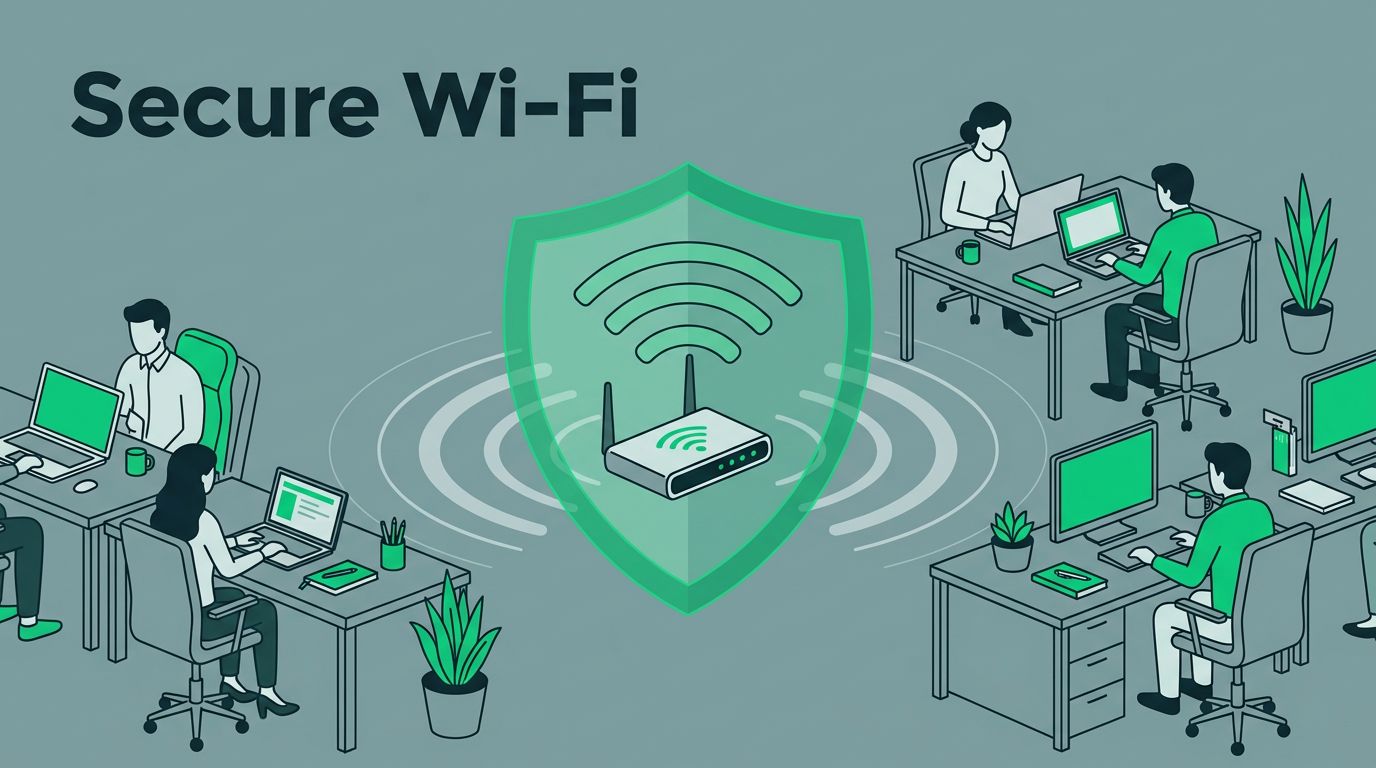
These pros focus on wireless threats that general IT misses. They run Wi-Fi security audits to map coverage and find gaps. Unlike basic support, they hunt rogue access points, those sneaky unauthorized hotspots employees or attackers set up.
Specialists deploy wireless intrusion detection systems. These tools scan for odd behavior, like fake login attempts. They also set up prevention features to shut down risks fast. For example, Cisco systems use off-channel scans for this, as outlined in Cisco’s rogue detection guide.
Network segmentation comes next. They split traffic so guest Wi-Fi stays away from finance servers. Zero trust principles guide this work. Every device proves itself constantly, no free passes inside the firewall.
Device management keeps IoT gear in check. Smart thermostats or cameras often lack patches, creating entry points. Specialists enforce policies and monitor for compliance, like PCI DSS rules for payments.
In short, they build defenses tailored to office chaos, not just plug in routers.
Signs Your Office Needs One Now
General IT handles passwords and updates. But wireless demands more. Hire when breaches hit headlines or audits flag issues.
Look for slow speeds from interference. Or complaints about spotty coverage in conference rooms. These signal poor setup, open to attacks.
New rules push action. WPA3 is standard in 2026; older WPA2 invites cracks. Wi-Fi 7 adds multi-link operations, but bad configs leak signals in dense offices. Zero trust Wi-Fi verifies every connection, cutting insider risks.
Your team grows? More devices mean more holes. IoT like video doorbells joins laptops. Without segmentation, one hack spreads.
Compliance bites too. HIPAA or GDPR requires logs and encryption. Fines hurt small businesses. If your setup lags 2026 standards, call a specialist before trouble starts.
Past incidents seal it. A rogue AP once let outsiders roam free. Don’t wait for that.
Key Skills to Demand from Candidates
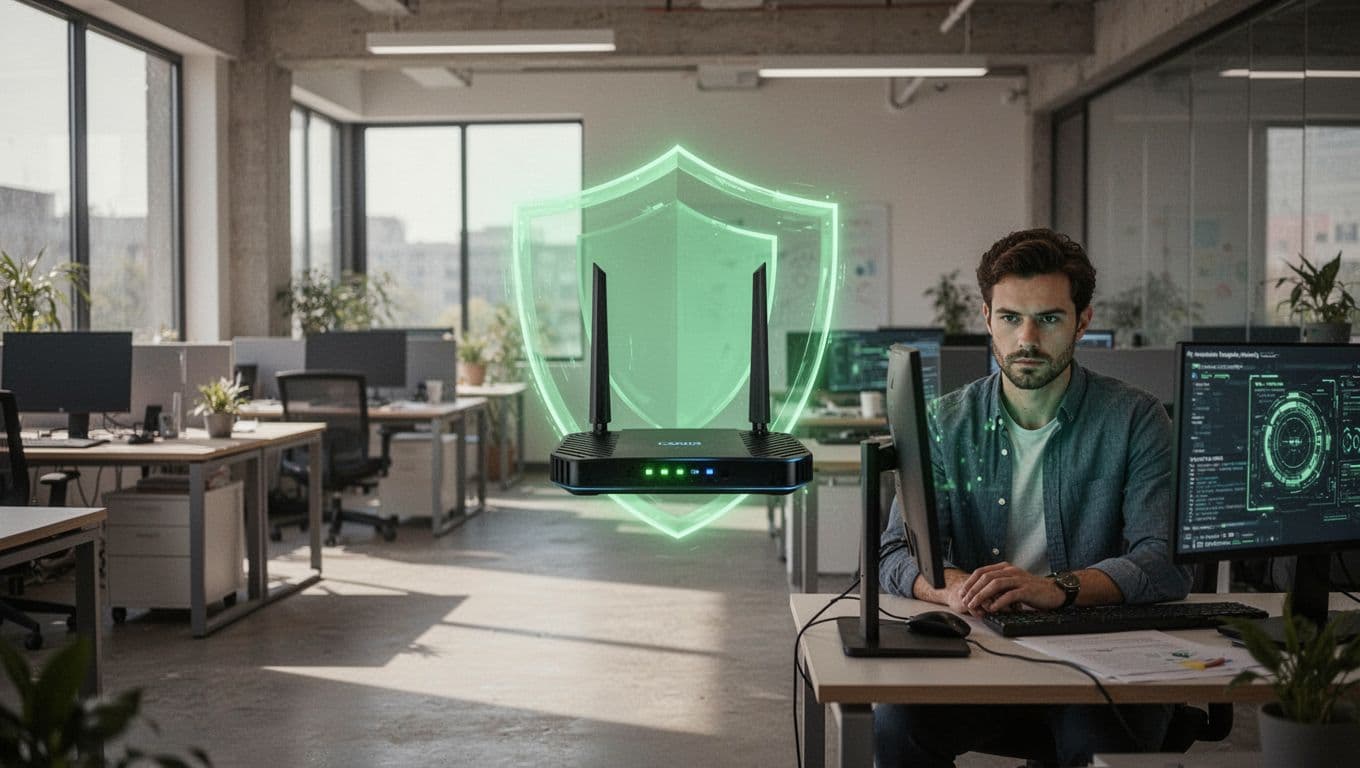
Skip resumes with vague “network experience.” Seek hands-on proof in Wi-Fi audits and WPA3 rollouts.
Top skill: WPA3 mastery. It blocks brute-force guesses better than WPA2. Candidates should detail enterprise setups with 802.1X and certificates. Check Wi-Fi Alliance security page for baselines.
Zero trust knowledge ranks high. They verify devices by health, location, and behavior. No broad access; segment guests from core systems.
Rogue AP detection and wireless IDS/IPS are musts. Pros use tools like Aruba or Cisco to classify and contain threats. Experience with heatmaps from Ekahau shows real audits.
Device management via MDM platforms controls IoT. They handle patching and policies.
Certs matter: CCNP Security, CWNP, or CCIE Wireless. Plus 5+ years on Cisco/Aruba gear. Python helps for custom scripts.
Test them on office scenarios. Can they explain segmentation without jargon?
Your Hiring Checklist
Use this to score candidates fast. Rate each on a 1-5 scale.
| Criterion | What to Check For | Why It Matters |
|---|---|---|
| WPA3/Wi-Fi 7 Experience | Deployed enterprise auth with certs | Stops common cracks in 2026 offices |
| Zero Trust Implementation | Micro-segmentation and continuous verify | Limits breach spread |
| Audit Tools Proficiency | Ekahau, netAlly for heatmaps/rogues | Finds hidden gaps |
| IDS/IPS Hands-On | Contained real threats | Active defense, not just monitoring |
| Compliance Knowledge | PCI DSS, GDPR logs and reports | Avoids fines |
| Certs and Years | CCNP Sec+, 5+ years wireless | Proves depth over general IT |
Prioritize practical demos over talk. Ask for project portfolios.

Sample Interview Questions
Probe deep with these. They reveal true expertise.
Start broad: “Walk us through a Wi-Fi audit you led. What tools did you use?”
On WPA3: “How do you migrate an office to WPA3-Enterprise without downtime? Handle legacy devices?”
Zero trust: “Describe segmenting Wi-Fi for guests, IoT, and staff. What if a device acts suspicious?”
Rogue threats: “How do you detect and contain a rogue AP in a busy office?”
Compliance: “How do you ensure logs meet GDPR for wireless traffic?”
Scenario: “Sales team brings personal hotspots. Fix it securely.”
Listen for specifics, not fluff. Good answers name tools and outcomes.

Mistakes to Avoid in the Process
Don’t hire cheap generalists. They patch routers but miss wireless specifics.
Overlook soft skills. Tech pros must explain risks to non-tech bosses.
Skip scope talks. Vague “secure our Wi-Fi” leads to bill shock. Define audits, fixes, and timelines upfront.
Ignore 2026 trends. Wi-Fi 7 needs MLO fixes; demand that knowledge.
Rush without references. Check past clients for breach-free results.
Set Clear Scope and Deliverables
Outline needs first. Audit phase: Heatmaps, rogue scans, vuln report.
Implementation: WPA3 upgrade, segmentation, IDS setup.
Deliverables: Config docs, training session, 90-day support.
Budget for ongoing checks. Wireless changes; one fix isn’t enough.
If sourcing proves tough, Book a Discovery Call with Bud Consulting. They vet specialists fast.
Key Takeaways
Offices run on Wi-Fi, so secure it right. A wireless security specialist brings audits, WPA3, zero trust, and rogue hunts that general IT skips.
Use the checklist and questions to pick winners. Define scope to control costs.
Your network stays safe, team productive. Act now; threats don’t pause.