table of contents
Weak passwords fuel most data breaches. In 2026, brute force attacks from guessed credentials make up 37% of web app incidents. Over 80% of breaches tie back to reuse or theft of logins. You know this, yet habits like “123456” or pet names persist.
The gap comes from how our brains work. Stress, forgetfulness, and shortcuts lead to risky choices. Behavioral tactics fix that. They nudge you toward secure actions without constant effort.
These methods draw from psychology studies. They focus on small changes that stick. Let’s look at practical steps you can take today.
Why Password Habits Often Fail
People intend strong passwords. They reuse them anyway. A LastPass study found 75% feel confident, but two-thirds reuse variations.
Memory anxiety plays a role. Research shows those worried about recall reuse or tweak old passwords. They avoid the mental load of new ones.
Convenience wins over caution. You pick familiar patterns under time pressure. Reuse feels safe because it works most days.
Default behaviors matter too. Sites suggest weak options. Your browser fills in predictable choices. These cues shape habits without you noticing.
Awareness helps little alone. Training cuts reuse for just 31% of users. Action needs behavioral nudges, not more facts.
Set Defaults That Favor Security
Change your starting point. Browsers and apps offer strong password generation. Turn it on once, and it handles the rest.
Go to settings in Chrome or Firefox. Enable “offer to save and fill passwords.” Pick the secure suggestion every time. This skips weak inventions.
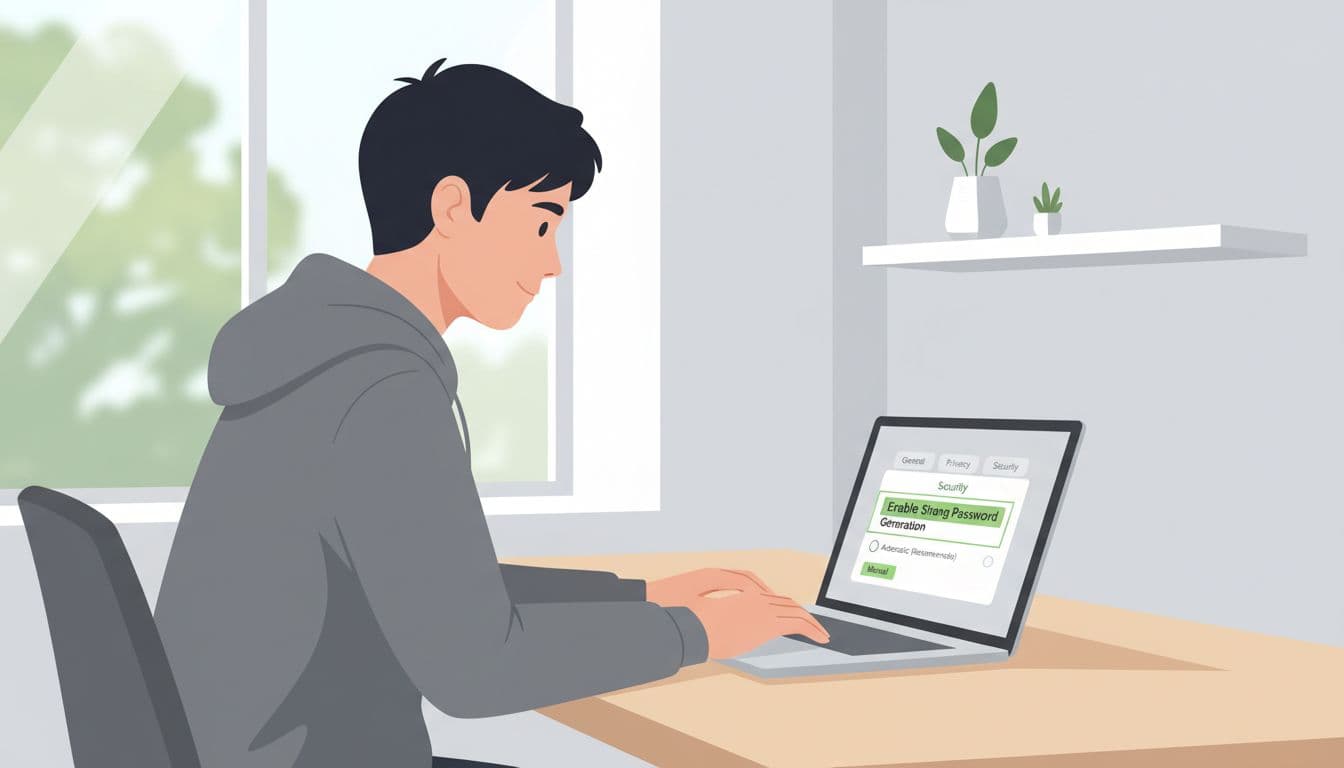
For teams, enforce this in policy. Set company devices to auto-generate 16-character passphrases. Users accept because it’s the easy path.
One study notes users create stronger passwords under composition rules that favor length over complexity. Defaults guide that choice naturally.
Result? Fewer short or repeated passwords. You build security into routine logins.
Cut Friction for Secure Choices
Effort kills good habits. Make strong passwords the low-friction option.
Use auto-fill everywhere. Once enabled, it pulls unique credentials without typing. No more “Password1” tweaks.
Phone prompts help too. When a site asks for a login, your device suggests a random string. Tap to copy. Done.
Avoid reuse traps. Block copy-paste from one site to another. Tools flag it before you commit.
In offices, simplify onboarding. Pre-fill manager-generated passwords. New hires activate without brainstorming.
These tweaks work because brains love ease. A semantic study shows users trade security for memorability when effort rises.
Lower the bar. Secure becomes default.
Stack Password Habits onto Daily Routines
Link new actions to old ones. Habit stacking builds security without extra thought.
Check email each morning? Right after, review logins for new sites. Generate and save a strong one.
Before bed, scan your password manager. Update any weak ones from the day. Tie it to brushing teeth.
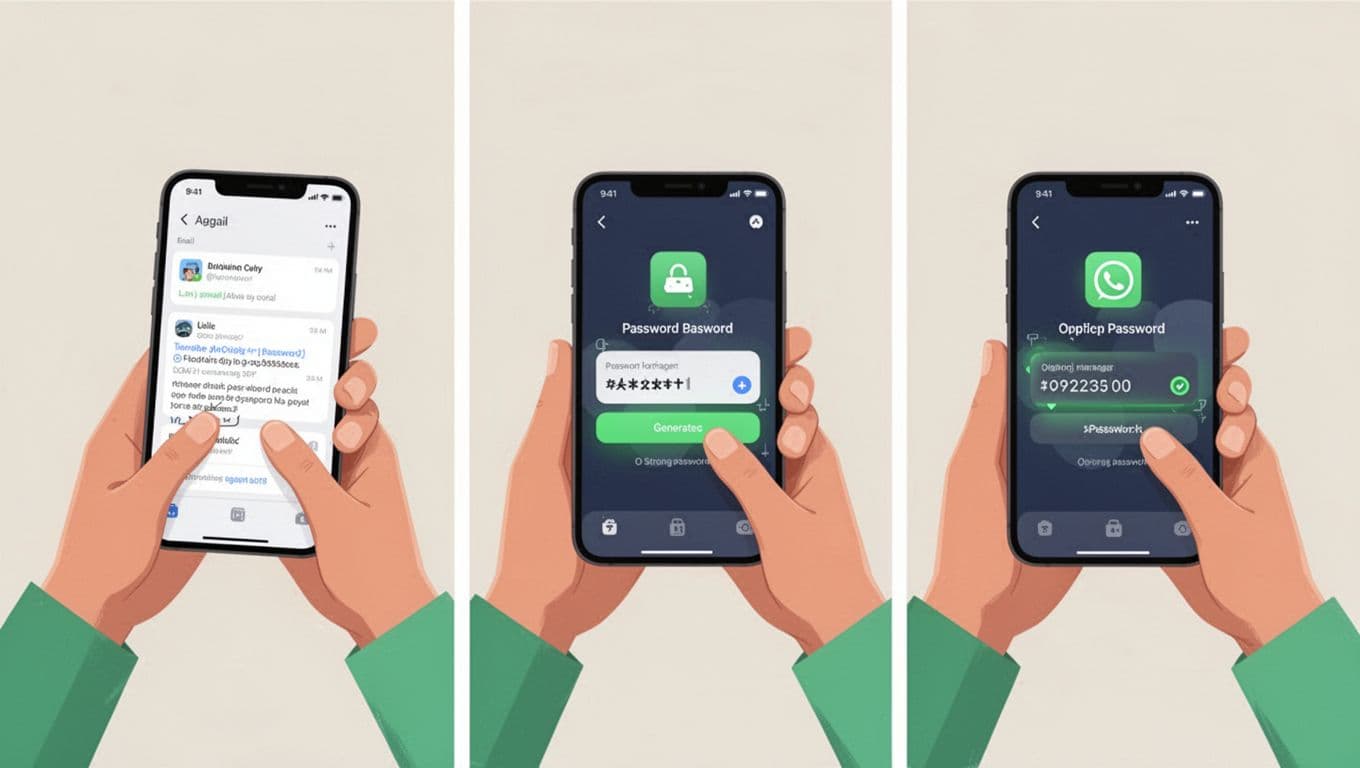
Teams stack during meetings. End standups with a quick audit: “Any new accounts today?” Share the manager link.
This method sticks because cues trigger action. Coffee brew reminds you to enable MFA on a site. Small, repeatable.
Over time, it cuts reuse. Recent reports show unique passwords rise when tied to routines.
Leverage Tools to Lock in Secure Habits
Password managers generate, store, and fill unique credentials. Pick one like 1Password, top-rated for ease in 2026.
They reduce memory load. One master password unlocks all. Autofill skips manual entry.
Add multi-factor authentication (MFA). It blocks 99% of account takeovers. Adoption hit 70% in 2025, per Okta data.
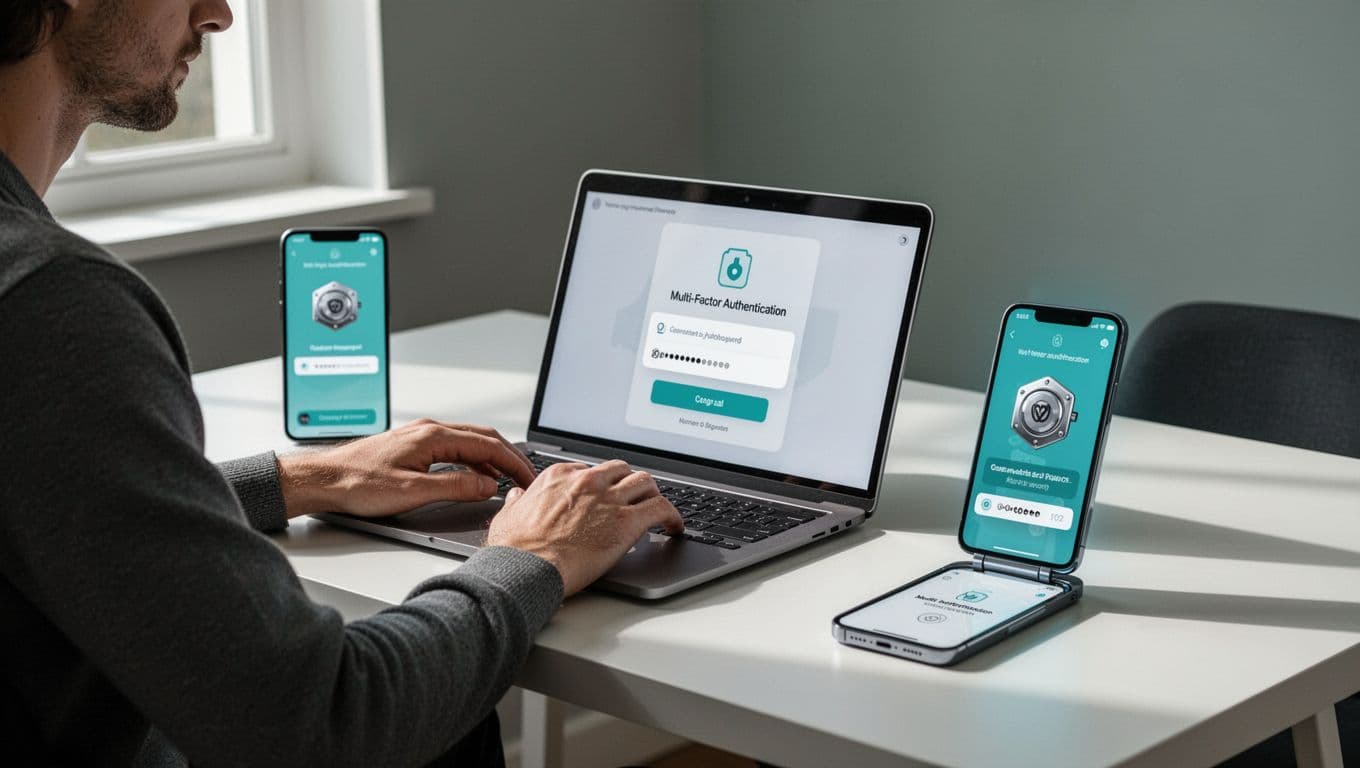
Enable both together. Manager suggests MFA setup. Phone app confirms logins.
For small businesses, roll out free options like Bitwarden. Train once, then automate.
Tools turn intentions into practice. MFA use dropped to 53% lately due to fatigue. Pair it with managers to rebuild trust.
Scale Tactics Across Your Team
Individuals start small. Teams amplify impact.
Set group defaults in shared browsers. Use enterprise managers for audits.
Run quick workshops on stacking. “Pair password checks with coffee breaks.”
Track progress without shame. Share anonymized stats: “Reuse down 20% this month.”
Book a Discovery Call with Bud Consulting to tailor these for your culture.
Behavioral nudges scale because people copy peers. One team’s win spreads.
Conclusion
Strong password security habits form through nudges, not willpower. Defaults, low friction, stacking, and tools make secure choices automatic.
You cut breach risks tied to weak logins. Start with one tactic today.
Your routines stay smooth. Security strengthens quietly in the background.