table of contents
Ransomware attacks jumped 22% in the first quarter of 2026 compared to last year. Security leaders face tough calls when encrypted files lock operations and data leaks loom. You need help fast, but the wrong choice costs more than time.
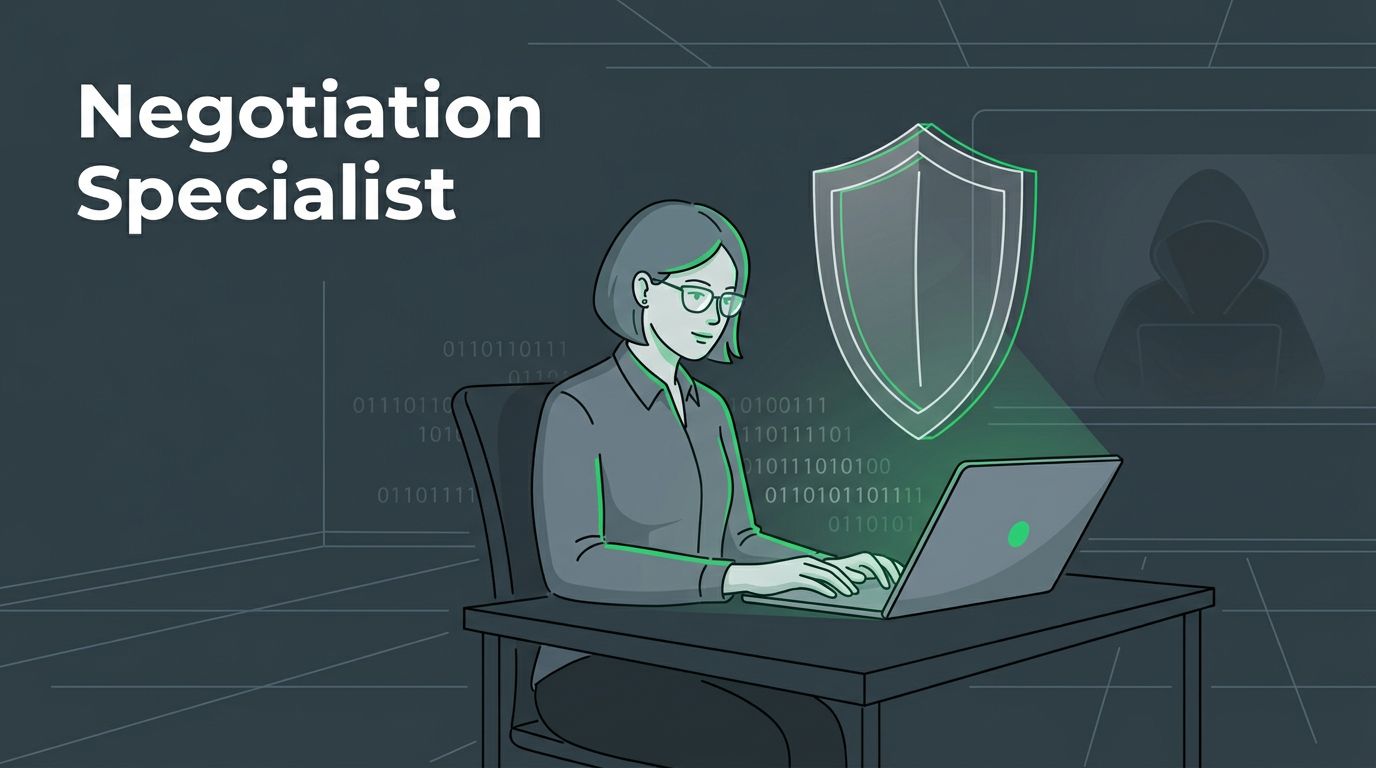
A ransomware negotiation specialist can guide talks with attackers. Still, FBI and CISA warn against payments. They fund crime and offer no recovery guarantees. This guide shows you how to pick the right expert while coordinating with legal counsel, forensics teams, cyber insurance, and law enforcement.
Assess Your Situation Before Hiring
Start by mapping the damage. How much data is encrypted? What backups exist? Check recovery costs against downtime losses. In 2026, median demands hit $1.32 million, but recovery averages $1.53 million even without paying.
Contact your cyber insurer right away. They often provide or recommend negotiators. Report to the FBI too; they offer free decryption tools and track groups. Legal review matters for sanctions compliance, like OFAC screening on wallets.
Ask yourself: Do you need negotiation at all? About 97% of victims recover some data without paying, thanks to solid backups. If talks make sense, document every decision for regulators.
Key Qualities to Look For
Look for proven experience first. A good specialist handles dozens of cases yearly. They know attacker tactics from groups like Qilin or The Gentlemen, active in 2026.
Demand legal savvy. They must spot sanctions risks and coordinate with your counsel. Technical knowledge helps too; they verify decryption samples before any payment.
Prioritize calm under pressure. Negotiations drag on, with attackers pushing 10-50% above expectations. Your expert stays firm, requests time extensions, and avoids desperation signals. Check for 24/7 response; delays spike demands.

Transparency counts. They share negotiation transcripts and economics data. For deeper patterns, see this analysis of ransomware talks. Only 4% of payers get full data back, so focus on risks.
Evaluate Credentials and Track Record
Scrutinize their history. Ask for case studies with outcomes, like average reductions of 30-70%. Reputable firms publish anonymized stats.
Verify partnerships. Do they work with incident response teams? Avoid those outsourcing key work; it slows response. A buyer’s guide stresses track records and relationships with criminals, built over years.
Check references from past clients. Peers in healthcare or manufacturing, hit hardest this year, share real insights. Ensure no compliance issues; legal integration prevents lawsuits.
Test responsiveness. In crises, every hour counts. 75% of payers send funds within 48 hours, often rushed.
Sample Interview Questions
Probe their expertise in a call. Start with: “Walk us through a recent case. What reduced the demand?”
Ask about risks: “How do you handle repeat attacks? We’ve seen 80% of payers hit again within a year.” Good answers stress parallel recovery and law enforcement reports.
On compliance: “Describe your OFAC screening process.” They should detail wallet checks and legal handoffs.

Gauge teamwork: “How do you sync with forensics and insurance?” Expect plans for shared intel without breaches.
Finish with: “What if payment fails? Outline non-payment paths.” Strong candidates push backups and FBI tools.
For more on credentials, review these key factors.
Common Mistakes to Avoid
Don’t rush solo talks. Direct contact risks legal traps; use experts who channel through safe paths, per this overview.
Skip firms without forensics ties. Negotiation alone ignores root causes.
Ignore fees. Some charge success-based, others flat. Clarify upfront; hidden costs add up.
Overlook insurance conflicts. Your carrier may mandate their negotiator.
Forget post-incident support. Payments don’t ensure deletion; demand proof and monitor leaks.
Hiring Checklist
Use this quick reference to vet candidates.
- Experience: 50+ cases, published outcomes?
- Legal/Compliance: Sanctions screening, counsel coordination?
- Tech Skills: Decryption validation, forensics links?
- References: Contact 3 recent clients?
- Response: 24/7 availability, SLAs?
- Fees: Transparent structure, no surprises?
- Teamwork: Integrates with IR, insurance, FBI?
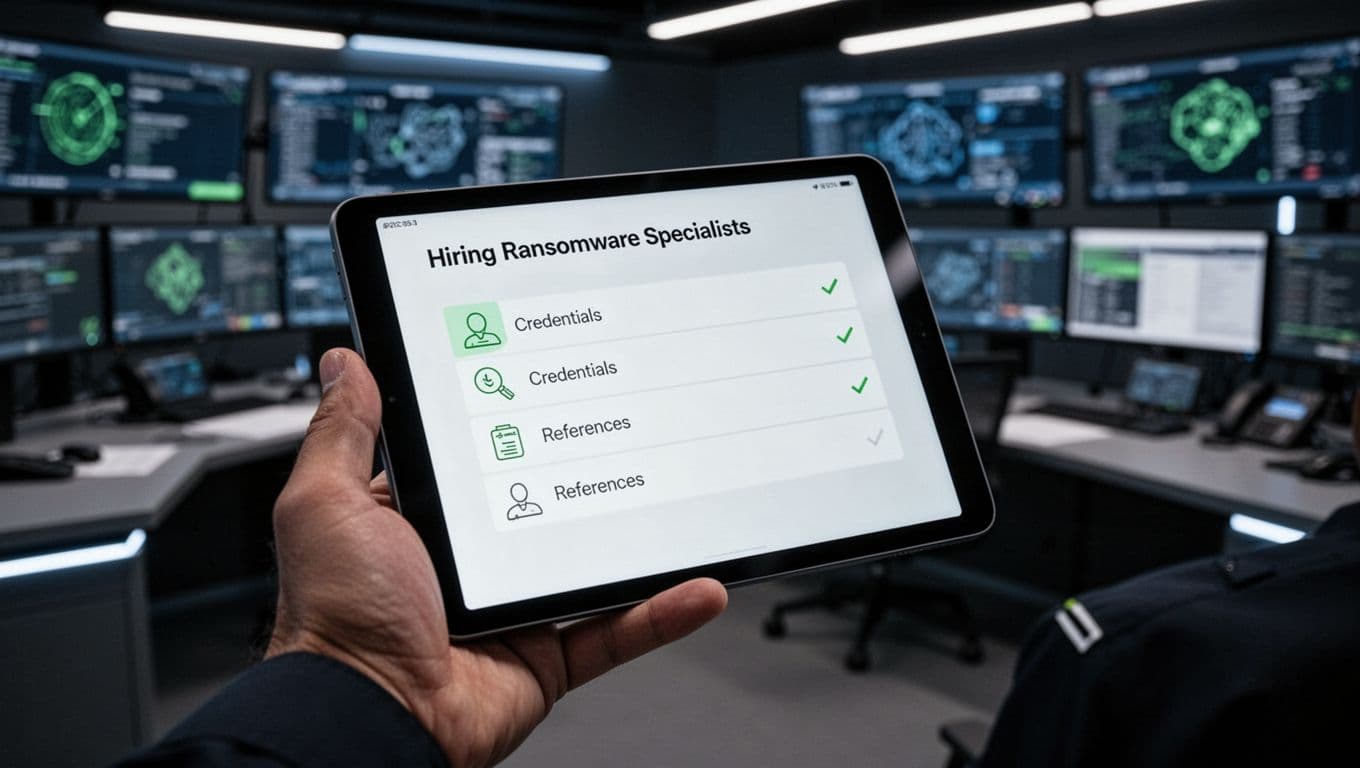
Run through it before signing. If gaps appear, keep looking.
Conclusion
Pick a ransomware negotiation specialist who fits your full response team. Experience, legal alignment, and risk focus save time and money. Remember, 64% skip payments successfully; prioritize recovery over talks.
Coordinate every step with pros to meet 2026 realities. Strong hires turn crises into controlled responses. Need talent sourcing? Book a Discovery Call with Bud Consulting.
(Word count: 982)