table of contents
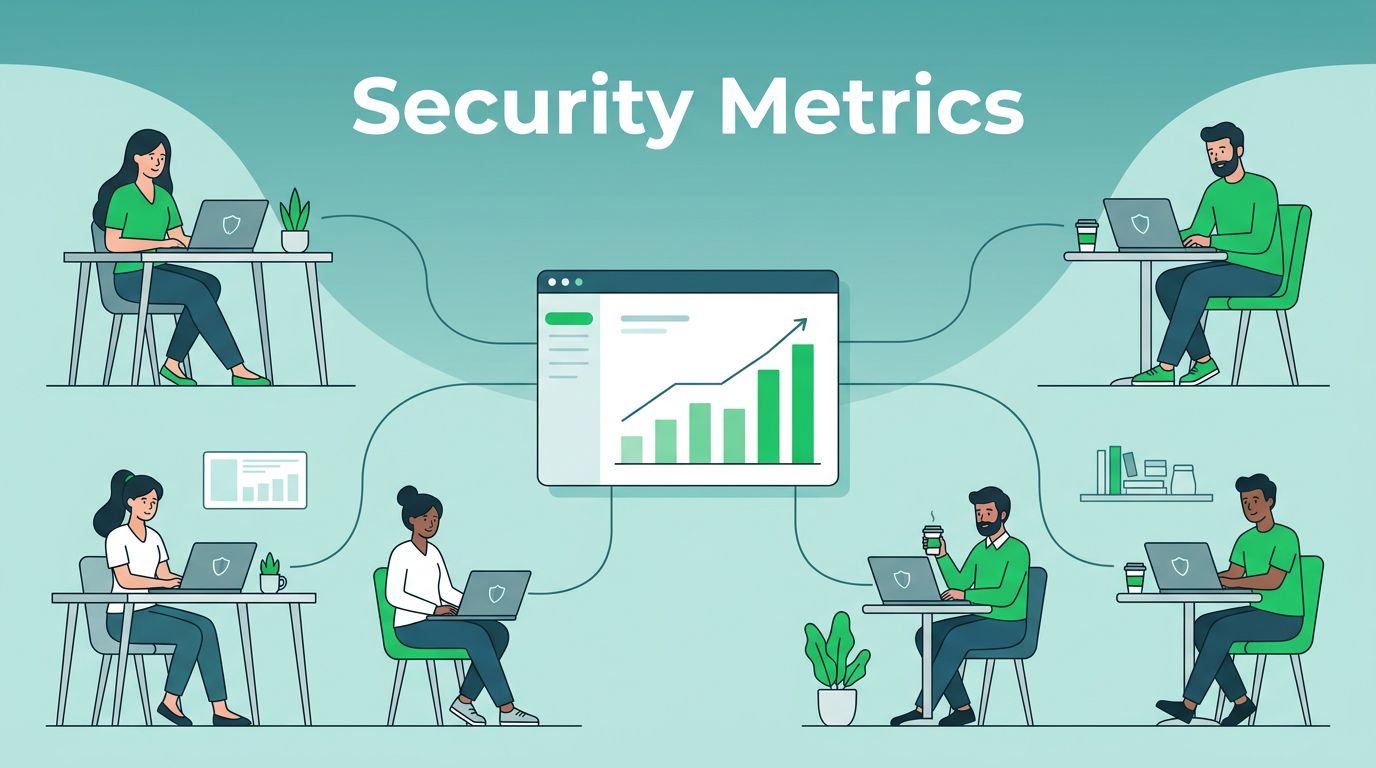
Remote teams face unique cyber risks. Employees log in from home offices or coffee shops, often without the oversight of an office setting. Insider threats can triple in these setups because isolation weakens habits.
You need metrics that reveal how your distributed workforce handles security. These numbers show if training sticks or if phishing emails still fool people. They also guide fixes without invasive tracking.
Let’s break down practical ways to measure and boost your team’s security mindset.
Challenges of Building Security Habits Remotely
Remote work scatters your team across time zones and devices. People skip MFA on personal laptops or share screens without thinking. A 2026 report notes phishing emails hit 8.3 billion in Q1 alone, with remote workers prime targets.
Standard office metrics fall short here. You can’t watch shoulder surfing, so focus on behaviors that predict risks. Privacy matters too; avoid keystroke logs that erode trust.
Track group trends instead. For instance, aggregate data from phishing sims shows if your sales team reports suspicious links faster than engineering. This builds a shared sense of duty.
Leading Versus Lagging Indicators
Leading indicators predict trouble before it hits. They measure proactive habits, like near-miss reports where staff flag odd emails without clicking. Formula: (Number of voluntary reports / Total phishing sims sent) x 100. Aim for over 70% in mature teams.
Lagging indicators confirm damage after events. Count actual incidents from human error, such as credential leaks. Calculate: (Security incidents from insiders / Total incidents) x 100. Low numbers validate your culture.
Executives prefer lagging ones tied to business impact, like downtime costs. Frontline managers favor leading metrics for quick tweaks, such as training completion rates. Both work best together.
The SANS Security Awareness Maturity Model outlines stages from basic compliance to full culture. Use it to benchmark progress.
Essential Metrics Tailored for Distributed Teams
Pick metrics that fit remote realities. Start with phishing response rates. Measure reports versus clicks: (Reports / Clicks) x 100. High ratios mean people spot fakes fast.
Training engagement beats raw completion. Track time spent and quiz scores: Average score = (Total correct answers / Total questions attempted). Scores above 90% signal retention.
For remote access, monitor MFA adoption: (Users with MFA enabled / Total remote users) x 100. Pair it with login anomaly alerts.
Voluntary feedback counts too. Run quick surveys: “Do you feel safe reporting risks?” Net positive responses over 80% show trust.
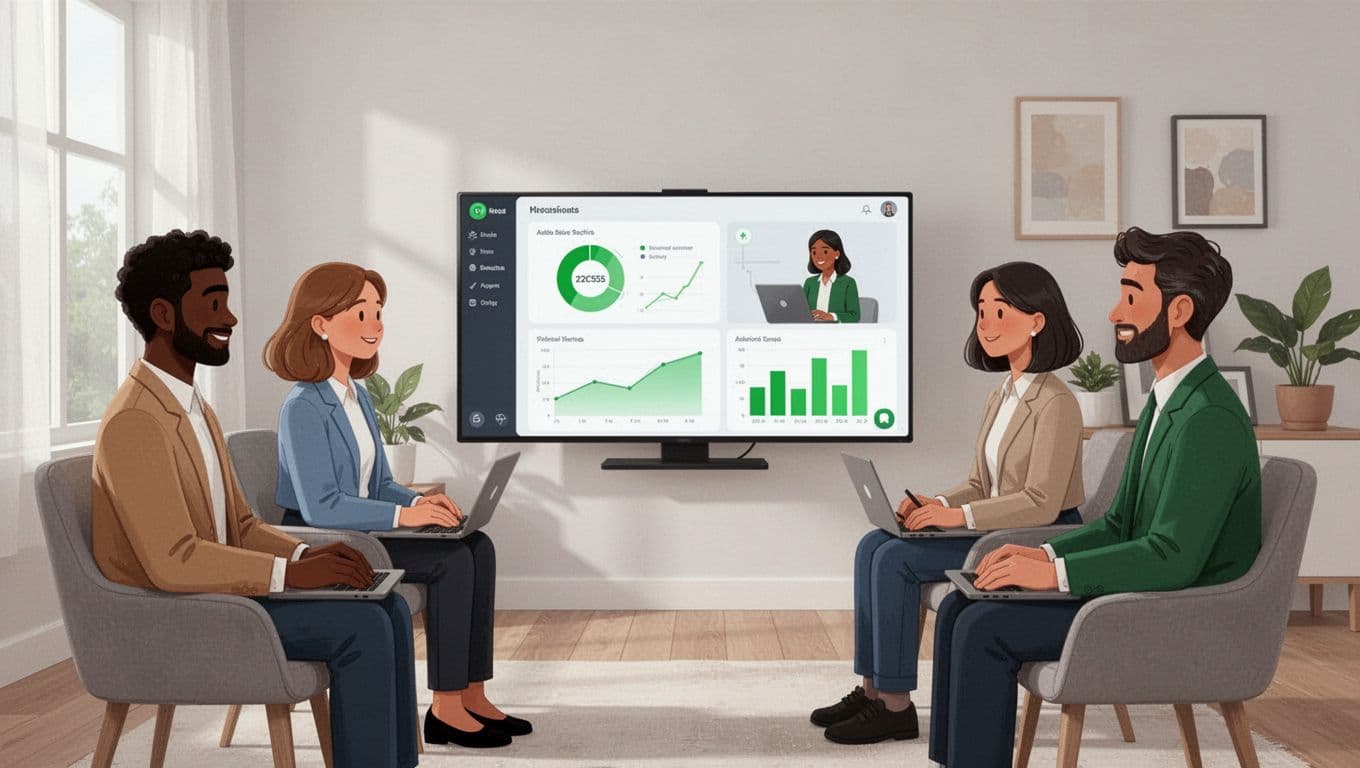
These metrics stay privacy-friendly. Aggregate by department, not individuals. As Valydex’s remote security guide suggests, target click rates under 5% after training.
Sample Scorecard for Executives and Managers
A scorecard simplifies reporting. Executives see high-level risks; managers get action items. Update it quarterly.
Here’s a basic one:
| Metric | Formula | Target | Cadence | Who Uses It |
|---|---|---|---|---|
| Phishing Report Rate | (Reports / Sims) x 100 | >70% | Monthly | Managers |
| Training Score Avg | (Correct answers / Questions) | >90% | Quarterly | Both |
| MFA Coverage | (Enabled users / Total) x 100 | 100% | Monthly | Executives |
| Near-Miss Reports | Voluntary logs per 100 employees | >5/month | Weekly | Managers |
| Incident Rate (Human) | (Insider incidents / Total) x 100 | <10% | Quarterly | Executives |
This table draws from KnowBe4 benchmarks, where reporting lags industry at 13%. Escalate if reports dip below 30%.

Managers drill into trends, like engineering’s low MFA. Executives link low incidents to ROI.
Reporting Cadence and Behavior Shifts
Report monthly for managers, quarterly for execs. Dashboards in tools like Google Sheets or Slack keep it simple.
Turn data into action. If reports lag, run blame-free workshops. Celebrate teams with top scores in all-hands.
Link metrics to reviews. Reward high reporters, as PhishSkill recommends. This shifts habits.
Tools like automated sims provide realtime data. Share wins: “Our report rate rose 20%, cutting risks.”
Book a Discovery Call with Bud Consulting to tailor these for your team.
Key Takeaways
Strong security culture metrics predict and prevent remote risks. Focus on leading signs like reports and training, balanced with lagging incident data.
Executives gain ROI proof; managers get daily tools. Use scorecards and steady reporting to drive real change.
Your distributed team can match office-level safety. Start tracking today for a safer tomorrow.