table of contents
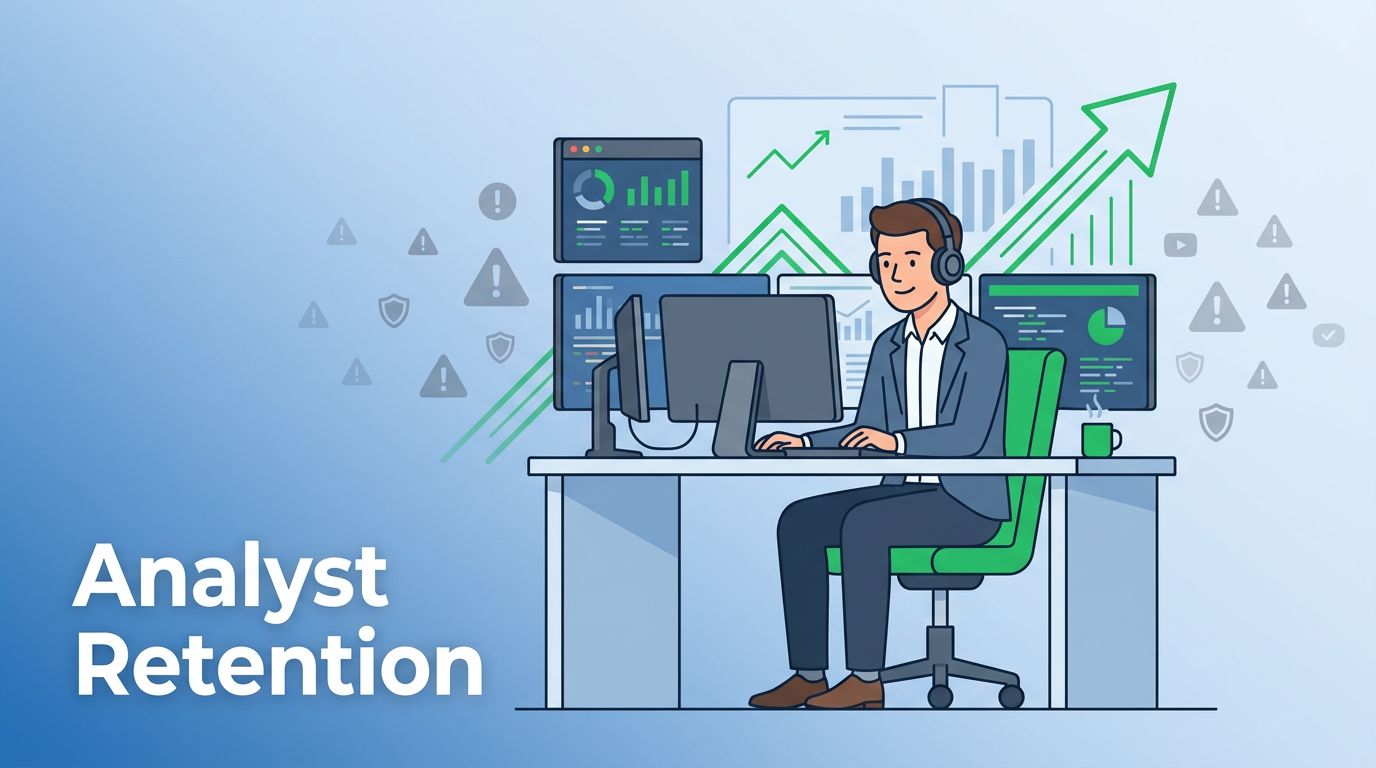
Junior security analysts often leave SOCs after just a year or two. You hire them with promise, but burnout hits hard. They face endless alerts and unclear paths forward.
Security analyst retention starts with spotting these issues early. High turnover costs time and money in a field already short on talent. This guide gives you practical steps to keep them engaged and growing.
You can build plans that fit your operations. They focus on real SOC challenges like fatigue and stalled careers.
Spot Why Junior Analysts Burn Out
Junior analysts drown in alerts. They triage hundreds daily, most false positives. This leads to fatigue and quick exits.
Alert fatigue kills motivation. Analysts skip details or miss threats because exhaustion sets in. In 2026 SOCs, noise from tools overwhelms new hires.
Start by auditing your alert volume. Check SIEM logs for patterns. Then tune rules to cut noise by 30% or more. For example, suppress common benign events from known assets.
Automation helps too. Use SOAR platforms for initial triage on low-risk alerts. This frees juniors for real investigations. Teams that automate repetitive tasks see better SOC analyst retention.

Track fatigue signs like rising mean time to acknowledge alerts. Set team goals to respond faster on high-priority items. Rotate shifts to avoid nights back-to-back. These changes build stamina.
Map Out Skill Development with Matrices
Juniors need visible progress. Without it, they feel stuck. A skill matrix shows gaps and growth clearly.
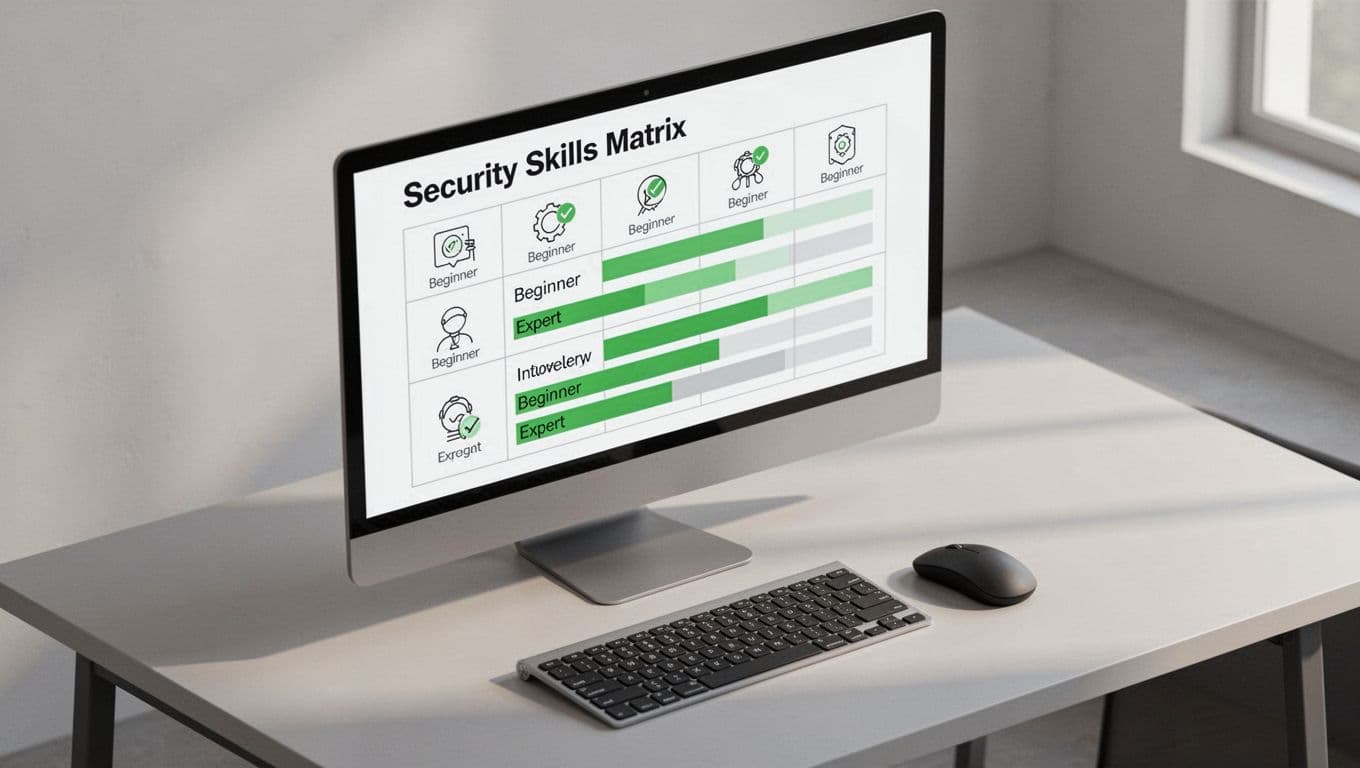
Build a simple matrix in a shared sheet. List core skills: SIEM querying, threat hunting basics, scripting in Python. Rate levels from beginner to expert.
For each analyst, mark proficiency. Update quarterly. This turns abstract growth into concrete bars they can see.
Here’s a basic setup:
| Skill Category | Junior Level | Target in 6 Months | Resources |
|---|---|---|---|
| Alert Triage | Basic filtering | Risk scoring | Internal playbook |
| Incident Response | Log review | Full playbook run | CompTIA CySA+ course |
| Automation | None | Simple scripts | Free Python labs |
Use templates like the cybersecurity skills matrix to start fast. Assign two hours weekly for training. Tie it to reduced fatigue because skilled analysts handle alerts quicker.
Review matrices in one-on-ones. Celebrate fills in gaps. This boosts confidence and ties directly to retention.
Pair Analysts for Hands-On Mentorship
Mentorship keeps juniors from drifting. Pair each with a senior analyst weekly.
Seniors walk through real cases. Juniors shadow responses, ask questions. This builds skills faster than solo shifts.
Formalize it: One hour per week, documented goals. Use peer reviews on tickets. Avoid rigid tiers; let experience flow freely, as Forrester suggests tearing down tiered systems.
Track progress with metrics like case closure speed. Juniors improve 70% faster with guidance, per some SOC reports.

Make it reciprocal. Juniors share fresh tools or trends. This keeps seniors engaged too. Rotate pairs quarterly for broad exposure.
Clarify Promotion Paths and Certification Support
Vague careers drive exits. Spell out paths from junior to senior analyst, then specialist roles.
Define milestones: Handle 50 incidents solo, earn CySA+, lead a rotation. Post the ladder on your team wiki.
Fund certifications. Budget $2,000 per analyst yearly. Offer study time during shifts. Paths like those in Pluralsight’s 2026 guide show junior to threat hunter tracks.
Promote on time. Delay erodes trust. Use skill matrices to justify moves.
Run Stay Interviews and Track Retention KPIs
Exit interviews come too late. Hold stay interviews every six months.
Ask: What keeps you here? What frustrates you? What do you need next? Keep it 20 minutes, one-on-one.
Act on feedback. Common asks: Less noise, more growth time. Paychex outlines how stay interviews boost retention.
Measure with KPIs: Turnover rate under 15%, tenure over 18 months, Net Promoter Score from juniors. Review monthly. Adjust plans based on data.
Dashboards help. Plot trends in alert volume versus satisfaction scores.
Put It All Together for Strong Retention
Retention plans work when you address fatigue, skills, mentorship, paths, and feedback. Juniors stay because they grow and contribute.
Start small: Audit alerts this week, build one matrix next. Scale from there.
Your SOC thrives with stable teams. If gaps persist, book a discovery call with Bud Consulting to strengthen yours.
(Word count: 982)