table of contents
Cyberattacks hit organizations every 39 seconds. You need sharp eyes on emerging threats before they strike. As a hiring manager or CISO, finding a security intelligence analyst who turns data into action feels urgent, especially with 470,000 open cybersecurity jobs in the US alone.
Demand outpaces supply. Salaries average $120,000, yet skills gaps persist in cloud security and AI defenses. This guide walks you through defining the role, spotting top talent, and avoiding hires that fall short.
You will learn practical steps to build your team. Start by grasping what sets this position apart.
The 2026 Hiring Landscape
Hiring for security intelligence analysts heats up in 2026. The US Bureau of Labor Statistics predicts 29 to 33 percent growth through 2034. Globally, 4.8 million roles go unfilled. Cloud providers and IT firms lead the charge because regulations like NIS II force quick staffing.
Salaries reflect the scramble. Median pay sits at $120,360 for information security analysts. Top roles exceed $188,000. Recent raises average 4.7 percent, above national norms. Shortages hit hardest in cloud security, AI protection, identity management, IoT safeguards, and zero-trust setups.

Organizations face moderate to critical gaps. Only 15 percent feel staffed well. This means qualified candidates command choices. You compete on clear role definitions and growth paths.
Focus on in-demand skills early. Analysts who handle AI-driven threats or cloud exposures stand out. Employers win by targeting these gaps now.
What Sets a Security Intelligence Analyst Apart
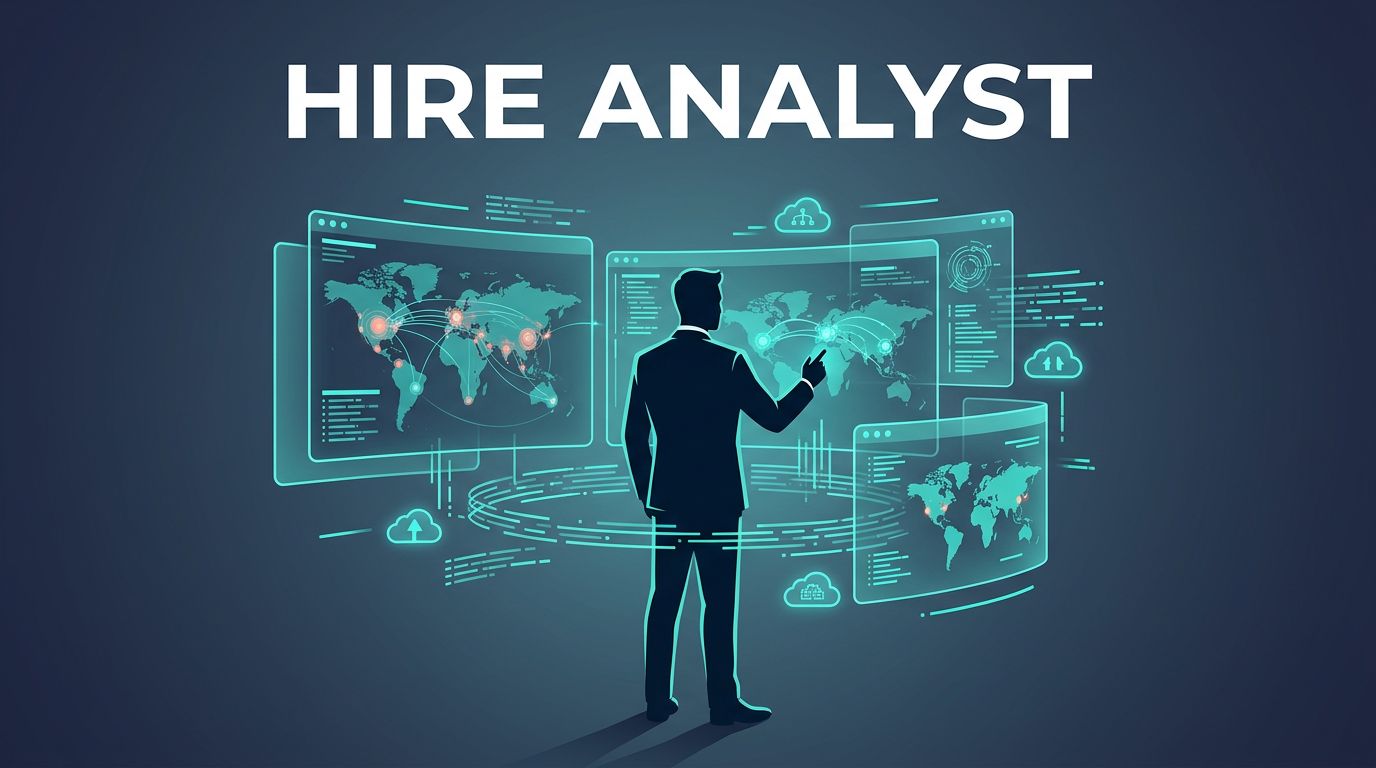
Security intelligence analysts bridge raw data and decisions. They process logs, alarms, and open-source feeds to spot risks. Unlike threat intelligence pros, who focus on actor motives and campaigns, these analysts emphasize operational insights for immediate use.
Threat intelligence digs into tactics like malware families or phishing waves, per IBM’s overview. Cyber threat analysis evaluates files and indicators, as Cisco explains. Security intelligence pulls it together for your context: maturing data into recommendations that guide defenses.
Daily tasks include reviewing events and interpreting logs. They track actors, produce reports, and brief leaders. For example, one role at MaineHealth manages threat databases and shares intel across agencies, according to their job posting.

They also handle rhythms like staff meetings and project tracking. Velvet Jobs lists duties such as deep dives on attack tools and actor profiling. In short, expect them to deliver tailored products on schedule or ad hoc.
This role suits teams needing proactive monitoring. It differs from SOC analysts, who react to alerts, by prioritizing foresight.
Must-Have Qualifications and Skills
Prioritize experience over credentials alone. Top candidates bring 3 to 5 years in security operations or intel. They read network traffic, parse logs, and use tools like SIEM platforms.
Core skills include data correlation and report writing. They must turn noise into signals. Look for proficiency in Python or SQL for automation.
Certifications validate basics. CompTIA Security+ appears in 70 percent of entry posts. CySA+ builds on it for threat hunting. For intel focus, GIAC’s GCTI covers collection and analysis. EC-Council’s CTIA suits specialists.
Nice-to-haves include GIAC GCIH for incidents or cloud certs like AWS Security. Tools matter too. Platforms like Dataminr’s agentic TIP automate workflows. Polarity overlays intel across stacks.
| Qualification Type | Must-Have Examples | Nice-to-Have Examples |
|---|---|---|
| Experience | 3+ years in SOC or intel | 5+ years with actor tracking |
| Skills | Log analysis, scripting | AI threat modeling, zero-trust |
| Certifications | Security+, CySA+ | GCTI, CTIA |
| Tools | SIEM, OSINT feeds | Dataminr, Polarity |
This table shows priorities. Must-haves ensure competence. Nice-to-haves signal stars. Screen resumes for these first.
Write a Job Description That Attracts Talent
Craft postings with specifics. Start with impact: “Spot threats before they hit. Turn intel into action.” List 5 to 7 responsibilities, like “Analyze logs for emerging risks” or “Brief execs on campaigns.”
Pull from real examples. NCJA outlines collecting data and mitigating threats in their threat intel description. SecAlliance adds RFI responses and actor profiles.
Include your stack: Splunk, ELK, or MISP. State salary range, say $130,000 to $160,000 base. Highlight perks like remote work or cert reimbursements.
Post on LinkedIn, Indeed, and cybersecurity boards. Use keywords like “threat actor tracking” naturally. Aim for 400 words max. Clear postings draw 20 percent more applicants.
Evaluate Candidates Effectively
Screen with targeted questions. Ask, “Walk us through analyzing a phishing campaign.” Probe tools: “How do you pivot from an IOC in Splunk?”
Phone screens last 20 minutes. Test basics like MITRE ATT&CK familiarity. Advance those who explain TTPs clearly.
Interviews mix technical and behavioral. Use a framework: 40 percent skills demo, 30 percent experience, 20 percent culture fit, 10 percent salary talk.
Assign a take-home: “Profile this actor from OSINT.” Limit to 4 hours. Grade on accuracy and clarity.

Reference checks confirm. Ask past bosses, “Did they brief leaders effectively?” Offer competitive pay fast. Top talent moves quick.
This approach cuts bad hires by half. Track metrics like time-to-productivity.
Avoid Common Hiring Mistakes
Don’t chase junior talent for senior roles. Experience trumps potential here. Skip candidates weak on communication; intel lives in reports.
Overlook market realities at your peril. With shortages, rigid processes lose candidates. Flexible interviews help.
Test for bias. Use structured scoring. Finally, align with team needs. A solo hire works less than one fitting your gaps.
Key Takeaways
Hire security intelligence analysts who blend analysis and action. Demand stays high, so define needs clearly, screen rigorously, and move fast. You build stronger defenses this way.
Right hires spot risks early and brief teams well. They pay off in prevented breaches.
Book a Discovery Call with Bud Consulting to source vetted talent now.