table of contents
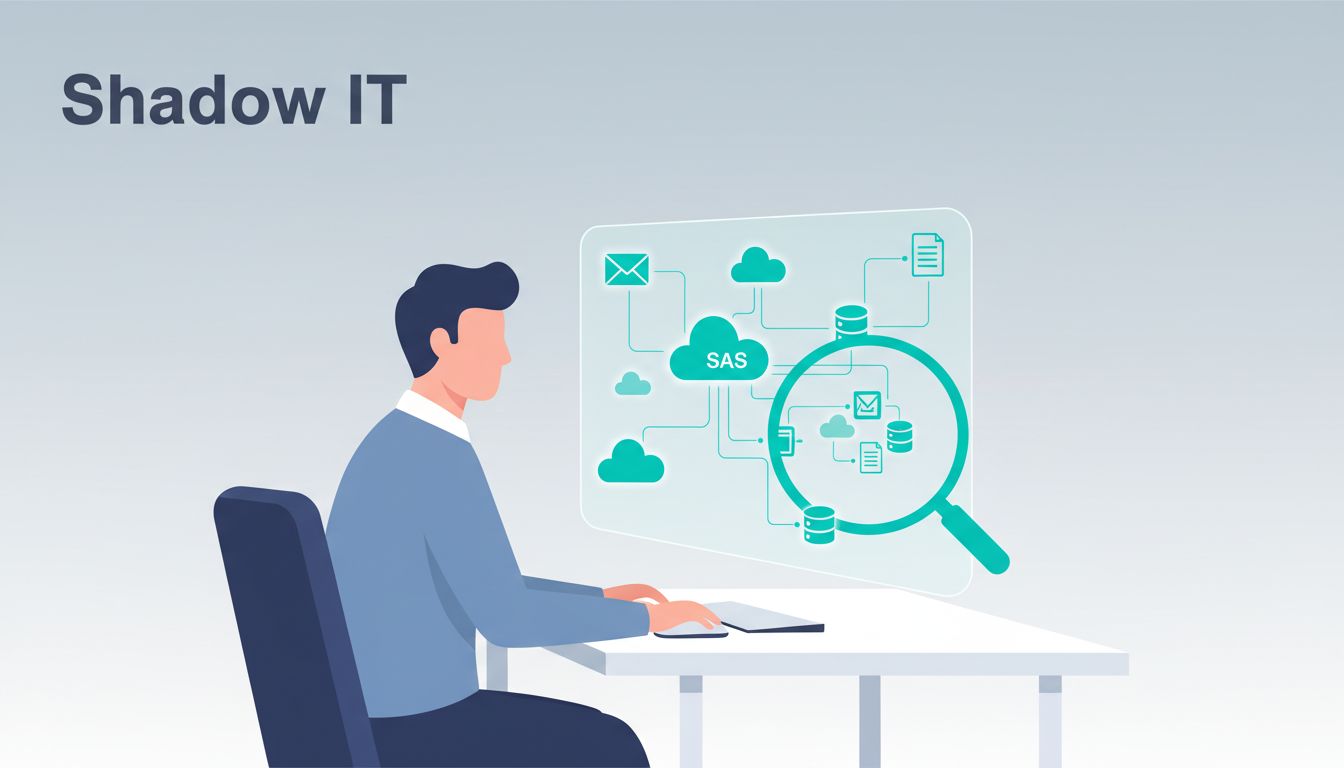
Your team grabs the latest AI tool for quick reports. Sales reps share files via personal Dropbox. These habits seem harmless. But they create blind spots in your network. Shadow IT detection keeps risks in check.
In 2026, remote work and SaaS sprawl make unauthorized apps common. Stats show 61% of enterprise apps count as shadow IT. Half of organizations face breaches from them. You need admins who spot these fast.
This guide gives you actionable steps. It covers scenarios, frameworks, metrics, and training tips. Start building skills today.
Why Shadow IT Detection Matters in 2026
Employees adopt tools faster than IT approves them. BYOD policies let staff use personal devices. Hybrid setups add complexity. Result? Gaps in visibility.
Take recent data. Enterprises run 831 apps on average. Only 15% get formal approval. The rest hide in shadow IT. AI tools lead the surge. In 2025, 26 of the top 50 shadow apps were AI-native. Now, 79% of IT leaders see unauthorized AI deployments.
These create real threats. Data leaks top the list. PII exposure hits 65% of AI incidents. Breaches from shadow IT cost extra $670,000 on average. Compliance fails too. Think GDPR or SOC 2 violations from unvetted SaaS.
Detection closes these gaps. Trained admins spot patterns early. They block risks before damage. Plus, you save on duplicate spending. Gartner notes shadow IT eats 30-40% of IT budgets.
Focus training here. Teach admins to prioritize high-risk apps. Use identity logs for clues. In remote teams, browser activity reveals much.
Common Shadow IT Scenarios IT Admins Face
Spot patterns first. Shadow IT shows up in daily flows.
Marketing teams paste client data into public ChatGPT for summaries. Finance uses unapproved Notion boards for budgets. Devs run personal GitHub repos with code. Each bypasses controls.
SaaS sprawl fuels this. Tools like Trello or Slack alternatives pop up via free trials. Employees pay with cards. IT misses them.
BYOD worsens it. Staff sync phones to company email. Personal cloud storage like WhatsApp or iCloud holds files. No endpoint protection.
AI adds speed. Workers deploy agents in tools like Zapier without checks. Data flows to unknown endpoints.
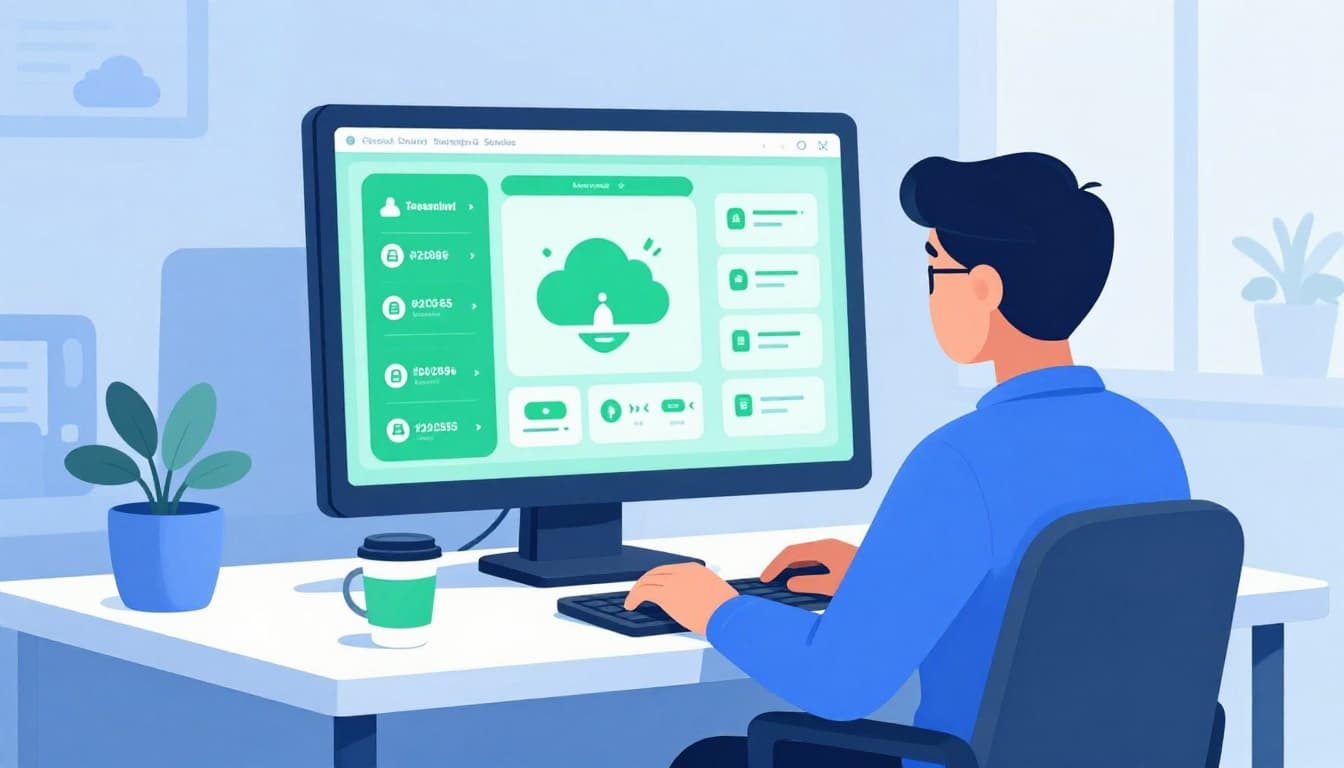
In hybrid work, identity-based access hides more. OAuth grants let apps pull user data quietly. Admins see traffic spikes but no names.
Real example. A sales team adopted an AI email writer. It scraped CRM data. Breach exposed leads. Detection via unusual API calls caught it late.
Train admins on these signs. Look for DNS queries to odd domains. High outbound traffic to consumer sites. Multiple SSO logins to unknowns.
You cut risks by naming scenarios. Role-play them in sessions.
Step-by-Step Framework for Shadow IT Detection
Build a repeatable process. Start simple. Scale with tools.
First, map your baseline. Scan networks weekly. Use built-in logs from firewalls or proxies. List approved apps.
Step 1: Network and traffic analysis. Check DNS logs for new domains. Tools flag SaaS like Asana or unapproved AI. Set alerts for top-level domains like .ai or consumer clouds.
Step 2: Identity and access review. Pull IdP logs. Spot OAuth consents. Microsoft Entra offers app discovery tutorials for this. Count logins to unknowns.
Step 3: Endpoint and browser checks. Scan devices for extensions. BYOD needs MDM. Look for browser traffic to shadow apps.
Step 4: User engagement. Interview teams quarterly. Ask about tools. Reward reports.
Step 5: Tool integration. Adopt discovery platforms. Auvik reveals SaaS via sign-ins and extensions. Coax scans email metadata in 15 minutes.
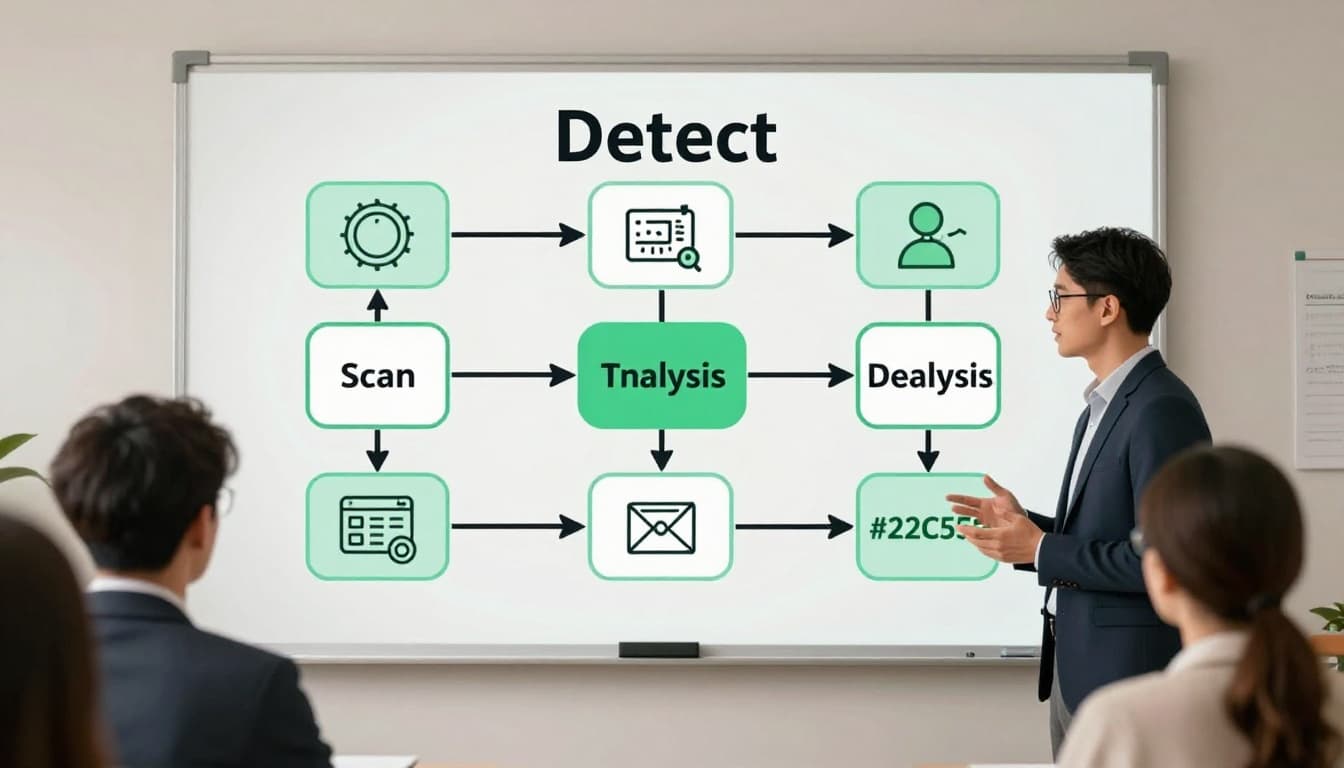
Step 6: Remediate and monitor. Block high-risk apps. Approve low ones. Repeat scans.
Test this framework. Run mocks. Time each step. Adjust for your size.
Admins master it fast. Results show in weeks.
Metrics and KPIs to Measure Detection Success
Track progress. Numbers guide improvements.
Start with discovery rate. Aim for 90% app visibility. Torii reports 61% shadow IT average. Beat that.
Shadow app count. Target under 10% of total. Break down by risk: high (AI with data access), medium (file shares), low (productivity).
Breach reduction. Log incidents tied to shadow IT. Drop them 50% yearly.
Response time. From alert to block. Keep under 24 hours.
User compliance. Survey adoption of approved tools. Hit 80%.
| KPI | Target | How to Measure |
|---|---|---|
| App Visibility | 90%+ | Total discovered / known apps |
| Shadow IT Ratio | <10% | Unauthorized / total apps |
| Incident Drop | 50% YoY | Breaches from shadow sources |
| Response Time | <24 hrs | Alert to action log |
| Compliance Score | 80%+ | Post-training surveys |
Review monthly. Dashboards help. Zluri notes 975 unknown cloud services average. Use these baselines.
Tie to business. Lower risks mean fewer audits.
Training Methods That Work for IT Admins
Hands-on beats lectures. Mix formats.
Run workshops. Use real logs. Have admins classify traffic. Role-play interviews.
Simulations shine. Tools like RansomLeak offer shadow IT awareness exercises. Practice blocks.
Pair with e-learning. Microsoft Defender tutorials on cloud discovery fit quick sessions.
Group sessions build skills. Four admins review dashboards together.
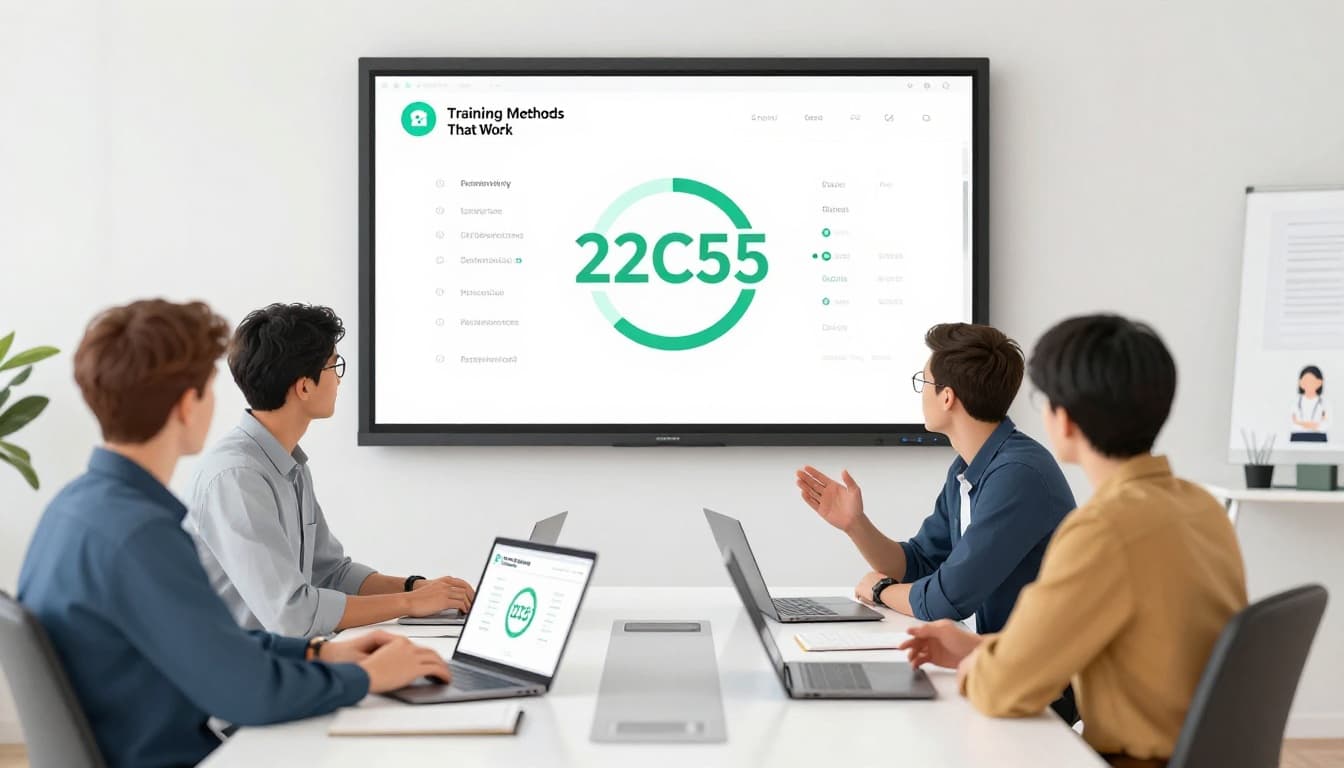
Hybrid works best. Include remote via icons. Focus on metrics review.
Certify admins. Quarterly refreshers. Gamify with leaderboards.
Measure uptake. Pre-post tests show 30% gains.
Scale to teams. Start small. Expand.
Common Mistakes IT Admins Make in Detection
Overlook basics. Many skip user talks. Tools miss 40% without them.
Rely on one method. Network scans ignore email signups. Combine sources.
Ignore low risks. Small apps add up. Block selectively.
No follow-up. Spot an app. Then forget. Set policies.
Fear blocks everything. Users rebel. Educate first.
In BYOD, miss personal hotspots. VPN enforces checks.
AI blind spots. Traffic looks normal. Check prompts via DLP.
Fix with checklists. Train on pitfalls. Mock failures.
Admins avoid 80% errors this way.
Best Practices for Cross-Functional Collaboration
IT alone falls short. Partner up.
Meet security weekly. Share logs. Joint risk scores.
Loop procurement. Flag spends on cards. Approve fast tracks.
Compliance reviews apps. GDPR flags data flows.
Department heads get reports. Show business wins.
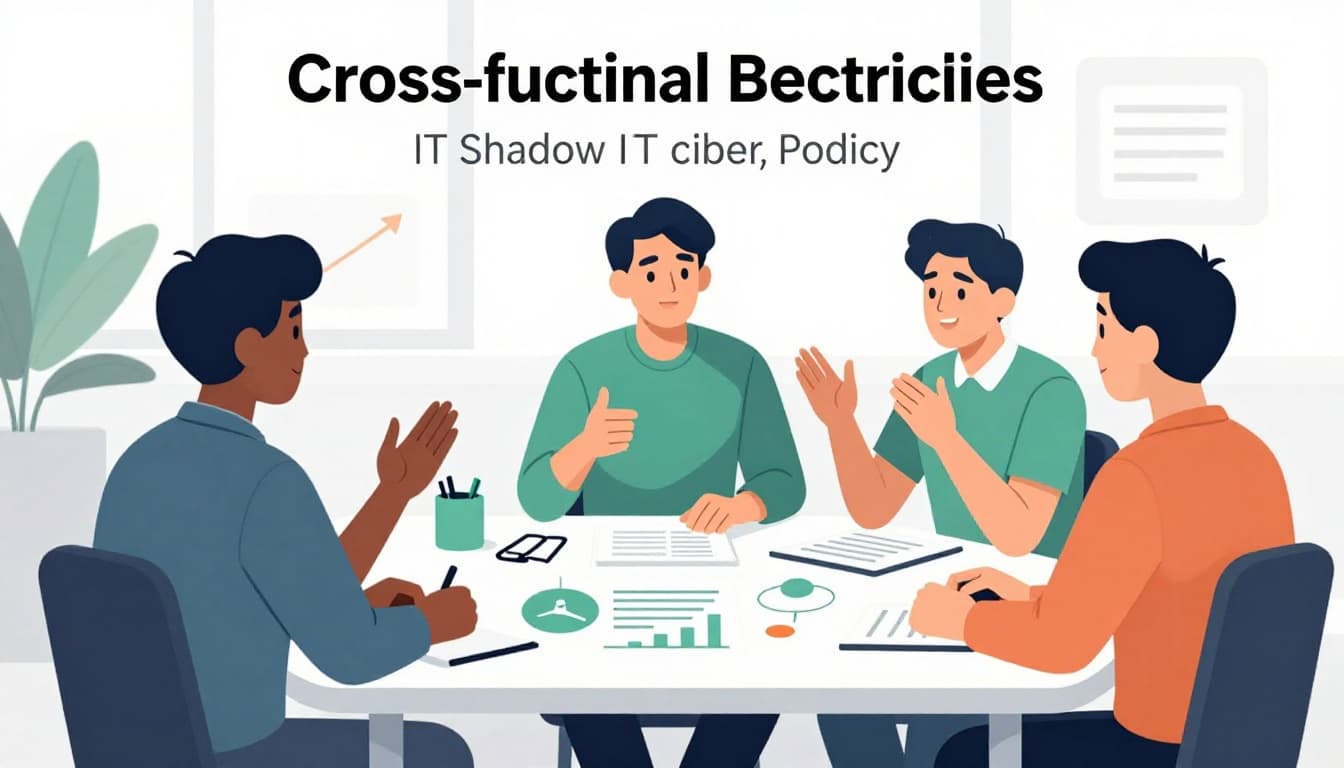
Use shared dashboards. Cyvitrix suggests audits with interviews.
Set SLAs. Security triages alerts in hours.
Reward teams. Safe tool adoptions.
Bud Consulting helps here. Book a Discovery Call with Bud Consulting for skills gap fixes.
Collaboration halves shadow IT.
Conclusion
Shadow IT detection starts with trained admins. Use the framework. Track KPIs. Collaborate across teams.
You spot risks early. Breaches drop. Teams stay productive.
Apply one step today. Your network thanks you.