table of contents
Tech firms face relentless software supply chain attacks. In March 2026 alone, hackers hit tools like Axios and LiteLLM, infecting millions of downloads with malware that vanished in seconds. These breaches expose third-party code, vendor weaknesses, and untracked dependencies.
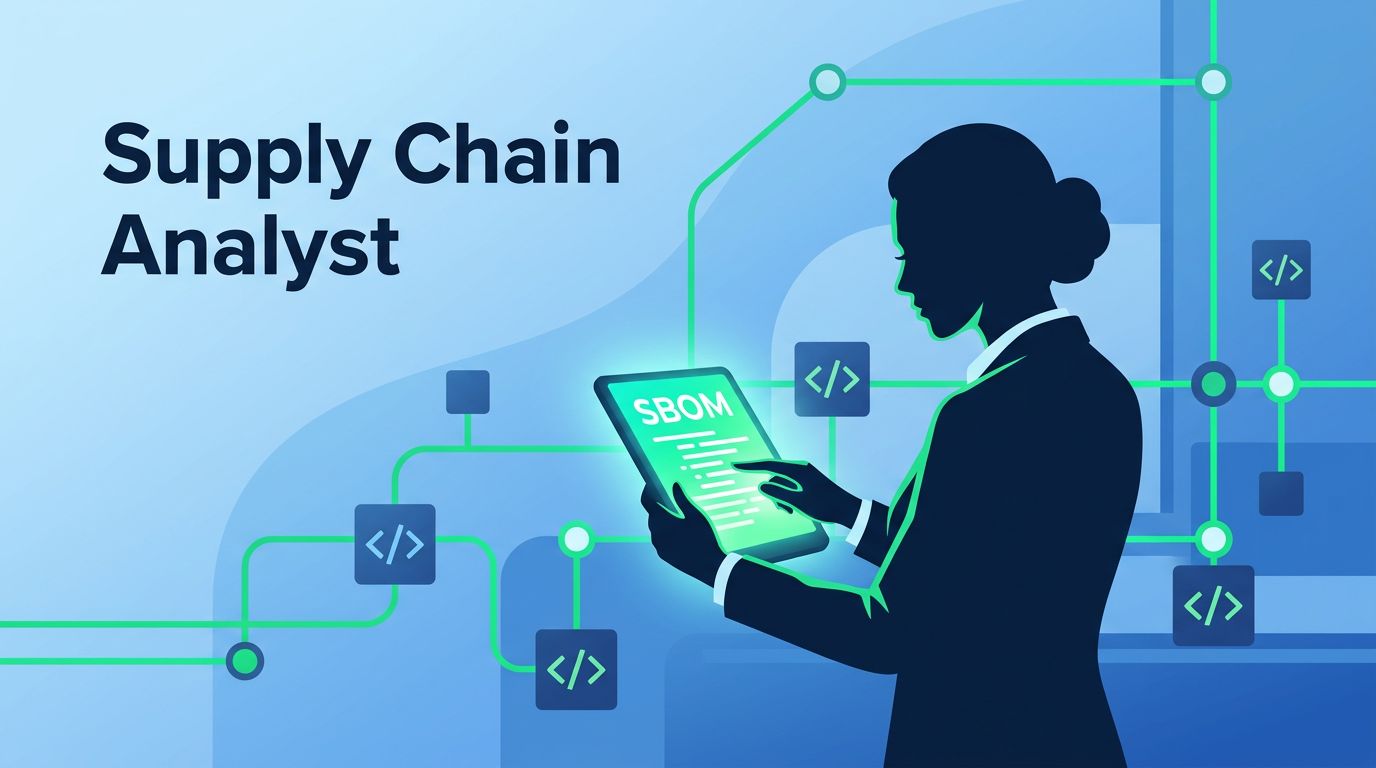
You run a SaaS, cloud, or enterprise platform company. One compromised vendor can halt operations or leak customer data. A supply chain security analyst spots these risks early and builds defenses.
This guide walks you through hiring one. You’ll get practical steps, from job postings to interviews, tailored to 2026 realities like SBOM mandates and AI-driven threats.
Why Tech Firms Need Supply Chain Security Analysts Now
Supply chain attacks surged threefold last year. Open-source malware jumped 73% in 2025. Tech leaders rank these risks number one, especially with AI code in 93% of firms but scans in just 17%.
Consider upstream hits. Hackers target low-level suppliers, firmware, or AI models. Jaguar Land Rover’s outage shows one weak link stops everything. In cloud and SaaS setups, third-party risks multiply across vendors.
Regulations tighten too. The EU Cyber Resilience Act kicks in September 2026. It demands quick SBOM reports for traceability. US rules push audits and resilience testing. Firms must map dependencies, rotate credentials, and use graph databases for risk views.
A supply chain security analyst bridges these gaps. They assess vendors, review SBOMs, and integrate secure SDLC practices. Without one, your team reacts to breaches. With one, you prevent them.
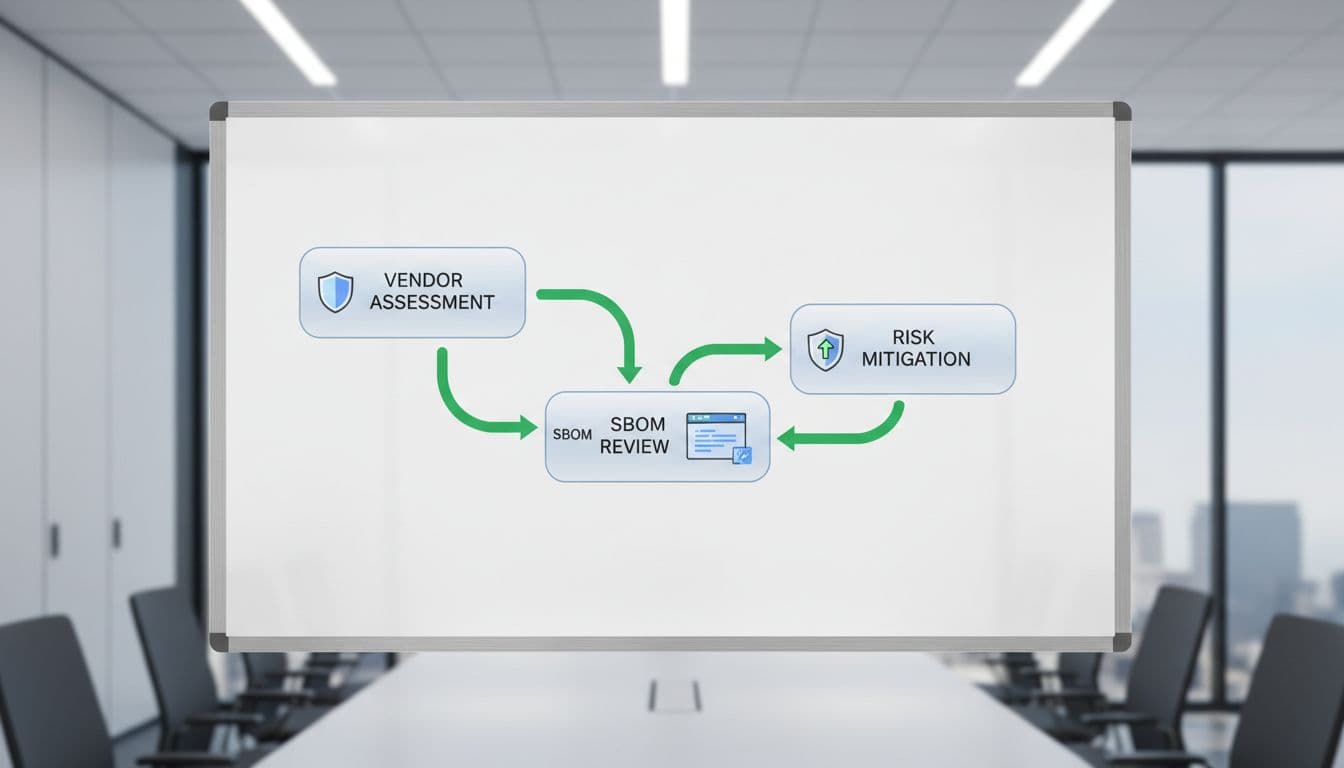
This role fits DevSecOps flows. Analysts collaborate on CI/CD pipelines, demand signed artifacts, and monitor attack surfaces. They turn sprawl into layered defenses: hardware roots, crypto checks, and AI predictions.
Seventy percent of organizations worry about these threats. Hiring now builds resilience before the next Axios hits your stack.
Key Skills Every Supply Chain Security Analyst Needs
Look for hands-on experience first. Candidates should know NIST 800-53, ISO 27001, and CMMC. They assess third-party risks daily.
SBOM expertise tops the list. CISA’s 2025 updates stress machine-readable formats for SaaS. Your analyst generates, validates, and queries them to track components. For software transparency in SaaS environments, they push frequent updates on changes.
Risk management follows. They run vendor assessments, score threats, and report to CISOs. Experience with tools like Trivy or KICS helps scan for malware in packages.

Cloud skills matter in tech firms. They secure multi-tenant environments, handle short-lived credentials, and integrate with ERP for real-time data.
Add threat intelligence. Analysts monitor upstream attacks via feeds. They use automation for remediation, cutting MTTR.
Certifications help: CISSP, CRISC, or GCCC. But prioritize proven work. Check for SBOM implementation or vendor audits in past roles.
Soft skills count too. They explain risks to engineers without jargon. In 2026, with AI agents in chains, adaptability wins.
Building Your Hiring Team
Don’t hire alone. Pull in CISO, DevSecOps lead, and procurement head. HR handles sourcing; security vets tech fit.
This group sets criteria. They align on SBOM needs and regulatory gaps. Diverse views catch blind spots.

Meet weekly. Review resumes together. Use shared dashboards for candidate scores.
Operations execs join for business impact. They know vendor dependencies in SaaS delivery.
For senior roles, add a peer analyst. They gauge daily fit.
This setup speeds decisions. It also models the collaboration your new hire joins.
Write a Job Description That Attracts the Right Candidates
Start with the role’s impact. “Protect our software supply chain from 2026 threats like Axios-style malware.”
List duties clearly:
- Conduct third-party risk assessments.
- Generate and analyze SBOMs per CISA standards.
- Monitor threats in CI/CD pipelines.
- Collaborate on secure SDLC with engineering.
Requirements match real postings. For example, Palantir’s Supply Chain Security Analyst seeks NIST experience and control implementation.
Demand 4+ years in vendor risk, like Roblox’s senior role. Add cloud focus for tech firms.
Perks draw talent: remote options, equity, security conferences. Mention tools like Docker for signed images.
Post on LinkedIn, BuiltIn, and Dice. Tailor for SaaS: emphasize AI model risks from ReversingLabs’ 2026 report.
Keep it under 500 words. Use bullets for scans.
Where and How to Source Top Supply Chain Security Talent
Talent pools shrink for niche roles. Start with LinkedIn: search “supply chain security analyst” plus “SBOM” or “C-SCRM.”
Check LinkedIn’s supply chain security jobs for benchmarks. Over 4,000 US listings show demand.
Recruiters specialize here. Firms like Bud Consulting vet senior security pros. They source hard-to-find experts in DevSecOps and vendor risk.
Tech job boards shine. BuiltIn lists roles at Roblox and Leidos. Dice has C-SCRM postings.
Networks matter. Post on OWASP or BSides forums. Attend Black Hat for leads.
Referrals beat ads. Ask your CISO for contacts.
Target mid-career pros from finance or defense. They bring compliance chops.
Aim for 50 applicants. Quality over volume.
Screen Resumes with Targeted Criteria
Scan for keywords first: SBOM, NIST, third-party risk, threat intel.
Require 3-5 years experience. Look for vendor audits or pipeline security.
Check projects. Did they implement MLSecOps or binary provenance?
Red flags: no cloud exposure, generic security roles.
Use a scorecard:
| Criterion | Must-Have | Nice-to-Have | Score (0-10) |
|---|---|---|---|
| SBOM Tools | Experience with CycloneDX/SPDX | Automation scripts | |
| Risk Frameworks | NIST/ISO audits | CMMC Level 2 | |
| Threat Hunting | CI/CD monitoring | AI model scans | |
| Tech Stack | Cloud/AWS/GCP | Docker/Trivy |
Top 10% advance. Phone screen for basics.
This filters fast. Focus on proven impact.
Run Interviews That Reveal Real Expertise
Structure three rounds: technical, behavioral, exec.
Technical: 60 minutes with security lead. Probe SBOM workflows.
Sample questions:
- Walk us through assessing a SaaS vendor’s SBOM. What red flags stop a deal?
- How do you handle a compromised open-source package in production?
- Describe integrating supply chain checks into GitHub Actions.
Behavioral: With hiring manager. Ask STAR method: “Tell me about a vendor risk you mitigated.”
Cultural: Team panel. Gauge communication.

Test with a case: “Review this mock SBOM. Flag risks.”
Reference checks seal it. Talk to past bosses on risk ownership.
Assess Cultural Fit and Soft Skills
Tech firms thrive on collaboration. Your analyst joins cross-functional teams.
Probe teamwork: “How do you explain SBOM value to devs who push speed?”
Look for adapters. 2026 brings AI governance shifts; rigid minds lag.
Diversity boosts resilience. Seek varied backgrounds for fresh threat views.
On-site trials help. Have them audit a vendor in a day.
Fit means alignment with secure-by-default culture.
Extend Offers and Set Up for Success
Compete with salary data: $150K-$220K base for seniors, per Dice.
Add bonuses tied to risk reductions. Offer conference budgets.
Onboard smart. Pair with mentor first week. Give SBOM datasets.
Set 90-day goals: vendor audit, pipeline scan.
Track quarterly: threats caught, compliance wins.
If sourcing stalls, book a discovery call with Bud Consulting. They close gaps in security hires.
Conclusion
Supply chain security analysts prevent the next big breach. They master SBOMs, vendor risks, and 2026 threats like AI malware.
Act now. Build your team, post targeted JDs, and interview with purpose. Your tech firm gains resilience.
Strong hires protect customers and scale securely. Start today.