table of contents
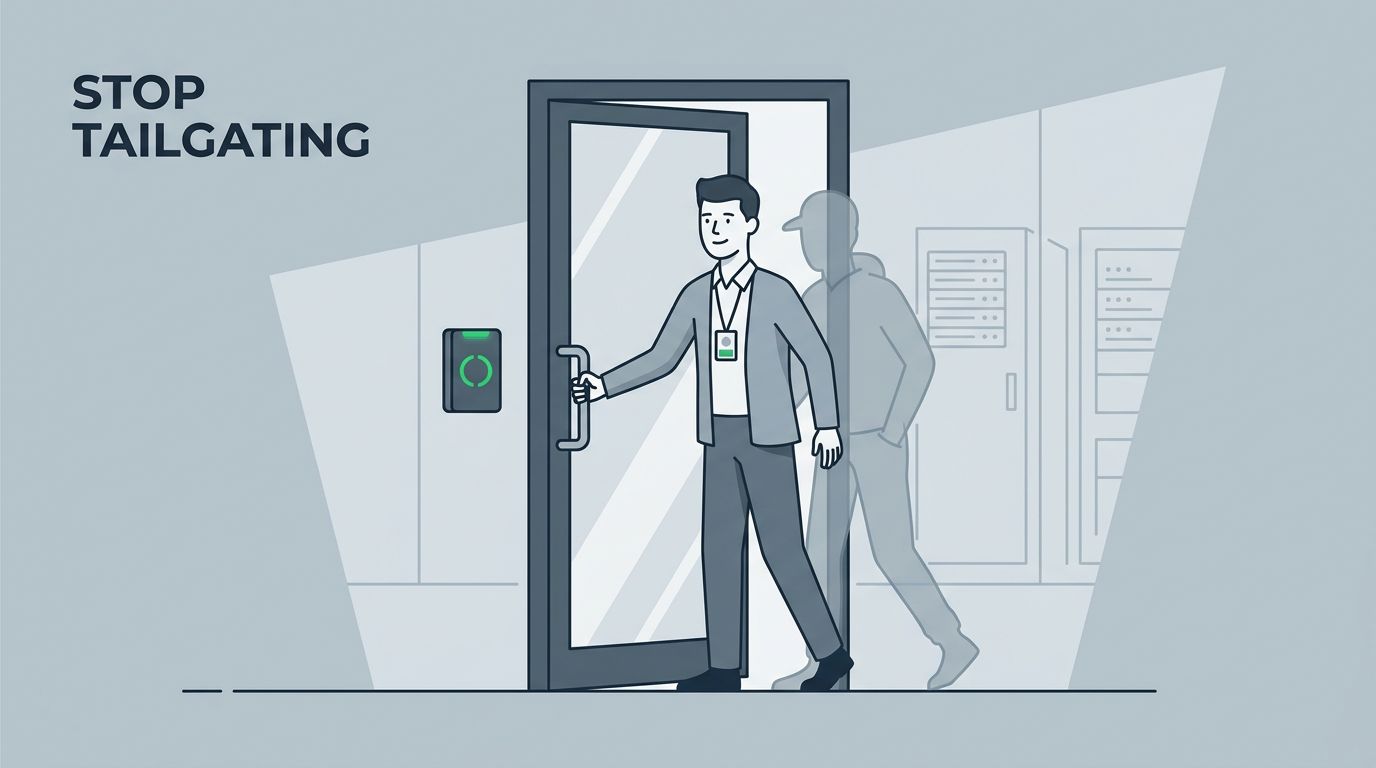
Picture this: an employee swipes their badge at the secure door to your data center. Right behind them, a stranger slips in unnoticed. Seconds later, sensitive equipment faces risk. These tailgating incidents happen daily in workplaces, yet simple staff training stops most of them.
You manage facilities or security. You know physical breaches threaten operations. Staff often hold doors out of politeness, not malice. Good news: targeted training builds habits that block unauthorized entry. This guide covers key differences, examples, and practical steps.
Tailgating vs. Piggybacking: Key Differences
Tailgating and piggybacking both let outsiders into restricted areas. They differ in intent and awareness. Tailgating happens when an unauthorized person follows closely behind an employee, often without notice. The employee badges in alone. The follower ducks through before the door closes.
Piggybacking involves consent. Here, the employee knows and helps the stranger. They might hold the door open or wave them through. For clear definitions, check TechTarget’s explanation of tailgating and piggybacking.
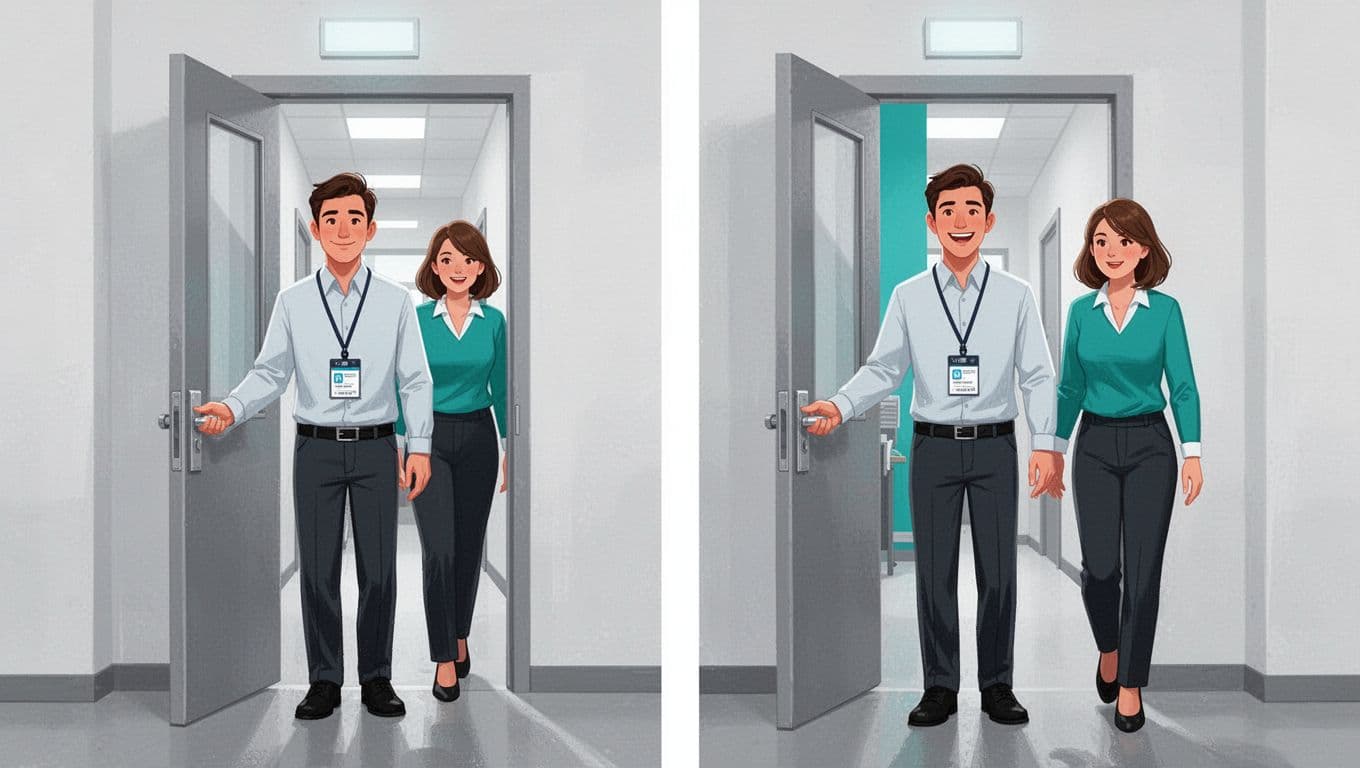
Why does this matter? Tailgating relies on speed and stealth. Piggybacking exploits trust. Both bypass badges and cameras. Train staff to spot each. They challenge piggybackers directly. For tailgaters, they report fast.
Policies reinforce this split. Post signs like “Badge in alone” near doors. Review footage in team meetings. Staff learn to pause at doors, check mirrors, and verify followers.
Real Workplace Examples of Tailgating Breaches
Breaches strike familiar spots. In a tech firm’s server room, an employee enters after lunch. A delivery person tails close, grabs a USB port, and leaves malware. No badge. No questions asked.
Hospitals see it too. A nurse badges into the pharmacy. A “maintenance worker” follows. They access drug cabinets before security arrives. Patient safety drops.
Finance offices face risks. An analyst swipes into trading floors. A suited stranger piggybacks with a smile. They photograph screens. Data leaks follow.
These cases show patterns. Busy lobbies invite tails during shifts. Visitor-heavy areas need extra eyes. Avigilon’s blog on tailgating attacks details similar incidents. Staff training turns bystanders into sentinels.
Report rates climb with examples. Share anonymized stories quarterly. Employees connect dots. They act because they see the cost.
Step-by-Step Guide to Staff Training
Start training right. Schedule 30-minute sessions monthly. Mix new hires with veterans. Use real doors for demos.
First, explain risks. Show breach videos. Cover fines, theft, and downtime. Link to company policy.
Second, define terms. Role-play tailgating and piggybacking. Practice phrases like “Do you have your badge?”
Third, teach responses. Staff challenge politely: “Sorry, everyone badges separately.” If unsure, call security. Never touch strangers.
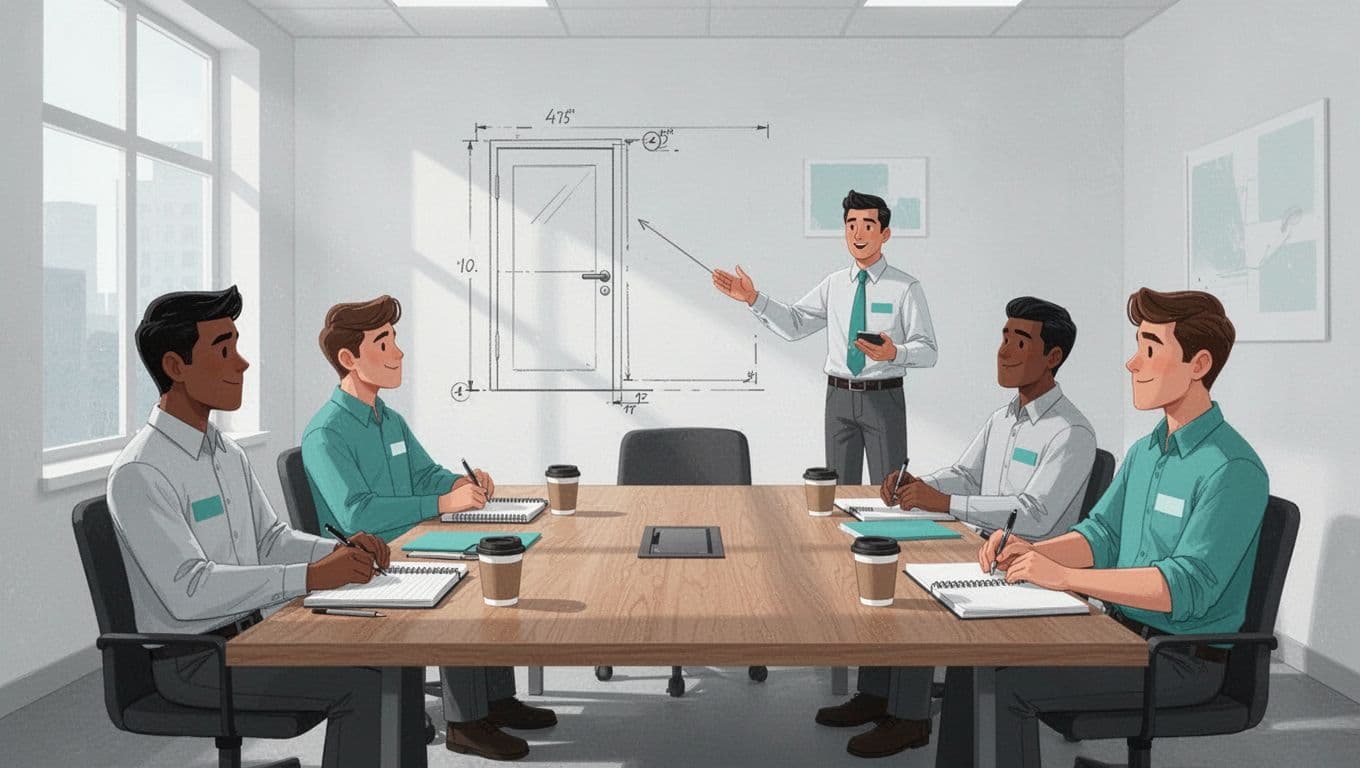
Fourth, simulate attacks. Fake a tailgater at lunch. Reward spotters. Track improvements.
Fifth, refresh often. Email tips weekly. Quiz via app. Smarter Security’s piggybacking prevention tips offer script ideas.
Front-desk teams get extras. They verify IDs first. Operations staff patrol peaks. Results build fast.
Sample Daily Checklist for Tailgating Prevention
Use this checklist at shift starts. Print it. Check off daily.
| Task | Done? |
|---|---|
| Review last 24-hour door logs for tails | Yes/No |
| Test badge readers and door delays | Yes/No |
| Walk perimeter; note blind spots | Yes/No |
| Remind team: “Badge alone, challenge kindly” | Yes/No |
| Update visitor log protocols | Yes/No |
Post it near stations. Supervisors sign off. It reinforces habits. After one month, breaches drop. Adjust based on your site.
Common Mistakes and How to Avoid Them
Staff ignore tails from “friendly” faces. Fix it: Train on uniforms as tricks. Always verify badges.
They confront aggressively. That escalates risks. Teach calm scripts. Escalate to pros.
Forgetting reports hurts. No follow-up means repeats. Log every suspect. Review weekly.
Over-reliance on tech fails. Doors jam. Cameras miss angles. Humans fill gaps.
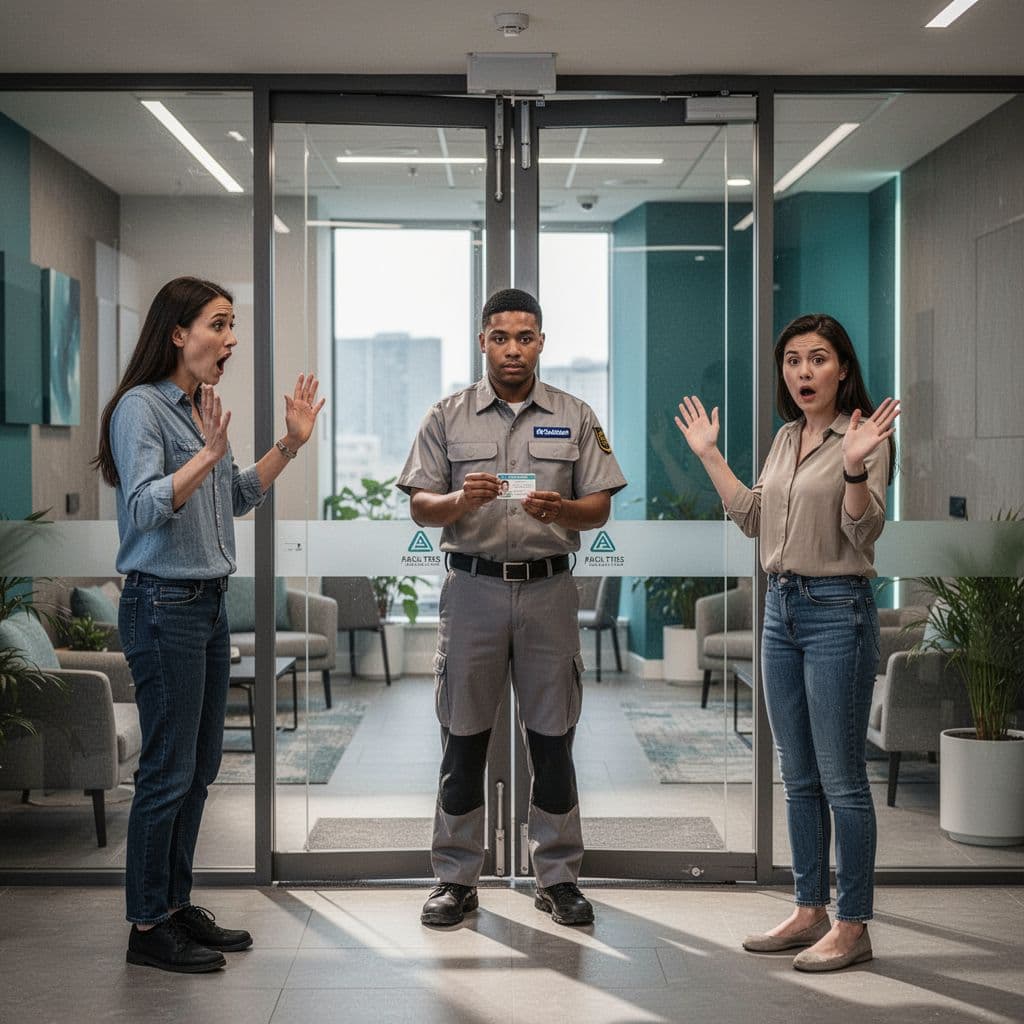
Rushed training skips practice. Role-plays stick best. Cyberly’s tailgating prevention strategies stress etiquette.
Policies without buy-in flop. Involve staff in updates. They own security then.
Strengthening Security Culture
Tailgating prevention starts with trained eyes. Staff checklists and simulations cut breaches. Examples make threats real.
Focus on daily habits. Polite challenges work. Escalate when needed. Your site stays secure.
Bud Consulting helps build these cultures through behavioral strategies. Book a Discovery Call with Bud Consulting to discuss your team’s needs.
(Word count: 982)