table of contents
You pull in a popular library to speed up development. It works great at first. Then a vulnerability surfaces, or the maintainer vanishes, and your app faces real threats.
Third-party code powers most software today. Yet these libraries bring third-party code risks like hidden flaws or supply chain attacks. Recent cases show the cost. For instance, the Polyfill.io compromise hit over 100,000 sites by injecting malicious scripts through a trusted CDN. Axios saw a similar npm hijack in early 2026, slipping malware via transitive dependencies.
This guide gives you practical checklists. Use them to vet libraries before adoption and monitor them afterward. You’ll cut risks and build safer apps.
Common Third-Party Code Risks You Can’t Ignore
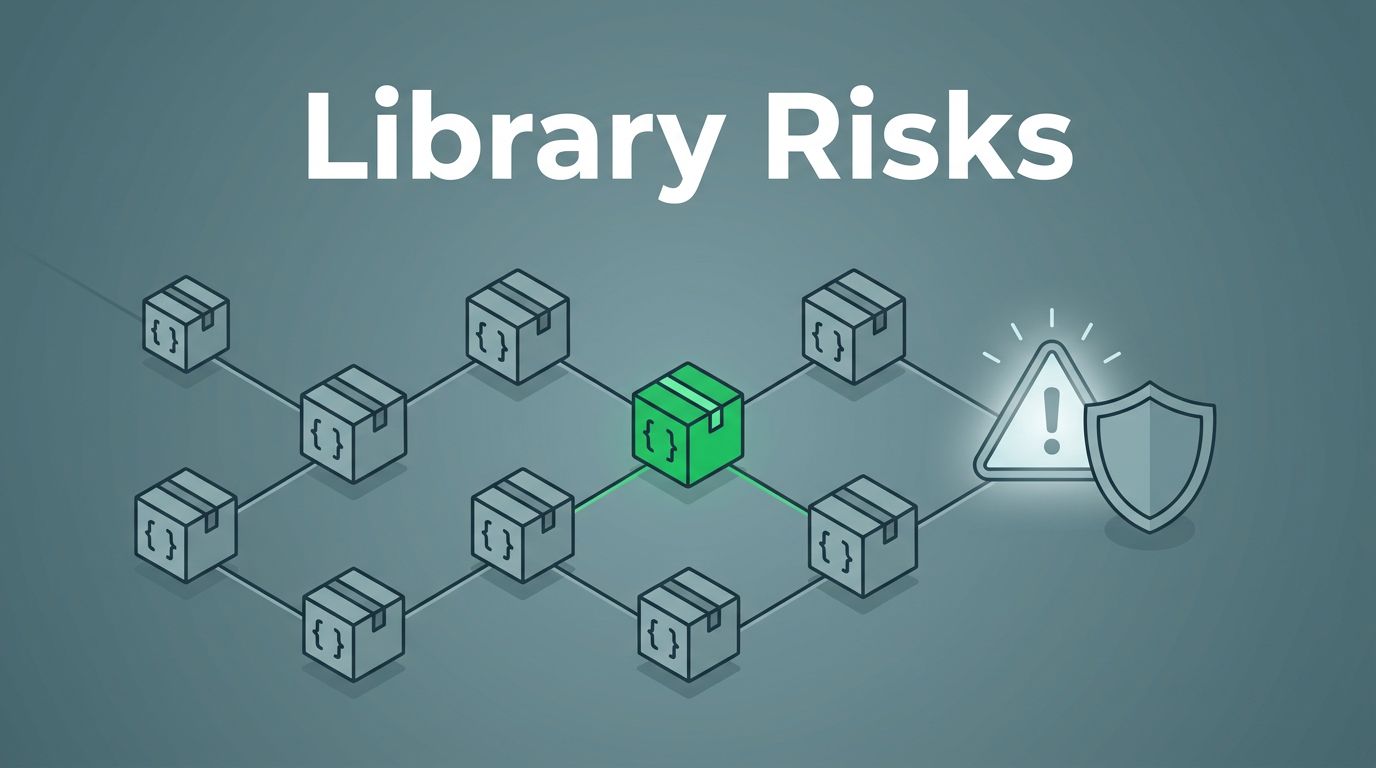
Third-party libraries connect your code to a vast network. One weak link exposes everything. Picture a chain of packages where a single bad node spreads trouble.
Supply chain attacks grab headlines. Attackers target popular repos to push tainted updates. The Polyfill.io attack rerouted users to scams. Similarly, a 2026 Axios npm breach hid malware in a new version, affecting workflows via indirect pulls.
Vulnerabilities lurk too. Outdated code misses patches. Abandoned packages worsen this; maintainers burn out or quit, leaving flaws unpatched. Studies show many npm projects face abandonment without quick fixes.
Transitive dependencies add layers. You add one library, but it pulls dozens more. Licensing snags pop up here, like surprise GPL terms clashing with your proprietary app.
Maintainer health matters. A solo dev might drop support suddenly. Update delays signal trouble. Without code signing or provenance, you can’t trust builds.
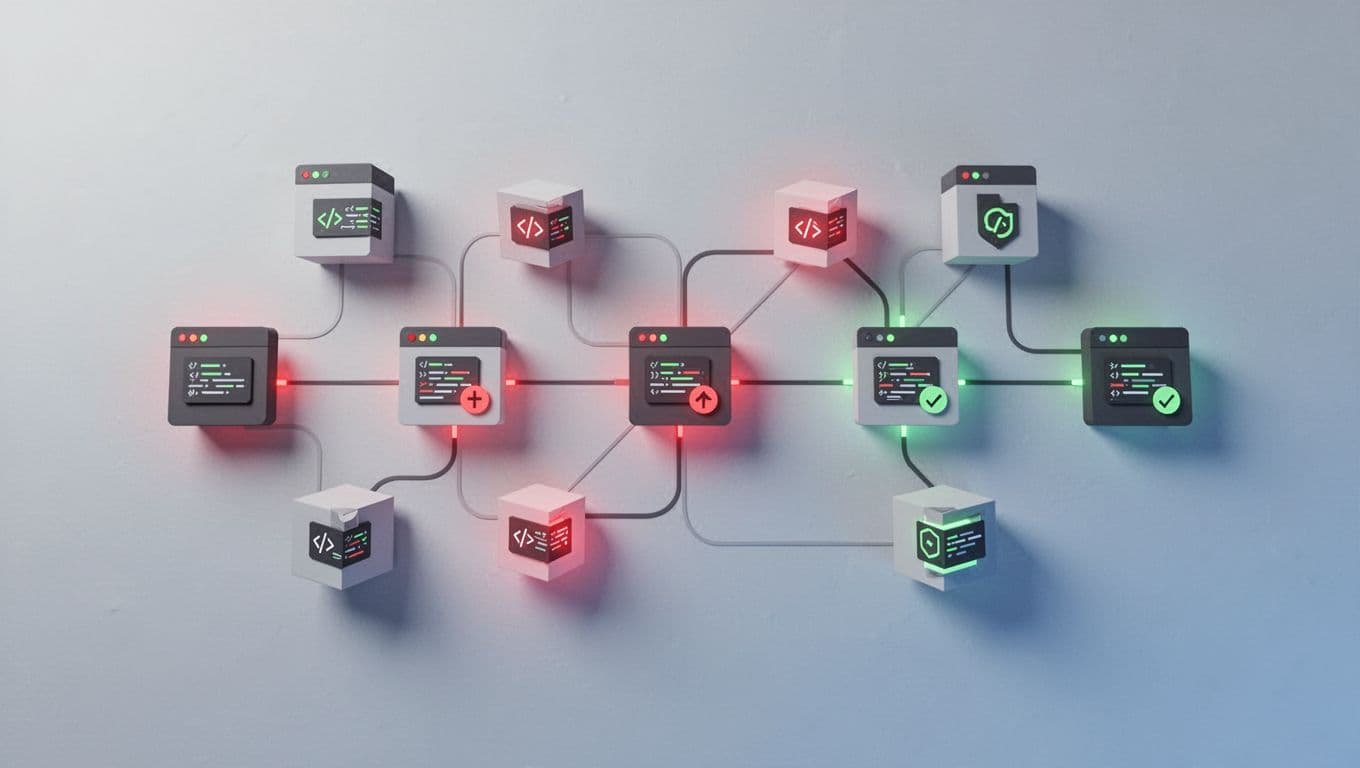
This network view highlights the issue. Red nodes mark risks like unpatched vulns or dormant repos.
Before You Adopt: Pre-Adoption Checklist
Vet libraries upfront. Skip this, and you invite trouble. Run these checks before integrating any third-party code.
- Scan for known vulnerabilities. Use tools like npm audit or OWASP Dependency-Check. Search NVD and OSV databases. The Wikimedia Security Team checklist lists scanners for PHP and JS. Reject anything with active CVEs.
- Check maintainer activity. Look at commit history over the last year. Active repos show regular pushes. Tools like GitHub’s insights reveal contributor count. Solo maintainers raise flags; seek teams or forks with fresh activity.
- Review update cadence. Compare release dates. Packages updated monthly beat yearly ones. Stale versions miss security fixes. The GitLab handbook on supply chain security stresses diff reviews between versions.
- Map transitive dependencies. Generate a dependency tree with npm ls or yarn why. Audit each layer. Hidden gems might carry malware, as in the Axios case.
- Verify licensing. Scan for compatible terms. Tools like FOSSology flag issues. Avoid copyleft licenses if they don’t fit your model.
- Demand SBOM and provenance. Ask for a software bill of materials. CycloneDX or SPDX formats list components. Check CycloneDX capabilities for visibility into risks. Provenance attests build integrity; SLSA levels help gauge trust.
- Inspect code signing. Confirm packages use sigstore or npm’s signing. Unsigned code skips verification.

A developer runs these pre-adoption checks on a dependency graph.
Follow this list, and you block most upfront threats. Document results for your team.
Dig Deeper: Tools and Examples for Pre-Adoption Vetting
Build on the basics with automation. Integrate checks into CI/CD.
Start with SCA tools. Snyk or Dependabot flags vulns early. For SBOMs, GitHub exports them from dependency graphs, per their docs.
Real example: Before adding a logging library, you find a transitive dep with CVE-2025-1234. It’s unpatched. Swap it out.
Licensing example: A utils package pulls MIT code fine, but a sub-dep has AGPL. That blocks enterprise use. Tools catch this fast.
Provenance shines in attacks. The Axios post-mortem notes even good practices failed against maintainer compromise. Signed builds limit blast radius.
Run static analysis too. Phpcs-security-audit for PHP spots taint issues.
These steps take minutes but save weeks of fixes.
After Deployment: Ongoing Monitoring Checklist
Adoption isn’t the end. Risks evolve. Monitor to stay ahead.
- Automate vulnerability alerts. Hook into NVD feeds via Dependency-Track or Snyk. It consumes SBOMs and flags issues.
- Track update notifications. Use Renovate or Dependabot PRs. Review diffs before merging, as GitLab advises.
- Watch maintainer health. Set alerts for repo inactivity. If commits stop, plan forks or alternatives. Research on npm abandonment shows delayed responses hurt.
- Re-scan transitive deps regularly. Run weekly audits. New vulns appear in child packages.
- Validate SBOM updates. Refresh inventories post-deploy. OWASP pushes SBOMs for real-time vuln management.
- Check code signatures on updates. Re-verify with cosign or sigstore. Mismatched sigs mean tampering.
- Audit licenses yearly. Changes sneak in via updates.
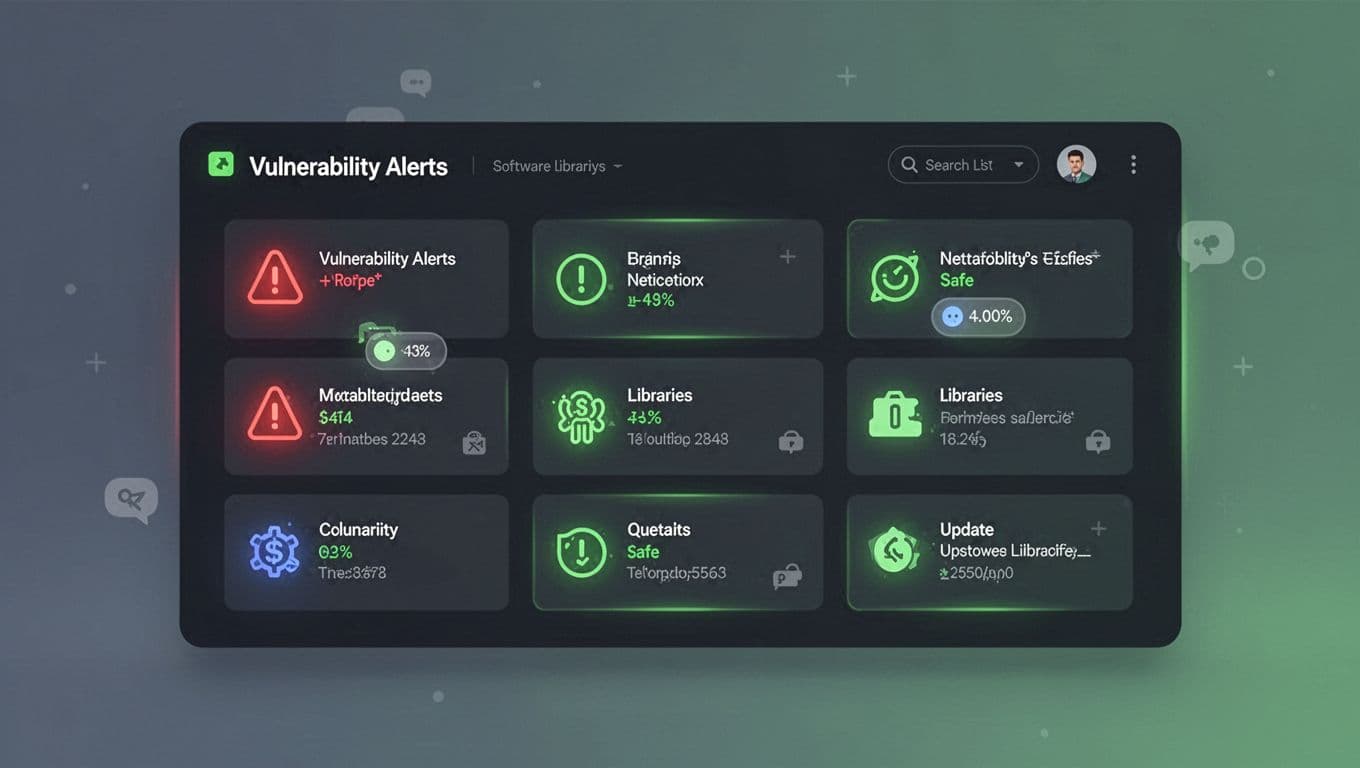
Dashboards like this keep post-deploy risks visible.
Act on alerts fast. Patch or pin versions as needed.
Handle Edge Cases: Abandoned Packages and Licensing Pitfalls
Abandonment hits hard. Signs include no releases in 18 months or closed issues. Studies from NSF note projects often ignore it, leading to unpatched risks. Fork active ones or migrate.
Licensing trips up teams. A http4k supply chain page shows signed reports for transitive licenses. Match against your policy.
For mobile, OWASP’s MASTG test covers third-party libs with gradle plugins.
These tweaks strengthen your process.
Key Takeaways for Managing Third-Party Code Risks
Checklists work when you use them. Pre-adoption vetting blocks bad libraries. Ongoing scans catch shifts.
Focus on automation. SBOMs and provenance build trust. Real attacks like Polyfill prove vigilance pays.
Your supply chain stays secure with routine habits. Teams that adopt these cut breach odds sharply.
If gaps persist in your security posture, Book a Discovery Call with Bud Consulting. They help source DevSecOps talent to lock it down.