table of contents
Threat intelligence analyst hiring gets messy when every interviewer uses a different yardstick. One person wants OSINT depth, another wants crisp reporting, and a third cares most about tooling. The result is debate, not a clear decision.
A scorecard changes that. It gives your team one way to compare candidates, spot weak signals early, and keep the process tied to the work the analyst will actually do. Most importantly, it helps you hire for judgment, not just buzzwords.
A reusable scorecard that keeps interviews aligned
Use a 100-point scorecard for every finalist. The weights below fit many threat intelligence analyst roles, although you can shift them for junior or senior hires. If the role sits close to the SOC, raise technical depth. If it feeds leaders, raise reporting and stakeholder work.
If you want a quick refresher on the workflow behind the job, the five phases of the threat intelligence lifecycle is a useful reference.
| Criterion | Weight | Good signals | Average signals | Weak signals |
|---|---|---|---|---|
| Analytical thinking | 20% | Builds clear hypotheses, spots gaps, explains tradeoffs | Sees patterns after prompts, needs help narrowing scope | Jumps to conclusions or repeats facts without analysis |
| Intelligence cycle knowledge | 15% | Maps work to planning, collection, processing, analysis, dissemination, feedback | Knows the phases, but mixes order or purpose | Treats intelligence as a one-time report |
| OSINT and collection skills | 15% | Uses search operators, source checks, and clean notes | Finds useful public sources, but misses depth or validation | Pulls noisy data and can’t explain source quality |
| Reporting and communication | 15% | Writes concise briefs for technical and executive readers | Communicates fine in one format, but struggles to adapt | Uses jargon, buries the point, or writes too much |
| Technical security knowledge | 15% | Understands logs, endpoints, cloud, identity, and common attacker methods | Knows the terms, but can’t connect them well | Lacks basic security context |
| Stakeholder collaboration | 10% | Asks good questions, clarifies scope, and manages expectations | Responds well, but waits for direction | Works in a silo or pushes back badly |
| Tooling familiarity | 5% | Has used SIEM, TIP, EDR, spreadsheets, and query tools well | Knows the tools by name, with limited depth | No useful tool experience |
| Ethical judgment | 5% | Handles sensitive data carefully, respects sourcing rules, and knows limits | Understands policy, but needs reminders | Casual with access, privacy, or attribution |
A strong candidate does not need a perfect score in every row. Still, weak ethics or weak communication can sink the hire. Those gaps tend to show up later, when the cost is higher.
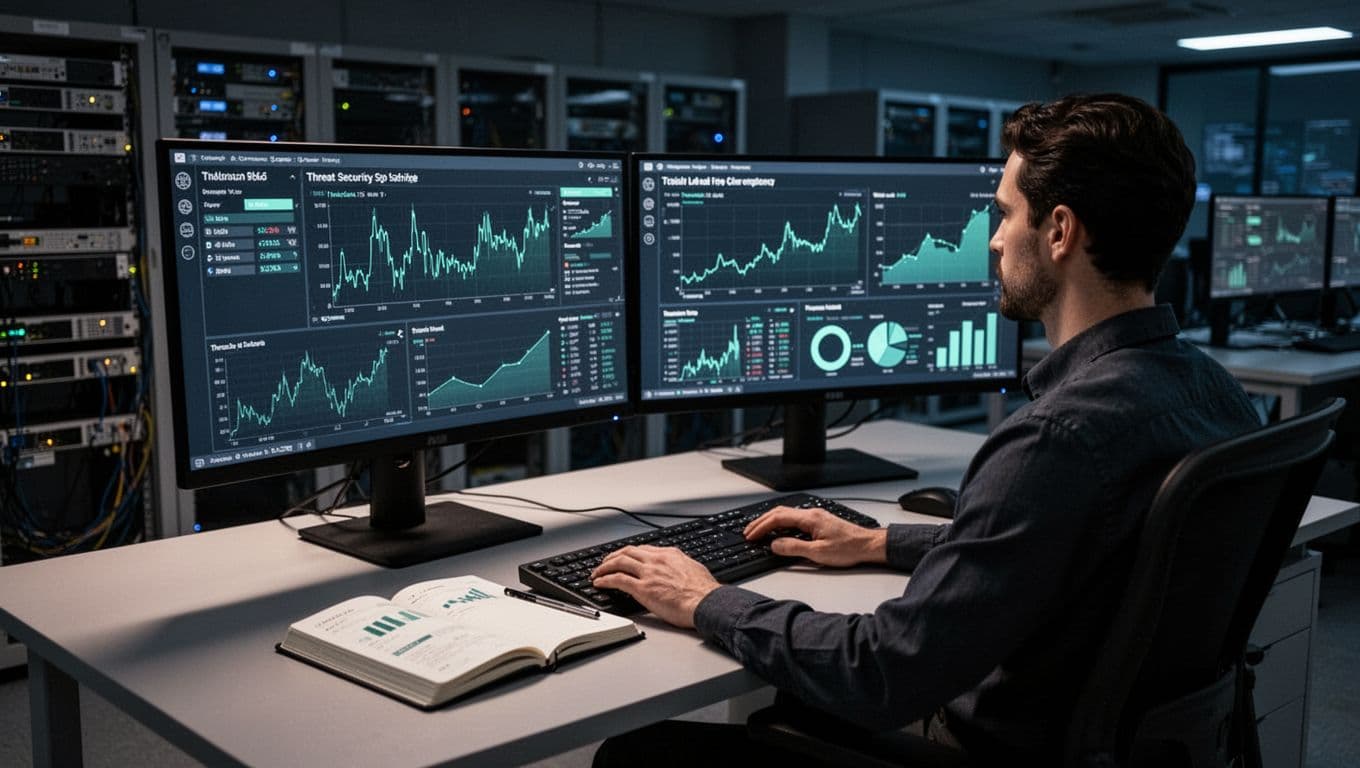
Interview questions that reveal real skill
A good interview question pulls out process, not memorized answers. Ask for examples that show how the candidate thinks, how they decide what matters, and how they explain risk to others.
- “Walk me through a time you turned raw threat data into a decision.” Strong candidates explain how they filtered noise, built context, and tied the finding to action.
- “How do you decide whether a source deserves trust?” Good answers mention source history, bias, corroboration, and confidence levels.
- “What would you put in an executive brief about an active campaign?” Look for concise writing, business impact, and a clear next step.
- “How would you work with the SOC if your alert was low confidence?” Strong candidates show collaboration and humility, not defensiveness.
For a broader view of the process behind those questions, Red Canary’s hiring tips for CTI teams line up well with this approach.
Practical exercises that beat polished interview talk
A short exercise often tells you more than a long interview. It shows how the candidate handles time pressure, source quality, and messy inputs.
For OSINT-heavy roles, Wiz’s OSINT tool guide is a helpful primer on the kind of tooling and workflows candidates should know.
| Exercise | Time | What good looks like |
|---|---|---|
| Mini OSINT task | 45 minutes | They validate sources and explain why the findings matter |
| One-page intel brief | 30 minutes | They rank risk, keep writing tight, and state confidence |
| Stakeholder readout | 15 minutes | They adjust tone for a manager or CISO |
Keep the exercise close to the real job. If the role supports executives, ask for a short briefing. If it supports detection, ask for a finding that maps to controls or hunts.
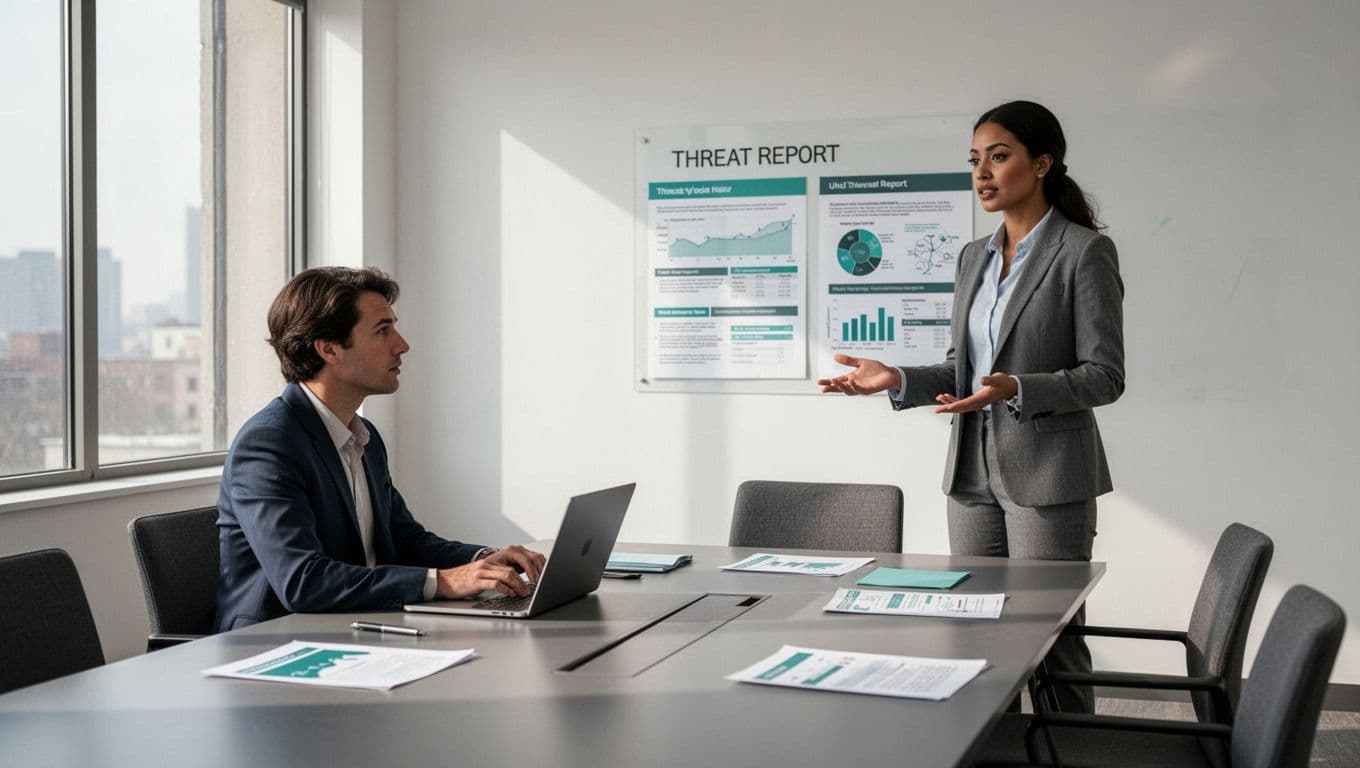
Common hiring mistakes that skew the result
Some hiring teams miss strong analysts because the process asks the wrong things. Others hire the wrong person because one flashy skill gets too much weight.
- Overweighting certifications. A cert can support a resume, but it can’t show judgment in real time.
- Asking malware or reverse-engineering questions for a role that is mostly analysis and reporting.
- Skipping a writing sample. Poor writing is hard to hide in threat intelligence.
- Ignoring source handling and ethics. That mistake can create real risk fast.
- Scoring confidence higher than evidence. Smooth answers can hide shallow thinking.
A better process checks the same signals for every candidate and keeps the team honest. If your panel still argues after each interview, the scorecard is probably too vague.
If your team wants help tightening threat intelligence analyst hiring, Book a Discovery Call with Bud Consulting and get a process that is easier to run and defend.
A clear scorecard keeps hiring honest
The best threat intelligence analysts make sense of noise, then explain what it means. That skill shows up in the scorecard long before it shows up in a team chat or a dashboard.
When your hiring team uses one shared rubric, the conversation gets sharper. You stop guessing, and you start comparing evidence. That is how threat intelligence analyst hiring becomes repeatable instead of risky.