table of contents
Engineering managers face tough choices every day. They prioritize features, balance deadlines, and guide teams through complex builds. Yet security threats lurk in cloud-native apps, APIs, and AI systems. Without threat modeling training, managers miss risks that could derail projects.
You know the stakes. A overlooked API vulnerability or misconfigured microservice exposes data and erodes trust. Train your managers to spot these early. They become force multipliers, leading secure design reviews and fostering cross-team collaboration.
This guide shares practical steps. Start with workshops, add exercises, and integrate into daily work. You’ll equip managers to facilitate threat modeling, not become solo experts.
Why Focus Threat Modeling Training on Managers
Managers drive decisions. They don’t need to brainstorm every spoofing threat alone. Instead, train them to guide teams and evaluate outputs. This approach scales security across projects.
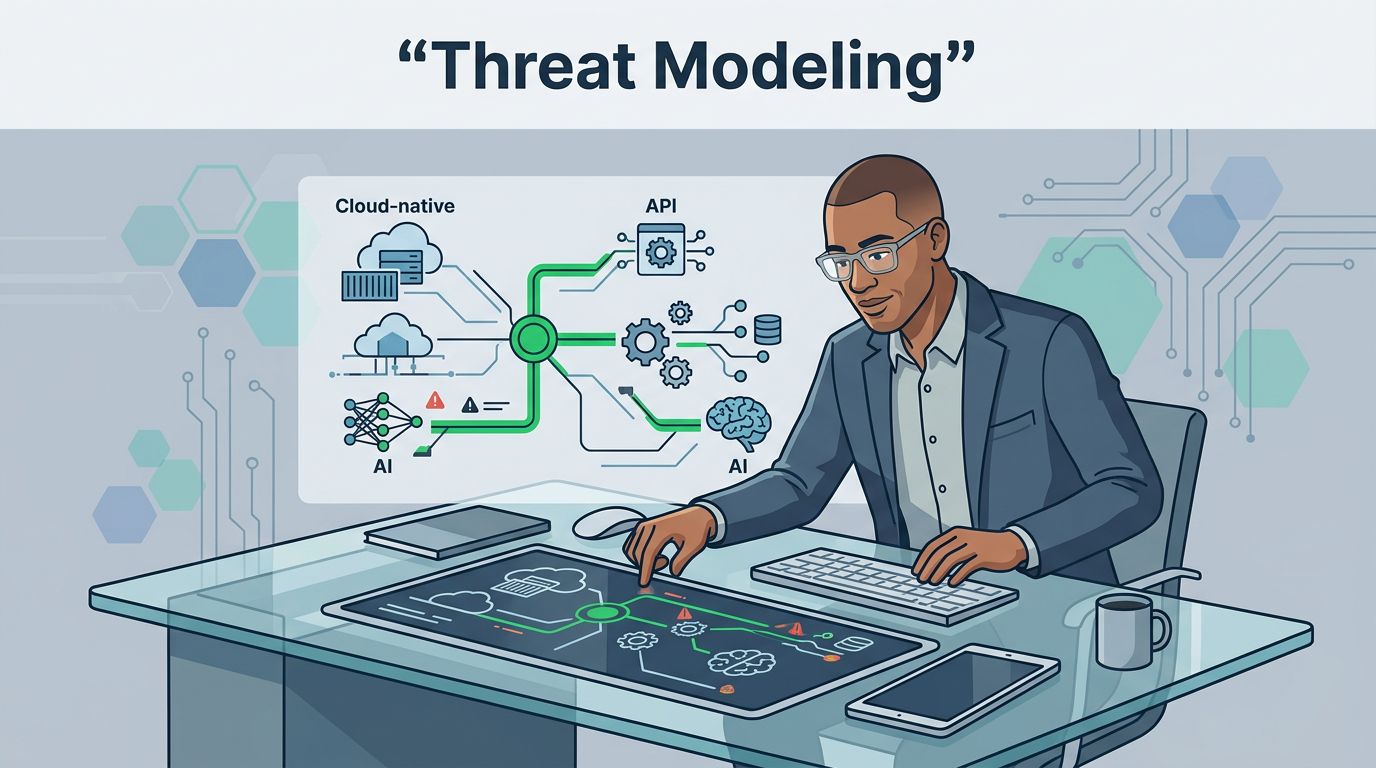
Consider cloud-native systems. Microservices multiply attack surfaces. APIs handle sensitive data flows. AI products introduce model poisoning risks. Managers who understand these lead better architecture reviews.
Benefits stack up fast. Teams prioritize mitigations over guesswork. Developers learn by doing. Security pros focus on deep analysis. One trained manager prevents breaches that cost millions.
Resources help here. Microsoft’s threat modeling fundamentals path offers a solid start with data flow diagrams and STRIDE threats. Pair it with team sessions for quick wins.
Managers also bridge gaps. They align product goals with security needs. Result? Faster releases without cutting corners.
Hands-On Workshops for Practical Learning
Workshops build skills fast. Gather four to six managers for a half-day session. Use real project diagrams. Focus on the four-question framework: What are you building? What can go wrong? What do you do about it? Did you do a good job?
Start simple. Draw data flows for a sample API gateway. Apply STRIDE: spoofing, tampering, repudiation, information disclosure, denial of service, elevation of privilege. Groups brainstorm threats, then mitigations.
Keep it interactive. Rotate facilitators. One manager leads while others critique. This mirrors their role in reviews.

Rotate examples weekly. Week one: microservices mesh. Week two: AI inference endpoints. Managers practice facilitation, not solo modeling.
Adam Shostack’s Threat Modeling Essentials course provides templates. Adapt them for your stack. End with action items, like reviewing one live project.
Track progress. After three workshops, managers run their own. They gain confidence to evaluate team models.
Tabletop Exercises Build Real-World Skills
Tabletop exercises simulate threats without code. Set up a conference table with printed architecture diagrams. Use tokens for threats and defenses. Limit to three participants: two managers, one AppSec expert.
Pick cloud scenarios. Model an API breach via broken object-level authorization. Move tokens to show attack paths. Discuss mitigations like rate limiting or JWT validation.
This format shines for microservices. Diagram service interactions. Tokens reveal cascading failures, like a compromised database pod.

Run 90-minute sessions biweekly. Managers facilitate. The expert observes, then debriefs. Focus on evaluation: Does the model cover elevation risks? Are mitigations feasible?
CSA’s cloud threat modeling tabletop gives ready scenarios. Customize for your AWS or Kubernetes setup.
Managers improve prioritization. They spot high-impact threats first. Teams adopt these habits, reducing review cycles.
Embed Threat Modeling in SDLC Processes
Daily integration beats one-off training. Add lightweight checklists to sprint planning and code reviews. Managers use them to prompt threat questions.
Create a one-page template. Columns for data flows, threats, mitigations, owners. Integrate with Jira or GitHub issues.
For example, before API deploys, check: External trust boundaries? Input validation? Logging for anomalies?

Tie to secure SDLC. Gate architecture decisions on basic models. Managers review, escalate complex cases.
OWASP Threat Modeling Guide lists methods. Pick one, like PASTA for risk focus. Train via five-minute standups.
This habit sticks. Managers enforce it gently. Productivity rises as risks drop.
Use Mentoring and Templates for Lasting Impact
Pair managers with AppSec mentors. Monthly one-on-ones review live models. Mentors teach evaluation tricks, like spotting incomplete data flows.
Lightweight tools speed things up. Free diagrams.net for flows. Paste STRIDE checklists into docs.
For AI products, add prompts: Model inversion attacks? Prompt injection?
Encourage cross-functional pairs. Managers join design reviews. They ask key questions, build culture.
Instil’s threat modeling course shows workshop frames. Use for internal mentoring.
Key Takeaways
Threat modeling training turns managers into security enablers. Workshops and exercises build facilitation skills. SDLC checklists make it routine. Mentoring ensures depth.
Start small. Pick one method, train a pilot group. Measure by fewer production incidents.
Your teams will thank you. Secure systems ship faster.
Book a Discovery Call with Bud Consulting to tailor this for your org.