table of contents
Third-party APIs power most modern apps. You connect one, and suddenly your data flows to vendors you barely know. One weak link can expose customer info or halt operations.
In 2026, breaches from bad API setups hit record highs. Teams rush integrations without checks. This leaves doors open to token theft or downtime. You need a solid API integration audit to spot risks early.
Follow this checklist. It covers key areas before and after you adopt an API. Ask tough questions of vendors. Avoid common pitfalls like skipped token rotation.
Verify Authentication Methods
Start with how the API handles access. Weak auth invites attacks. Demand OAuth 2.1 or better. It mandates PKCE for public clients and short-lived tokens.
Ask the vendor: Do you support sender-constrained tokens like DPoP? How often do you rotate refresh tokens? Check for least-privilege scopes. Never grant full access.
Common mistake: Sticking with API keys. They sit in code or configs, ripe for leaks. Switch to OAuth flows. For server-to-server, use client credentials with mutual TLS.
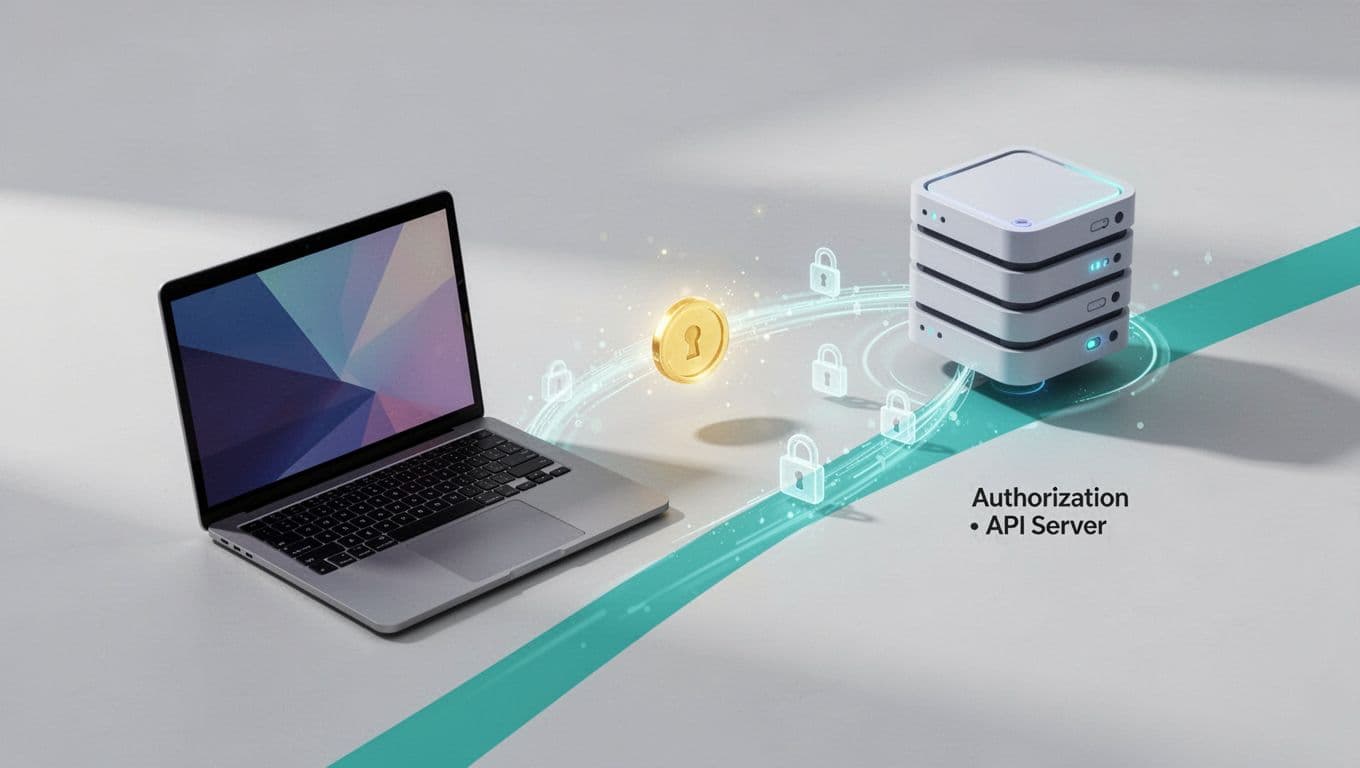
See OAuth 2.1 security best practices for details on these standards. Test in sandbox: Revoke tokens, send invalid scopes. Confirm 401 errors block access.
- Rotate credentials every 90 days or less.
- Store secrets in vaults like HashiCorp Vault. Ban hardcoding.
- Audit logs for failed auth attempts.
This step blocks 40% of API exploits. Do it first.
Secure Data in Transit and at Rest
Encryption isn’t optional. Mandate TLS 1.3 minimum for transit. No downgrades to older versions.
Probe vendors: What cipher suites do you use? Do you encrypt payloads end-to-end? For data at rest, confirm AES-256 or equivalent.
Pitfall: Assuming HTTPS covers everything. It doesn’t. Field-level encryption protects sensitive bits like PII. Use response filtering to strip extras.
Data residency matters too. Where do they store your info? Align with GDPR or CCPA rules. Ask for proof via SOC 2 reports.
Follow API encryption standards to stay current. Test with tools like Wireshark in staging.
- Scan for TLS vulnerabilities pre-prod.
- Redact logs of sensitive fields.
- Verify no plaintext storage.
One breach here costs millions. Lock it down.
Manage Rate Limits and Resource Controls
Rate limits prevent abuse. Without them, bots exhaust your quota or theirs.
Question vendors: What algorithms do you use? Sliding windows beat fixed ones. Do headers like X-RateLimit-Remaining appear in responses?
Set client-side limits too. Handle 429s with backoff. Common error: Ignoring bursts at window edges.
Check rate limiting implementation tips. In 2026, expect per-IP and per-token limits.
- Enforce quotas in your API gateway.
- Monitor for spikes.
- Document shared limits in contracts.
This keeps costs predictable and blocks DoS.
Build Observability into Your Integrations
You can’t fix what you don’t see. Track calls, latency, errors.
Demand vendor logs: Do they offer webhooks for failures? Integrate with tools like Datadog.
Build your dashboard. Log every request ID, status, duration.

Reference third-party API monitoring checklists for audit points. Alert on 5xx errors or latency jumps.
- Tag requests for tracing.
- Set SLOs like 99.9% uptime.
- Review dependencies weekly.
Spot issues before users do.
Review Vendor SLAs, Lock-In, and Contracts
Uptime SLAs should hit 99.99%. Ask for historical data. What credits do you get for misses?
Vendor lock-in traps you. Check data export formats. Avoid proprietary schemas.
Contracts need audit rights, breach notifications in 24 hours, and exit clauses. Review with legal.
See vendor lock-in risks and SLA negotiation tips.
- Prototype migration paths.
- Ban auto-renewals without notice.
- Assess supply chain via SBOMs.
Deprecation policies: 12 months notice minimum.
Version APIs to dodge breaks.
Final Steps in Your API Audit
Run pen tests post-integration. Fuzz inputs, replay attacks.
Scan for secrets in repos. Dependency-check libraries.
Revisit quarterly. Vendors change.

Use this checklist as your baseline. Tweak for your stack.
Key Takeaways
A thorough API integration audit catches risks early. Focus on auth, encryption, and observability first. Question vendors hard; test everything.
Skip these steps, and one bad integration snowballs. Your setup stays solid.
Need help with tough audits or talent? Book a Discovery Call with Bud Consulting. Teams rely on vetted experts.
(Word count: 982)