table of contents
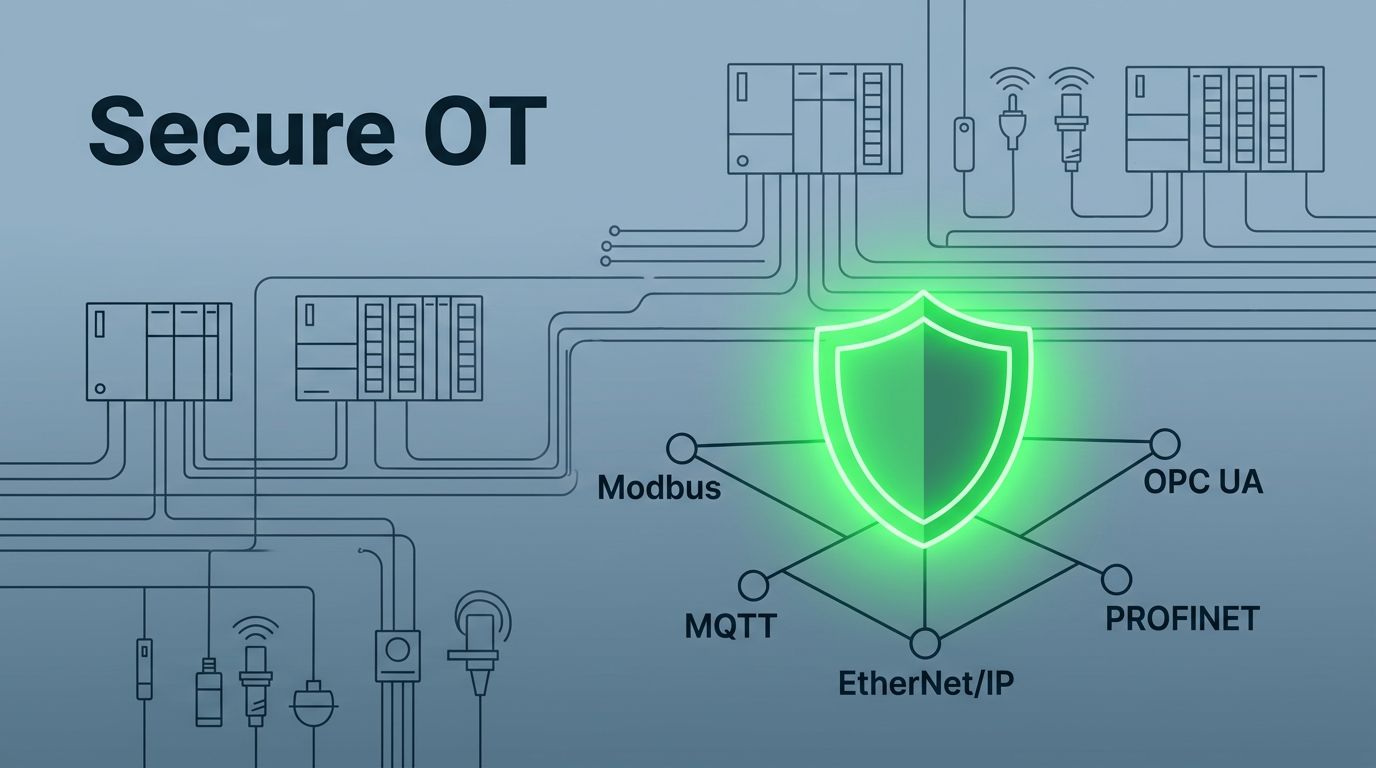
You run an OT network where PLCs hum along on Modbus TCP, but now IIoT sensors push data via MQTT. One misconfigured OPC UA server could let attackers pivot to critical controls. Continuous Threat Exposure Management (CTEM) spots these gaps before they turn into outages.
Traditional scans disrupt production. They miss protocol quirks in EtherNet/IP or PROFINET. CTEM runs continuously without halting lines. It prioritizes real risks in your ICS setup.
This post breaks down CTEM for modernized industrial protocols. You’ll see how it fits OT realities like uptime demands and legacy gear.
What CTEM Means for OT Teams
CTEM continuously identifies, prioritizes, and validates exposures. It goes beyond vulnerability scans. Think of it as daily patrols on your network perimeter, tailored for ICS.
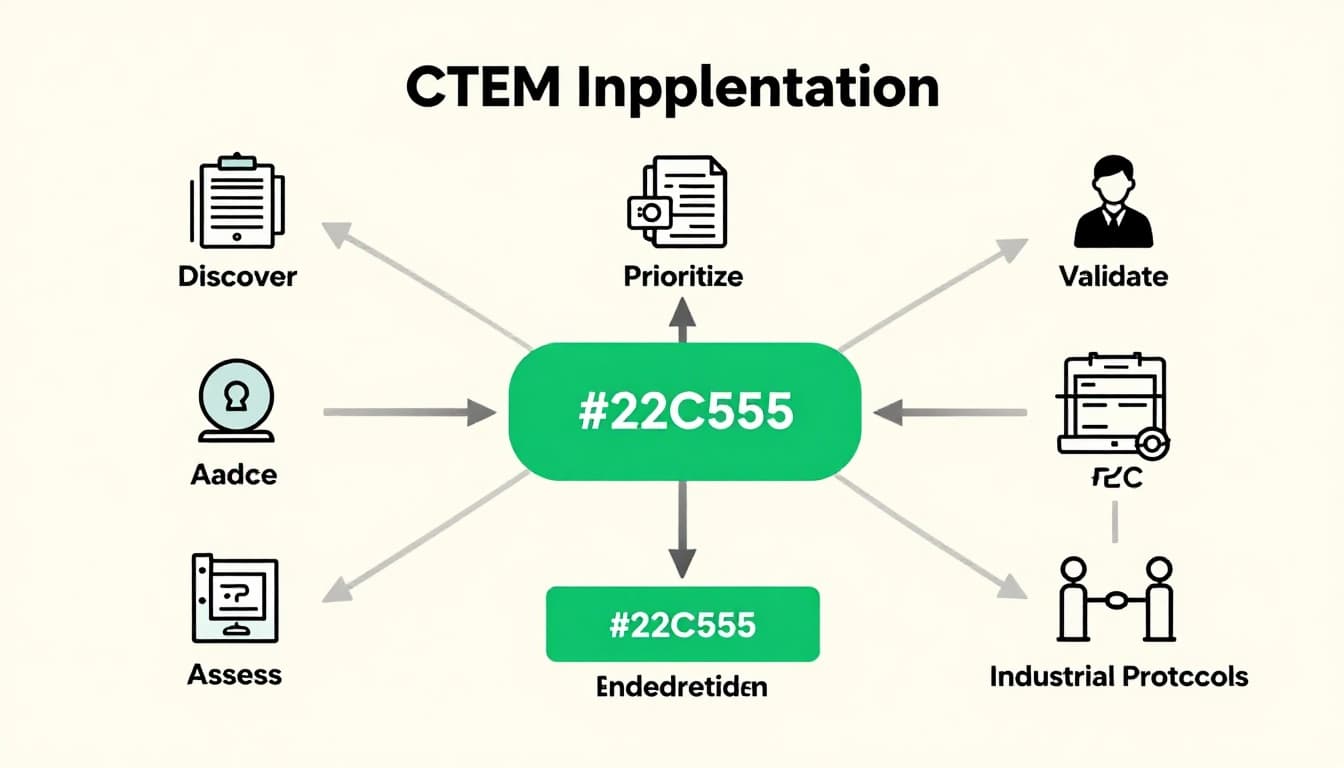
Gartner outlines five stages: scoping, discovery, prioritization, validation, and mobilization. In OT, scoping starts with Purdue levels. You map Level 0 sensors to Level 3 historians.
Discovery uses passive tools. They sniff traffic without injecting packets. This respects safety interlocks. Prioritization weighs exploitability against impact. A PROFINET flaw might score low if segmented well.
Validation tests defenses actively, but only on shadows or simulations. Mobilization feeds tickets to patch teams. Tools like those from Piscium handle protocol-aware fingerprinting for Modbus or DNP3.
Only 16% of firms fully deploy CTEM, yet 87% see its value. Companies with it face three times fewer breaches. In 2026, AI edges and supply chains amplify needs.
OT leaders balance this with ops. Downtime costs thousands per hour. CTEM agents deploy in maintenance windows. They integrate with EDR for quick alerts.
You gain persistent visibility. No more quarterly audits that miss shadow IT gateways bridging IT to OT.
Key Industrial Protocols in Modern OT Environments
Modern plants mix old and new protocols. Modbus TCP lingers for its simplicity. PLCs poll coils over TCP port 502. No auth by design. Attackers replay writes to spin motors wrong.
OPC UA modernizes this. It adds pub-sub, TLS, and certs. Nodes publish changes; subscribers get deltas. Secure channels block eavesdropping. Yet, CVE-2025-1234 hit Open62541 libraries with DoS via bad certs.
MQTT suits IIoT. Brokers route topics like “plant/floor1/temp”. TLS secures it, but weak auth leaks payloads. Sparkplug B adds birth certificates for devices.
EtherNet/IP carries CIP objects for Allen-Bradley gear. Real-time I/O needs low latency. CVE-2025-9876 allowed buffer overflows in scanners.
PROFINET handles Siemens drives. DCP assigns IPs; alarms flow multicast. Timing precision fights jitter from rogue frames.
DNP3 rules utilities. RTUs report analogs over port 20000. Secure auth per IEEE 1815 thwarts injection. CVE-2025-4567 bypassed it in old gear.
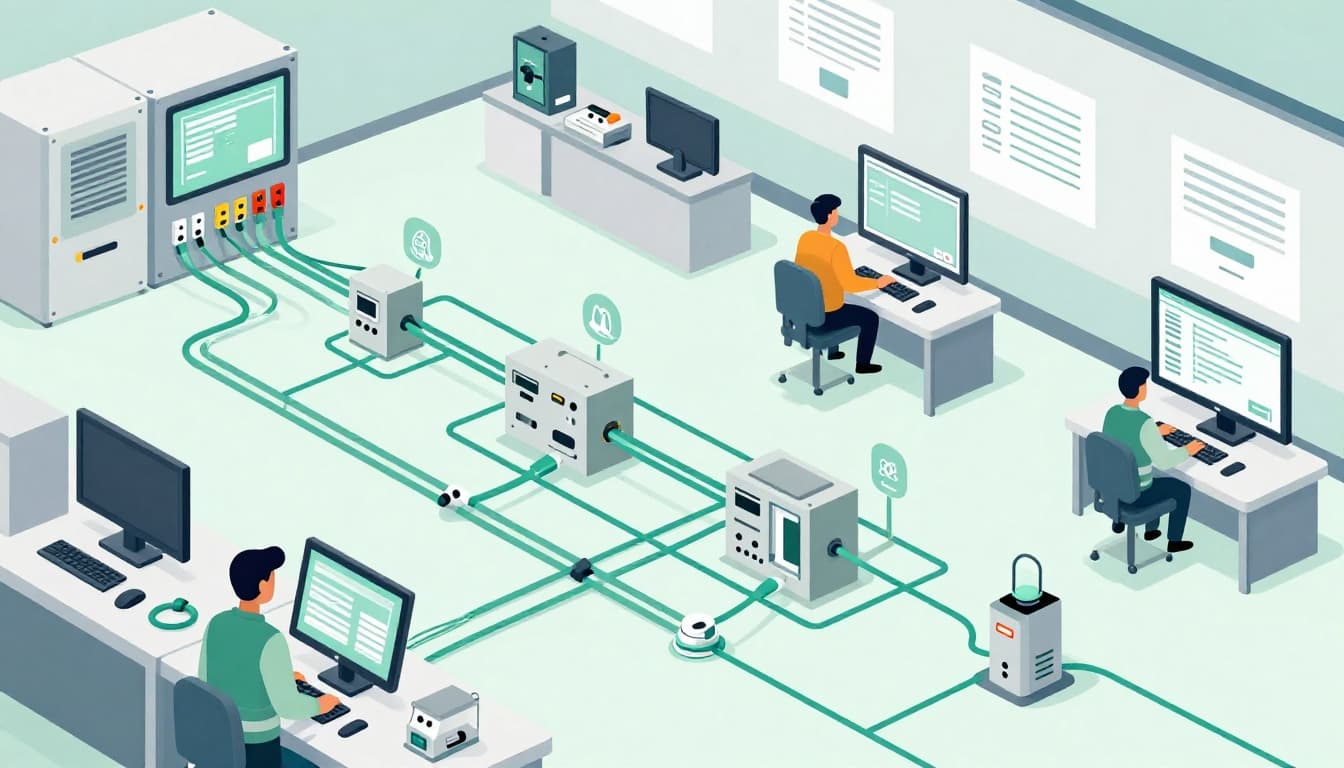
These protocols converge in gateways. Modbus feeds OPC UA servers. Misconfigs expose internals. Claroty’s OPC UA research details 24+ vulns since 2020.
You pick protocols for determinism. PROFINET for motion control; MQTT for cloud edges. Security lags if vendors skip profiles.
Challenges of Modernizing Protocols in ICS
Upgrades promise security. OPC UA trumps Modbus. But legacy PLCs can’t run it native. Gateways translate, creating choke points.
Vendor lock-in hurts. Siemens pushes PROFINET; Rockwell EtherNet/IP. Patches arrive slow. Maintenance windows shrink to hours yearly.
Uptime rules. Safety PLCs trip on probes. Air-gaps fade with remote access. Vendors connect for “support,” opening doors.
Supply chains bite. 46% of breaches trace to third parties. They plug in laptops with unpatched stacks. Protocols like DNP3 carry commands that look legit.
State actors target energy. They map via passive sniffs. Modbus polls reveal topologies.
In 2026, AI adds risks. Shadow models query sensors via MQTT. No one inventories them.
Context beats CVSS scores. A high-score OPC UA flaw matters less than DNP3 injection on a grid RTU. It could black out substations.
Micro-perimeters help. Zone Level 2 HMIs from Level 0. Deep packet inspection flags odd Modbus functions.
Yet, teams lack OT-savvy staff. IT pros botch ICS rules. Training bridges this.
You face trade-offs. Full modernization disrupts. Phased CTEM validates hybrids safely.
How CTEM Fits Industrial Protocol Security
CTEM cycles through assets daily. In OT, it parses protocol payloads. Tools decode EtherNet/IP assemblies without agents on PLCs.
Scoping defines crown jewels. Turbine controls on DNP3. Discovery fingerprints via traffic. OPC UA sessions show endpoints.
Prioritization uses EPSS and KEVs. Plus OT factors: Does it bypass safety? Forescout’s CTEM page compares to VM tools. It adds role-based scoring for ICS.
Validation simulates attacks. Send crafted MQTT publishes to test broker ACLs. Shadow networks replay PROFINET frames safely.
Mobilization automates. Alert ops via tickets. Suggest firewall rules for Modbus ports.
Passive modes suit production. No disruption. Active probes hit test beds.

Dashboards graph paths. PROFINET to OPC UA hops highlight pivots. Integrate with SIEM for anomalies.
For air-gapped zones, deploy sensors. They mirror taps to CTEM clouds.
Results show quick wins. Firms cut MTTR by half. Compliance eases: NERC CIP evidence flows automatic.
You start small. Pilot on one line with Modbus-heavy gear.
Common Exposure Points Across Protocols
Gateways top the list. Modbus to OPC UA proxies run old code. Unpatched, they leak.
Weak auth persists. MQTT without TLS dumps payloads. DNP3 skips secure mode.
Misconfigs abound. PROFINET multicasts flood switches. EtherNet/IP implicit connections lack encryption.
Vendor tools probe deep. They use raw sockets, evading firewalls.
Lateral movement thrives. OPC UA discovery services enumerate nodes. Attackers chain to PLCs.
Recent vulns confirm. DNP3 CVE-2025-4567 injects via weak RTUs. EtherNet/IP DoS from scanners.
No 2026 exploits hit MQTT or PROFINET hard. But Modbus stays vulnerable. Tools like Metasploit craft coils.
IT/OT convergence exposes. Historians pull via OPC UA. Web consoles run Node.js vulns.
Shadow devices join. Rogue sensors spam MQTT topics.
OPC Foundation security guide mandates SignAndEncrypt. Many skip it.
You audit with protocol scanners. Block unsigned traffic.
A Practical CTEM Framework for Protocol Stacks
Build CTEM in phases. Match your ops cycle.
First, scope. List protocols per Purdue level. Tag critical paths: MQTT to cloud, DNP3 to SCADA.
Next, deploy passive discovery. Tap spans for traffic. Classify Modbus masters, OPC UA servers.
Prioritize with custom rules. Weight by safety impact. High for EtherNet/IP on drives.
Validate quarterly. Use protocol fuzzers on labs. Mirror prod traffic.
Mobilize via playbooks. Auto-block rogue IPs. Notify vendors for patches.
| Stage | OT Action | Protocol Example |
|---|---|---|
| Scope | Map Purdue levels | DNP3 on Level 1 RTUs |
| Discovery | Passive fingerprint | OPC UA certs |
| Prioritize | EPSS + impact | PROFINET DoS risk |
| Validate | Shadow tests | MQTT ACL checks |
| Mobilize | Firewall rules | Block Modbus writes |
This table shows quick wins. After, review metrics: coverage hits 95%.
Train teams cross-functionally. Simulate attacks quarterly.
Scale with partners. Book a Discovery Call with Bud Consulting to fill OT security gaps.
Test in pilots. Measure before-after MTTD.
Conclusion
CTEM transforms protocol security from reactive to continuous. It handles Modbus legacies alongside OPC UA upgrades without ops hits.
Focus on your stack’s weak spots: gateways, auth skips, misconfigs. The framework delivers actionable steps.
Teams with CTEM spot risks early. They balance cyber and production needs.
Apply it now. Your plant runs safer.