table of contents
Your team relies on SaaS tools every day. But those third-party integrations? They often hide the biggest security gaps. In 2026, breaches from OAuth token theft and shadow apps prove it.
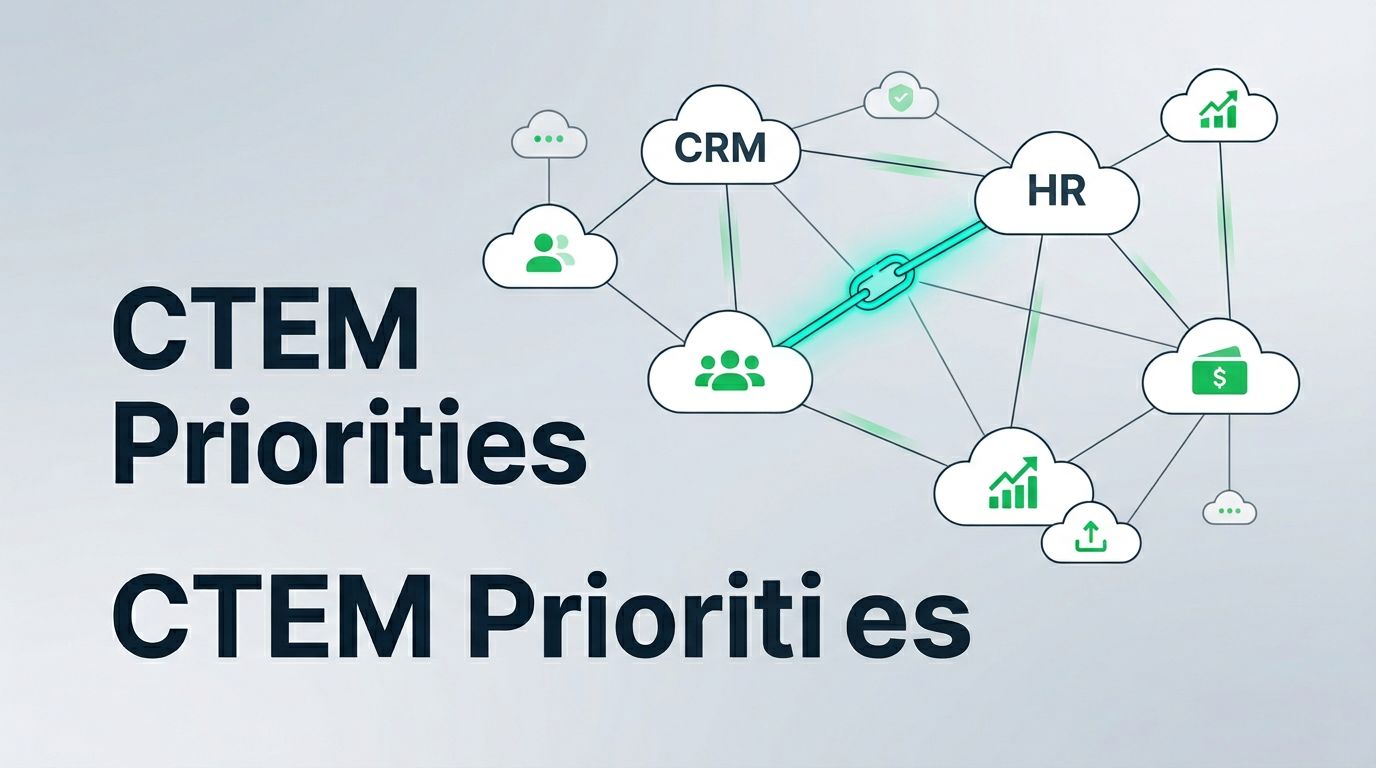
CISOs face exploding attack surfaces. SaaS sprawl means hundreds of connections across CRM, HR, and finance platforms. CTEM SaaS integrations demand focus because one weak link can expose customer data or halt operations.
This guide shows you how to prioritize. Start with exposure and impact. Then build cycles that deliver quick wins.
What CTEM Means for SaaS Security Leaders
CTEM stands for Continuous Threat Exposure Management. Gartner outlines it as a five-stage loop: scope, discover, prioritize, validate, and mobilize. Teams run it often to cut real risks, not chase every alert.
For SaaS, this shifts from static scans to ongoing checks. You map integrations like Slack to Salesforce or Okta to HR systems. Then rank them by exploitability.
Why prioritize third-party links now? Shadow SaaS accounts for 30-40% of cloud spend in big firms. Unmanaged OAuth apps let attackers impersonate users and grab files.
In May 2026, AI agents add speed but also token sprawl. Tools auto-discover risks in APIs and data flows. This beats quarterly audits that miss fast changes.
Focus CTEM here first. External surfaces like SaaS APIs yield results quickest. Pick critical areas such as customer portals. Map assets, identities, and flows.
Gartner’s strategic roadmap for CTEM stresses dynamic programs over point scans. Apply it to SaaS to align fixes with business needs.
Key Risks in Third-Party SaaS Integrations
SaaS integrations create trusted paths attackers love. OAuth abuse tops the list in 2026. Hackers steal tokens to access email, drives, or CRMs without passwords.
Take collaboration tools. A Slack integration with over-privileged scopes reads all channels. If compromised, it spills internal chats. Recent cases show worms spreading via these tokens.
CRM platforms like Salesforce face API exposure. Finance apps link to payment gateways. One unsecured endpoint lets data leak to partners.
HR systems store sensitive info. Developer platforms like GitHub connect via OAuth. Over-privileged bots push malicious code.
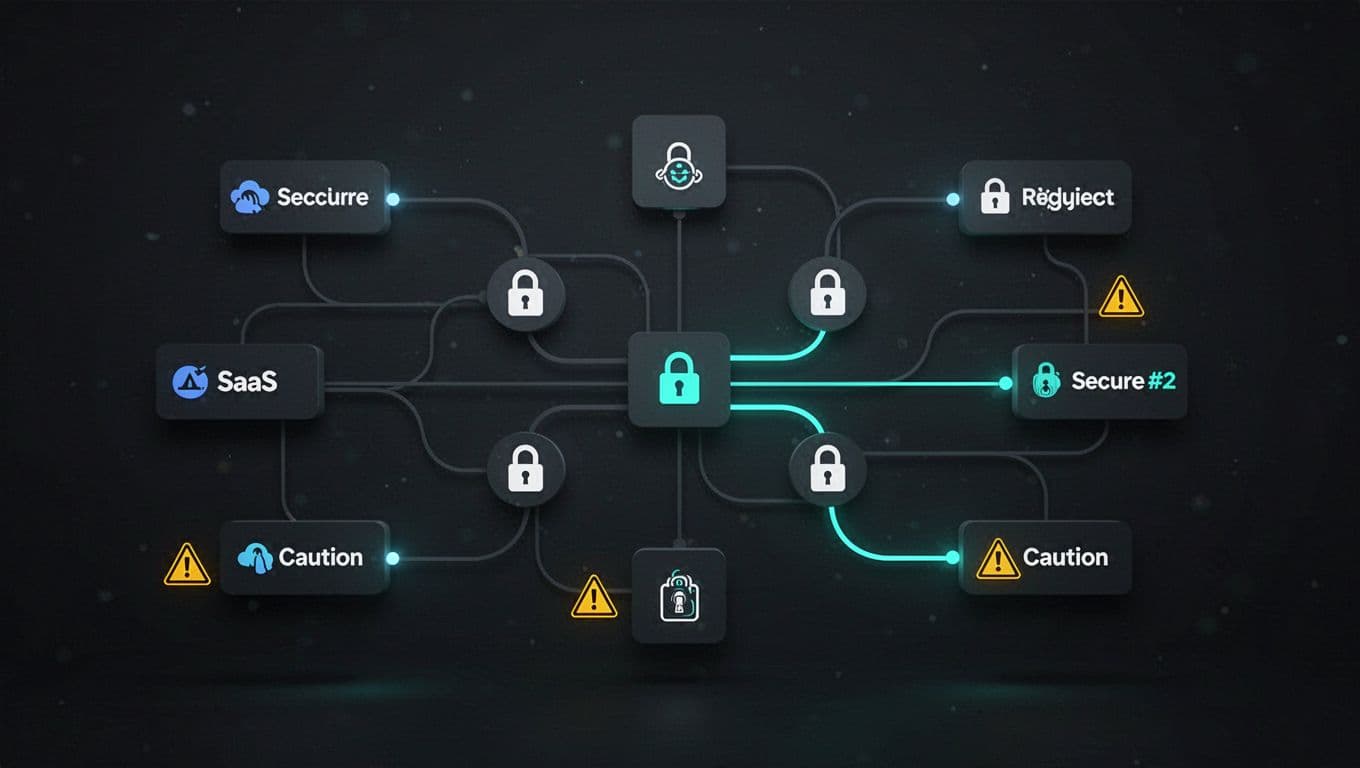
Identity sprawl worsens it. Employees approve shadow apps quietly. Vendor concentration adds pain; one SaaS breach hits all customers.
Supply chain compromises surged early 2026. Attackers target CI/CD creds in integrations. For example, OAuth app risks in Google Workspace show hundreds of unmanaged apps per firm.
The Cloud Security Alliance lists top third-party integration risks, including user impersonation and data exfiltration. Monitor tokens and rotate them often.
Build a Prioritization Framework
Don’t treat all integrations equal. Rank by exposure and impact. This framework uses Gartner’s stages tailored to SaaS.
Start with scoping. List categories: collaboration (Slack, Teams), CRM (Salesforce), HR (Workday), finance (Stripe), developer (GitHub). Inventory via API logs and SSO data.
Discovery follows. Scan for shadow SaaS and unmanaged tenants. Tools spot risky OAuth grants and forgotten APIs.
Prioritize next. Score exploitability: high if public-facing or token-based. Factor business impact: revenue loss from CRM downtime beats HR delays.

Validation tests fixes. Simulate attacks on top items. Mobilize with auto-remediation.
Fidelis Security’s attack surface trends match this. They note CTEM cadences per area, like payments first.
Run weekly for top 20 integrations. Track metrics: mean time to remediate. This proves value to execs.
Assess Exposure and Business Impact
Exposure measures how easy attacks reach data. High exposure: public APIs or broad OAuth scopes. Low: internal tools with MFA.
Business impact weighs fallout. CRM outage costs sales. Finance breach triggers fines.
Build a matrix. Axes: exposure (low to high), impact (low to high).
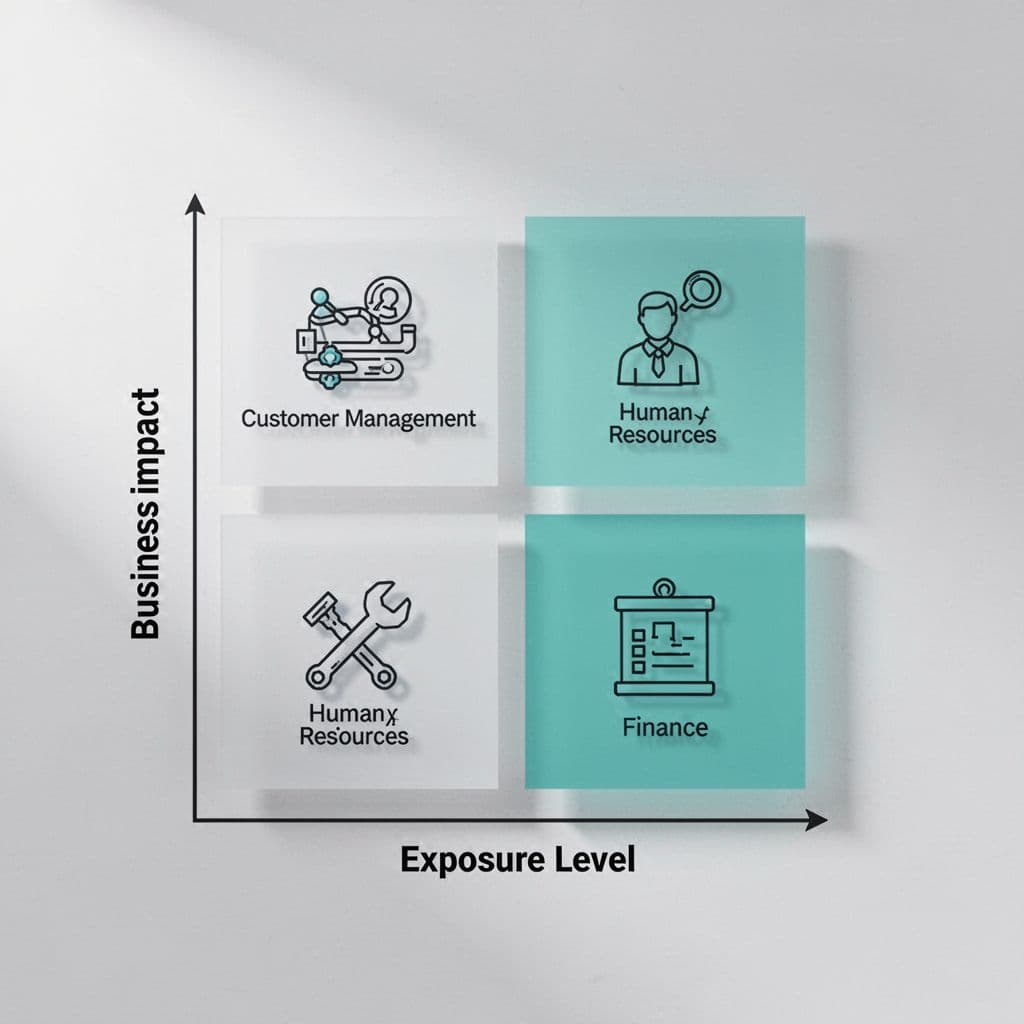
CRM lands high-high: attackers steal leads. HR sits medium: data leaks hurt but don’t stop ops. Finance? High-high always.
Strobes’ CTEM guide for SaaS uses similar scoring. Assign points: 1-5 per axis. Total over 12? CTEM cycle now.
Review quarterly. New AI tools shift scores fast. Deprovision low-risk ones to shrink surface.
Run Targeted CTEM Cycles
Pick two critical systems first, like CRM integrations. Scope: all third-party links.
Discover: Use ASM for shadow apps. Check CTEM stages for identity gaps.
Prioritize with matrix. Validate via breach simulations. Mobilize: revoke tokens, tighten scopes.
For OAuth, audit approvals. Block broad grants like directory.readall. Rotate tokens monthly.
Handle vendor risks. Map concentrations. Diversify where possible.
Automation helps. AI prioritizes in real-time. Integrate threat intel for exploit scores.
Scale to full SaaS stack over months. Measure wins: 50% better visibility per reports.
If gaps persist, book a discovery call with Bud Consulting. Experts vet your attack surface.
Key Takeaways
Prioritize CTEM for SaaS integrations by exposure and impact. Focus cycles on CRM and finance first. This cuts breaches where they hurt most.
OAuth abuse and shadow apps dominate 2026 threats. Matrix scoring delivers focus. Run loops weekly for top risks.
Your surface shrinks with each cycle. Teams gain proof of progress. Start small; results follow.