table of contents
Your web application firewall blocks thousands of requests daily. You see the numbers rise. But do those counts prove your WAF stops real threats?
Most teams stick to basic activity metrics. They miss the full picture. CTEM WAF metrics shift focus to outcomes. These show if your defenses cut actual risk.
Continuous Threat Exposure Management (CTEM) ties WAF data to attack paths. It measures effectiveness, not just volume. Let’s break down how to use them.
Activity Metrics vs. Outcome-Based CTEM Metrics for WAFs
Teams often track WAF activity first. Total requests blocked top the list. Daily request volumes follow close behind. These numbers feel good. They show the tool works.
But activity metrics lack context. A spike in blocks might mean poor rules. Or it could signal a real attack. You need outcome metrics for clarity.
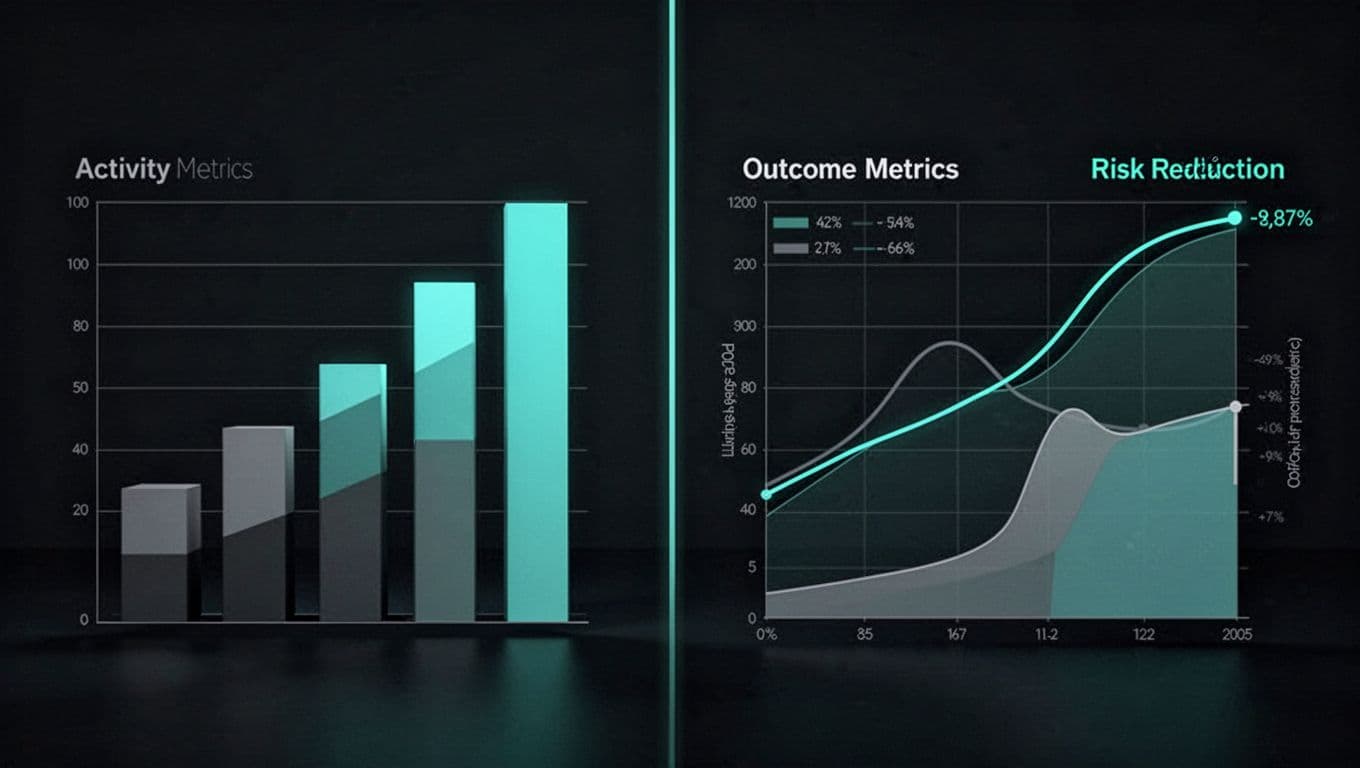
Outcome-based CTEM WAF metrics focus on results. They answer key questions. Does the WAF catch exploits? How often do false alarms disrupt teams?
Consider AWS WAF metrics. AllowedRequests and BlockedRequests dominate activity views. Yet they ignore threat validation.
True positive rate stands out in outcomes. It measures confirmed threats blocked. Divide verified attacks caught by total attacks attempted. Aim for over 95%.
False positive rate flips that. Legit traffic blocked divided by total blocks. High rates (above 5%) waste time. Teams tune rules to drop them.
Mean time to detect (MTTD) tracks speed. Time from attack start to WAF alert. Short MTTD means quick awareness. Mean time to respond (MTTR) follows. It covers triage to block.
Policy tuning effectiveness shows rule health. Track changes that cut false positives without raising true positive misses. Risk reduction over time proves progress. Compare exposure scores quarterly.
These outcomes tie to CTEM cycles. They validate if WAF covers known paths. Activity metrics set baselines. Outcomes drive decisions.
Key CTEM WAF Metrics for Attack Coverage and Validation
Attack coverage tops CTEM priorities. It shows WAF reach against threats. Map rules to attack paths like OWASP Top 10.
Percentage of paths covered equals rules matching threats divided by total paths. Use tools to simulate attacks. If coverage hits 90%, your WAF guards most vectors.
True positive rate builds on that. Test with breach simulation. Platforms run ATT&CK techniques against your WAF. Count successes.
For example, SQL injection attempts. WAF blocks 98% as true positives. That’s solid coverage.
False positive rate demands balance. Legit API calls blocked hurt apps. Track weekly. Tune signatures. Drop rate below 2%.
Exposure validation confirms fixes. After tuning, retest paths. Pass rate over 85% signals strength. Siemba outlines validation rates well. They stress real-condition tests.
Blocked exploit attempts link to paths. Don’t count raw blocks. Tie them to CVEs or techniques. Dashboard that metric. It proves WAF stops live risks.
Mean time to detect and respond speed cycles. Under 5 minutes for detection beats averages. MTTR under an hour keeps damage low.
These metrics shift WAF from reactive to proactive. Teams see gaps fast.
Building Dashboards for CTEM WAF Metrics
Dashboards turn data into action. Start with core views. True positive rate as a bar chart. False positive rate next to it.
Add attack coverage pie. Risk reduction as a trend line. Overlay monthly.
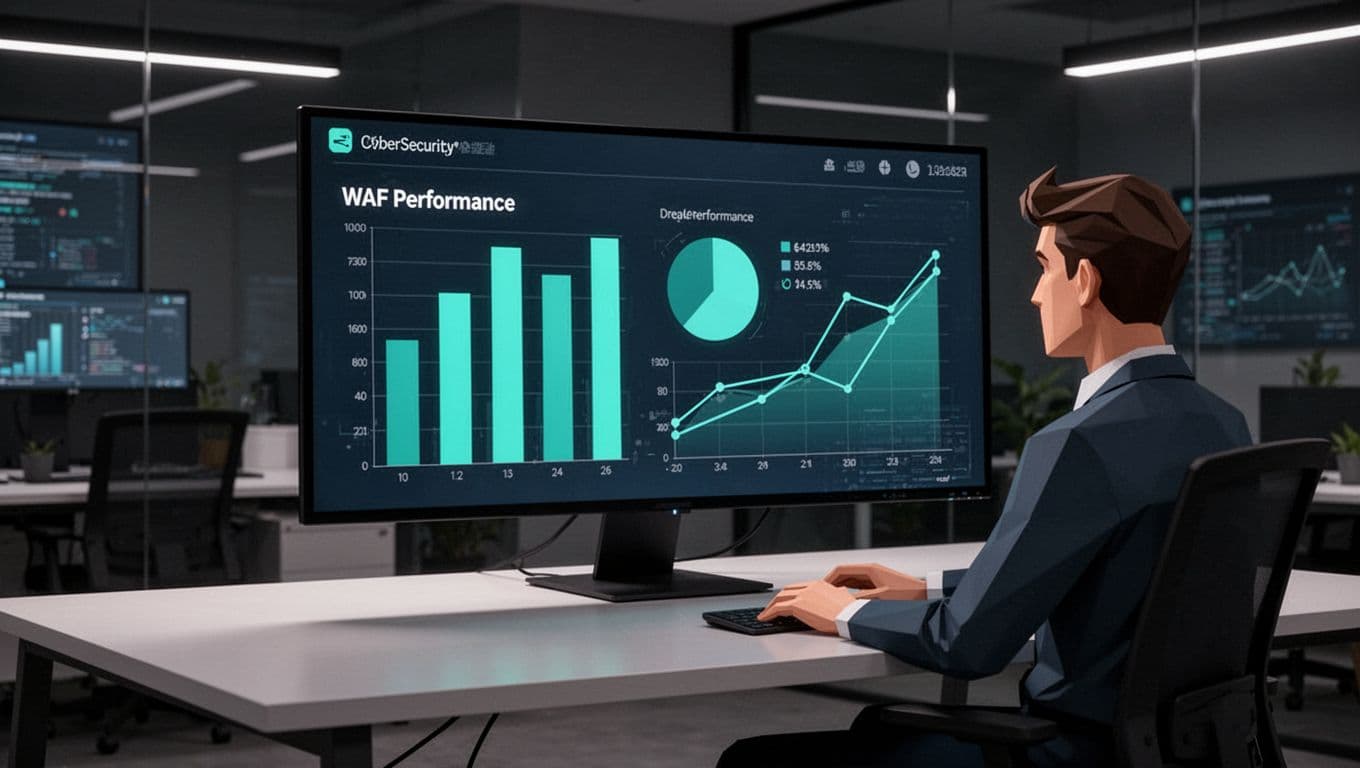
Group by app or path. Filter by time. Tools like Splunk or Grafana pull WAF logs. Join with threat intel feeds.
Set thresholds. Red for false positives over 5%. Green for coverage above 90%. Alerts notify on drifts.
Quarterly reviews use these. Compare baselines. Spot tuning wins.
Policy effectiveness gets its panel. Before-and-after false positive drops. MTTD/MTTR trends show speed gains.
Tie to business risk. Weight by app criticality. High-risk apps demand 98% true positives.
Test dashboards in pilots. Refine based on SOC feedback. They become your CTEM nerve center.
Operationalizing CTEM WAF Metrics in Reviews
Metrics mean little without process. Build review cycles. Monthly for tuning. Quarterly for strategy.
Start with detection review. Check MTTD. Drill into slow alerts. Adjust rules.

Tuning follows. Target false positives. Simulate traffic. Measure impact on true positives.
Validate exposures next. Run breach tests. Confirm blocks hold. Update coverage scores.
End with graph reviews. Plot risk reduction. Share with leadership.
Dashboards feed these. Automate reports. SOC analysts own daily checks. App sec leads quarterly deep dives.
Examples help. One team cut false positives 60% in six months. They tied blocks to MITRE ATT&CK. Coverage rose to 92%.
RateMySOC covers BAS integration. It validates WAF in live runs.
Cycles close loops. Risk drops over time.
Real-World Examples of CTEM WAF Metrics in Action
Financial firms lead here. They track SQLi blocks tied to paths. True positives hit 97%. False positives fell to 1.2% after tuning.
E-commerce sites focus MTTR. Alerts trigger in 2 minutes. Response blocks exploits in 20. Coverage maps to API threats.
Healthcare validates quarterly. BAS tools test HIPAA paths. 89% pass rate drove policy overhauls.
Strobes details CTEM metrics. They include MTTR parallels.
One cloud provider dashboarded risk reduction. Scores dropped 40% yearly. Boards saw proof.
Teams operationalize via Slack bots. Alerts flag drifts. Reviews follow.
These cases show outcomes beat activity. Risk shrinks. Confidence grows.
Conclusion
CTEM WAF metrics prove your firewall delivers. Shift from block counts to true positives, coverage, and risk drops.
Focus on outcomes. Build dashboards. Run cycles. You’ll see real progress.
Outcomes guide tuning and validation. They align WAF to threats.
Struggling to implement? Book a Discovery Call with Bud Consulting. Get practical advice tailored to your stack.